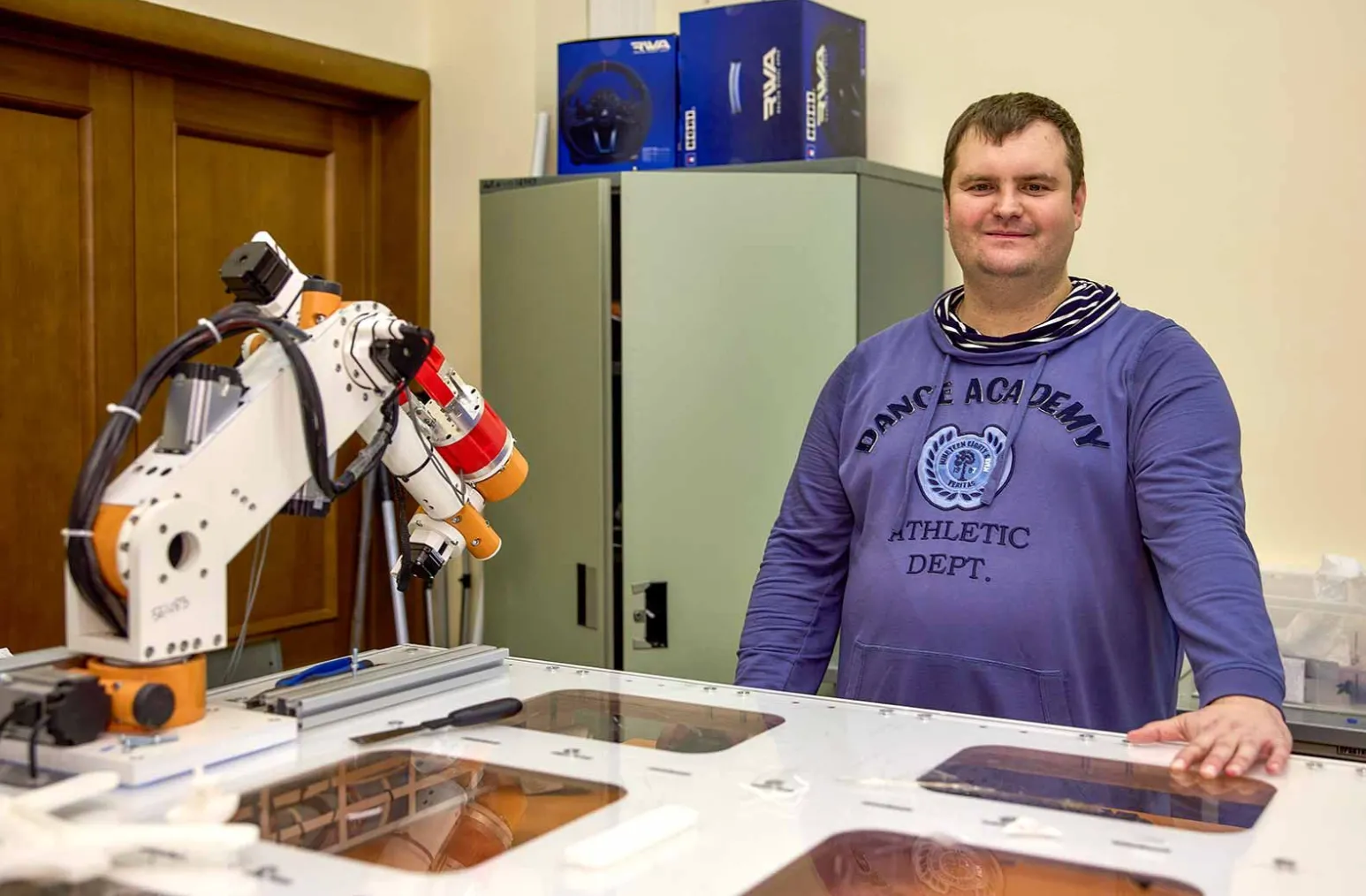
Nizhny Novgorod Scientists Use Bimetal 3D Printing to Create Implants
Researchers say they have resolved a key contradiction in implantology
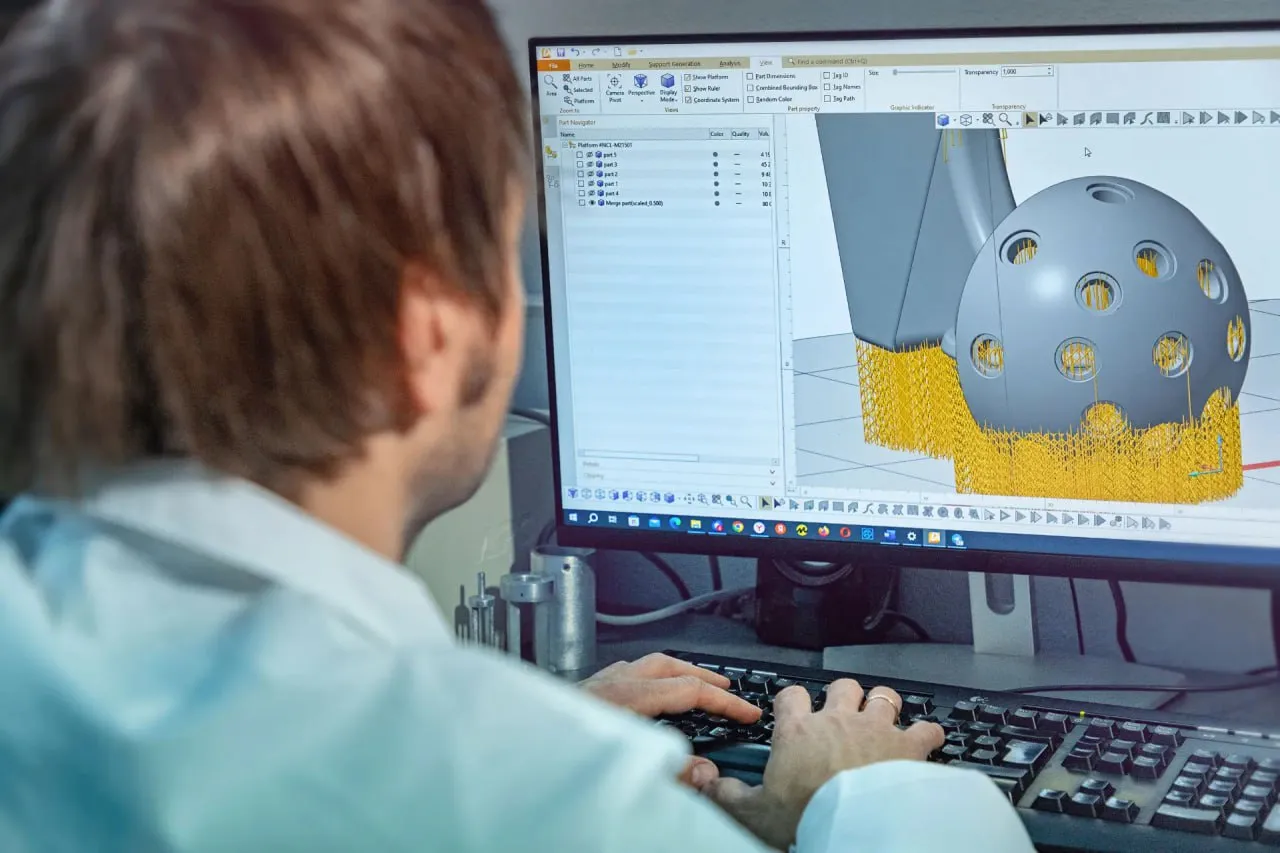
At Lobachevsky State University of Nizhny Novgorod, scientists have developed a method for producing customized implants using bimetal 3D printing, the university’s press service told IT-Russia.
Between Softness and Toxicity
University representatives explained that doctors typically choose between two types of implants – those made from high-strength alloys or from pure titanium. Each option has drawbacks. In the first case, alloys may contain aluminum and vanadium, which can be toxic. Pure titanium avoids such impurities but is relatively soft.
The Nizhny Novgorod team combined both materials in a single structure. Inside is a high-strength framework, while the outer layer is a “cocoon” of pure titanium. The shell is 1 to 1.5 millimeters thick. Because the body comes into contact only with pure titanium, the composite is considered safe. The bioinert outer layer also helps the implant integrate more quickly with bone.
The method developed by the researchers makes it possible to print joint or jaw prostheses tailored to individual patients. 3D printing also makes the production of such complex structures more reliable and cost-effective.
Lower Cost, Better Outcomes
“We have resolved the main contradiction in implantology. The high-strength structure is now fully isolated from the body by a safe outer layer. This improves patient outcomes and reduces the cost of producing prostheses,” said Sergey Shotin, the project’s lead developer.
The technology has already been patented and shows strong potential for practical application, particularly in traumatology, orthopedics and pediatric surgery.
Earlier, we reported that researchers in Novosibirsk unveiled a breakthrough technology for ultra-precise 3D metal printing from the gas phase, in which metal is converted into a gaseous state and then deposited precisely by laser. The approach represents a significant step forward in advanced manufacturing.