Virtual Reality and AI Help Russians Regain Movement and Sensation
A multisensory approach enables the brain to relearn how to control the body and everyday activity through meaningful training.
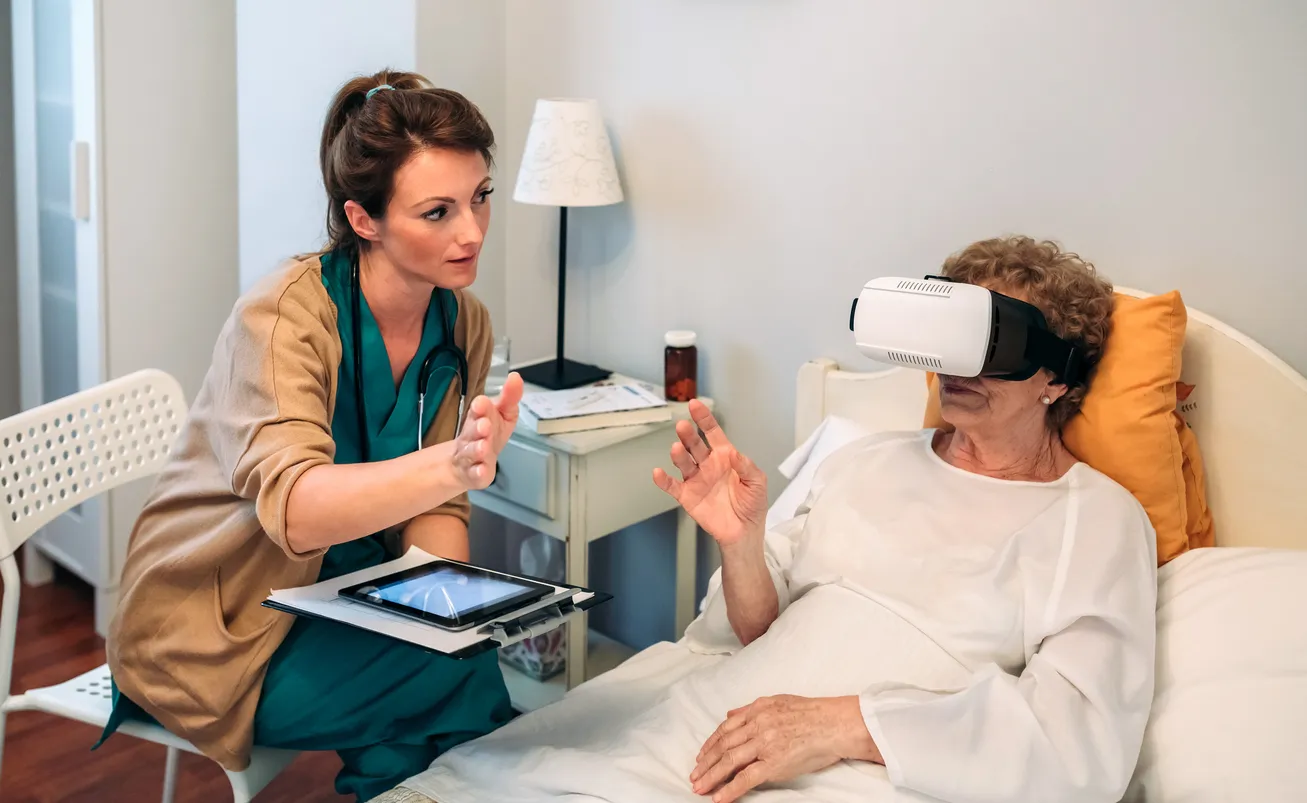
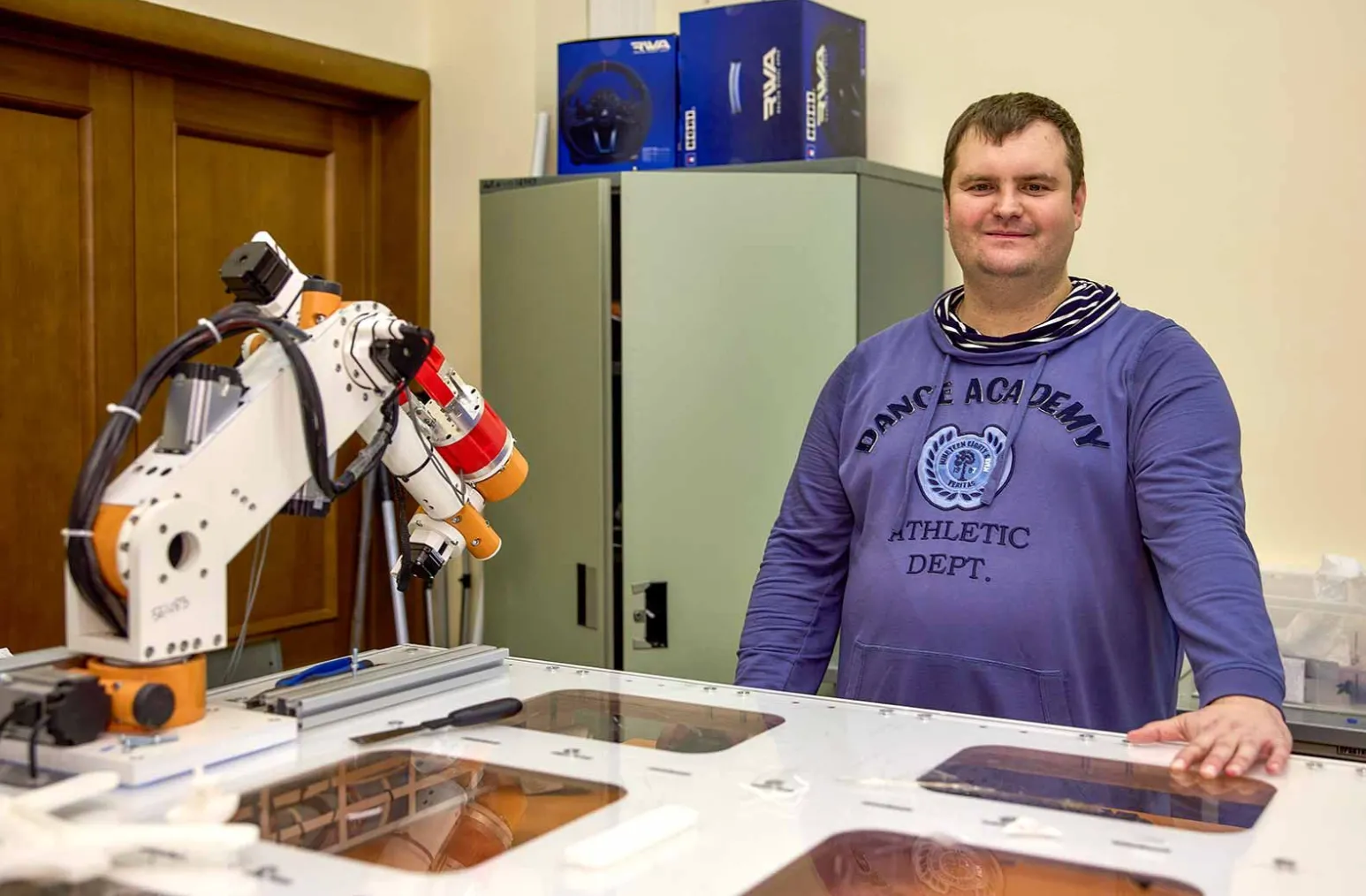
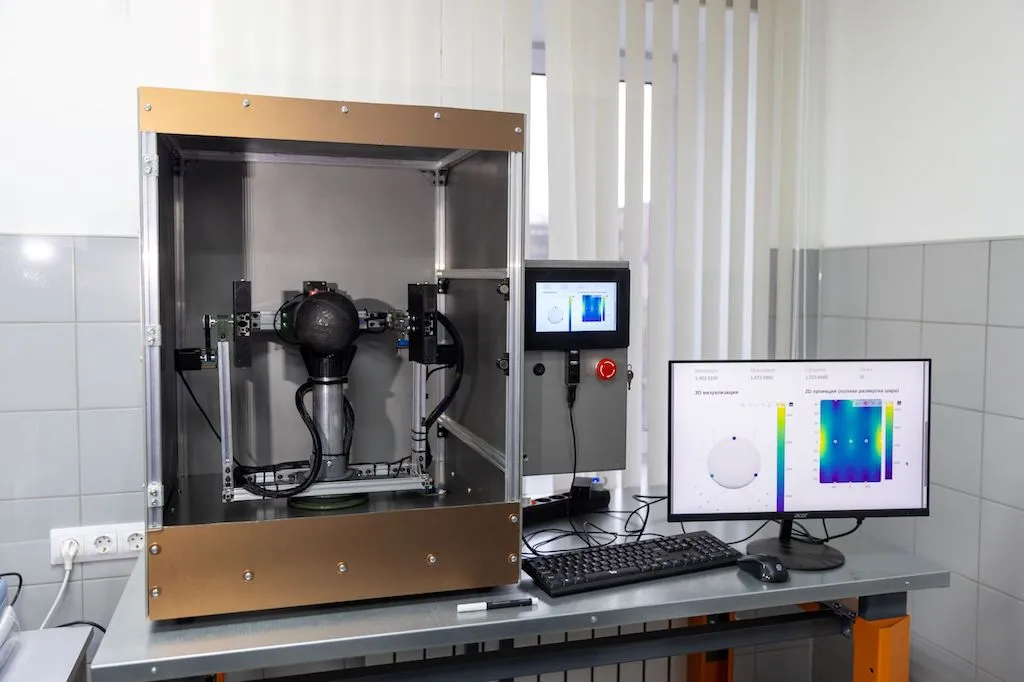
Specialists at Samara State Medical University have developed an innovative rehabilitation device called ReviHand designed for occupational therapy and restoring fine motor skills in the hands after illness, the university’s press service reported.
The researchers incorporated virtual reality, artificial intelligence, and tactile feedback technologies into the system. The hardware-and-software platform is intended for rehabilitation after strokes and traumatic brain injuries, as well as for patients with neurodegenerative diseases, paresis, and coordination disorders affecting the upper limbs.
Visual Cues, Real Movement, and Tactile Feedback
The system’s defining feature is its multisensory approach, combining vision, movement, and touch in rehabilitation. This method stimulates brain neuroplasticity, encouraging the formation of new neural connections and alternative pathways to replace damaged ones.
A prototype of the device has already been tested, and a fully functional production model is expected to be completed by 2027.