Young Defenders of Wildlife: Russian Schoolgirls Build AI to Protect Lake Baikal
At a time when technology is often associated with entertainment or business, three seventh-grade students from the city of Orenburg have reminded audiences of another, equally important purpose: serving the planet.
A New Reality
The National Technological Olympiad Junior brought together 23,990 students from grades 5 to 7 across 86 regions of Russia, as well as participants from Kazakhstan, Uzbekistan, Tajikistan, and Mongolia. Nearly 5,000 finalists competed across seven technological domains: virtual reality, artificial intelligence, computer games, space, robotics, habitat studies, and cyber-physical systems. A total of 1,288 students earned winner or prize-winner status.
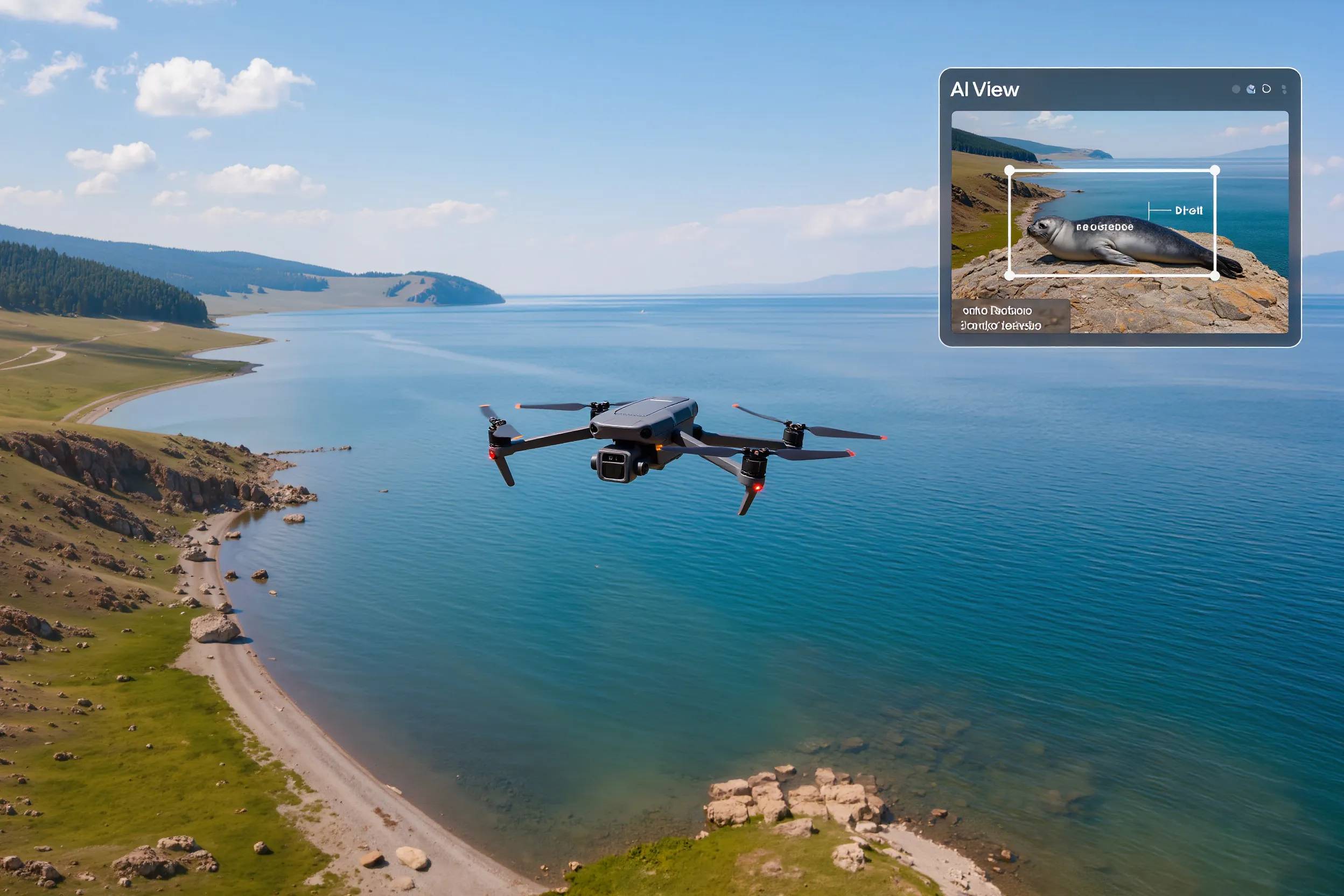
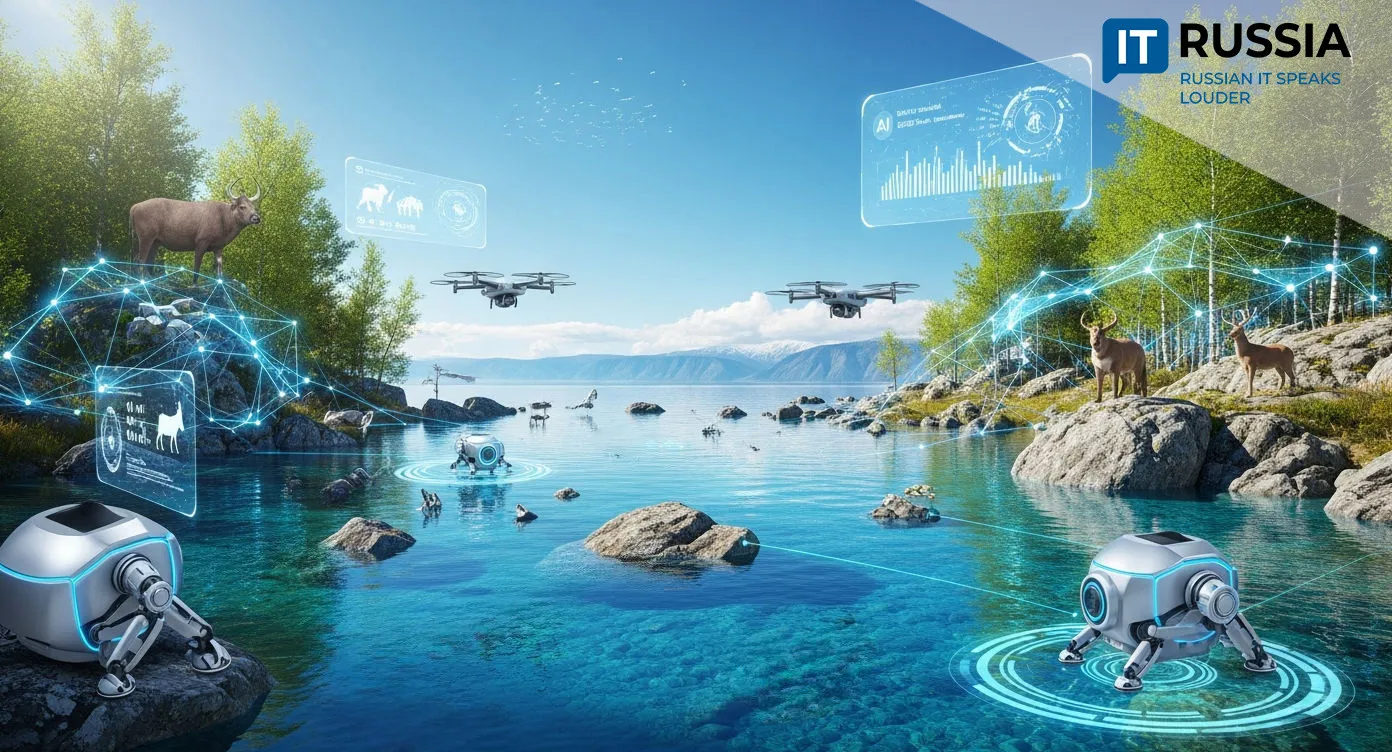
Varvara Plotnikova, Sofia Seidametova, and Ainura Mirova, students at Gymnasium No. 1 in Orenburg, developed their own AI-based IT tool capable of making a tangible contribution to protecting the unique ecosystem of Lake Baikal. This is not a classroom prototype but a functioning system that can analyze photographs, recognize animals, count them, and, most importantly, identify species that are under threat of extinction. Their project not only won a prestigious award in the “Technology and Artificial Intelligence” category, but also emerged as a clear signal of broader shifts in education and the IT landscape.

From the Classroom With AI
The girls’ story demonstrates that meaningful engagement with artificial intelligence is now possible at the middle-school level. Their success reflects not only individual talent, but also a growing emphasis on early project-based learning. Skills that until recently were the exclusive domain of universities are now being developed through hands-on practice, participation in academic competitions, and work with open educational platforms.


Winning the olympiad marks only the beginning of the project’s development. The algorithm could be adapted to monitor other protected natural areas across Russia, from the Caucasus to the Arctic. Integration with databases maintained by scientific institutes would significantly increase its value. By processing large volumes of images from camera traps or field expeditions, the AI can quickly provide researchers and environmental specialists with preliminary analytics: which species are present, their approximate numbers, and whether there are warning signs of population decline.
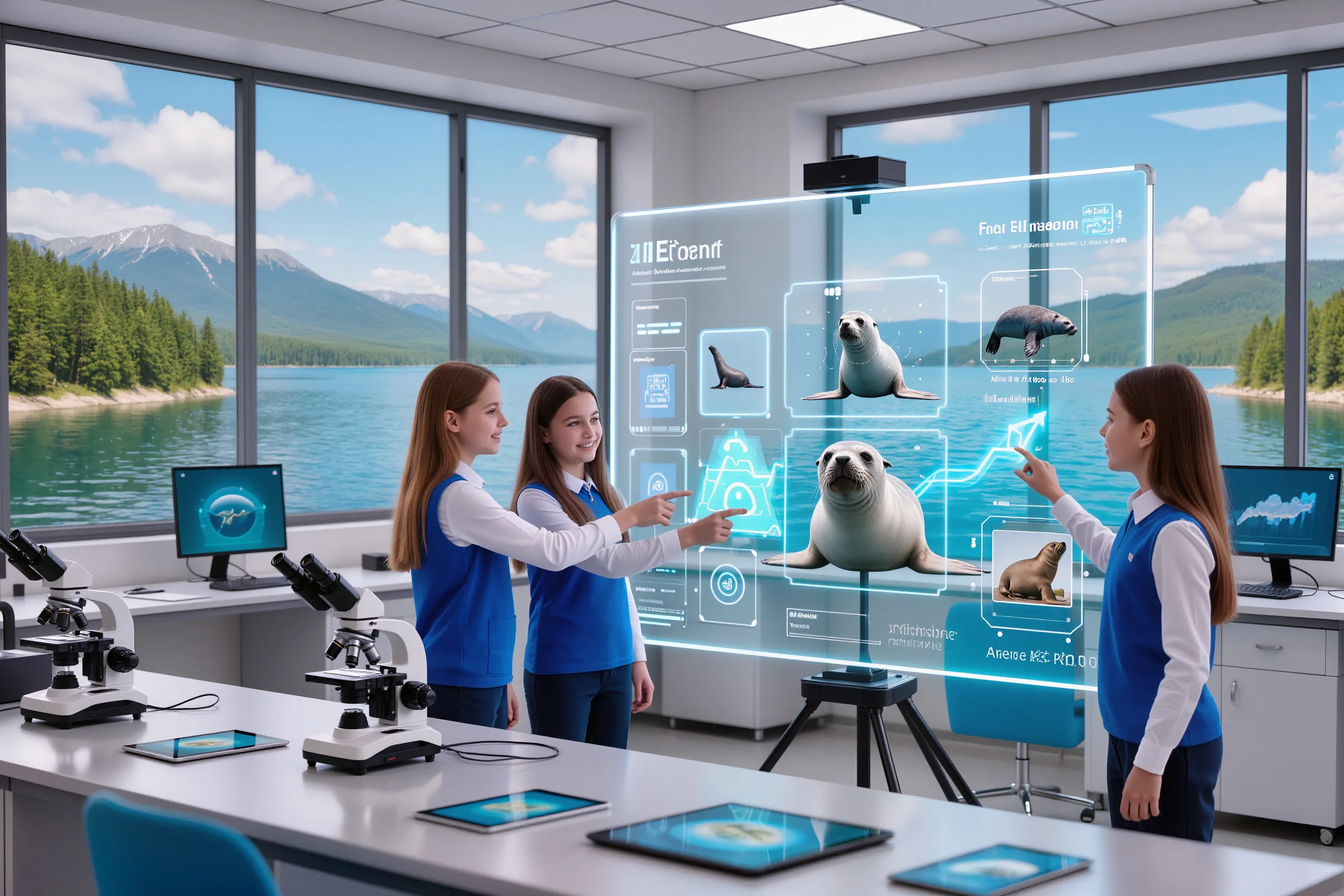
This enables faster responses to emerging threats, more effective conservation planning, and more efficient use of a scarce resource – researchers’ time. The project also raises environmental awareness among young people and strengthens interest in volunteer-driven IT initiatives, where programming becomes a form of environmental stewardship.
A Meaningful Contribution
The victory of the Orenburg schoolgirls Varvara, Sofia, and Ainura at a national technology competition is more than a story about gifted children. It reflects systemic change, where the boundaries between education and real life, between hobbies and professional skills, and between technology and humanitarian missions are increasingly blurred.
In the coming years, applied school projects that use AI are likely to move from being exceptions to becoming the norm. The tool developed in Orenburg may ultimately evolve not only as lines of code, but as part of large-scale environmental programs, demonstrating that age is no barrier to making a substantial contribution to protecting the natural world.