AI Scans Satellite Images to Help Russian Archaeologists Find Ancient Artifacts
Machine learning tools are helping researchers locate sites, date discoveries, and explore underground structures without excavation
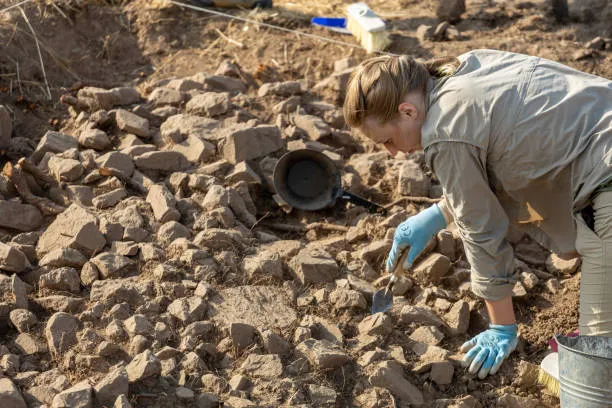
Sergey Taskaev, rector of Chelyabinsk State University, said artificial intelligence is increasingly supporting archaeological research, from identifying artifacts to determining their age.
Archaeologists recently uncovered an unusually intricate knife at a burial site. Casting experts initially dismissed it as a modern replica, arguing that such craftsmanship would have been impossible in the Bronze Age.
The artifact’s age was ultimately confirmed through radiocarbon analysis, providing strong evidence for archaeologists. The university later brought together physicists and historians in a joint research effort and created a 3D model of the find.
Virtual Artifacts
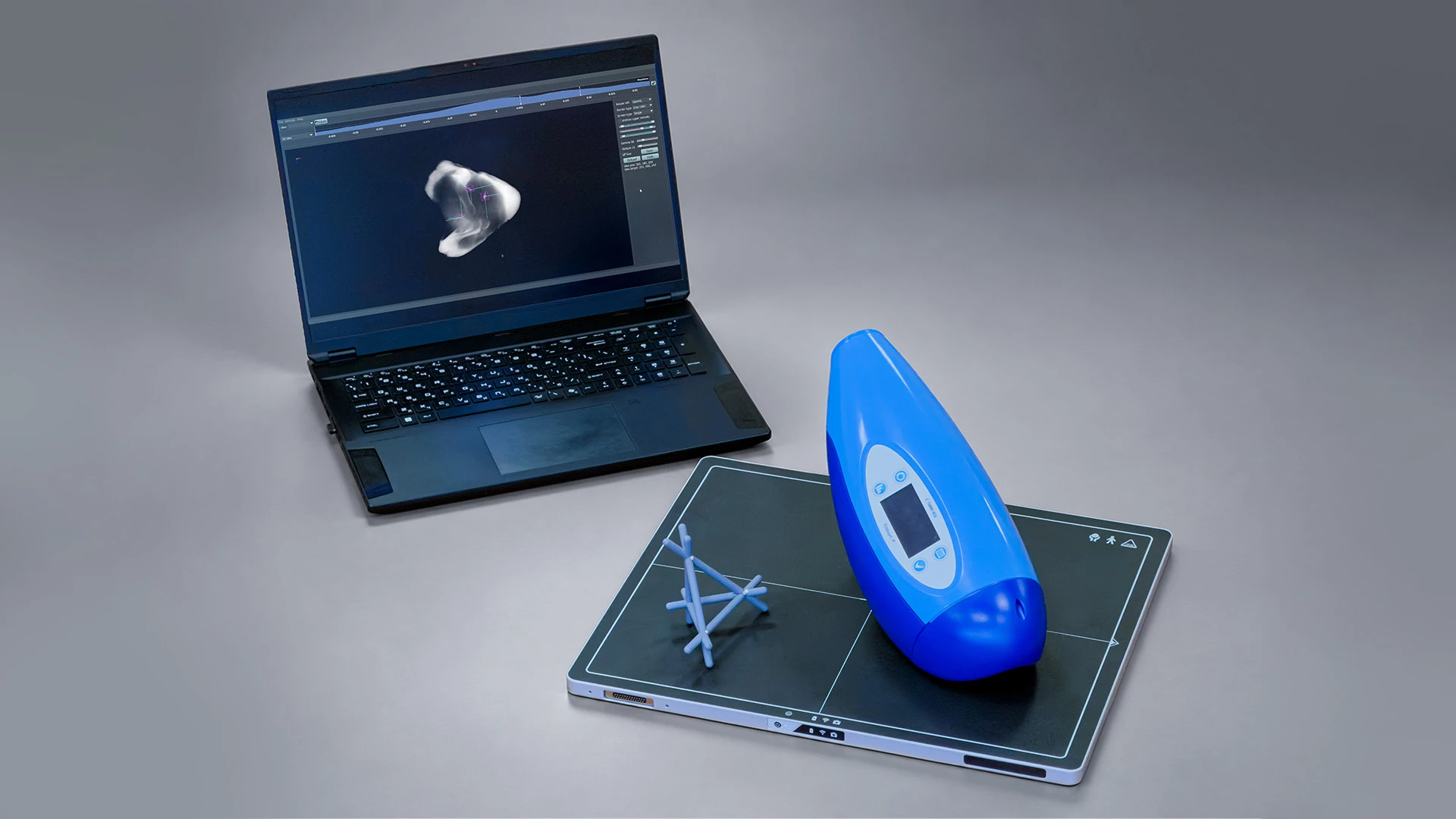
Creating digital replicas of ancient objects has since become a separate research track. According to Taskaev, the future of archaeology will rely on non-invasive methods powered by AI to study artifacts without risking damage during excavation.
Technologies such as magnetic and electromagnetic surveys, along with ground-penetrating radar, already allow researchers to examine structures and determine how best to preserve them.
Finding Ancient Sites From Orbit
AI could significantly reshape archaeological discovery. Chelyabinsk State University is working with the Khanty-Mansiysk Institute of Information Technologies on a project that uses neural networks to analyze satellite imagery for signs of archaeological sites.
AI helps process vast amounts of data, but final conclusions still depend on human expertise. “If you are not a specialist, artificial intelligence alone won’t give you answers,” Taskaev added.