AI to Help Prevent Livestock Disease
The K.I. Skryabin Moscow Veterinary Academy is developing a digital system designed to prevent outbreaks of dangerous diseases affecting farm animals.
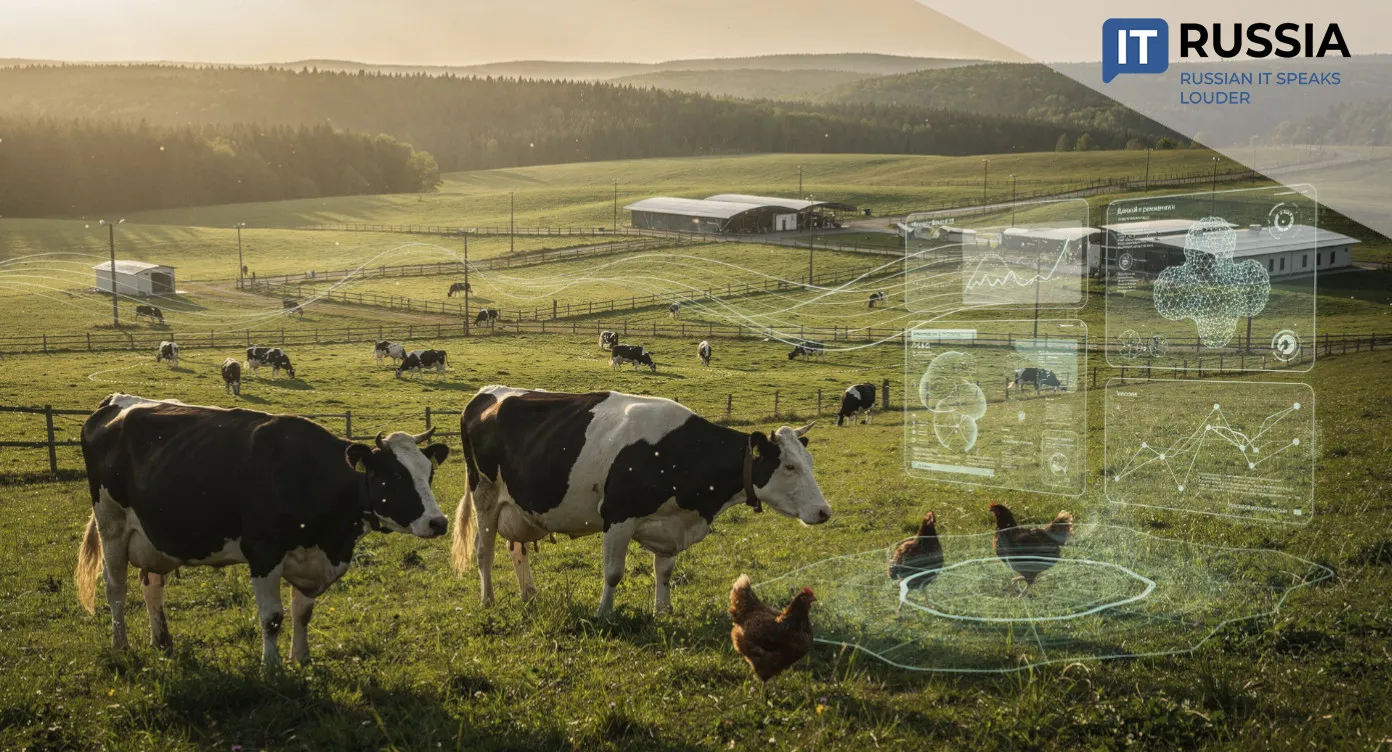
Preventing disease in livestock is one of the central challenges facing the development of modern agriculture. As animal and poultry production becomes increasingly industrialized, disease prevention has become critically important. Large-scale farming operations cannot function reliably without robust preventive health programs.
Disease prevention also addresses the challenge of zoonoses, infectious diseases that can spread from animals to humans. Close interactions between people and farm animals, companion animals and wildlife make zoonotic diseases a major public health concern. Such diseases can disrupt the production of animal-derived food products and may also give rise to serious infectious diseases in humans. HIV, for example, originated as a zoonotic infection before viral strains evolved to infect only humans. Other zoonoses can trigger outbreaks of diseases such as Ebola virus disease and salmonellosis.
The most effective way to combat such diseases is through digital systems capable of analyzing risks and forecasting disease emergence.

Smart Disease Analysis
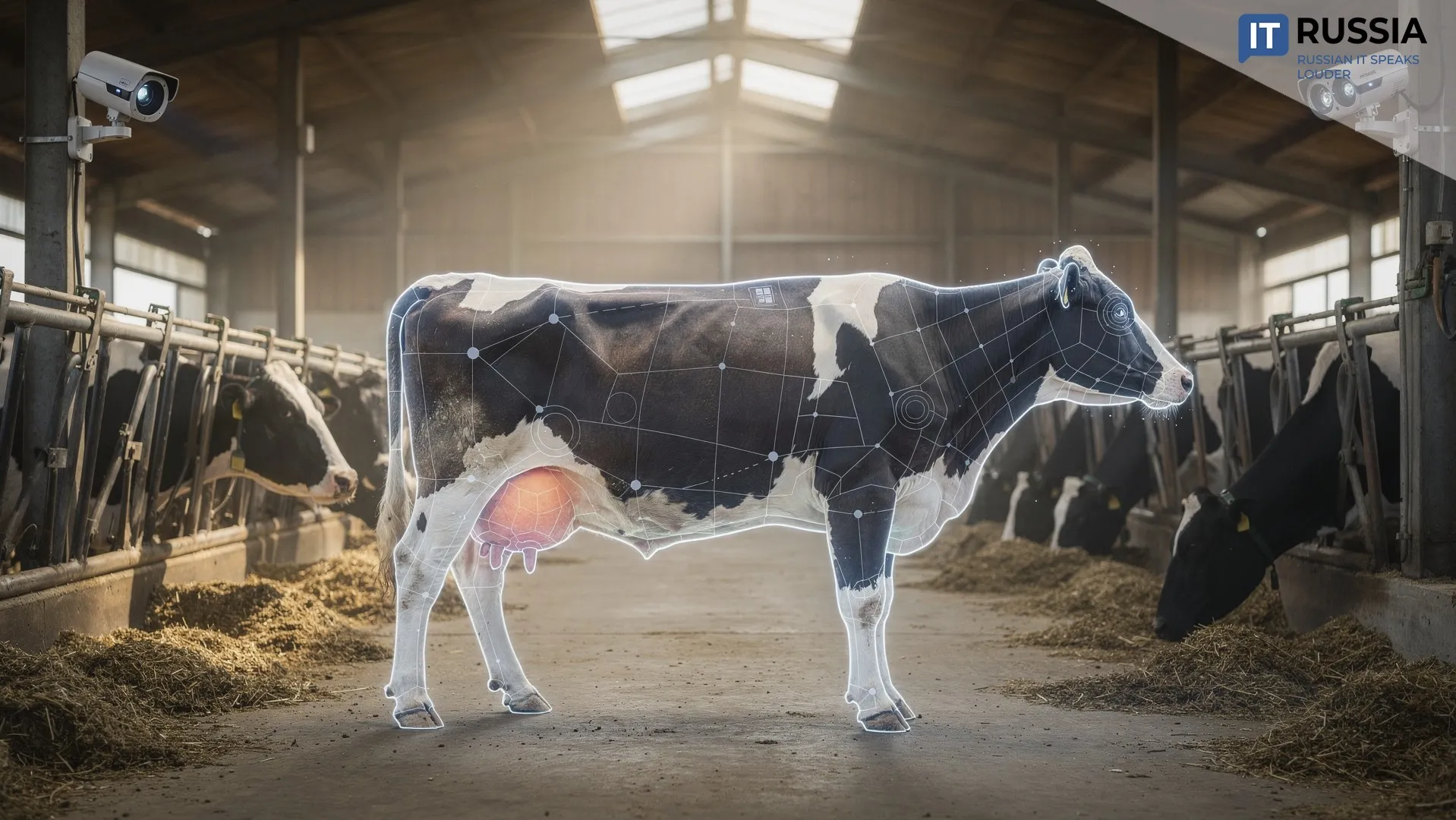
In November 2026, the K.I. Skryabin Moscow Veterinary Academy will present a working prototype of a digital system designed to detect and prevent infectious disease outbreaks among farm animals.
The project began in 2025. Researchers first identified a group of critically important diseases: avian influenza, hemorrhagic enteritis of turkeys, porcine reproductive and respiratory syndrome (PRRS), and bovine rotavirus infection. They then began collecting the data required to train the digital system.
The researchers reconstructed the evolutionary dynamics of the pathogens by tracing the emergence of avian influenza virus variants with different levels of virulence and epizootic potential. The digital platform is now built on epizootiological surveillance data, field-strain genotyping information, and research findings generated through bioinformatics and statistical analysis.
Going forward, the platform will help forecast the genetic variability of animal disease pathogens, assess likely risks for different breeds and update vaccine compositions based on predicted immunobiological characteristics of those pathogens.
"Taken together, these capabilities create the foundation for proactively updating veterinary pharmaceuticals and vaccines," said Nikolai Pimenov, Head of the Department of Immunology and Biotechnology at the Moskovskaya Gosudarstvennaya Akademiya Veterinarnoy Meditsiny i Biotekhnologii – MVA imeni K.I. Skryabina (K.I. Skryabin Moscow State Academy of Veterinary Medicine and Biotechnology), describing the project's long-term potential.

Disease Prevention
Research on the digital disease-prevention platform is being carried out under an assignment from Russia's Ministry of Agriculture. The system's capabilities were demonstrated to Agriculture Minister Oksana Lut on June 23, 2026, during discussions of the Prioritet-2030 (Priority-2030) program. The first practical application will focus on monitoring the migration of highly pathogenic avian influenza.
The ultimate objective is to shift from responding to diseases after they emerge to predicting them in advance, allowing the full range of preventive measures to be deployed before outbreaks occur. In practice, Russia's agricultural sector will gain a system capable of preventing outbreaks of dangerous animal diseases, an especially valuable capability for large agricultural holdings. That, in turn, will help protect the domestic market from shortages of specific products and the price shocks that disease outbreaks can trigger.
Even more importantly, the AI platform is expected to forecast the risk of zoonotic diseases that, after mutating, may lead to outbreaks in human populations.

Exports of Meat and Technology
For Russia's IT industry, the project marks an important stage in the development of a promising market segment within one of the country's fastest-growing industries: agriculture. The animal disease prevention system brings together digital public administration, agricultural technology, biotechnology and modern medical technologies. Demand is also expected to grow for professionals working at the intersection of bioinformatics, veterinary medicine, data analytics and software development.
Improved biological security is expected to support higher meat production and, consequently, higher exports. Russia has long ranked among the world's leading meat producers. According to Rosselkhoznadzor, the country's Federal Service for Veterinary and Phytosanitary Surveillance, exports exceeded 911,000 metric tons of meat and meat products in 2025, an increase of 10.6% compared with 2024.
Technologies associated with "smart livestock farming," including AI-based monitoring, analytics, production management systems and automation tools, have helped expand Russia's production capacity. Digital platforms that prevent outbreaks of dangerous diseases are expected to become an important component of future smart farms.
Over time, AI systems for animal disease prevention could also become an export product. These systems would include digital pathogen profiles together with models predicting their potential spread. They could find demand in Eurasian Economic Union (EAEU) and Commonwealth of Independent States (CIS) countries seeking to strengthen their own poultry and livestock industries.