From Classroom to Lab: Rosatom Launches Pre-Engineering Testbed in a Solikamsk School
A new lab backed by Rosatom’s mining division and the Solikamsk Magnesium Plant is turning a classroom desk into a launchpad for future engineers.
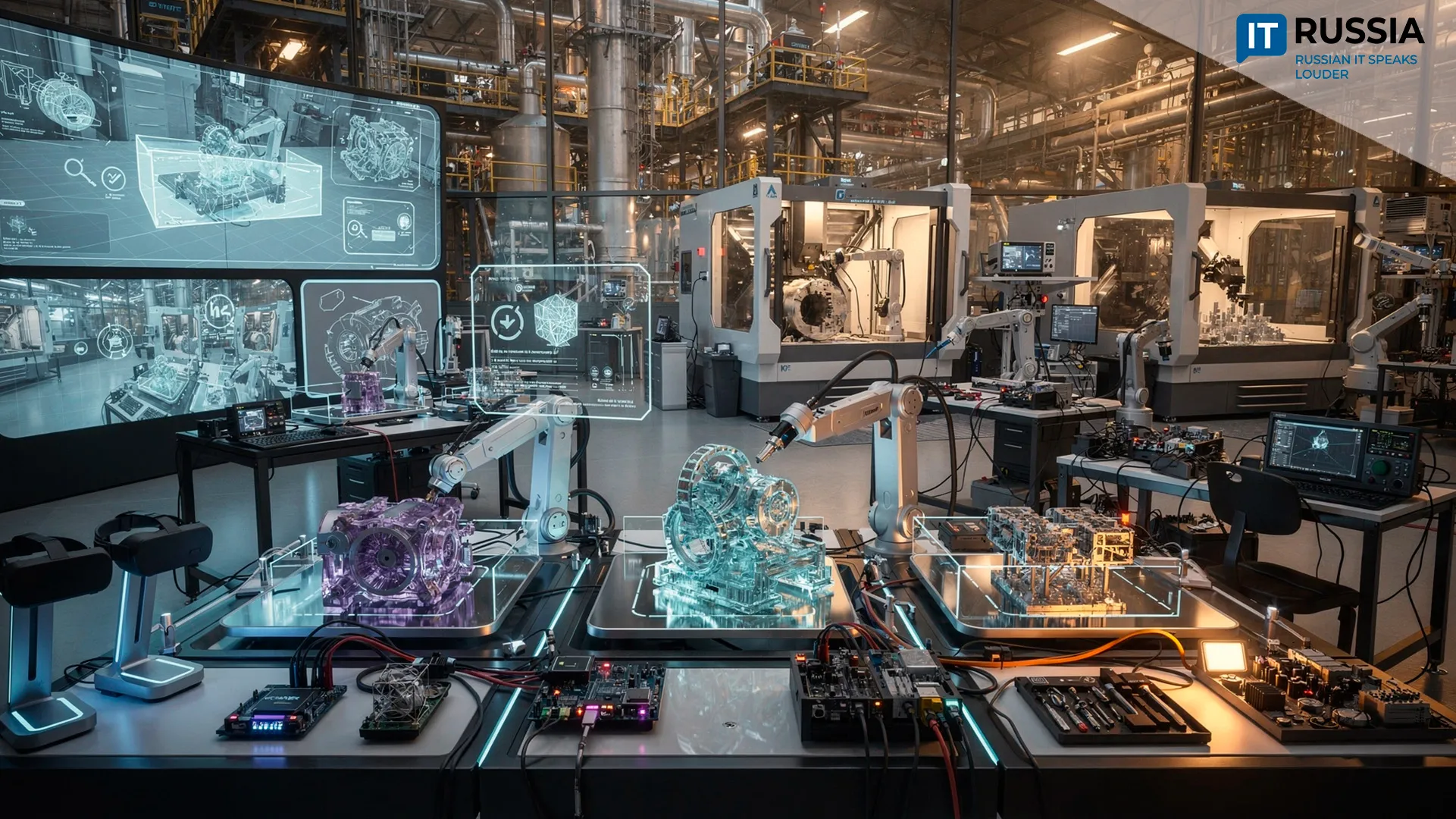
Russia’s industrial sector is moving toward earlier, more proactive workforce development. The launch of a pre-engineering testbed at School No. 12 “Sfera” in Solikamsk, timed to the 90th anniversary of the Solikamsk Magnesium Plant, reflects a broader global shift: large corporations are entering secondary education to build long-term talent pipelines. SMZ CEO Ruslan Dimukhamedov says the initiative supports the development of key segments of Russia’s magnesium and rare metals industry.
Falling in Love With Science
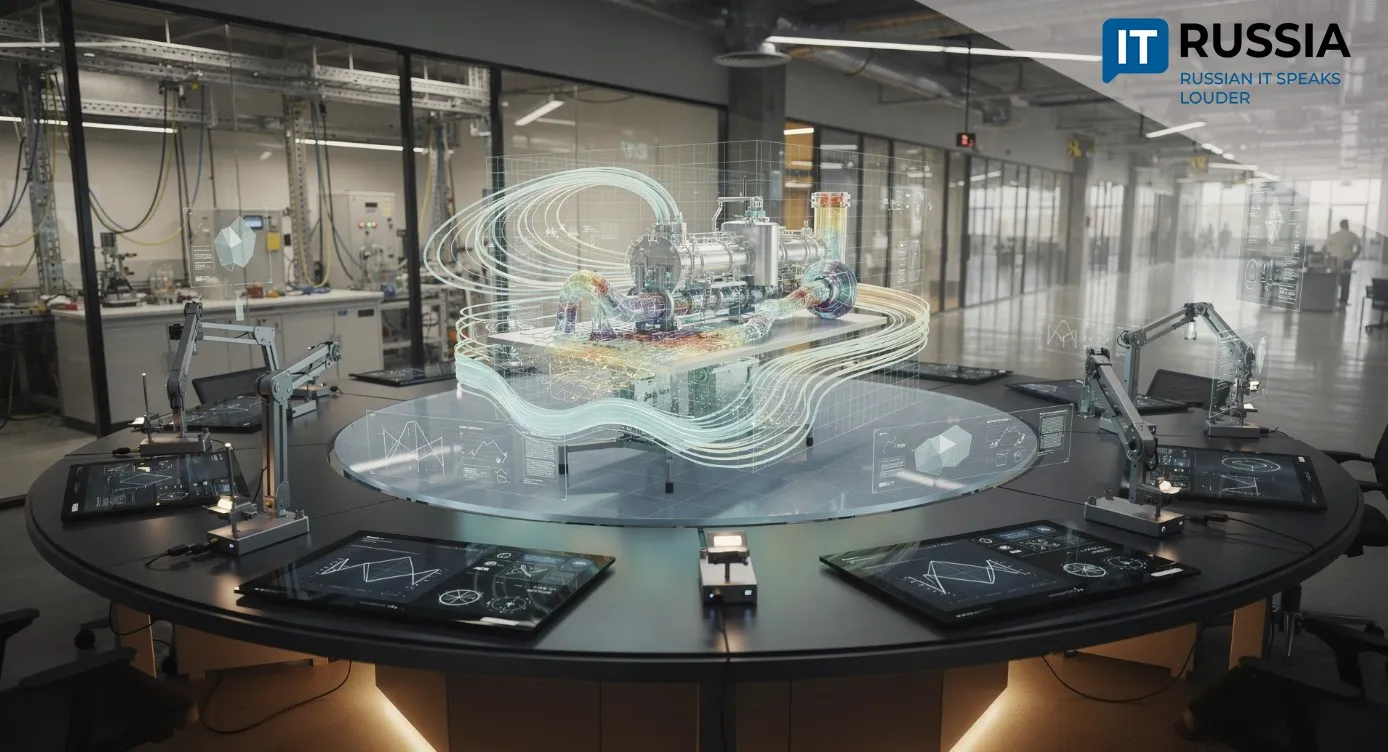
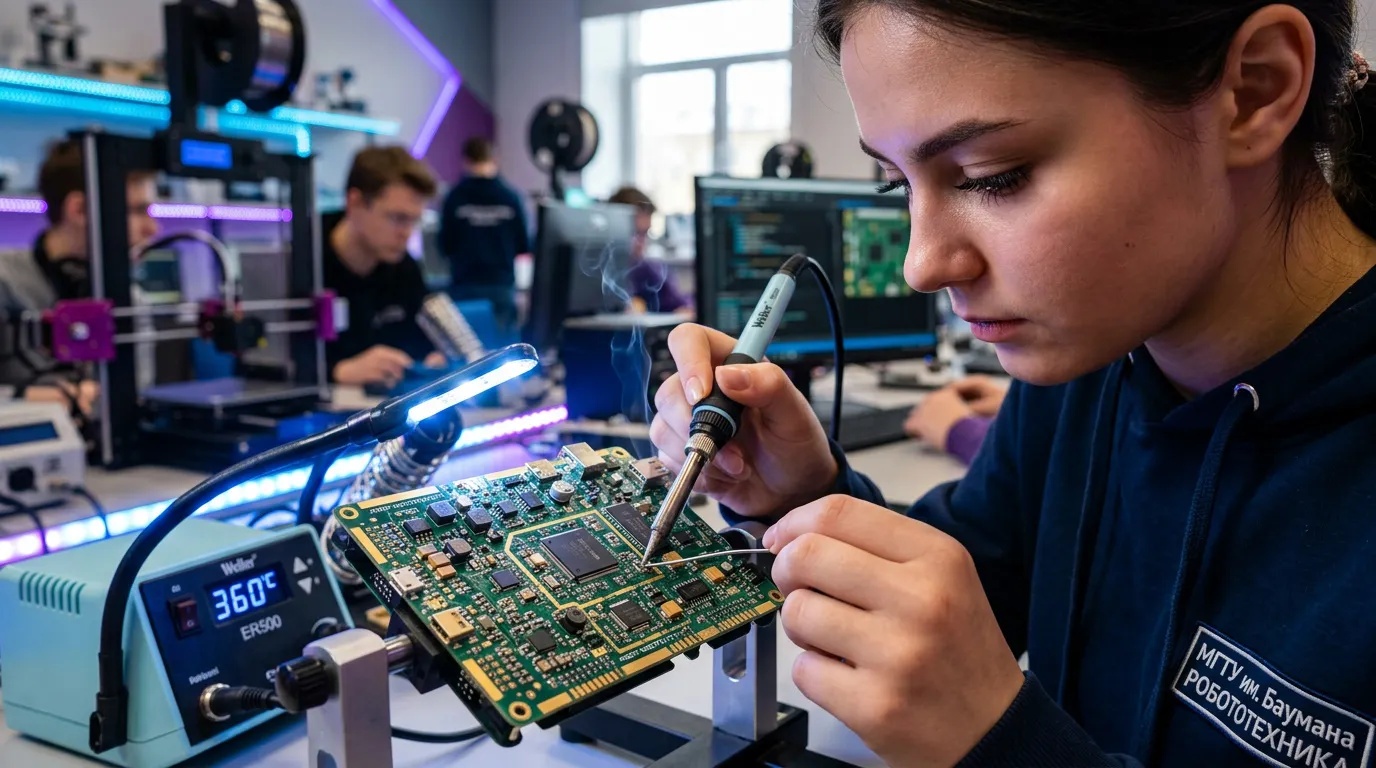
The Solikamsk school testbed functions as a fully equipped professional lab. It is designed not only for upper-grade students, but also for younger learners who are still deciding between humanities and technical tracks. Viktoriya Loginova, head of corporate social responsibility and volunteering projects at Rosatom Nedra, says initiatives like this help students connect with science and engage in hands-on research. For students in grades 7 to 11, it is not enough to read about engineering careers in textbooks. They need direct experience: assembling microcontroller circuits, working in 3D modeling environments, and experimenting with robotics.
The testbed builds on earlier steps taken in September 2025, when the same school opened its first specialized class aligned with SMZ’s workforce needs. Students now have both theoretical instruction and a dedicated space to apply what they learn. It illustrates how a major industrial company creates a talent pipeline by linking school education, specialized classes, and production.
Training Talent In-House
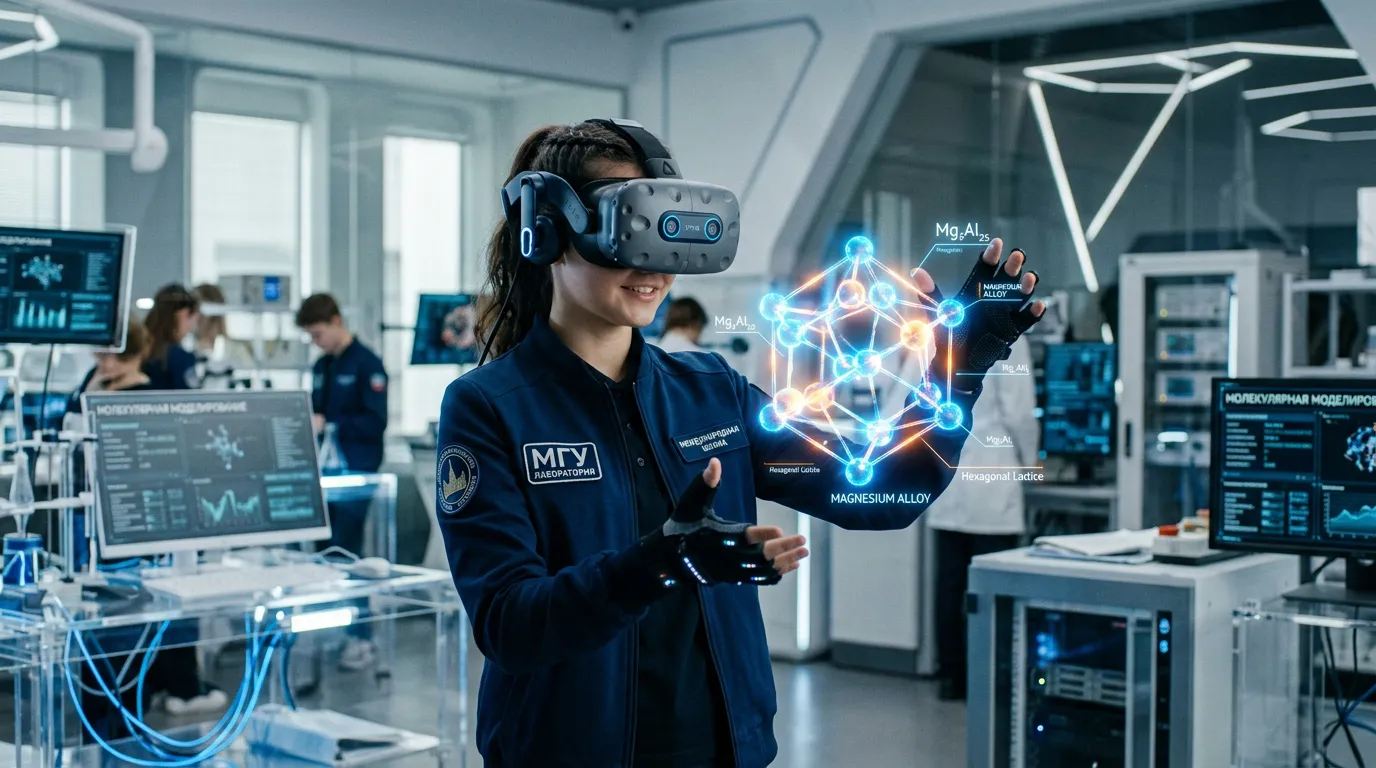
The Solikamsk Magnesium Plant is one of Russia’s largest producers of rare earth metals, which are critical for electronics, defense, and green technologies. By the end of 2026, the plant plans to launch a new separation facility with a capacity of 2,500 tons per year. These new production lines require not only technicians but also engineers skilled in 3D modeling, automation programming, and digital design. Students at the testbed are already learning these skills, working with VR headsets, smart construction kits, and 3D printing equipment.
Inside the “Sfera” Ecosystem
When the first school-based “Kvantorium” opened in the Kirov Region in 2021, it was seen as an experiment. By the end of 2024, the federal network had expanded significantly, reaching 464 centers, including 329 located directly in schools.
At the same time, Rosatom has been building its own vertical model. What began as isolated “atom classes” has grown into the Inzhenernye klassy Rosatoma (Rosatom Engineering Classes program), which by 2025 covered 72 schools in 36 cities and included 122 classes. That same year, the program graduated its first cohort, showing that the model works: students with advanced training in physics and math are prepared for university-level programs. In September 2025, School No. 12 “Sfera” launched a specialized class tailored to SMZ’s needs. In December, a similar model appeared in Revda, where Rosatom opened a robotics class to prepare future employees for the Lovozersky GOK mining and processing plant.
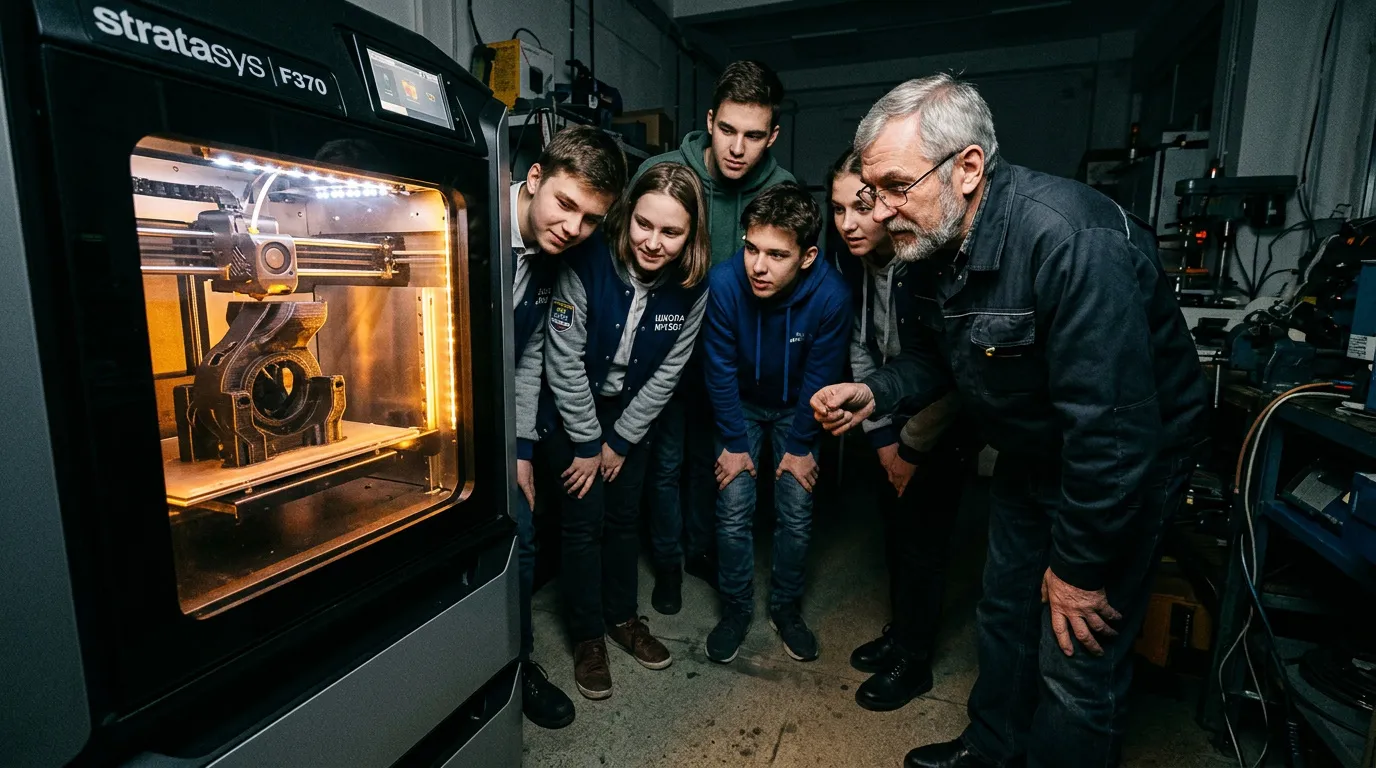
The launch of the pre-engineering testbed at “Sfera” marks a shift from theory to practice. While specialized classes provide a foundation, the lab environment with VR and 3D modeling allows students to immerse themselves in real-world technology. Most importantly, it gives them a chance to experience engineering firsthand.
How Russia’s Engineering Education Model Is Evolving
Developments in 2026 show that both the federal government and major companies plan to expand this approach. In the coming years, the network of corporate engineering classes is likely to grow, curricula will deepen from robotics into industrial software and automation, and connections with vocational and higher education will strengthen. For example, in 2025, Novovoronezh Nuclear Power Plant assigned a senior executive to lead the EnergoTekh engineering school at Voronezh State Technical University. Similar pathways are expected to emerge in Solikamsk, linking school education with both vocational training and university programs.
The curriculum itself is also expected to evolve. If students today are learning 3D modeling, future programs may include industrial automation, digital twins, and materials science, reflecting SMZ’s plans to expand production.
Russia’s approach is already attracting international interest. The Obninsk Tech winter school, held in February 2026, brought together students from 47 countries. The skills taught in Solikamsk, including dosimetry, electronics, and industrial 3D modeling, are part of what is increasingly referred to as the “Russian engineering school,” which is gaining global attention.