


How AI Is Helping the Public Purse
Russia’s Ministry of Finance is expanding its use of artificial intelligence to optimize one of the government’s most critical mechanisms — the national budget process

AI Enters the Ministry of Finance
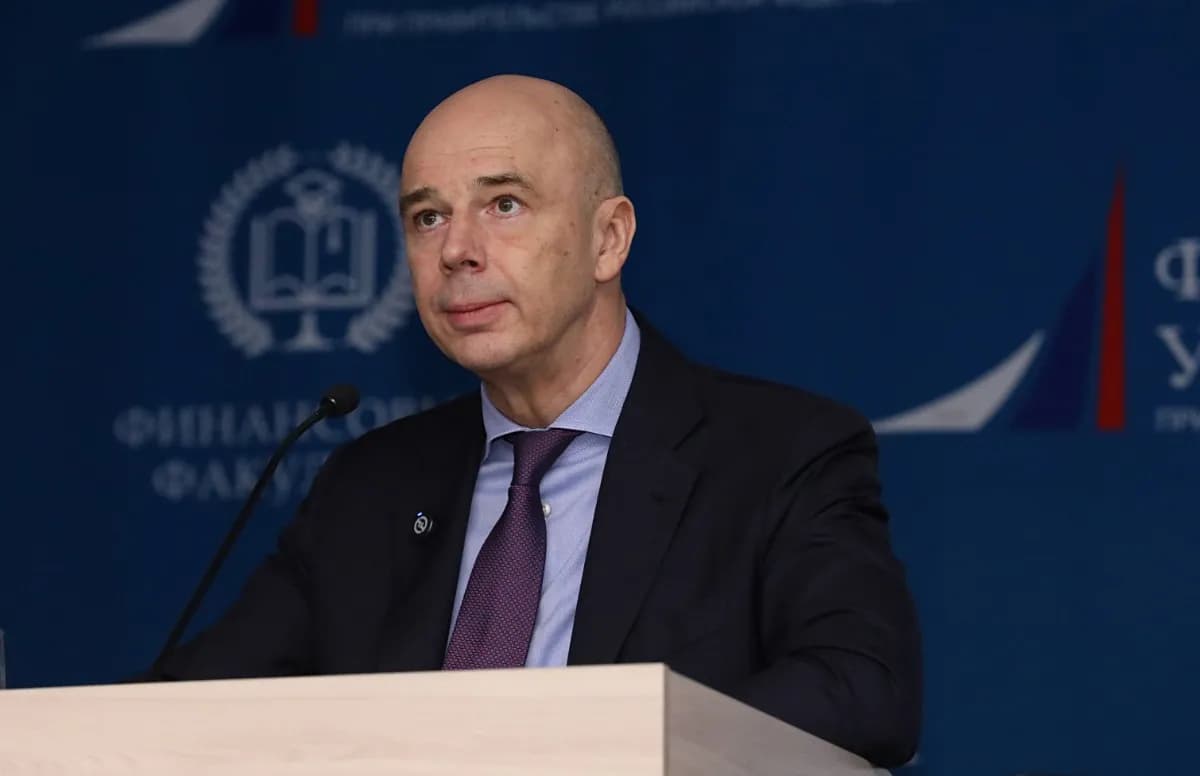
At the X International Forum of the Financial University, “Russia: The Image of the Future,” Finance Minister Anton Siluanov outlined the growing role of AI in the country’s financial system. “I’m confident this is the future — that’s where we’re heading. For now, we use it as a solid first‑category economist,” he said.
Currently, AI is helping calculate alternative revenue scenarios for the budget and verify funding requests submitted by federal agencies.

Irina Okladnikova, First Deputy Minister of Finance, noted the shift inside the ministry: “At first, we were skeptical. We handle classified information, restricted-access documents, various limitations — where is AI’s place in all this? But the Minister set the tone: the Ministry of Finance must be a driver of modern technologies, not just an observer.”
The accuracy and speed of budget decisions directly affect economic stability, the quality of public services, and the state’s ability to respond to national challenges. Integrating AI into these processes reduces time costs, minimizes errors, and strengthens the rationale behind financial allocations.

Cutting Errors and Saving Time
In 2024, the Ministry of Finance launched an AI pilot together with Sberbank. The system was trained to analyze spending codes in funding applications submitted through the Electronic Budget platform.
During peak periods, the ministry receives around 400 requests per day — previously requiring significant manual verification.
Today, AI prompts allow agencies to fix errors before filing, sharply reducing the workload. Even disputed cases are now reviewed within one day instead of three. The system’s accuracy is rated at 84%.

The Evolution of Russia’s Digital Agenda
The Ministry’s AI initiative continues a broader national digital transformation strategy. From 2019 to 2024, Russia implemented the “Digital Economy” national project, aimed at building infrastructure, ensuring cybersecurity, advancing digital public administration, and expanding the use of AI.
Beginning in 2025, its successor — the “Data Economy and Digital Transformation” project — will push these goals further. Digital governance in Russia is becoming a unified ecosystem where data, algorithms, and public institutions operate as a consolidated whole.

Risks, Challenges, and New Opportunities
Large‑scale adoption of AI in budgeting comes with challenges. AI effectiveness depends on high‑quality data, while existing government infrastructure remains fragmented. The country must unify IT systems, standardize APIs, regulate data access, and set rules for sensitive information.
These challenges also create opportunities: domestic AI developers and system integrators may gain significant government contracts.
By 2030, experts expect AI to become a standard part of every civil servant’s digital workspace — with budgets formed through dynamic forecasting and scenario modeling.


