


Matryoshka and Kandinsky Open New Horizons for Children with Visual Impairments
An exhibition of artworks created with the Kandinsky generative AI has opened at the Matryoshka School of Creative Industries in Voronezh. The images are based on the memories and dreams of children with visual impairments, translated into visual form with the help of neural networks.

When AI Turns Memories Into Images
Students at Voronezh Boarding School No. 3 were invited to describe a dream or share a vivid personal memory. Using these narratives, design students from the Matryoshka School of Creative Industries created images with the Kandinsky neural network, effectively turning subjective, non-visual experiences into visual artworks.
To help visitors grasp the emotional depth behind each piece, the exhibition is accompanied by an audio guide featuring the children’s own voices. The project is curated by the Voronezh Region Ministry of Culture, with Sber acting as a partner.
Tatiana Stolyarova, director of Boarding School No. 3 for students with disabilities, emphasized the project’s importance for her pupils. For the first time, their inner worlds were transformed into artworks accessible to others. Beyond its artistic dimension, the initiative carries social weight - helping dismantle invisible barriers and giving children confidence that their thoughts and feelings matter to the wider world.

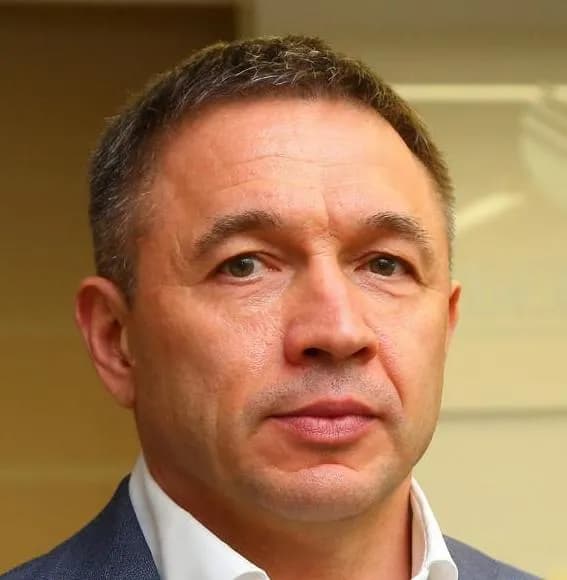
Alexander Abramkin, chairman of Sberbank’s Central Black Earth Regional Bank, noted that students from the creative industries school managed to create a space for genuine dialogue between viewers and the children whose memories and dreams were expressed in color.
AI as a Tool for Art Therapy
The project draws attention to people with disabilities through a combination of art and emerging technologies. The public response suggests it is more than a regional experiment - its positive outcomes make replication in other Russian cities likely.

Experts are already highlighting the initiative’s social impact. Creative uses of AI in education and in work with vulnerable groups show enormous potential. Generative neural networks, including those developed by Sber, can be applied in art therapy and inclusive cultural practices. Such technologies are relevant not only for educational and cultural programs in Russia, but also for international artistic and research collaborations focused on visualizing the subjective experiences of people with disabilities.

On Equal Terms With Others
Globally, there is already experience in using generative technologies to expand creative opportunities for people with visual impairments. For example, the AI-powered editor AltCanvas adapts graphic tools through machine learning, enabling users with low vision to create illustrations and tactile graphics by combining image generation with audio prompts.
AI is also being used to produce tactile art models, sound-based visualizations, and interactive exhibitions designed for people with disabilities, including those with vision loss.
These examples demonstrate that new technologies help people with impairments express themselves through art, participate in exhibitions, and create and experience works on equal terms with others. Positive feedback from users reinforces the case for integrating technology into socio-cultural practices.
The Voronezh project stands as a symbolic event at the intersection of technology, art, and social support, highlighting AI’s evolving role. Here, artificial intelligence is not merely a tool for generating images, but a mechanism for social inclusion and adaptation.

Scaling such initiatives to other regions and educational institutions is a logical next step, along with expanding the number of AI-driven cultural projects focused on inclusion. Russia already has the technological foundation to do this - and the potential to push it further.


