MTS Deploys Russian-Made Base Stations Across 15 Districts of the Irkutsk Region
The operator is installing telecom equipment produced by IRTEYA.
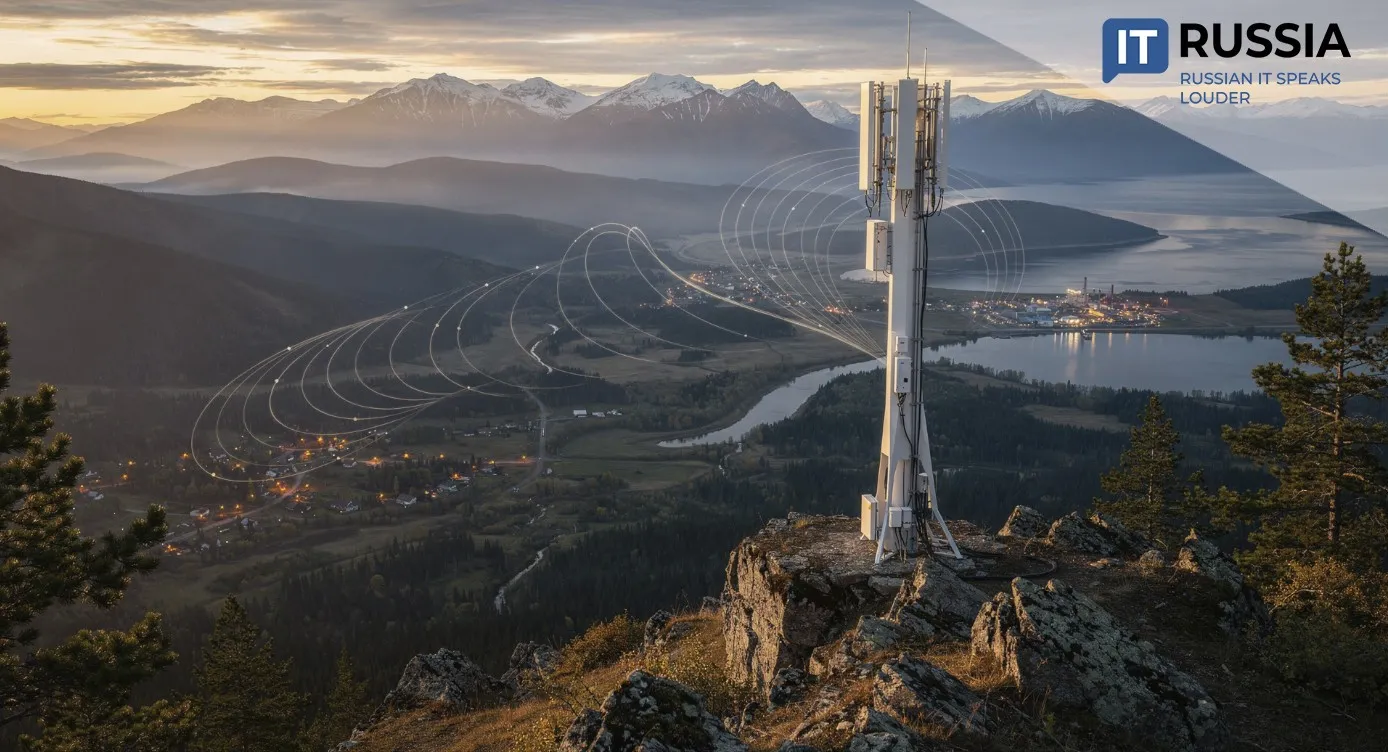
Russian telecom operators continue deploying domestically made equipment across their networks. The shift is strengthening the country’s telecom sector and reducing its exposure to sanctions pressure from Western countries.
Another Milestone Reached
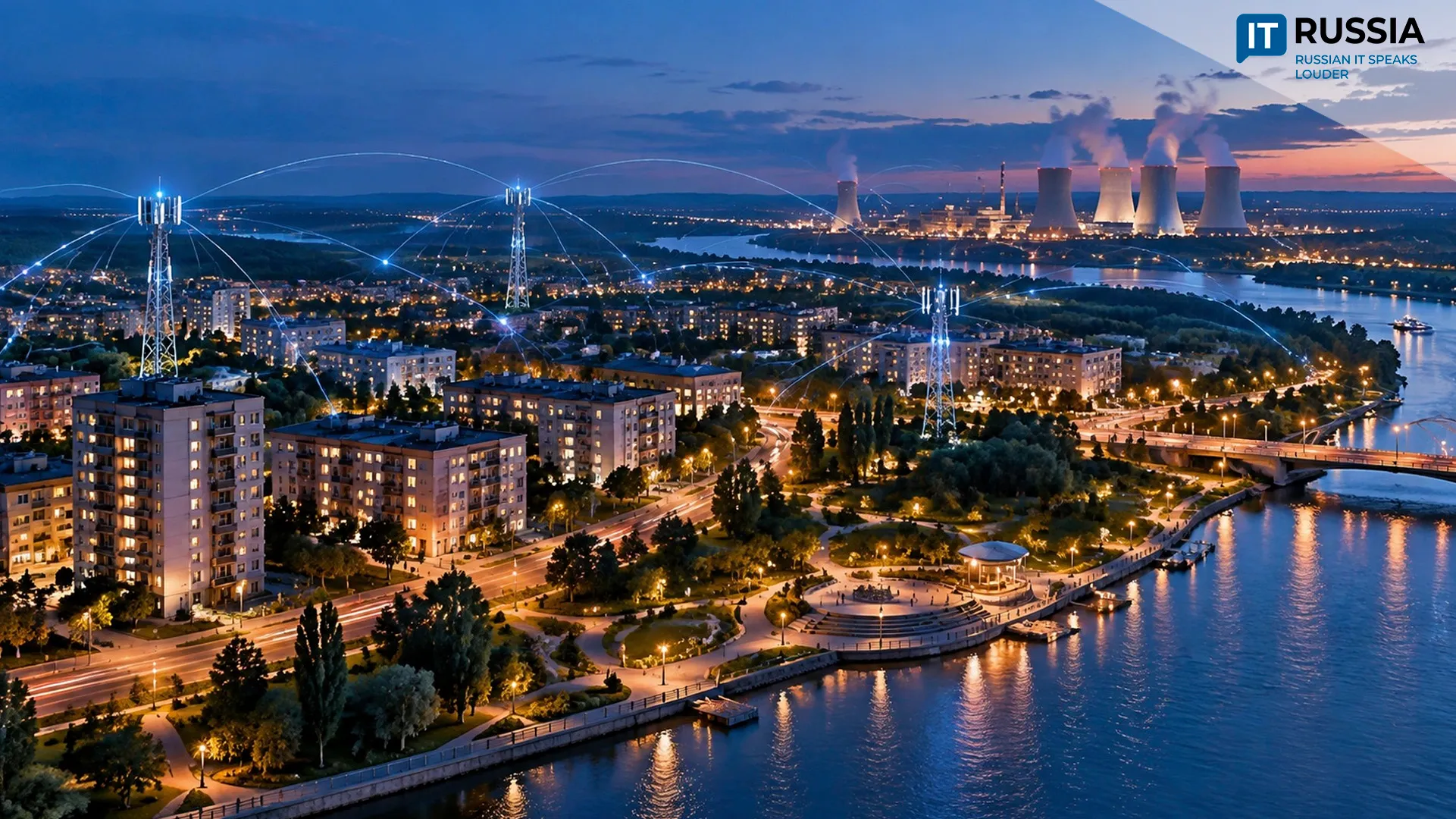
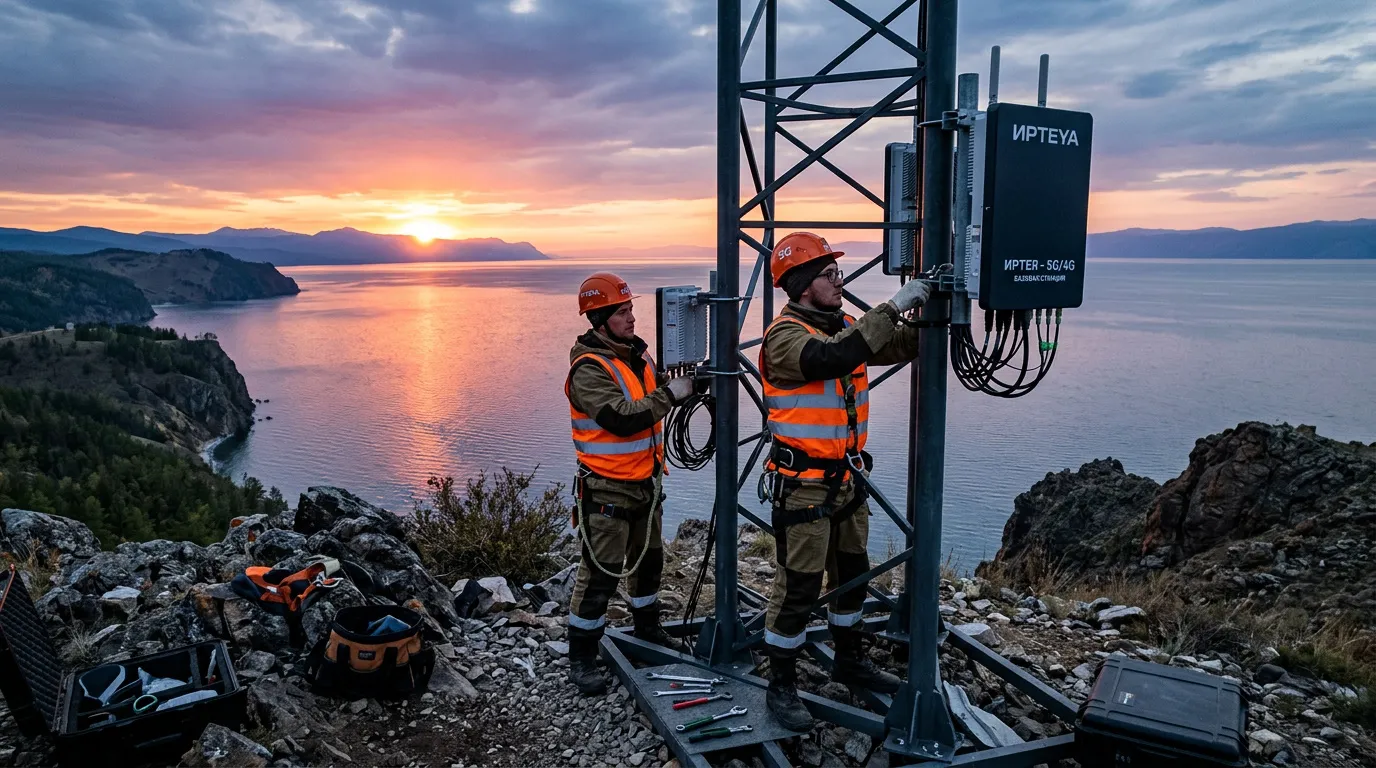
MTS, in particular, is deploying base stations manufactured by IRTEYA, a telecom equipment producer owned by the operator itself. The company recently announced completion of the second phase of a project to launch the equipment in the Irkutsk region. Since the end of last year, 29 new LTE base stations have been brought online, improving network quality across 15 districts of the Angara region.
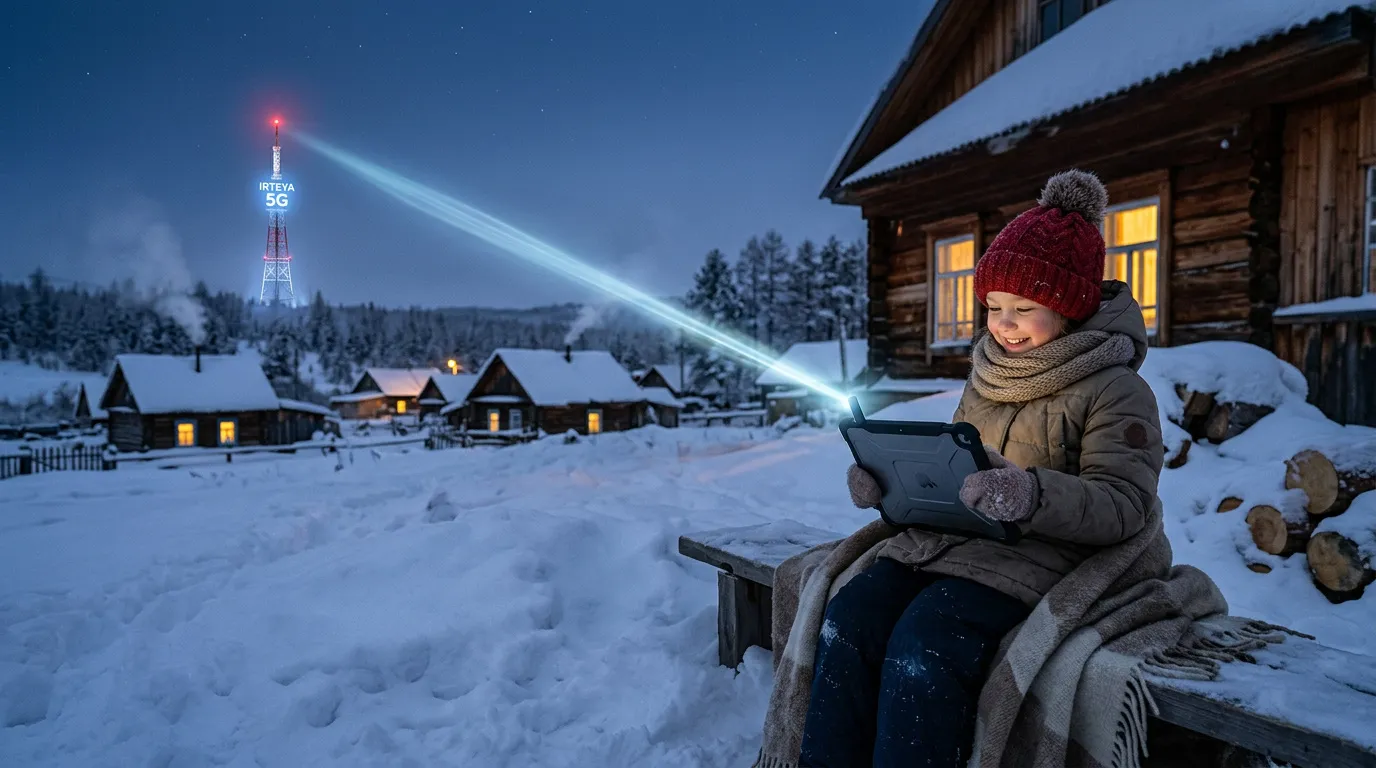
“The largest number of IRTEYA base stations has been launched in the Bratsk, Nizhneudinsk and Nizhneilimsk districts. In addition, MTS has installed Russian-made telecom equipment at key locations across the Angara region, including the production site of the Sayansky Broiler agricultural holding in Sayansk and tourist destinations such as the village of Kurkut on the Little Sea, the settlement of Olzony in the Bayandayevsky district, Slyudyanka, the Orekhov Kamen ski resort in Bratsk and other locations,” the MTS press service said.
Telecom engineers in the Irkutsk region were among the first in Russia to begin installing IRTEYA equipment on commercial networks. Deployment started back in 2024. The very first Russian-made base station went live in the settlement of Tarma in the Bratsk district, home to around 900 residents. Later, import-substituted telecom equipment was deployed in small communities across the Cheremkhovo, Bratsk and Usolye districts.
Built for Heavy Traffic Loads
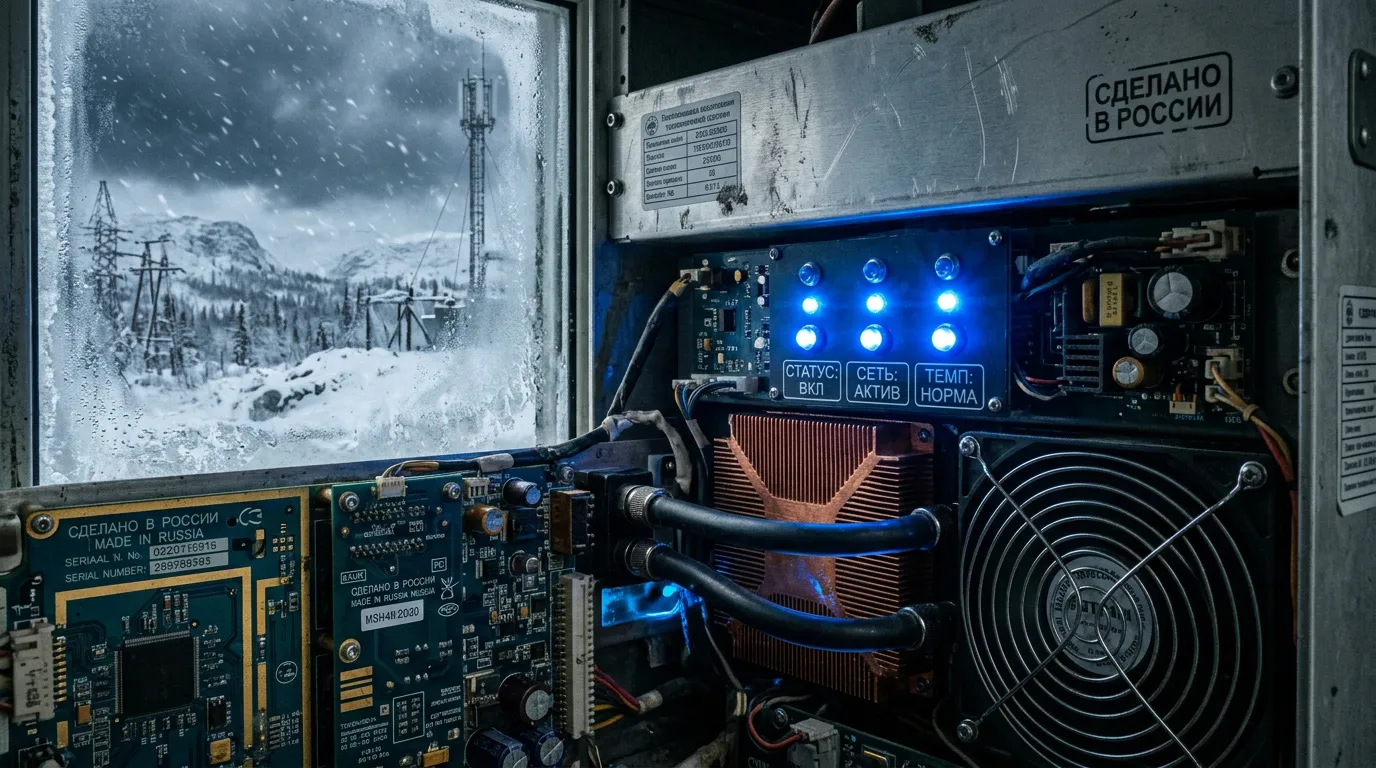
IRTEYA base stations produced in 2026 are based on an upgraded radio module platform. They are designed to handle heavy urban traffic loads, operate across most LTE frequency bands and support GSM and VoLTE technologies. The equipment also integrates with modern network management systems, while the infrastructure can be shared by multiple operators. Perhaps most importantly, all hardware is manufactured entirely within Russia. In December 2024, Russia’s Ministry of Industry and Trade officially granted IRTEYA base stations the status of telecommunications equipment of Russian origin.
The company describes itself as the first Russian base station manufacturer to move from laboratory testing to large-scale serial production within a short period of time. More than 1,000 IRTEYA base stations are already operating across Russia. By the end of this year, the company plans to increase that number to 2,600 stations spanning 76 regions.
Two Years of Large-Scale Testing
“Over the past two years, MTS and IRTEYA have gone through an important stage of testing and refining the base stations. We tested their operation with different subscriber devices, compatibility with network elements and integration into existing radio infrastructure supplied by other vendors. Today, we can say the equipment has confirmed its readiness for commercial deployment,” said Viktor Belov, Vice President for Telecom Infrastructure at MTS.
Importantly, IRTEYA is supplying equipment not only to MTS. At the end of 2025, the company signed a contract to manufacture 2,000 base stations for operator Beeline, which does not have its own in-house telecom equipment subsidiary. IRTEYA’s total forward contract portfolio now includes deliveries of 20,000 stations. That points to a high level of market confidence in the manufacturer and strong utilization of its production capacity.
Russian Base Stations Gain Momentum
Mobile base stations are now being produced in Russia by several major manufacturers. Yadro, for example, announced the launch of large-scale serial production in late 2025. Its manufacturing facilities are located in Dubna near Moscow, while investment in the project totaled around 20 billion rubles (about $255 million). Base stations are also being produced by Bulat, a subsidiary of Rostelecom, and Spektr, owned by Rostekh.
There is little doubt that deployment of Russian-made equipment across telecom operator networks will continue accelerating in the near future. Manufacturers are scaling production to meet market demand while strengthening the country’s technological sovereignty.