


Pushkin Writes Code: Russia Trains a New Generation of Specialists Blending AI and the Humanities
A new academic track in Tyumen aims to merge classical humanities with hands‑on AI skills, preparing hybrid professionals for tomorrow’s digital landscape

Where Humanities Meet AI
At the Tyumen Institute of Social and Humanitarian Sciences, the first cohort of students has begun studying a new program titled “AI in the Humanities.” The launch follows Russia’s official recognition of a new profession — a Specialist in the Humanities (code 45.03.04). These students are neither traditional programmers nor classic humanities majors. Their strength lies in combining analytical and contextual thinking with practical AI skills.
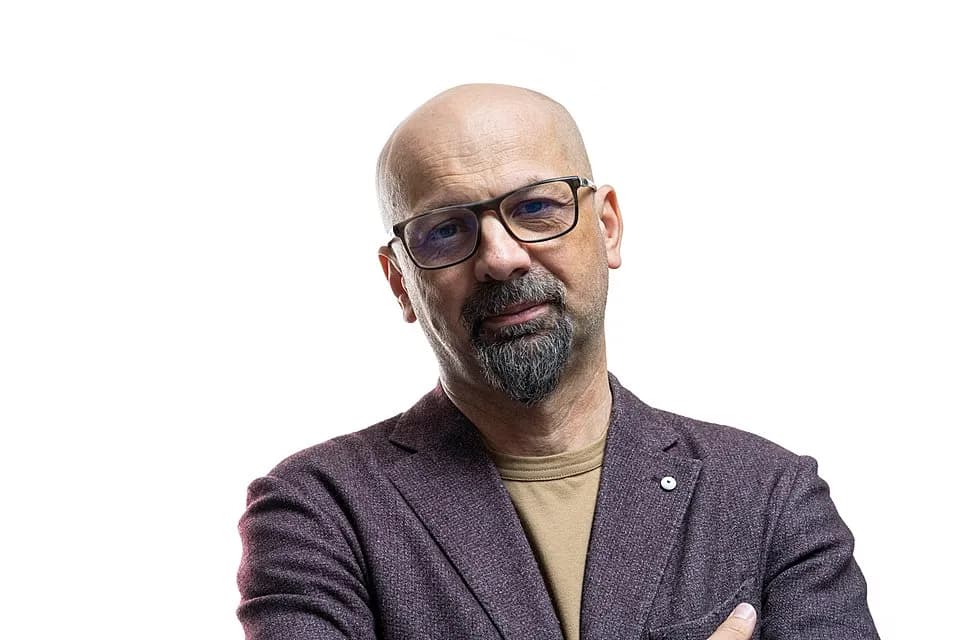
Igor Chubarov, Doctor of Philosophy and member of the "Logos" editorial board, notes that global demand for “lyricists” — humanities‑trained professionals — is steadily rising. “Humanities knowledge builds essential soft skills that any sphere needs,” he says. “Every domain is linked to people, cultures, and values.”

The new specialty is more than an additional subject; it reflects the global trend toward tech‑humanities integration, breaking the persistent divide between ‘physicists’ and ‘lyricists.’
Education Across Russia’s Map
Tyumen is among the first to respond to this demand, but similar programs are already running in 16 universities across Russia. While Moscow remains a traditional leader, the geographical spread signals a broader systemic shift: regional universities are increasingly offering programs aligned with the needs of future digital economies.
Graduates of such hybrid programs will find opportunities in global IT companies, media, education, and digital‑content industries. AI can already support tasks like restoring ancient manuscripts, analyzing trends in contemporary art, or generating adaptive educational materials.

Hybrid Intelligence in Practice
The growth of large language models such as GigaChat became a turning point for the field. Suddenly, machines could not only read Russian text but generate it — creating immediate demand for specialists who can train and adapt algorithms for humanities‑focused tasks, from writing articles to deep literary analysis.
Researchers already rely on systems that extract knowledge from massive scientific corpora. These tools have become essential for historians, sociologists, and philologists working with big data, proving that automated analysis is now part of the humanities.
Meanwhile, voice assistants and 3D avatars blur the line between code and natural interaction. These multimodal interfaces enable interactive courses and social services where communication with AI feels nearly human.

Around the world, digital humanities are expanding — through NLP experiments, digital archives, and AI‑supported content creation. These innovations laid the groundwork for formal education programs that merge technical and human‑centered knowledge.
Connecting Two Worlds
The emergence of this profession signals that the future belongs to those who can link the worlds of technology and human culture. The main risk lies in superficial training — producing graduates who lack both strong humanities foundations and real technical proficiency. But expansion of the specialty across Russia suggests growing institutional commitment.
In the long term, Russia’s hybrid specialists may join international projects, particularly within Russian‑language digital ecosystems, helping strengthen the competitiveness of domestic AI technologies.
Graduates equipped with both critical thinking and AI fluency will be well positioned to drive innovation. Technology will not replace writers or historians — but it will give them powerful tools for new forms of creativity and discovery.


