


Russia develops a neural network to stabilize quantum communication channels
Russian researchers have developed a neural network that stabilizes quantum communication channels by rapidly correcting errors and detecting potential intrusion attempts

Telecom and Connectivity
Russian specialists have introduced a neural network model designed to stabilize quantum communication channels by detecting and correcting errors in real time. The system also helps identify signs of unauthorized access — a crucial capability for the rapidly growing quantum-security industry.
Quantum communication promises ultra‑secure data transmission, relying on photons and cryptographic keys that change whenever an unauthorized party attempts to intercept the signal. While quantum networks are considered unbreakable at the current level of technology, they remain extremely sensitive to noise and technical imperfections.

Vladimir Popov, a faculty member at Novgorod State University’s Polytechnic College, explained: “Despite the enormous potential of this technology, errors still occur due to equipment overheating, properties of optical fiber, and detector noise. These errors can alter a unique cryptographic key even without external interference.”
A Neural Network Designed for Quantum Channels
To address this challenge, Popov and his colleague Ekaterina Serykh developed a neural‑network system that analyzes both the transmitting and receiving equipment and automatically selects optimal correction parameters.

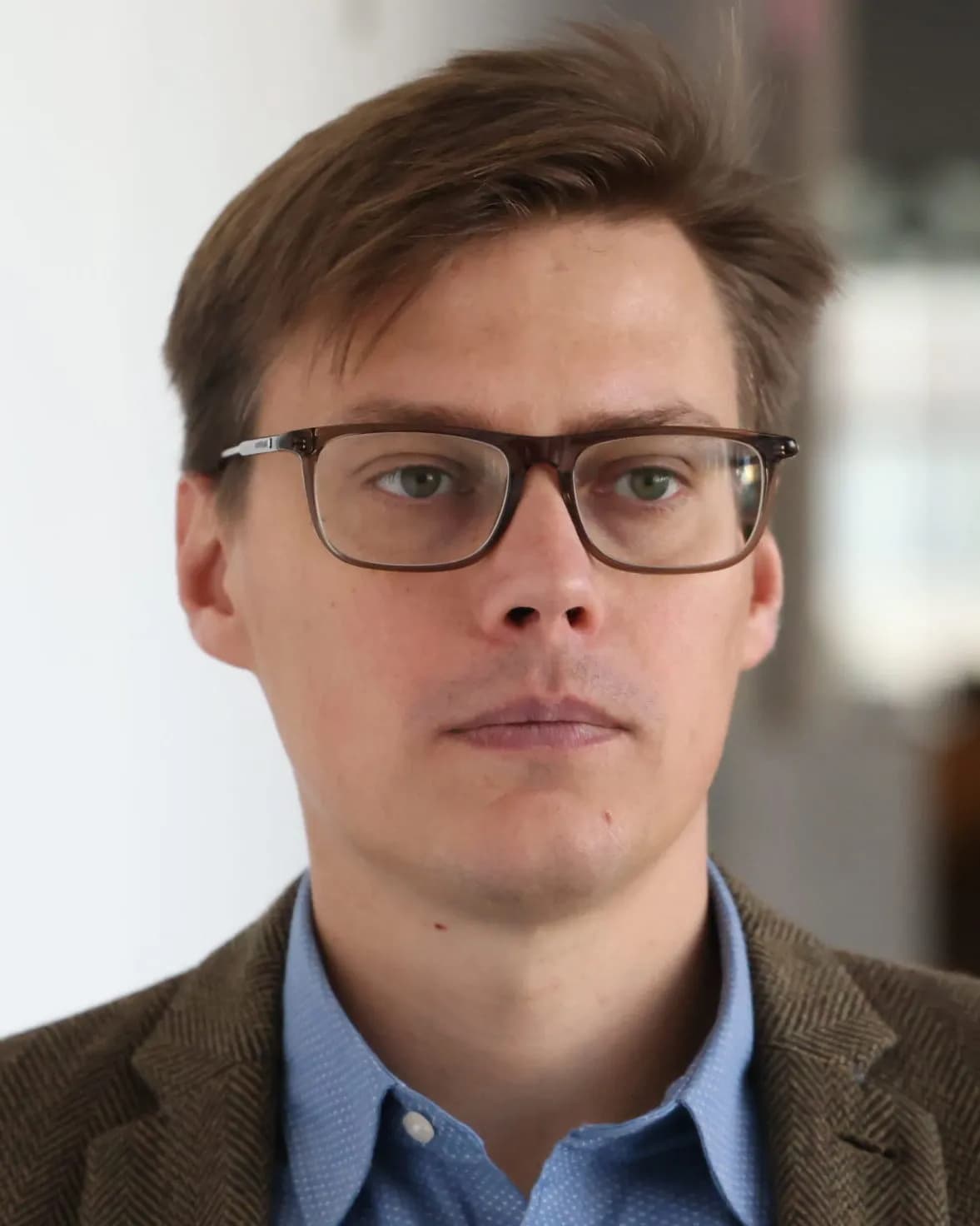
“Quantum networks operate with two channels — an open channel and a quantum channel,” Popov said. “The quantum channel carries the secret information, but its operation requires the open one because quantum signals cannot be used to compare or negotiate parameters. The error level in the quantum channel constantly fluctuates. To correct errors reliably — without revealing service information via the open channel — you must fine‑tune code parameters for every frame or packet. Our neural network determines these parameters automatically, reducing decoder load and increasing secret‑key length.”
A More Reliable and Secure System
The approach strengthens quantum‑key generation by creating longer and more stable cryptographic keys while distinguishing between natural channel noise and malicious interference. This is critical for government agencies, financial institutions, large corporations, and scientific centers — the primary users of quantum‑secure communication.

As quantum‑communication costs decrease, the technology could eventually enter the consumer market. The new system arrives at a pivotal moment: Russia has significantly accelerated quantum‑technology development in recent years.
A Period of Rapid Growth
In 2022 alone, Russia’s quantum‑communications market grew tenfold despite the departure of foreign vendors. The following year, MTU engineers introduced a wireless quantum‑communication system developed entirely from domestic components.

In 2025, Russian authorities approved a strategic roadmap for quantum‑communication development through 2030, including satellite‑based quantum links.
While the neural‑network model has so far been tested only in laboratory settings, successful validation could give Russia a new commercial product strengthening its position as a reliable provider of quantum‑secure services. CIS and BRICS partners may also show interest.


