


Russia Develops Portable Bioprinter for In‑Surgery Skin Restoration
A new portable bioprinter developed at Sechenov University aims to transform wound care and reconstructive surgery by enabling doctors to generate living skin tissue directly in the operating room

From Laboratory to Operating Room
The key advantage of the Biogan bioprinter over traditional stationary systems is its mobility and clinical orientation. While conventional bioprinters require controlled laboratory environments, Biogan is engineered for direct use during surgery. This shortens the time between harvesting a patient’s cells and applying them to the wound—an essential factor for successful healing.
The technology relies on combined bioinks made from a gelatin-based hydrogel, spheroids of the patient’s own cells, and extracellular vesicles. This formulation delivers not only a physical closure of the wound surface but also active biological interaction with surrounding tissues. Developers report pronounced anti‑inflammatory and regenerative effects that accelerate tissue recovery.

Clinical Value and Testing
Biogan’s most promising applications include treatment of complex wounds that remain a challenge for conventional medicine—diabetic ulcers, chronic non‑healing wounds, and burn injuries that often become infected and cause long‑term suffering. The new method may help patients avoid repeated skin grafts, reduce complications, and significantly shorten rehabilitation time.
The technology is currently undergoing preclinical trials on minipigs to confirm safety and effectiveness. Successful completion will pave the way for human clinical studies.

A Systemic Approach to Medical Technology Development
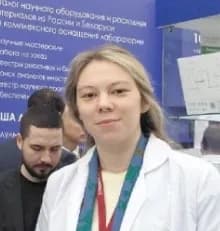
Biogan was not the only innovation presented at the event. A tissue‑engineering bioreactor capable of growing functional analogues of human tissues—such as vessels, ligaments, and skin—was also demonstrated. Both technologies are part of Sechenov University’s strategic program called “Cell as a Drug.”
The initiative aims to transform cell therapy from a niche, high‑cost procedure into a standardized and accessible medical technology. This aligns with global trends in personalized medicine while offering practical solutions to everyday clinical challenges.

Scientific and Technological Impact
The development of Biogan and related systems highlights several important trends. First, Russian research teams are demonstrating the ability to create integrated solutions at the intersection of biology, medicine, materials science, and engineering. Second, these efforts are focused on practical implementation in clinical care.
Progress in this field may strengthen Russia’s position in biomedical technology—not only replacing imports but also enabling competitive products for the international market. This is especially relevant for regions with limited access to donor materials or high rates of traumatic injuries.

Future Prospects
If clinical trials confirm its effectiveness, Biogan could become a standard tool in burn centers, wound‑care units, and clinics specializing in diabetic complications. Medium‑term prospects include development of an entire class of medical devices and supplies based on this technology.
Further research may explore applications in regenerating other soft tissues. Another promising direction involves organ‑on‑chip microphysiological systems that simulate human tissues for drug testing and disease modeling.
The innovation showcased at the Young Scientists Congress suggests that Russian science is offering its own solutions to urgent global medical challenges. Future success will depend on regulatory approval, manufacturing capabilities, and investment, but the project already represents a significant leap in medical technology development.


