Russian Scientists Train AI to Detect Emotions From Brain Signals
The system analyzes electroencephalogram data to assess a person’s psychophysiological state in real time.
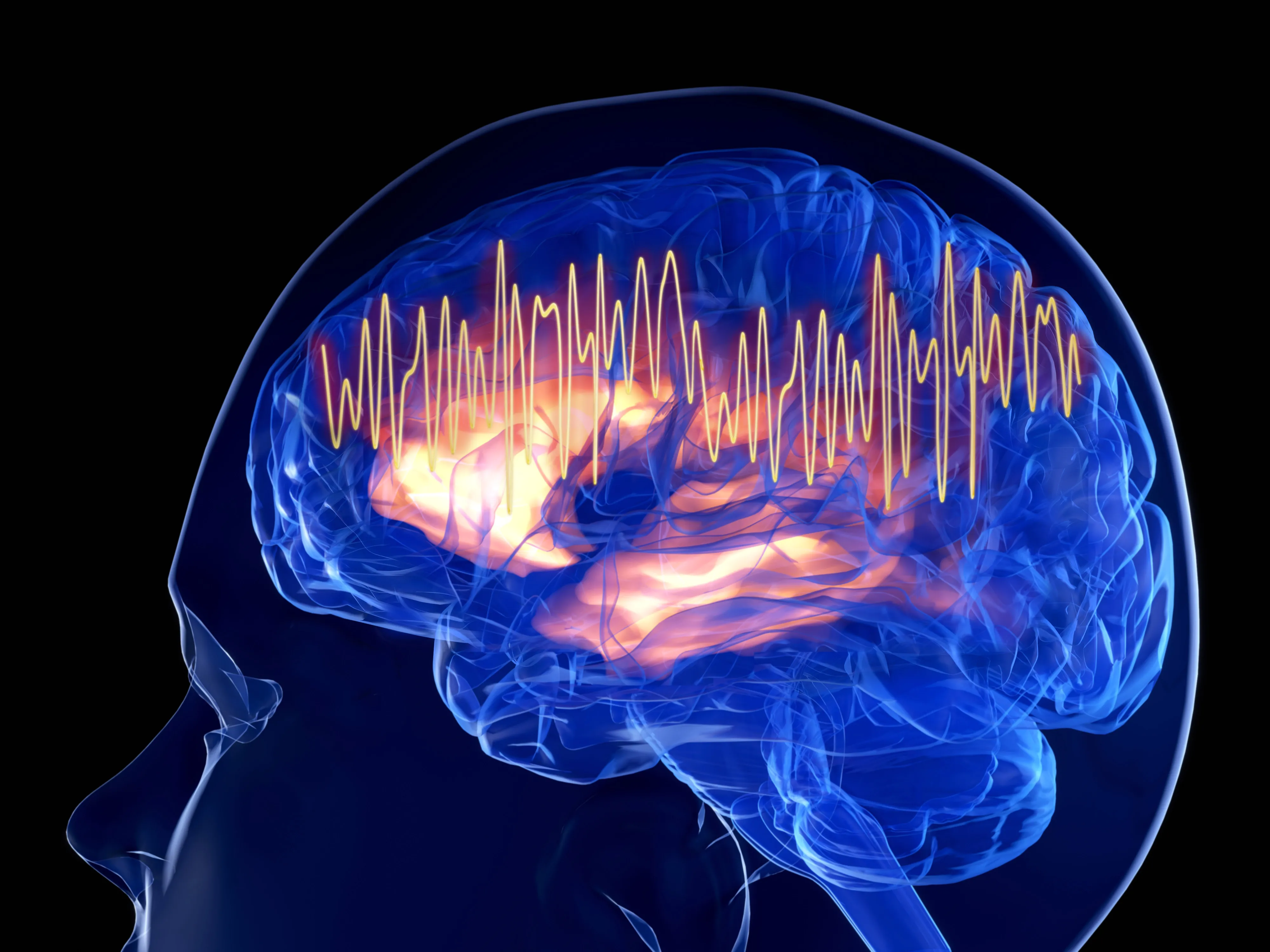
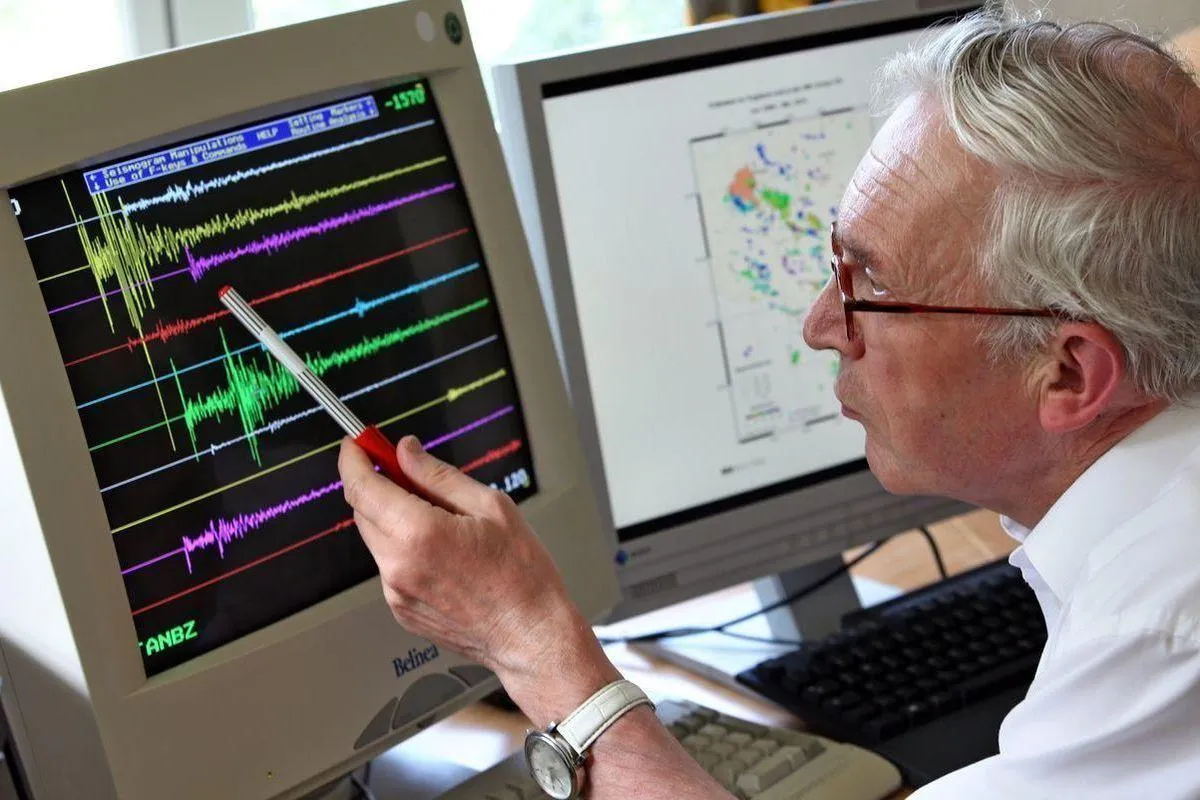
Russian researchers have used neural networks to analyze a person’s emotional state based on electroencephalogram data, according to the Sankt-Peterburgskiy Federalnyy Issledovatelskiy Tsentr RAN (St. Petersburg Federal Research Center of the Russian Academy of Sciences), which shared the findings with TASS. The AI system can identify negative, positive, and neutral emotions with high accuracy in real time. The technology could be used in devices designed to support mental health. It may also find applications beyond consumer use, including industrial settings, such as monitoring workers at hazardous facilities.
Digital Workplace Safety
Researchers say that transport and industrial companies are already deploying AI-powered video analytics systems. These tools assess behavior, facial expressions, and movements of individuals who have access to critical infrastructure. However, such methods do not deliver high accuracy. Developers argue that next-generation digital assistants are needed to improve workplace safety.
The research team trained the neural network on two large EEG datasets containing brain activity data from 130 individuals. Some participants were also recorded on video to compare analytical approaches. EEG analysis produced “promising results in classifying valence,” the developers said. The technology could pave the way for next-generation wearable devices.