Smart Blood Pressure Monitors Aim to Reduce Stroke Risk as Russia Expands Remote Monitoring
Russia's Omsk Region has launched a remote blood pressure monitoring program for patients with hypertension. Smart blood pressure monitors transmit readings to physicians in real time, allowing treatment to be adjusted without unnecessary clinic visits.
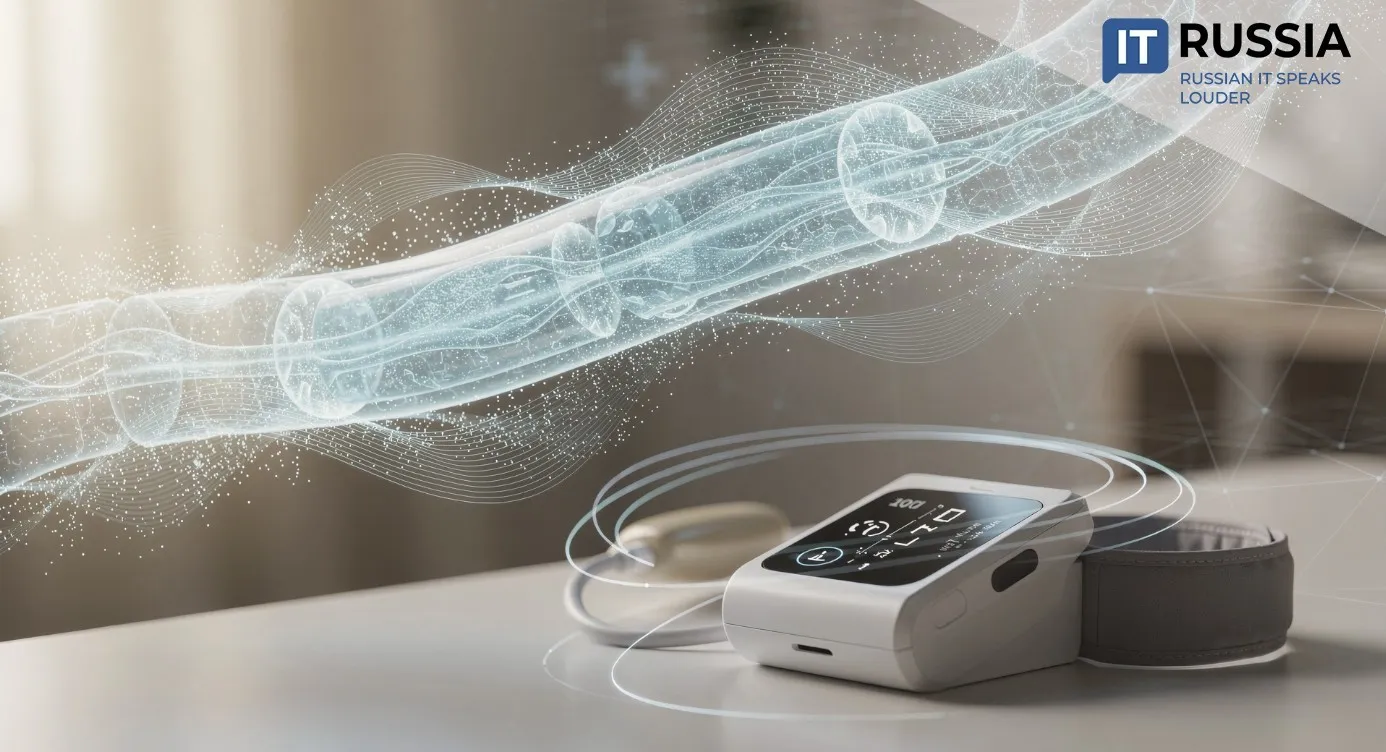
Omsk Region has launched a program that changes the traditional approach to managing patients with hypertension. Several hospitals, including A.N. Kabanov City Clinical Hospital No. 1, have introduced a remote blood pressure monitoring system. The pilot currently includes 50 patients. They measure their blood pressure at home using smart monitors, while the readings are transmitted through a mobile application to a digital platform where physicians can review them in real time.
If a patient's readings fall outside the target range, the physician can quickly contact the patient, provide guidance or adjust treatment. That can be done without waiting in clinic lines, arranging home visits or requiring unnecessary travel, reducing both inconvenience and patient anxiety.
Blood Pressure Under Control
Traditionally, patients with hypertension keep handwritten blood pressure logs, recording every measurement in a notebook. During office visits, physicians review those records to evaluate trends and assess how well medications are working. With a smart blood pressure monitor, that paper log is replaced by a smartphone.
Patients receive a dedicated blood pressure monitor, pair it with their smartphone and install the accompanying application. Every measurement is uploaded automatically to the digital platform. Physicians can review the readings, identify potentially dangerous fluctuations, respond promptly and provide recommendations. At the same time, the system eliminates paper records and handwritten blood pressure diaries, which patients often forget to maintain or complete retrospectively.
Yevgeniya Pashkova, a primary care physician participating in the project, said the system has made it possible to provide continuous patient monitoring without increasing the workload of outpatient clinics. Physicians receive alerts only when readings deviate from expected values.
Who Benefits Most?
Hypertension is one of the world's most common chronic health conditions. Stress, fatigue, physical exertion and even routine weather changes all put extra stress on blood vessels. Many patients depend on regular monitoring throughout the day. Blood pressure can also drop suddenly, including in people with hypertension, and the symptoms may be just as severe. A patient who takes antihypertensive medication when blood pressure is already too low could face life-threatening consequences.
Older adults and patients with limited mobility benefit the most from this approach. Frequent trips to outpatient clinics and long waits for appointments can be difficult. Remote monitoring removes many of those barriers. Patients remain at home while continuing to receive ongoing oversight from their care team. The application reminds them when measurements are due and recommends contacting a physician if critical readings are detected.
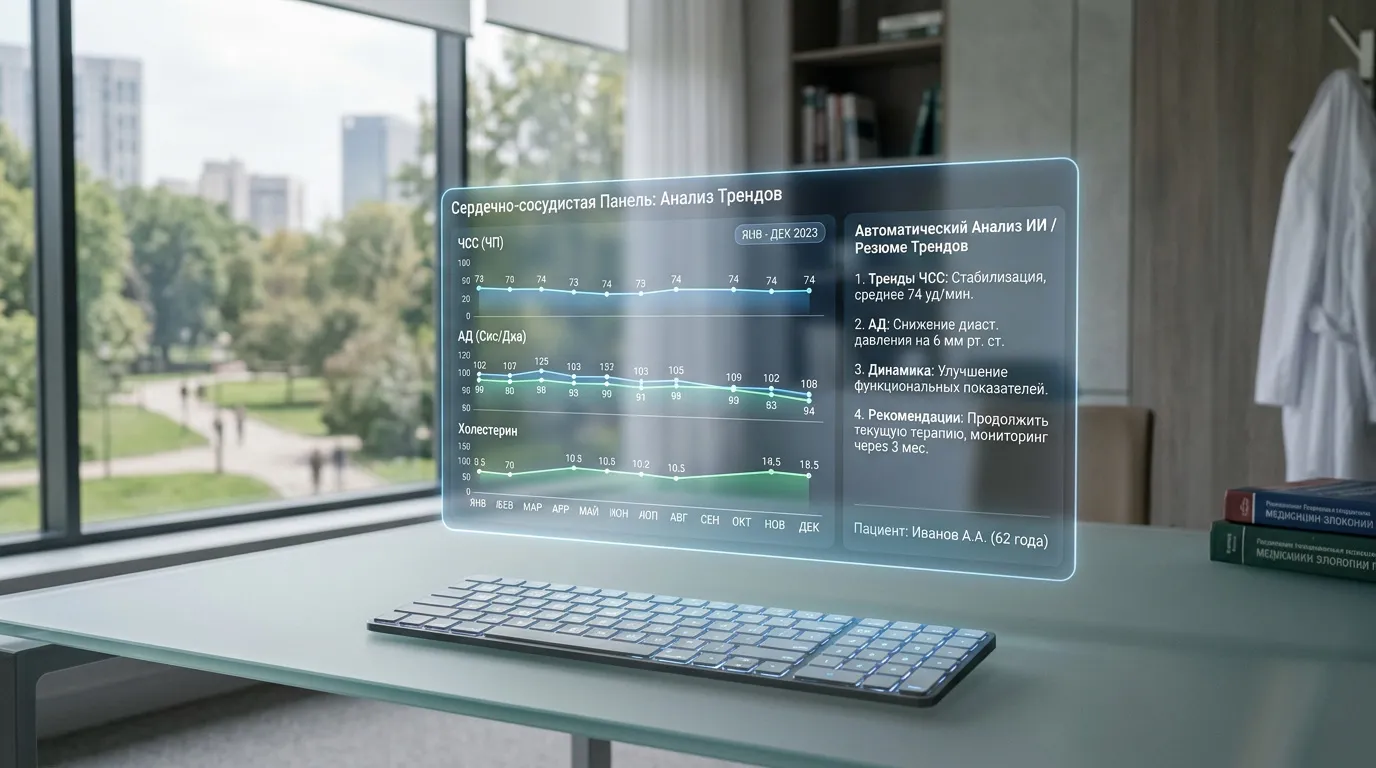
The benefits for physicians are equally clear. Outpatient workloads decline, while patients with critical readings are identified first. The system also provides an objective clinical record instead of relying on fragmented handwritten logs.

Building Domestic Digital Health Tools
For Omsk Region, the initiative marks the first step toward a systematic digital approach to managing chronic diseases. Over time, the same technology could also be used to support patients with conditions such as diabetes and heart failure.
For Russia, the project is another example of the public healthcare system adopting digital tools for routine clinical practice. The solution is integrated into the country's healthcare infrastructure, operates on government digital platforms, relies on domestically developed technologies and is designed for large-scale patient use.

Experience From Other Regions
The Omsk initiative is far from the first project of its kind in Russia. In 2022, the Ministry of Health launched a federal pilot program for remote monitoring of patients with cardiovascular disease and diabetes. Connected medical devices transmitted blood pressure, pulse and glucose readings to physicians, enabling treatment adjustments without waiting for in-person appointments.
In Moscow, remote monitoring tools were added to EMIAS (Unified Medical Information and Analytical System) in 2023. In 2025, Pyt-Yakh District Hospital began providing patients with smartphone-connected monitoring devices. That same year, Moscow also introduced the option to submit blood pressure readings through a voice assistant.
Together, these initiatives are moving Russian healthcare toward a model in which patients remain connected to their care teams even while receiving treatment at home.