Speak Hindi, the Doctor Understands: Russia Develops AI Navigator for International Patients
A voice-based AI assistant developed in Russia is helping international patients communicate with physicians without interpreters. The system supports 10 languages, asks follow-up questions and structures patient complaints according to medical documentation standards.
Traveling abroad for medical treatment is stressful on its own. When patients do not speak Russian and physicians do not know the patient’s language, that stress increases significantly. Electronic translation tools are also unreliable because they often distort medical terminology. Hiring a human interpreter can be expensive and is not always practical.
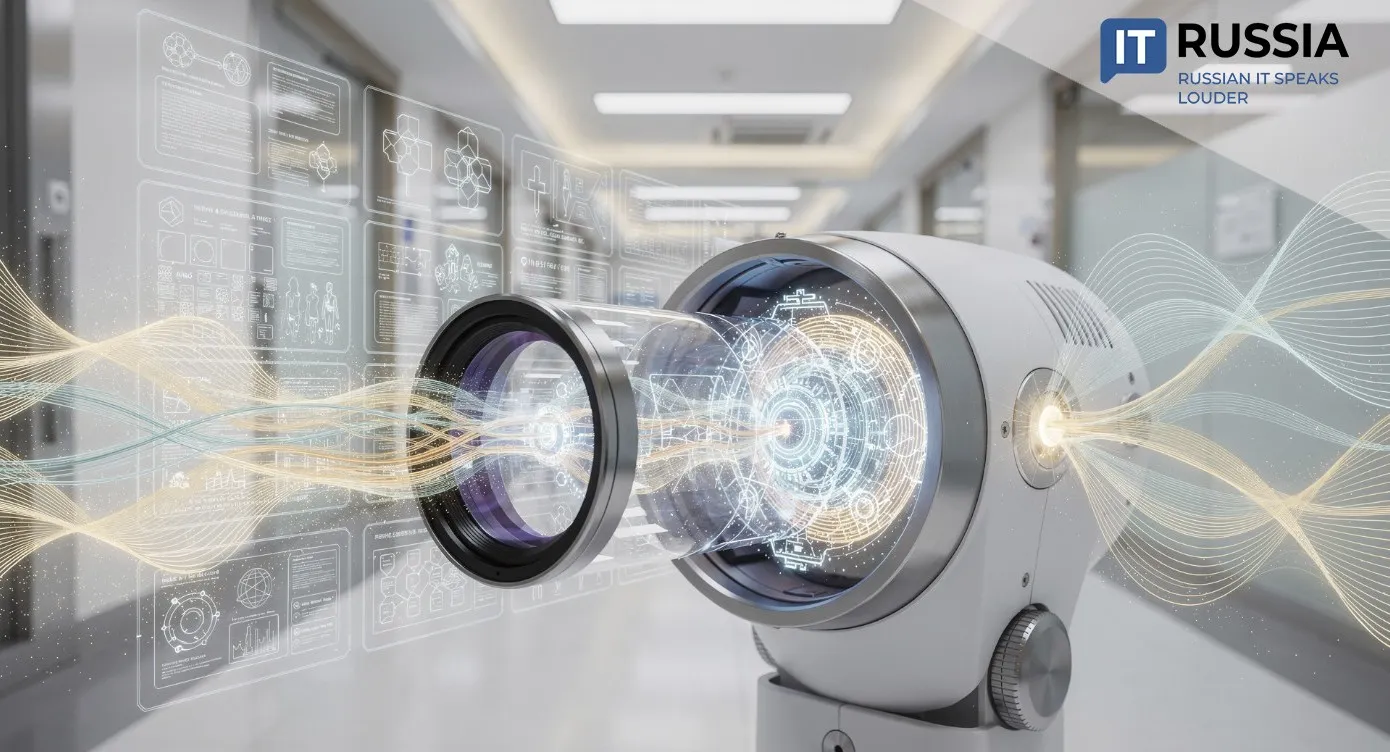
Young researchers at Sechenov University have proposed a solution. They developed an AI navigator equipped with a smart camera. Patients describe their symptoms in their native language – Hindi, Chinese, Arabic, Tajik, Uzbek or any of the other supported languages. The system translates and structures the information, then provides physicians with a completed medical history in Russian without losing important details. The technology could also eventually be used to support training for international medical students.
Treatment in a Native Language
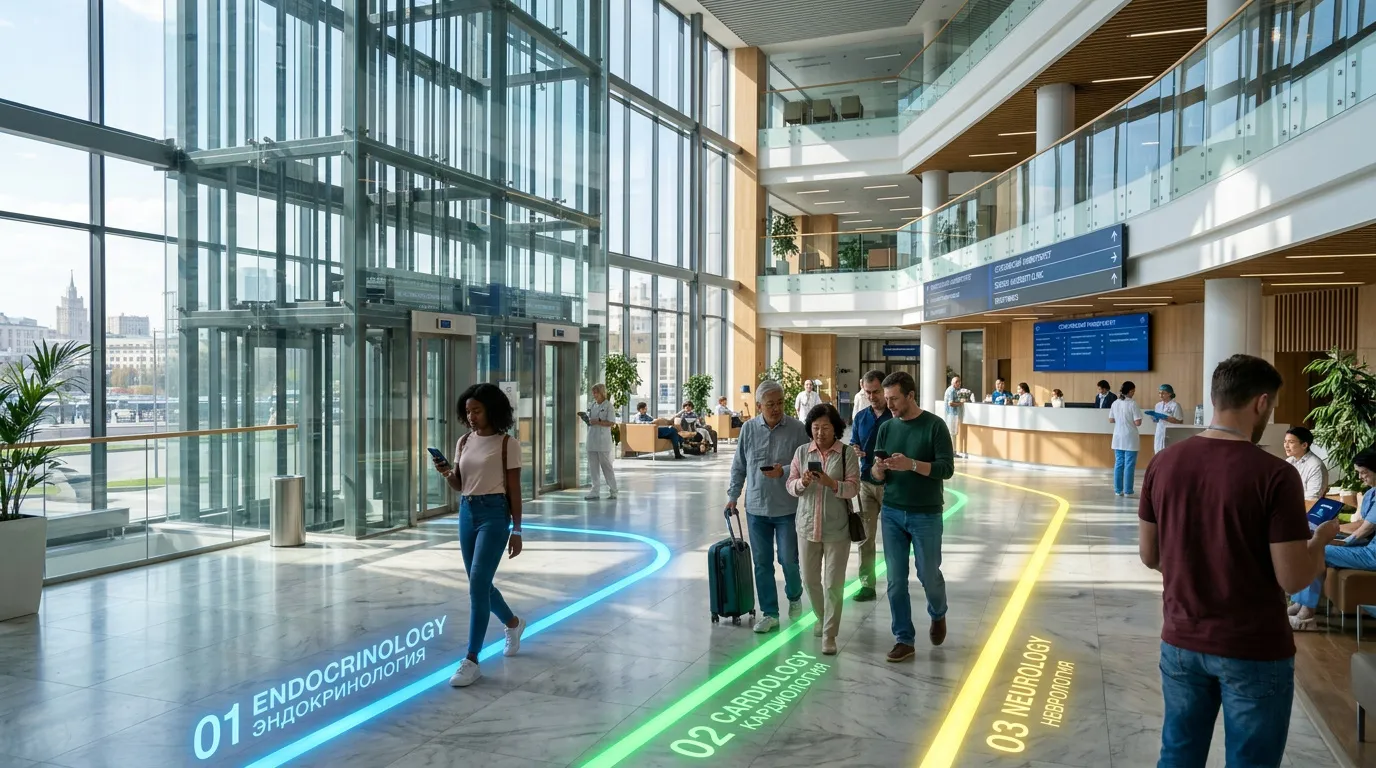
The workflow is designed to remain simple for patients. A user opens the clinic website, selects the section for international patients and describes symptoms verbally in their native language. The system transcribes the speech, identifies key symptoms and asks clarifying questions in a process designed to resemble a physician interview. It then generates a summary in the patient’s native language for confirmation. Only after that does the platform prepare a structured medical history for physicians in Russian, including complaints, disease history and lifestyle information.
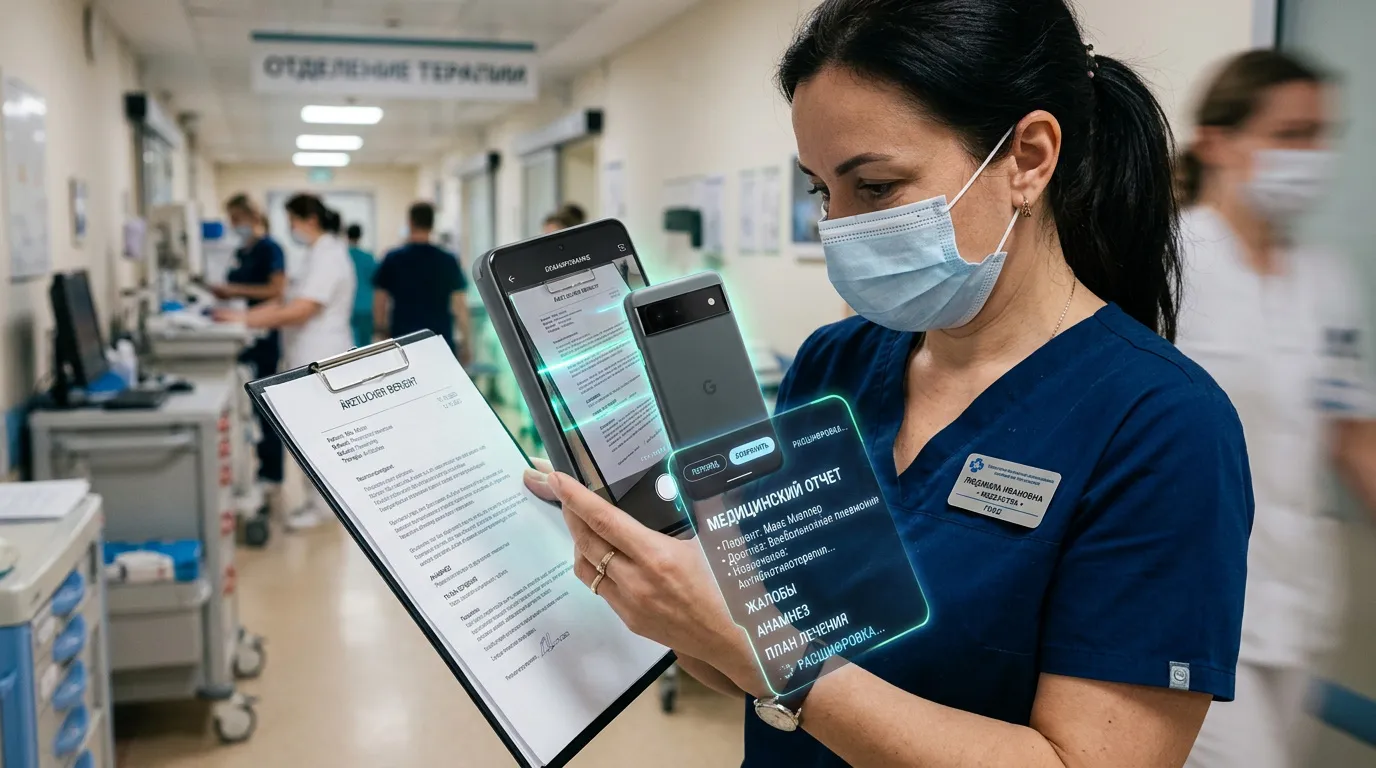
A second important module is the smart camera system. Patients can photograph medical documents such as laboratory results, discharge summaries and clinical reports in their native language. The AI translates the materials and organizes them chronologically. The feature could also help Russian-speaking patients, particularly elderly people, upload medical histories without managing large volumes of paperwork. Physicians, meanwhile, spend less time deciphering handwritten or foreign-language records and can reduce administrative workload.
Better Than Existing Systems
Many general-purpose translation platforms, including Google Translate, are not adapted for medical terminology. The problem is particularly acute for Asian and Middle Eastern languages. Existing Russian AI assistants for healthcare providers are also designed only for Russian-speaking patients.
Researchers emphasize that the novelty of the project does not lie in the concept of a medical chatbot itself, but rather in the integration of several capabilities into one system: voice input, document recognition, structuring under Russian clinical standards and integration with medical information systems. According to the developers, no comparable platform has previously existed in Russia.
Researchers also stress that the navigator does not diagnose patients. Its role is limited to collecting and organizing information. The developers say the platform should not be positioned as a diagnostic tool. As an assistant at the pre-appointment stage, however, it could become a useful support system for physicians.
Helping International Medical Students
The same technology could also be adapted to support international medical students. During their first year at university, many students focus almost entirely on learning Russian. Teachers and classical Russian literature help, but understanding lectures remains difficult. Russian is widely regarded as one of the world’s richest and most expressive languages, but also one of the most difficult to master, something international students openly acknowledge.
The AI navigator could serve as a personal educational assistant by translating medical terminology, structuring learning materials and helping students adapt to the profession more quickly.
For Russia and the Global Market
Comparable technologies already exist in other markets. The US-based platform No Barrier operates in hospitals and provides live translation in 40 languages during patient appointments. Demand for such systems continues to grow alongside medical tourism.
The fact that student teams in Russia are developing similar products is an important signal for the country’s AI education sector. Students are increasingly moving beyond academic exercises and creating practical products designed to solve real healthcare challenges.
The project was included in the top 30 student entrepreneurial initiatives in Russia in the GSEA 2026 ranking, while the software has also been officially registered as intellectual property.
Export Potential
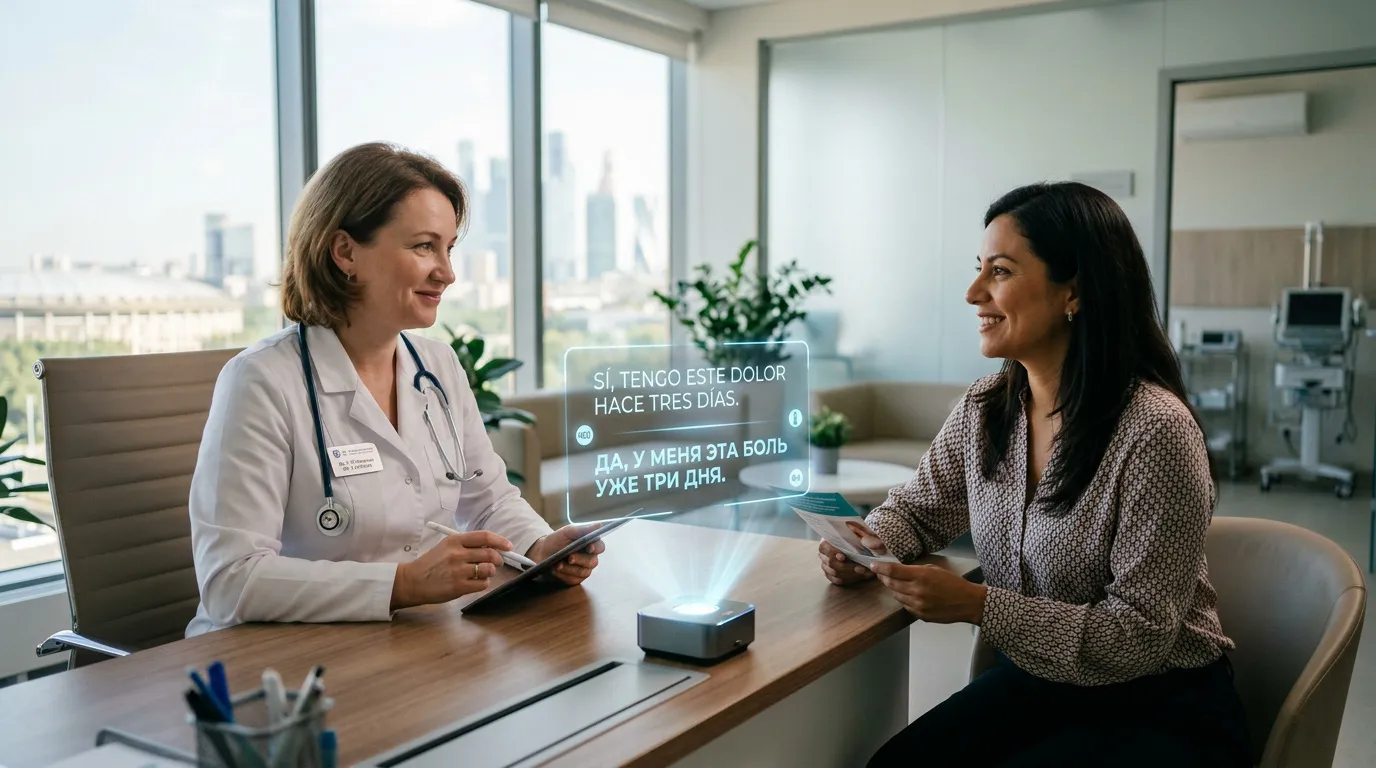
A pilot launch of the navigator is scheduled for May this year. Future plans include adding native-language telemedicine support for patients planning treatment in Russia or returning home after treatment, as well as real-time speech translation during in-person consultations.
The technology also has export potential because Russia receives thousands of patients from Asia, Africa and the Middle East. The service could attract interest from clinics, insurance companies and public hospitals, not only in Russia but also in other countries that receive patients from regions where Russian is not widely spoken.