Alexey Likhachev: Artificial Intelligence to Become Integral to Future Nuclear Energy
Rosatom Director General Alexey Likhachev has described artificial intelligence as a necessary condition for the development of the nuclear sector, warning that managing complex nuclear facilities without AI would be an unsustainable path.
Speaking at the Russian Ministry of Energy seminar “Electric Power Industry – the Basis for National Development,” Likhachev highlighted a shift in how such technologies are viewed.
From Experiment to Operational Necessity
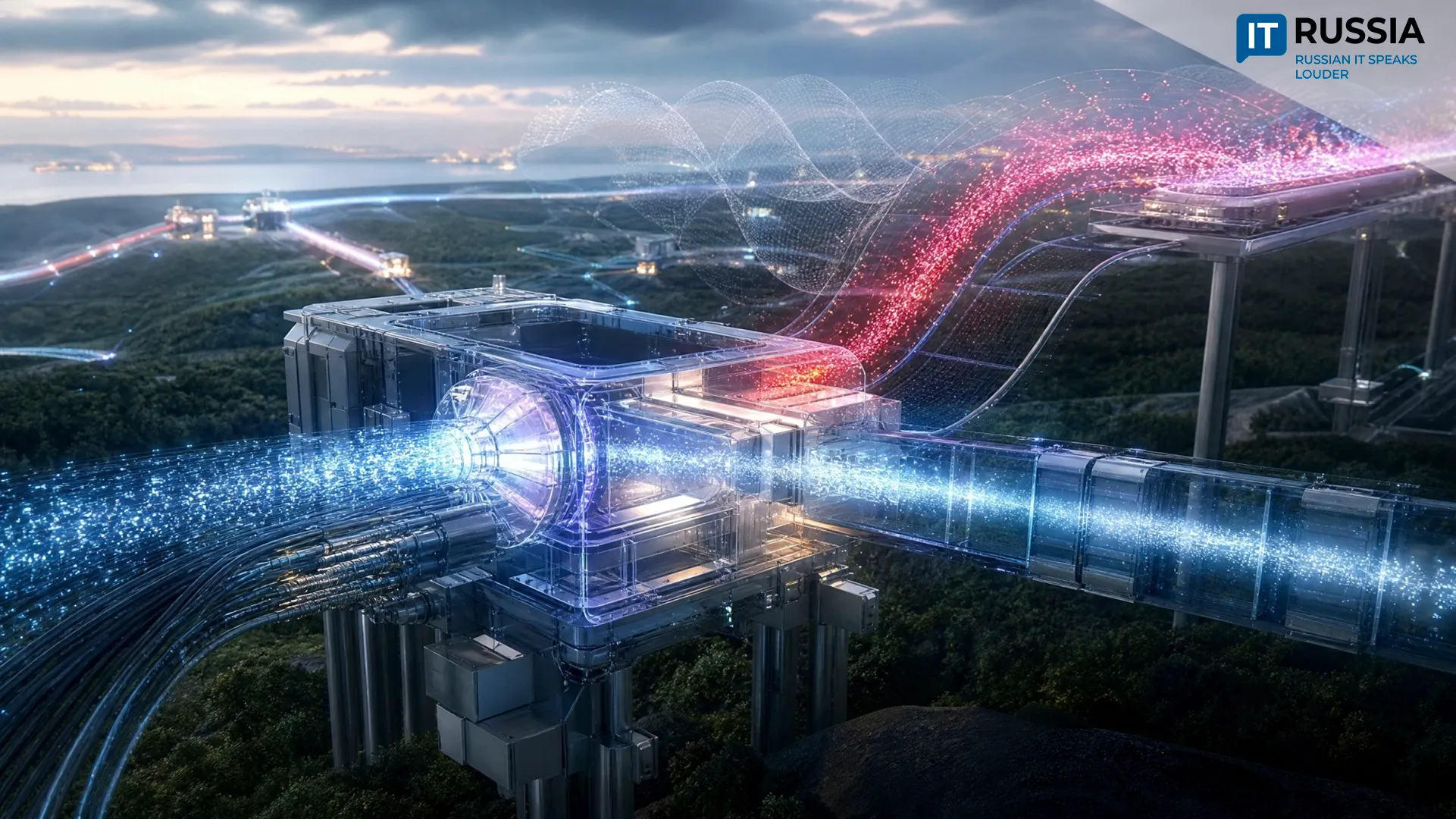
While just a few years ago artificial intelligence was seen as an add-on to traditional control systems, it is now becoming an integral component of nuclear power plant systems. This is particularly relevant for next-generation facilities featuring fast neutron reactors and a closed fuel cycle, where the number of parameters requiring monitoring has increased by orders of magnitude.
A central point in Likhachev’s remarks was not the technical capabilities of AI itself, but the ethical dimension of its deployment. Trust in artificial intelligence in nuclear safety is, above all, a question of human responsibility rather than the technological maturity of algorithms.
Machines do not replace humans in critical situations, but act as tools that extend operator capabilities. By analyzing terabytes of data in real time, AI can detect deviations that may be imperceptible to human operators. This can provide additional seconds or minutes for making critical decisions.
Current Applications
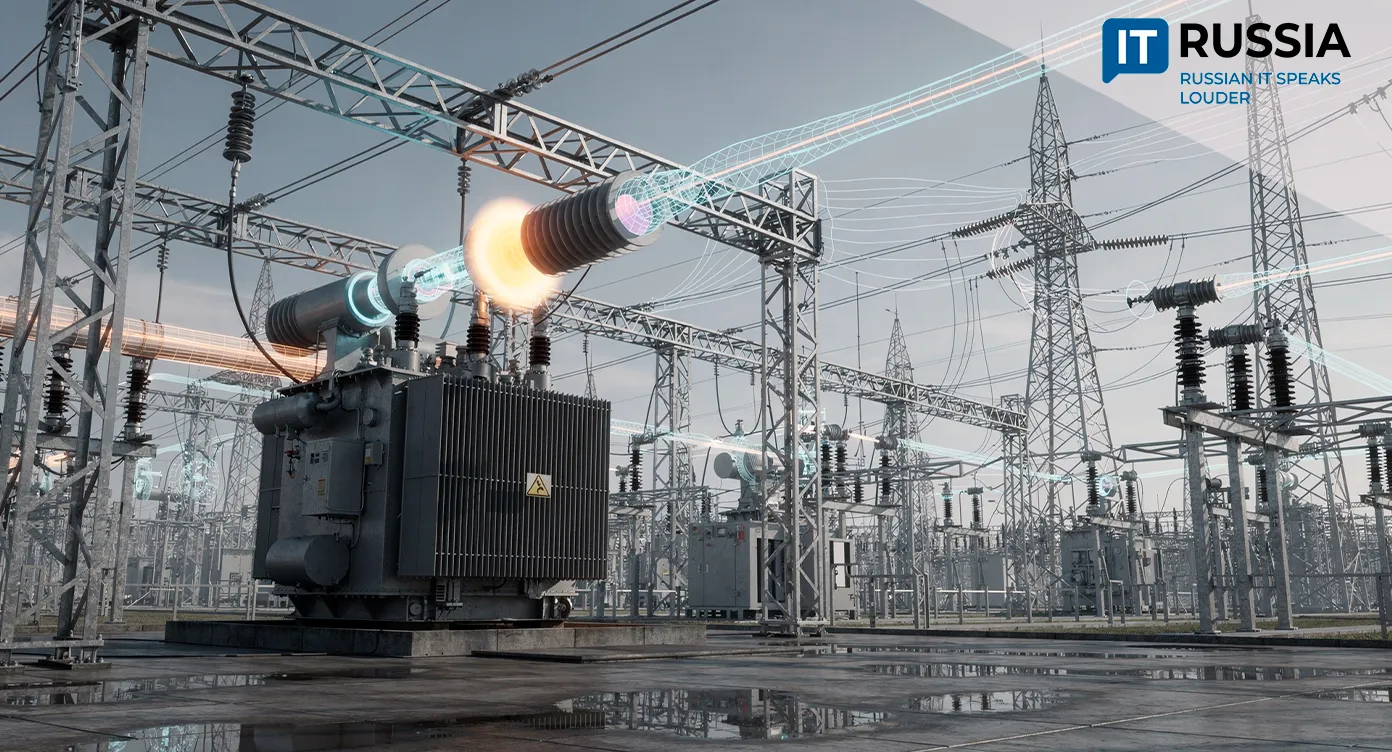
Artificial intelligence is already being deployed at Russian nuclear power plants in several key use cases. Predictive analytics systems monitor the condition of equipment – including turbines, pumps, and heat exchangers – and forecast wear weeks or months before actual failure. This enables maintenance to be scheduled under normal conditions, avoiding emergency shutdowns of power units, where each hour of downtime costs millions of rubles.
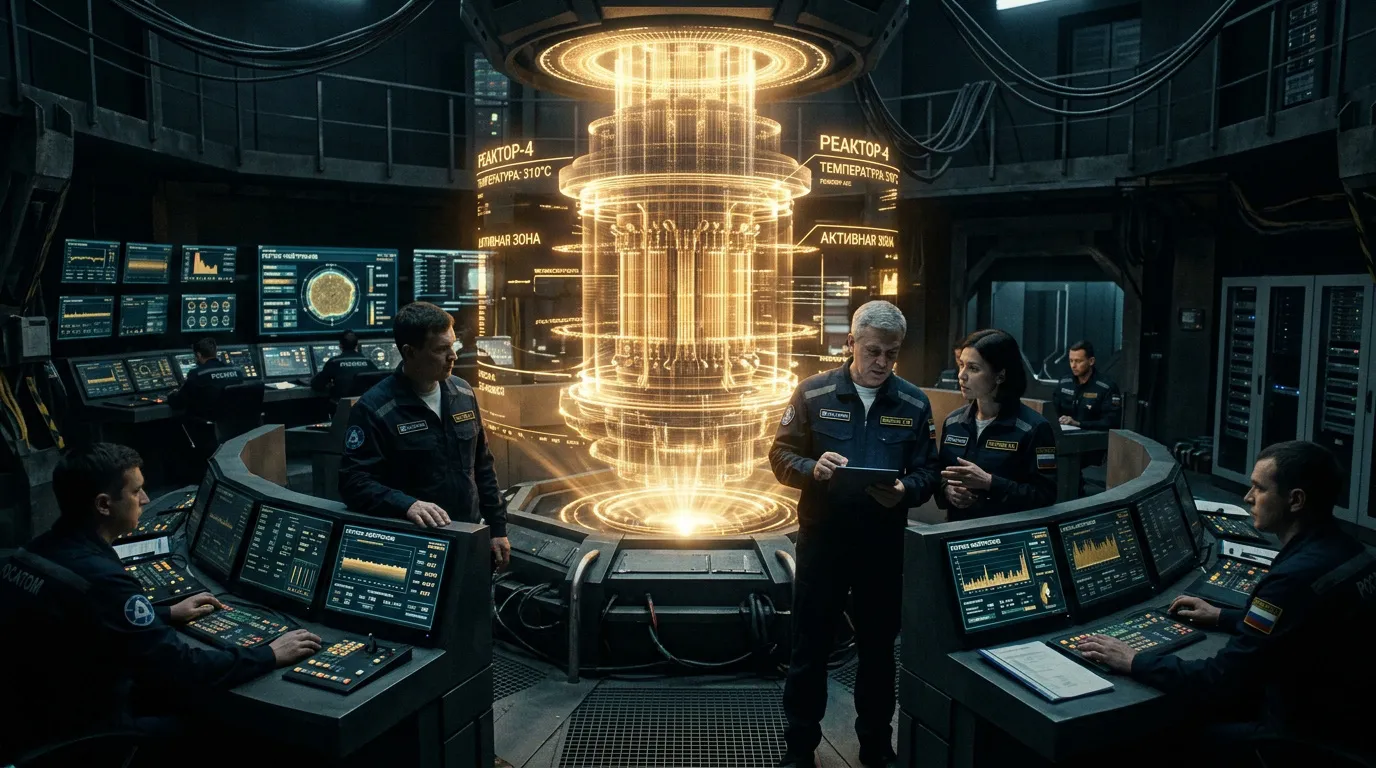
Another area is operational support. Control room operators receive recommendations from AI assistants when analyzing abnormal situations. Algorithms compare current parameters with simulated accident scenarios and suggest optimal courses of action.
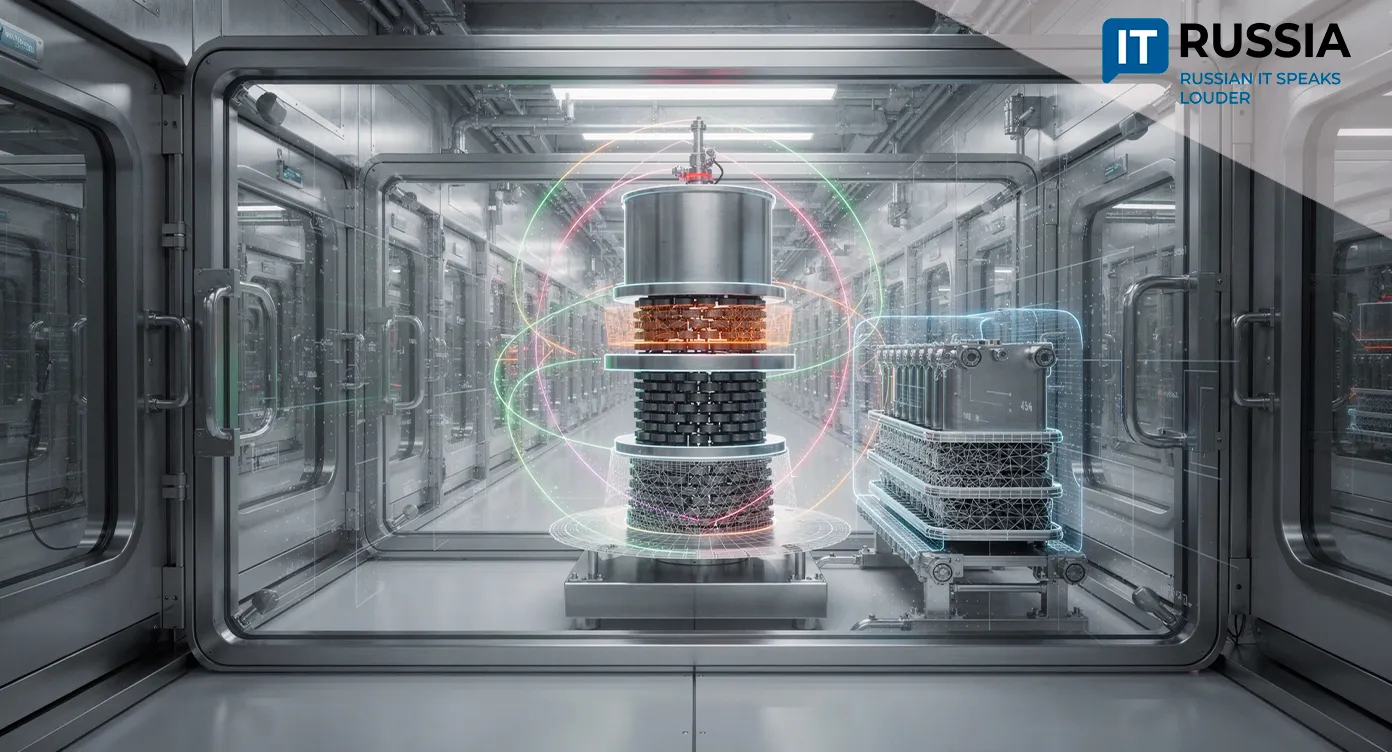
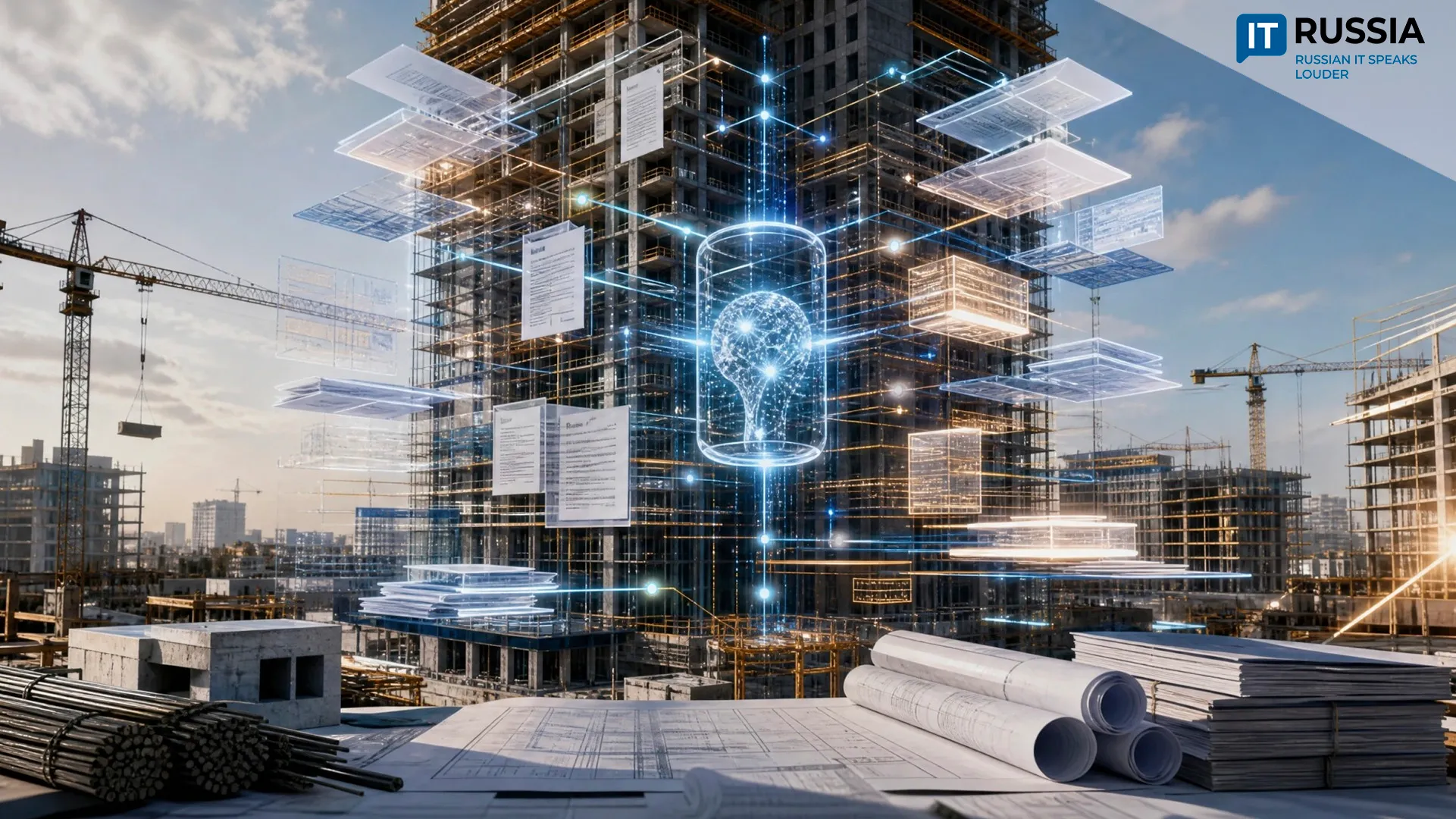
At the design stage of new plants, AI is used to optimize engineering solutions and calculate loads. Digital twins of nuclear facilities, developed using machine learning, make it possible to simulate equipment behavior under extreme conditions – from earthquakes to extreme temperatures.
Global Context
Russia is not alone in its efforts to integrate artificial intelligence into nuclear energy. In March 2026, the International Atomic Energy Agency held its first international symposium on AI and nuclear energy, bringing together experts from more than 40 countries. Participants discussed safety standards, ethical frameworks, and regulatory approaches for deploying algorithms in critical processes.
However, the Russian approach is characterized by its system-wide scope. Rosatom is building an end-to-end digital ecosystem – spanning design, construction, operation, and decommissioning. The corporation’s unified digital strategy, updated this year, provides for a significant increase in AI-driven projects across all business areas.
The Future Is Already Taking Shape
Each AI solution undergoes multi-stage verification – from laboratory testing to industrial pilots under the supervision of experienced engineers. Only after demonstrating reliability over months or years is a system approved for full-scale deployment.
The architecture of AI systems in the nuclear sector ensures that humans always remain in the control loop. Machines do not replace operators but extend their capabilities. This is not a technological limitation, but a deliberate choice shaped by the nature of the industry, where the cost of error is measured not in financial losses but in the safety of people and the environment.
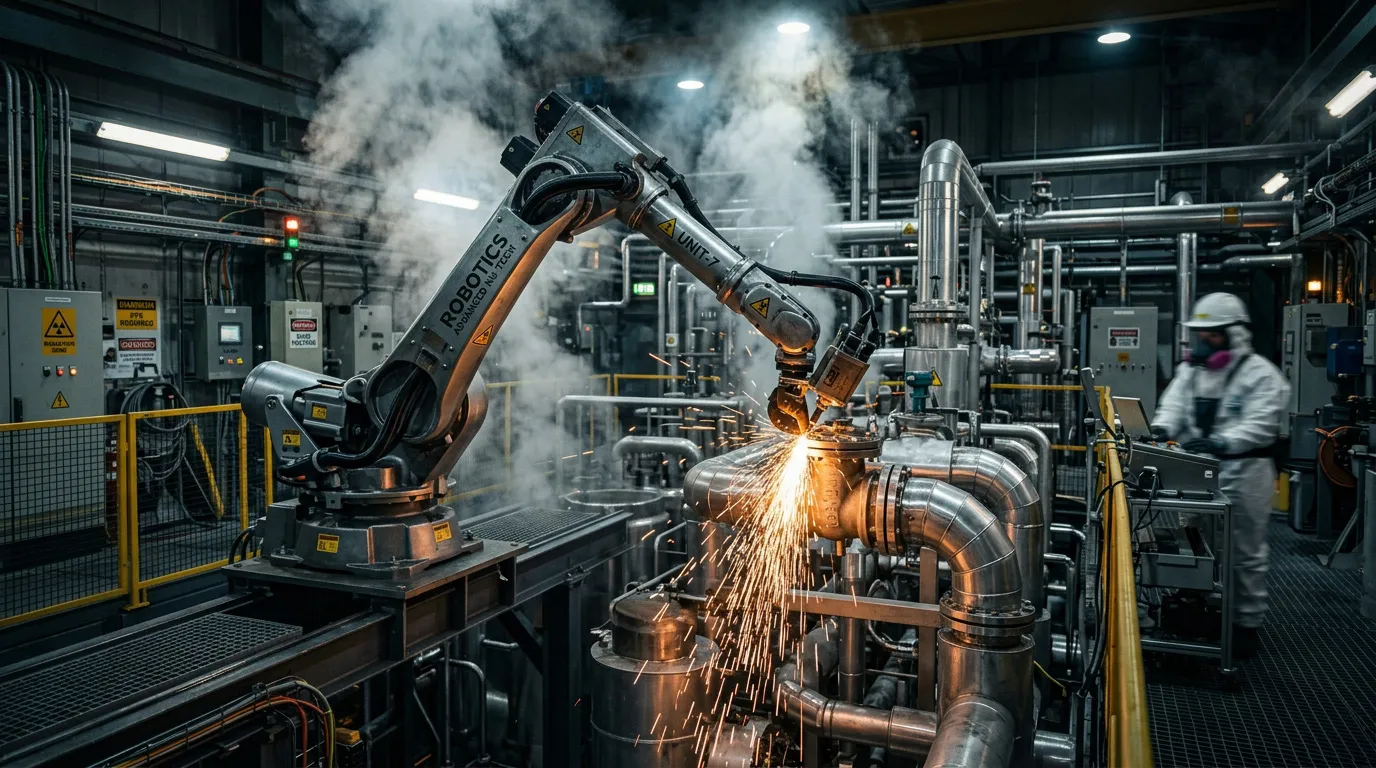
For the nuclear energy sector of the future, artificial intelligence is becoming what automated control systems once were – a necessary condition for safe and efficient operation. Rejecting its use would lead to technological lag. Without AI, nuclear energy would not only lose competitiveness, but also its ability to respond to modern challenges.