


A Window Into the Exam: Russia Develops a Unified ‘EGE Simulator’ on Gosuslugi
Russia is building a unified digital gateway for its national graduation exam, creating a full EGE simulator and service hub on the Gosuslugi platform

A Single Digital Track for Exam Services
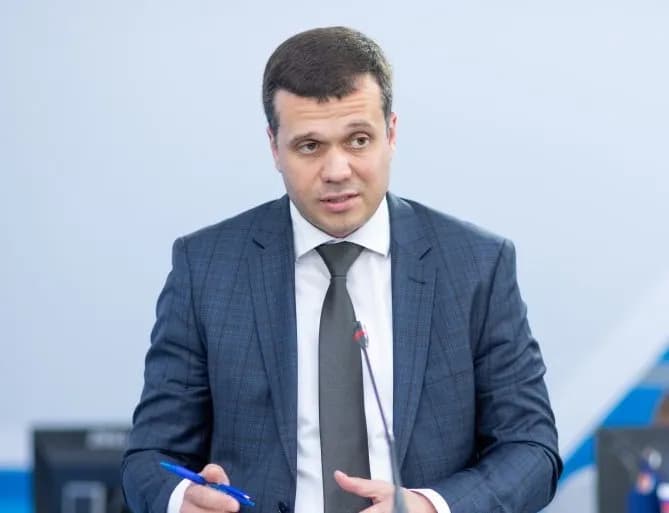
Russian developers have been given a major new task: moving one of the most stressful stages of school life — the Unified State Exam (EGE) — fully into the digital environment. All exam-related services will now be consolidated on one platform, Gosuslugi. The announcement was made by Igor Kruglinsky, Deputy Head of Rosobrnadzor, during a nationwide meeting with regional education authorities.
The platform will host everything from a virtual simulator for practice tests to formal exam appeals. This is more than digitizing documents — it is the next step in modernizing education, creating a clear, unified interface for every student interacting with the exam system.

Gosuslugi as an EdTech Ecosystem
The educational potential of Gosuslugi is not new. Reviewing the 2025 EGE campaign, Rosobrnadzor head Anzor Muzaev highlighted two effective innovations: parental oversight at exam centers and the use of the Feedback Platform for appeals.
Parental monitoring proved especially impactful: more than 20,000 parents observed exam procedures, helping identify and resolve over 600 violations. The Feedback Platform also demonstrated value — of the 72 appeals submitted, 14 were confirmed as legitimate issues.

Digital Preparation: From Early Tools to Analytics
Online education tools have expanded steadily. In 2021, Gosuslugi introduced exam-result access via personal accounts, replacing slower, traditional methods. By 2022, the practice became standard: confirmed exam results were delivered exclusively through the platform.
In 2023, preparation moved online as well. Public platforms offering EGE simulators and demo versions — such as Reshu EGE, Obrazavr, Maximum, and themed subject quizzes — became widely available.

By 2024, analytics came to the forefront. Research showed measurable benefits from systems that forecast learning performance. “We see that online schools have become a major factor in EGE preparation: nearly one-third of perfect scores came from students enrolled in online courses,” noted Darya Ryzhkova, founder of Smart Ranking. She added that online-prepared students consistently scored above the national average.
By 2025, online preparation was mainstream. Ratings of online schools and simulators confirmed strong demand and paved the way for integrating these solutions into a government-backed platform.

What Comes Next: Adaptive and Mobile
The nationwide rollout is scheduled to be completed by the end of 2027, but the system will evolve beyond that. The next step is ‘smart’ personalization — tools capable of adapting to each student’s abilities, identifying strengths and weaknesses, and providing detailed progress analytics.
Mobile apps are expected as well, allowing students to practice anytime. The EGE simulator is primarily a domestic project aimed at strengthening Russia’s educational infrastructure, but its architecture hints at international potential. Russia’s experience with integrating educational tools into government services may offer a model for countries seeking unified digital exam systems.


