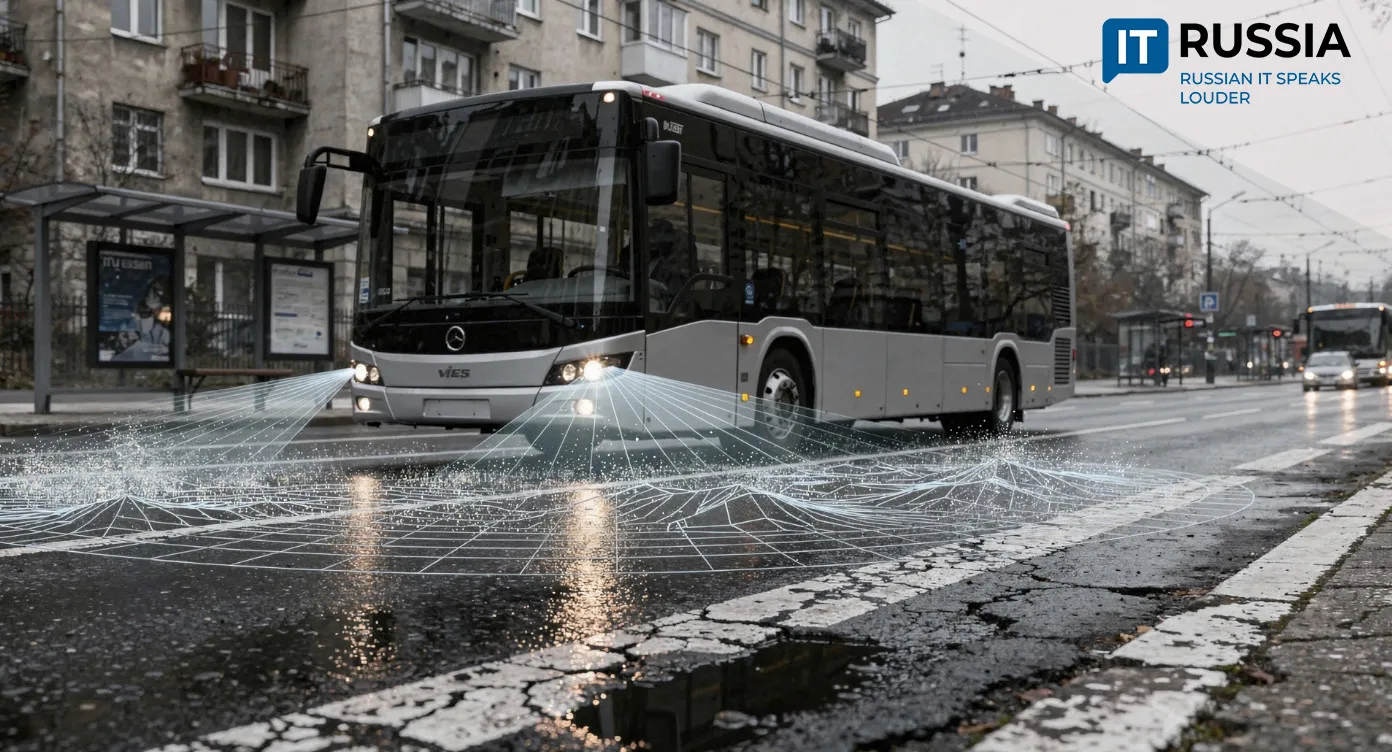
Smart Bus Shelters Get Smarter: Rostelecom Deploys AI Video Analytics in Noyabrsk
Heated bus shelters in Noyabrsk have become smarter and safer: Rostelecom has installed intelligent cameras with video analytics at 29 locations – covering 51% of all heated shelters in the city.

The new technology does more than record footage, it actively responds to incidents. The system combines cameras equipped with video analytics modules and loudspeakers. In real time, it detects public order violations such as vandalism. The system first issues a voice warning, and if there is no response, it alerts an operator who can dispatch law enforcement.
This is not just surveillance, but a fully automated response workflow: detection – warning – operator escalation – potential intervention. For Russia’s IT sector, the case stands out as a practical deployment of computer vision and smart city platforms in a mid-sized municipality, not just major cities. Residents benefit from a safer and more comfortable waiting environment, while the city reduces maintenance and repair costs.

Technology Roadmap and Scaling Potential
In Russia, the project could expand in several directions. The first step is scaling coverage across all heated shelters in Noyabrsk, followed by rollout across other cities in Yamalo-Nenets Autonomous Okrug. The next logical phase is integration into broader smart city systems, where transport, public safety, utilities, lighting, and urban management converge within a unified control platform.
Meanwhile, the range of video analytics scenarios could be expanded. Beyond vandalism detection, cameras can analyze passenger flows, identify crowding, monitor cleanliness, detect hazards, and track transit delays. Similar use cases are already in place in the Moscow region, where AI analyzes queues at bus stops and helps adjust bus schedules.
From an export perspective, the solution lends itself to a packaged model: cameras, analytics software, loudspeakers, operator dashboards, and predefined response workflows. However, regulatory constraints remain, particularly around personal data. International practice shows that AI-based surveillance in public spaces is tightly regulated. In the European Union, for example, a risk-based framework governs AI use and restricts applications that may threaten individual rights and safety.
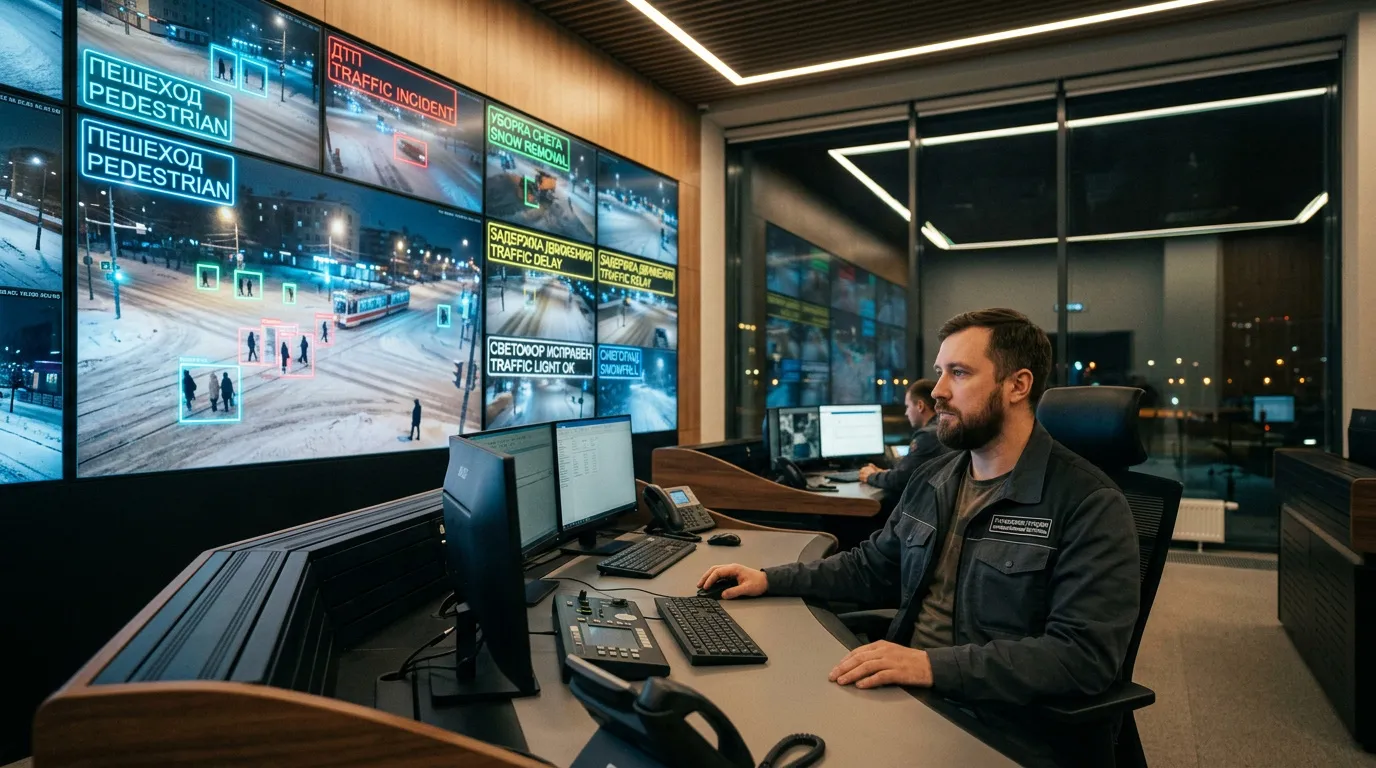
From Pilot Deployments to System-Level Adoption
The Noyabrsk deployment builds on earlier digital initiatives rather than standing alone. Back in 2021, Rostelecom launched its first regional project using video analytics cameras to protect a military memorial site. Since then, similar deployments have expanded across the Yamal region.
In 2025, Noyabrsk was named the smartest city in the Ural Federal District in the Smart City Competence Center competition. The city already operates smart video surveillance at bus stops, intelligent lighting, a digital transport ecosystem, and the Smart Transport mobile app.
Comparable systems are also being deployed in other regions. In Zarechny, Sverdlovsk region, authorities implemented a centralized video surveillance system with situational analytics, connecting 512 cameras. In the Moscow region, AI monitors passenger flows at 662 bus stops, helping optimize transit schedules.
Globally, the trend is accelerating. According to Grand View Research, the AI video surveillance market is projected to grow from $6.51 billion in 2024 to $28.76 billion by 2030, with a compound annual growth rate of 30.6%.
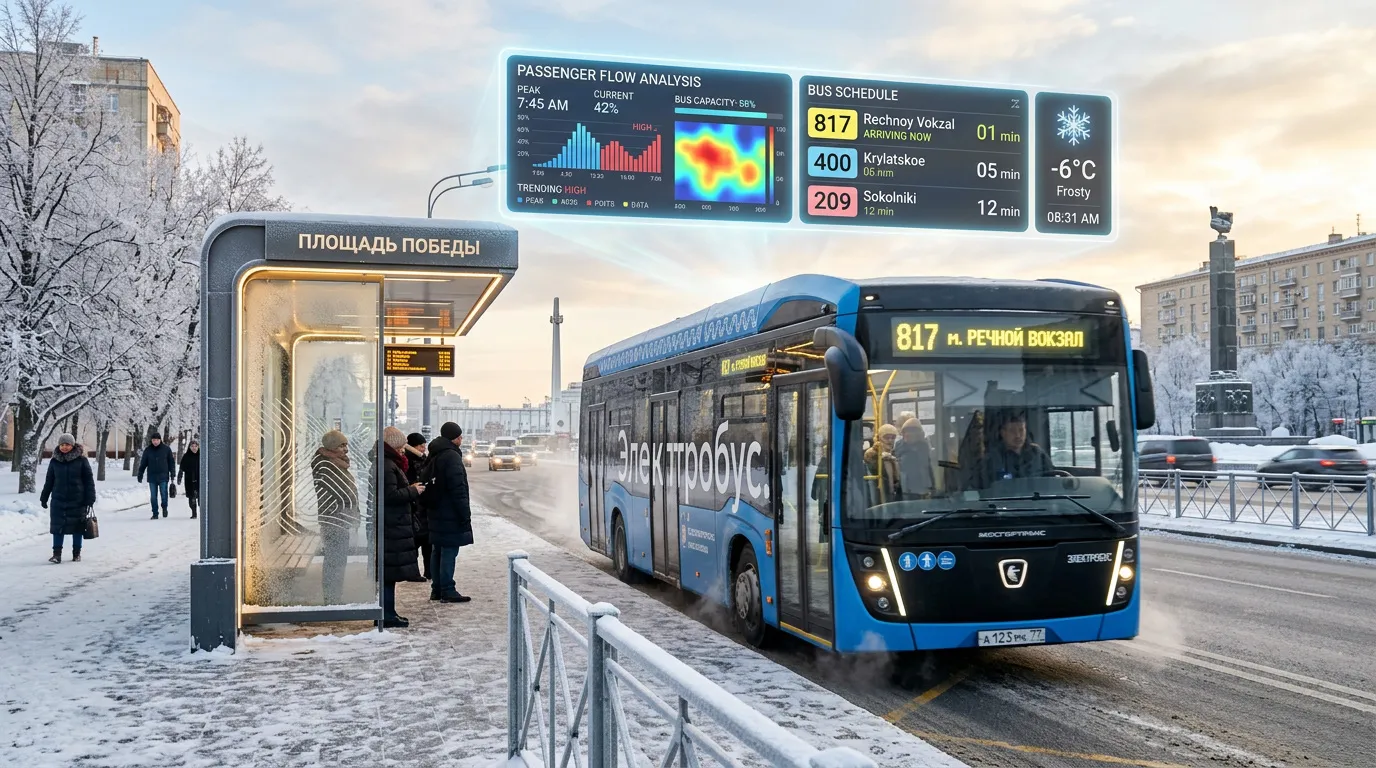
The Future of Smart Surveillance
The Noyabrsk project illustrates how smart city technologies are shifting from abstract digitalization to real-world operational use. The core value lies in automated response: the camera does not just record, it identifies an event, triggers a warning, and escalates it to an operator.
In the coming years, such systems are expected to be deployed more widely across high-traffic public spaces, including bus stops, parks, residential courtyards, schools, and healthcare facilities. They are particularly relevant for regions where protecting infrastructure from vandalism and improving urban quality of life must be achieved without significantly increasing staffing levels. This marks a step toward safer, more responsive cities where technology directly benefits residents.