Digital ID Becomes Your Library Pass – Right on Your Smartphone
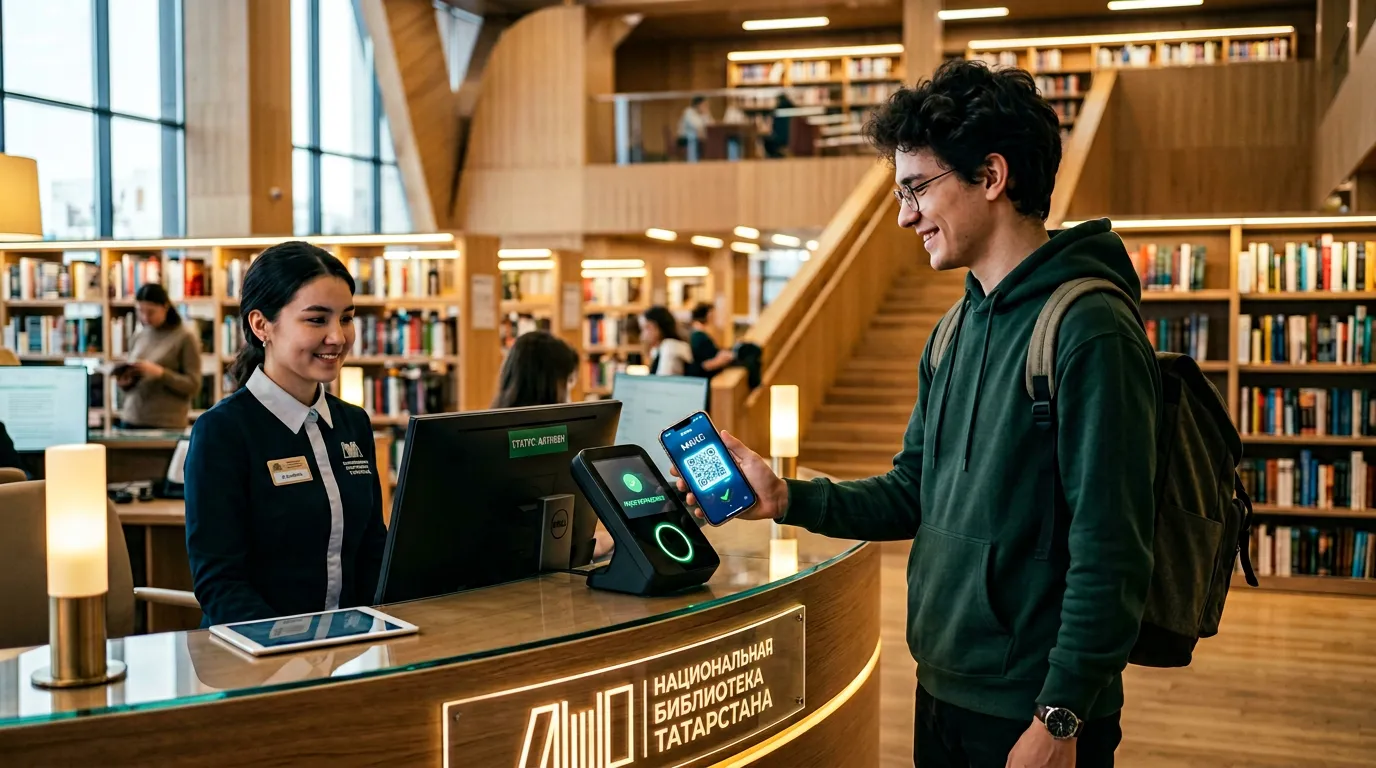
Russia's National Library of Tatarstan has begun offering services through the Digital ID feature in the MAX messenger. Readers can now verify their identity and eligibility without presenting physical documents. Instead of a passport, users present a dynamic QR code generated from information stored in their verified Gosuslugi account.
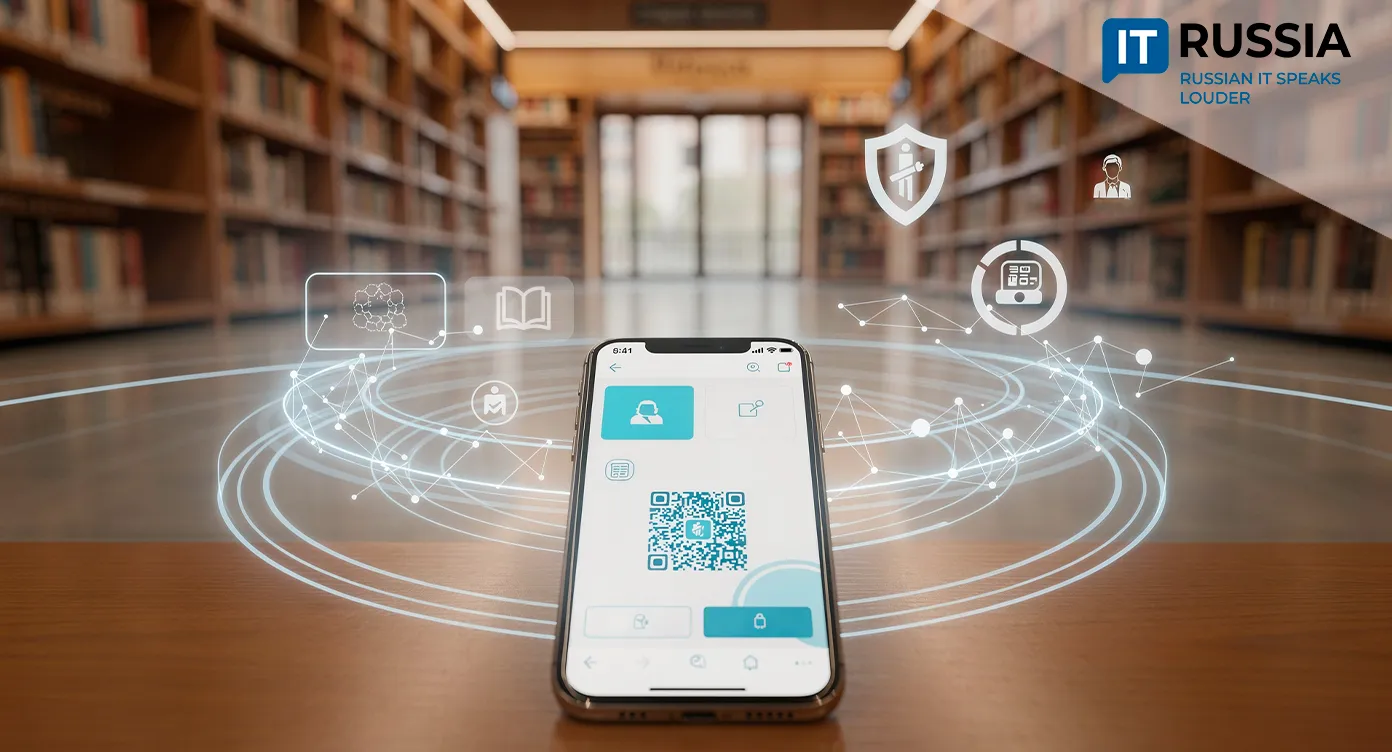
A Digital ID for library services is the electronic equivalent of paper documents stored on a smartphone. It allows users to verify their identity, age or eligibility for benefits without presenting paper IDs or certificates.
The service is available through the MAX mobile application and is integrated with the Gosuslugi public services portal. It can be used to confirm, for example, a user's status as a student, a member of a large family, a person with a disability or a participant in Russia's Special Military Operation.
Digital ID Advantages
Digital ID is already accepted by many Russian libraries and cultural institutions. The federal digital identification system is expected to be rolled out across all cultural institutions in the near future. Using Digital ID is both convenient and secure. First, there is no longer a need to carry paper documents. Second, access is protected by Face ID or fingerprint authentication. Digital ID is recognized not only by libraries but also by other government institutions.
To generate Digital ID QR codes, users must have a verified account in the Unified System of Identification and Authentication (ESIA), install the Gosuslugi mobile app and the national MAX messenger. A Digital ID can be created using existing biometric data, a new-generation biometric passport or a driver's license.
How Is Digital ID Used in a Library?
Visitors display the document's QR code from the Digital ID section of the MAX app. Verification is performed through the Goskan service within the Gosuslugi application. The system confirms authenticity without disclosing personal information. The QR code is refreshed every 30 seconds, personal data is never shared with third parties, both the photo and QR code are protected against screenshots, and every verification is logged within the Gosuslugi system. A librarian simply scans the code using the Gosuslugi app, and the visitor's status is confirmed instantly.
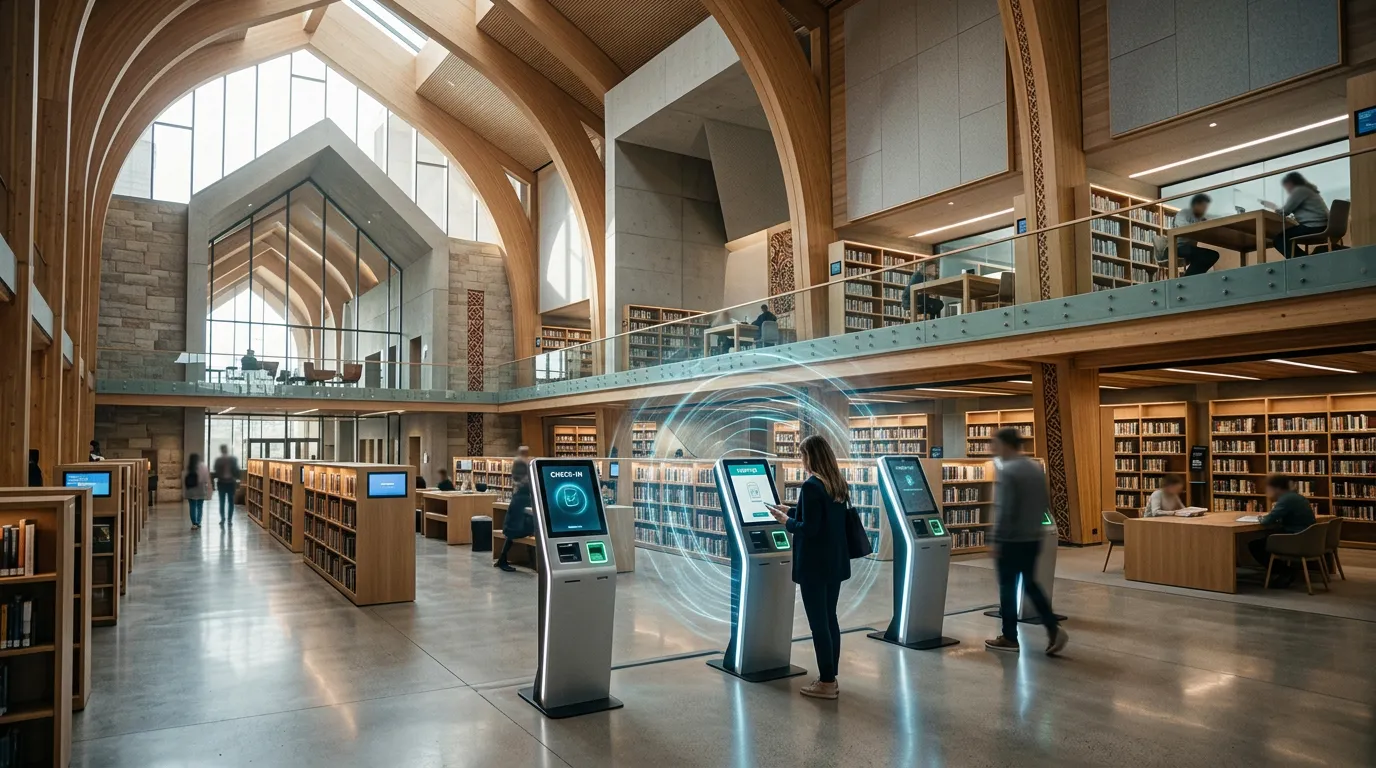
Instructions for obtaining a Digital ID are available at information kiosks inside the National Library of Tatarstan. A detailed setup guide is also available through the Unified Portal of State and Municipal Services.
Beyond Libraries: Where the Technology Goes Next
The digital transformation of cultural services continues to accelerate. In 2025, the Russian government defined the circumstances under which information displayed in the Gosuslugi mobile application could be used on an equal legal footing with paper documents. Russia's Ministry of Digital Development clarified that Digital ID in MAX and the GosDoki service within the Gosuslugi app are both official methods of presenting verified government-issued information in digital form. That significantly simplified the delivery of a wide range of public services.
The Republic of Tatarstan is already considering broader applications for digital identification. In 2026, the republic plans to introduce a Digital Student ID across its universities. The QR code is expected to function as a student ID card, an academic record book and proof of student status.
For the library system, Digital ID is especially promising because the necessary digital base is already in place. According to the National Library of the Republic of Tatarstan, the number of Unified Library Card holders reached 457,268 by the end of 2023. All state and municipal libraries are connected to the republic's consolidated electronic catalog. The next logical step is the rollout of Digital ID across municipal libraries and its integration with the Unified Library Card. The launch of Digital ID at the National Library of Tatarstan marks another step toward incorporating digital documents into the day-to-day operations of government institutions.
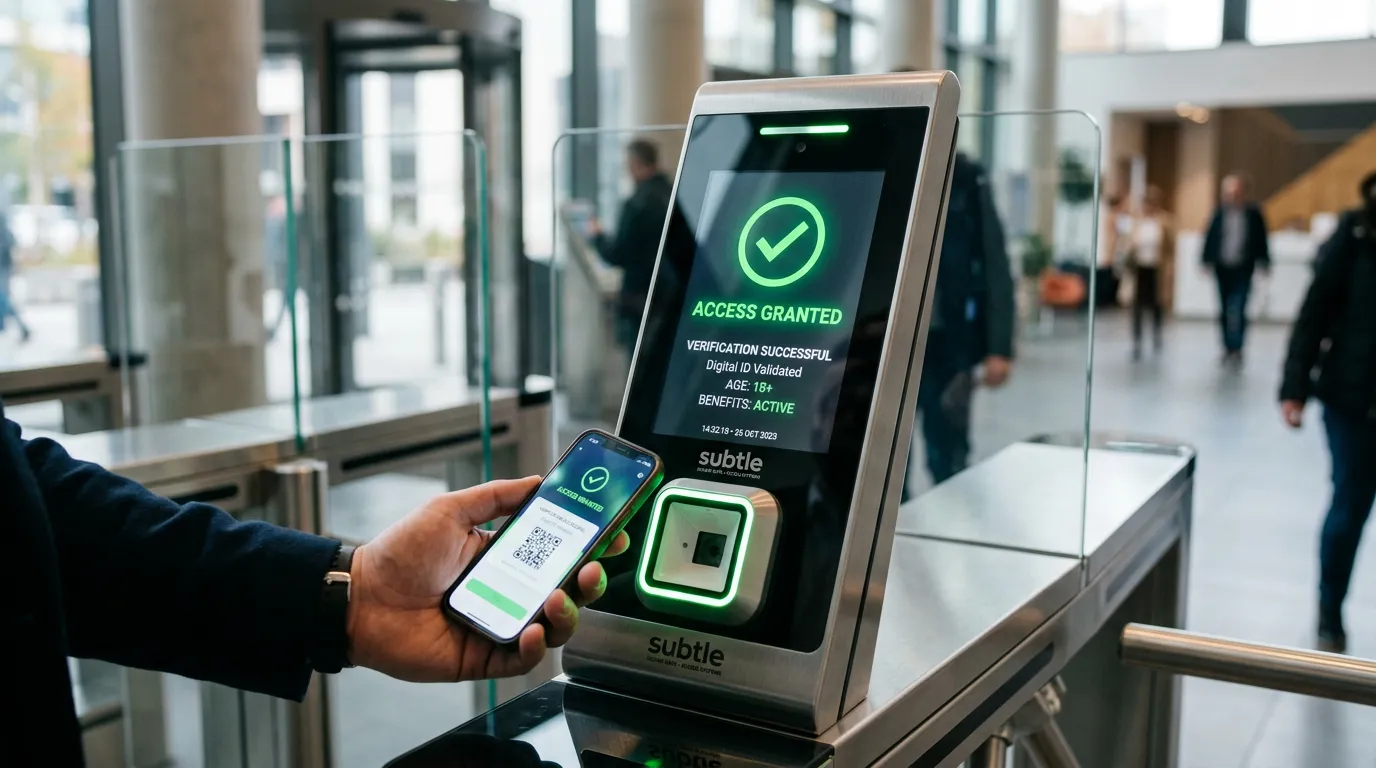
In the near future, similar mechanisms could expand to other cultural institutions, universities and public service organizations across Tatarstan. The most logical next stage would be to integrate Digital ID, the Unified Library Card and electronic library services into a single digital ecosystem.
Experts believe that maintaining an alternative paper-based service option will be important to ensure a high-quality user experience. Over the longer term, Digital ID could become one of the primary ways citizens confirm specific attributes – such as age, eligibility for benefits, student status or large-family status – without disclosing their full set of personal information to an organization.