Russian Researchers Develop AI to Control Game Characters
A new neural model adapts character behavior in real time, making in-game relationships more dynamic and unpredictable.
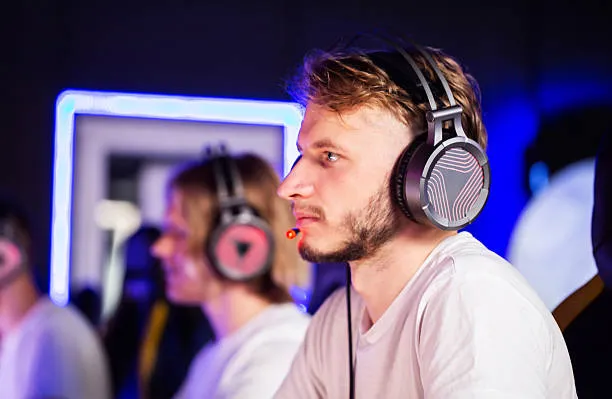
Researchers in Russia have developed an artificial intelligence model that analyzes character behavior in video games and adjusts responses based on player actions. The project was presented by Andris Ivanov, an assistant professor in the Department of Information Technology at Novgorod State University.
The AI accounts for multiple factors, including age, temperament, personality traits, attitudes toward religion, and communication style. It also considers previous interactions between characters, such as levels of affinity and the emotional tone of dialogues. The system is based on a feedforward neural network that processes input parameters and produces probabilities of responses rather than fixed outcomes, making character behavior appear more natural.
A New Gaming Reality
In traditional visual novels, players select predefined responses and storylines unfold along scripted branches. This model works differently. The AI evaluates the full set of player actions and generates character responses based on the entire interaction history. As a result, identical choices can lead to different outcomes, making character behavior less predictable and more varied.
The model was tested on the game “Vnuk Vurdalaka” (Grandson of the Vampire). Multiple possible endings were observed during testing.
Beyond Gaming
The system can be integrated into game engines and used in role-playing games and interactive storytelling. This allows developers to create more complex scenarios without manually scripting every possible path. The authors believe the approach could also be applied beyond gaming, for example to analyze human interactions in workplace environments and identify potential conflicts in advance.