Robot-Assisted Surgery Saved 10-Year-Old Girl with Splenic Cyst
A robotic surgical system helped physicians in Irkutsk remove a splenic cyst from a 10-year-old patient. The procedure is the first of its kind performed in Russia, and only a small number of similar operations have been reported worldwide. The case highlights how robotic technologies are advancing pediatric surgery while positioning Irkutsk as a growing center of clinical expertise.
Surgeons at the Irkutsk Regional Children's Clinical Hospital performed a unique procedure on a 10-year-old girl diagnosed with a cyst measuring more than five centimeters in the upper portion of her spleen. Traditionally, surgeons would excise the outer wall of the cyst and cauterize its inner lining. That technique, however, carried a significant drawback: the cyst could recur, and the procedure was associated with substantial blood loss.
30 Minutes to Save a Spleen
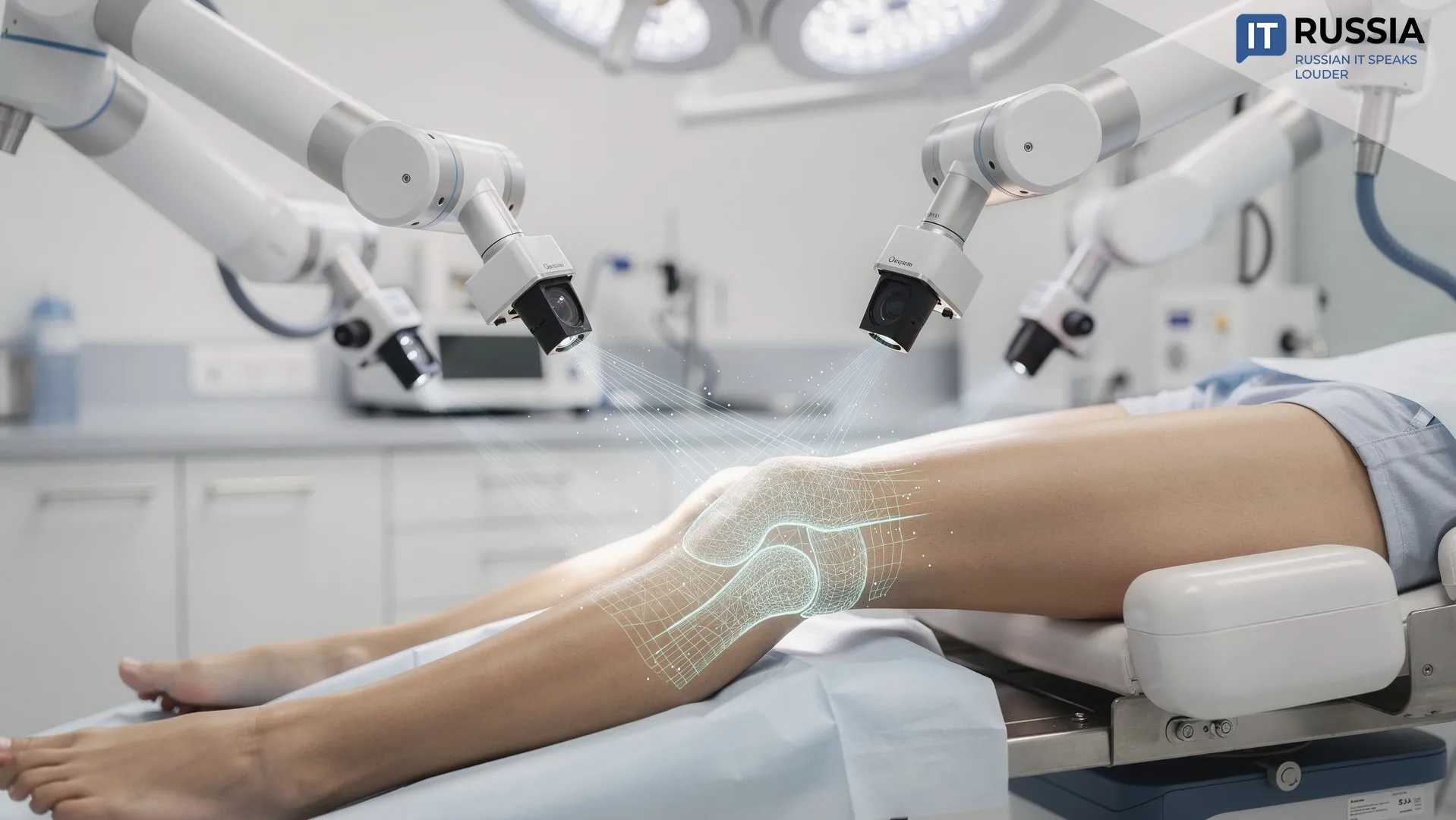
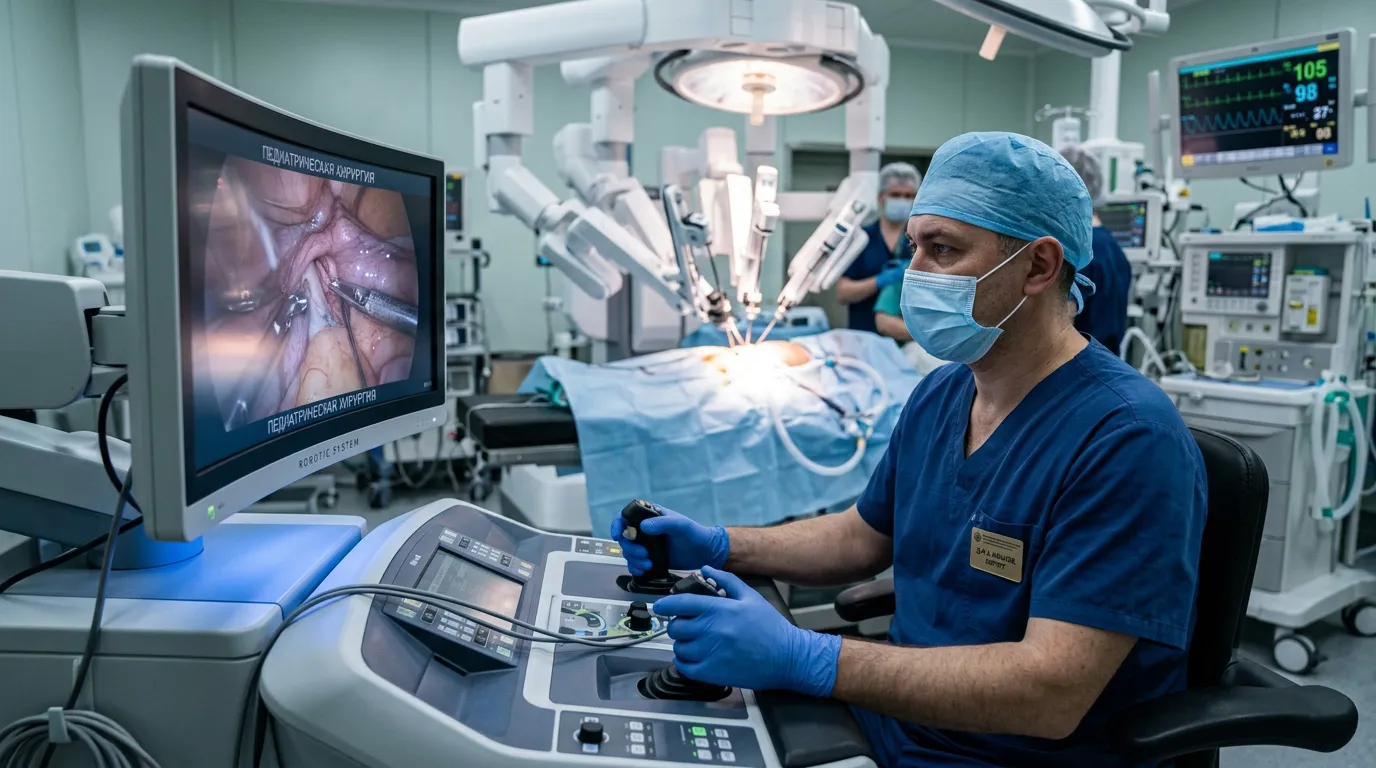
This time, the surgical team chose a different approach. They performed a partial splenic resection, removing the cyst together with the affected portion of the organ. The procedure was carried out using a robotic surgical system. Every movement of the robot remained under the surgeon's direct control: the physician guided every millimeter of tissue manipulation, while the robotic platform translated those movements with exceptional precision.
This approach enabled the team to carefully separate the spleen from surrounding organs, open and remove the cyst, and then treat the internal surface to eliminate the risk of recurrence. The entire operation lasted just 30 minutes. Blood loss was minimal. What would normally represent the greatest surgical challenge during a conventional procedure was successfully brought under control.
Minimal Blood Loss
The spleen is a highly vascular organ, making any surgical intervention susceptible to significant bleeding. The robotic platform enabled surgeons to control every millimeter of tissue while coagulating major blood vessels, virtually eliminating the risk of hemorrhage. In pediatric surgery, that level of precision is especially important because even minimal unnecessary tissue damage can influence a child's recovery.
The patient has already been discharged and will continue recovering at home. Following the procedure, physicians ruled out the possibility of recurrence.
"Robotic surgery is becoming the standard treatment approach for most diseases affecting children's internal organs," the Irkutsk surgical team noted.
A New Center for Pediatric Surgery
Irkutsk Regional Children's Hospital has been developing its robotic surgery program since December 2022, when physicians performed their first seven robot-assisted procedures. By 2024, that number had grown to 100. The program treats patients up to 18 years of age, and the reduced diameter of the robotic instruments makes surgery possible even for infants.
Today, the Irkutsk region is positioning itself as one of Russia's leading centers for pediatric robotic surgery. The hospital now treats patients not only from other Russian regions but also from abroad.
As advanced surgical technologies become available in regional hospitals, patients benefit from shorter waiting times, lower out-of-pocket costs for families and faster postoperative recovery. For families living far from Moscow and St. Petersburg, these technologies provide a realistic opportunity to receive highly specialized medical care closer to home, without traveling thousands of kilometers, paying for transportation and accommodations or waiting months for treatment while valuable time is lost.
The experience in Irkutsk demonstrates how regional centers of excellence are emerging. Physicians there are doing more than adopting advanced technologies; they are building their own clinical and scientific expertise. As for robot-assisted pediatric procedures, they remain a relatively specialized field worldwide, making the experience accumulated by the Irkutsk team particularly valuable.

Global Significance and Future Opportunities
Robotic surgery is gradually expanding into pediatric care, and the operation performed in Irkutsk reflects that broader global trend. Irkutsk surgeons already collaborate with colleagues in Mongolia, performing pediatric procedures in Ulaanbaatar, while international patients have also traveled to Irkutsk for treatment, including robot-assisted operations.
The hospital now plans to broaden the range of pediatric procedures performed with robotic assistance. The most promising areas include abdominal surgery, urology, oncology and treatment of congenital disorders.
The strongest long-term export opportunities include training international surgeons, conducting collaborative research, developing proprietary pediatric robotic surgery techniques and providing telemedicine consultations to overseas hospitals. Larger-scale technology exports are expected to become feasible once Russia begins serial production of domestically developed surgical robotic systems.