St. Petersburg Opens Engineering Center for Future Nuclear Power Plants
Rosatom State Corporation (Rosatom) has opened a second flagship laboratory under the national technological leadership project Novye Atomnye i Energeticheskie Tekhnologii (New Nuclear and Energy Technologies) in St. Petersburg.
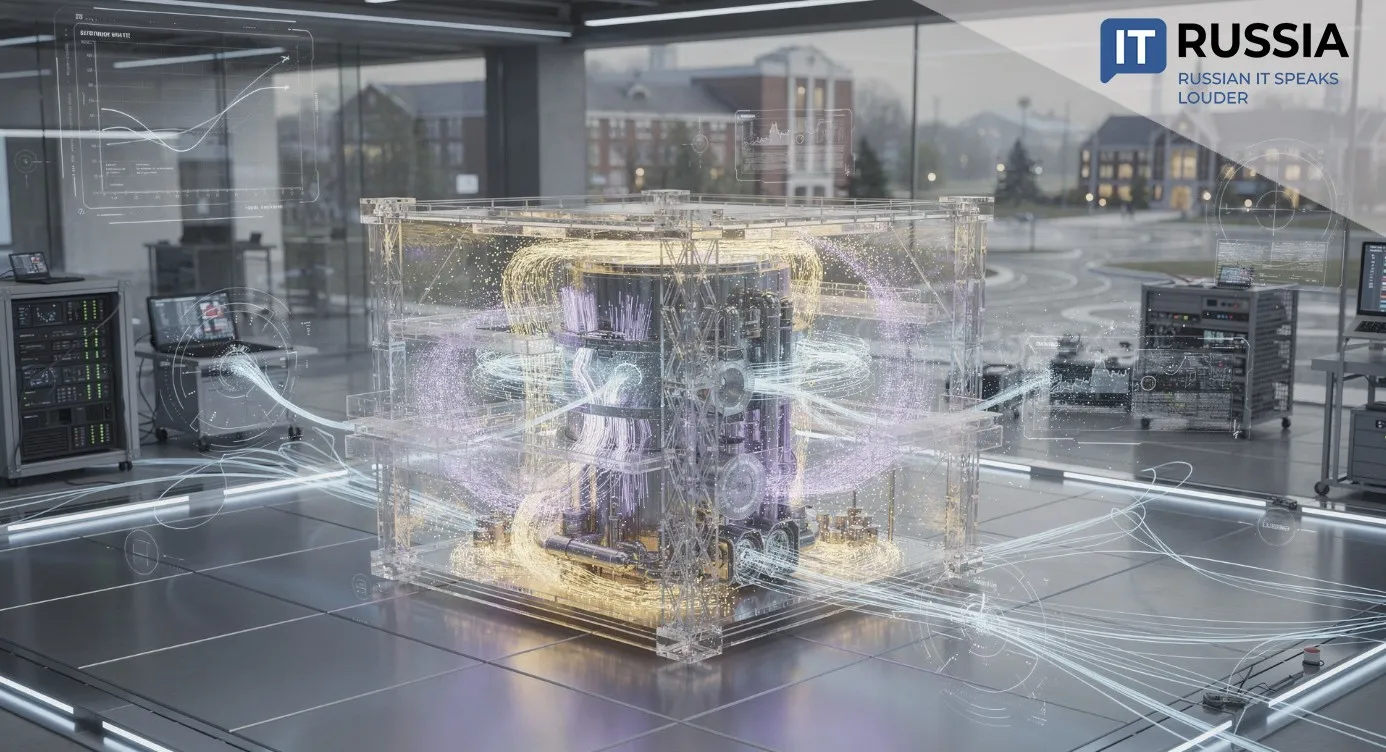
The new facility specializes in computer simulation of nuclear power plant processes and systems. This field has become one of the priority areas of the nuclear industry's digital transformation, as traditional design methods are increasingly giving way to end-to-end digital engineering tools.
The agreement establishing the consortium was signed by Rosatom, three nuclear industry organizations – Atomenergoproekt, Rosenergoatom and Proryv – together with three leading technical universities: Peter the Great St. Petersburg Polytechnic University, National Research University MPEI and R.E. Alekseev Nizhny Novgorod State Technical University. Peter the Great St. Petersburg Polytechnic University has been selected as the site for the laboratory's educational and experimental facilities.
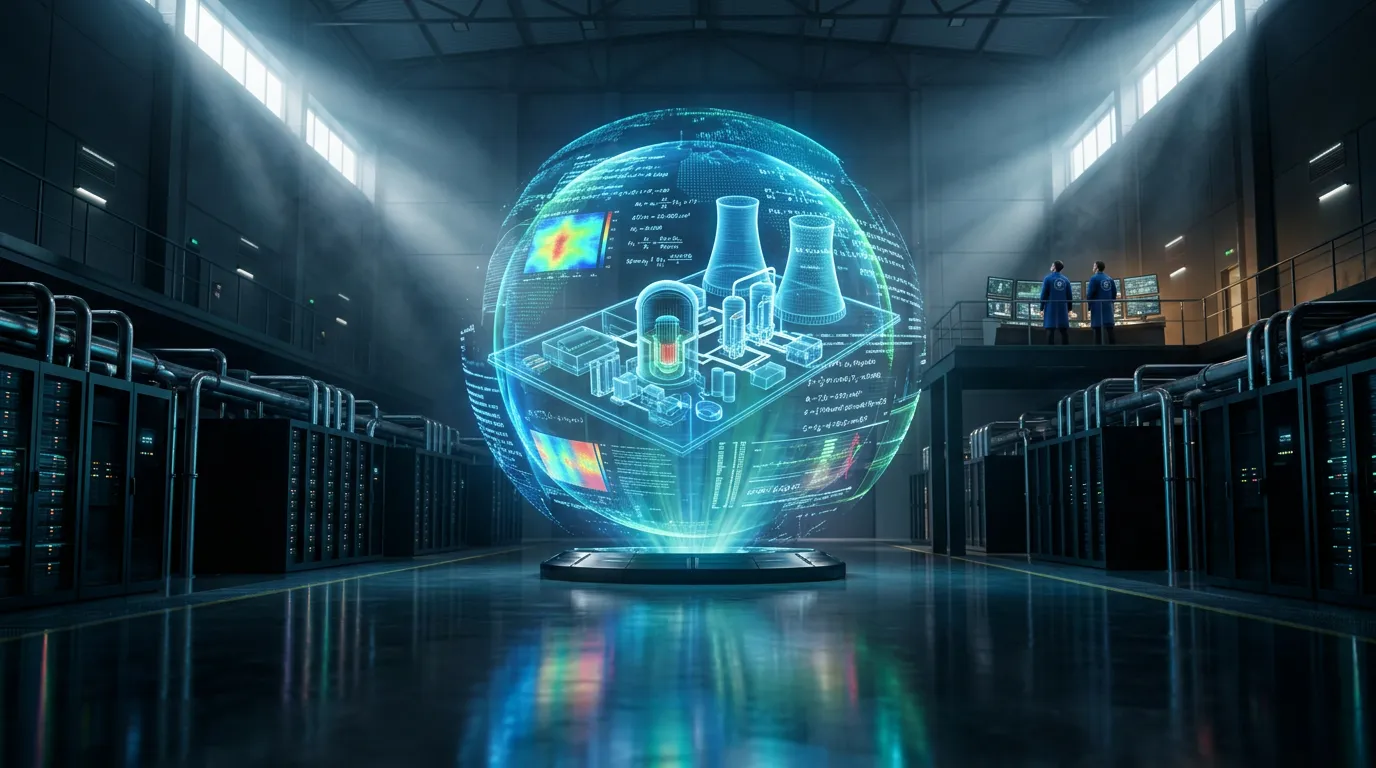
Virtual Nuclear Power Unit at the Core of the Laboratory
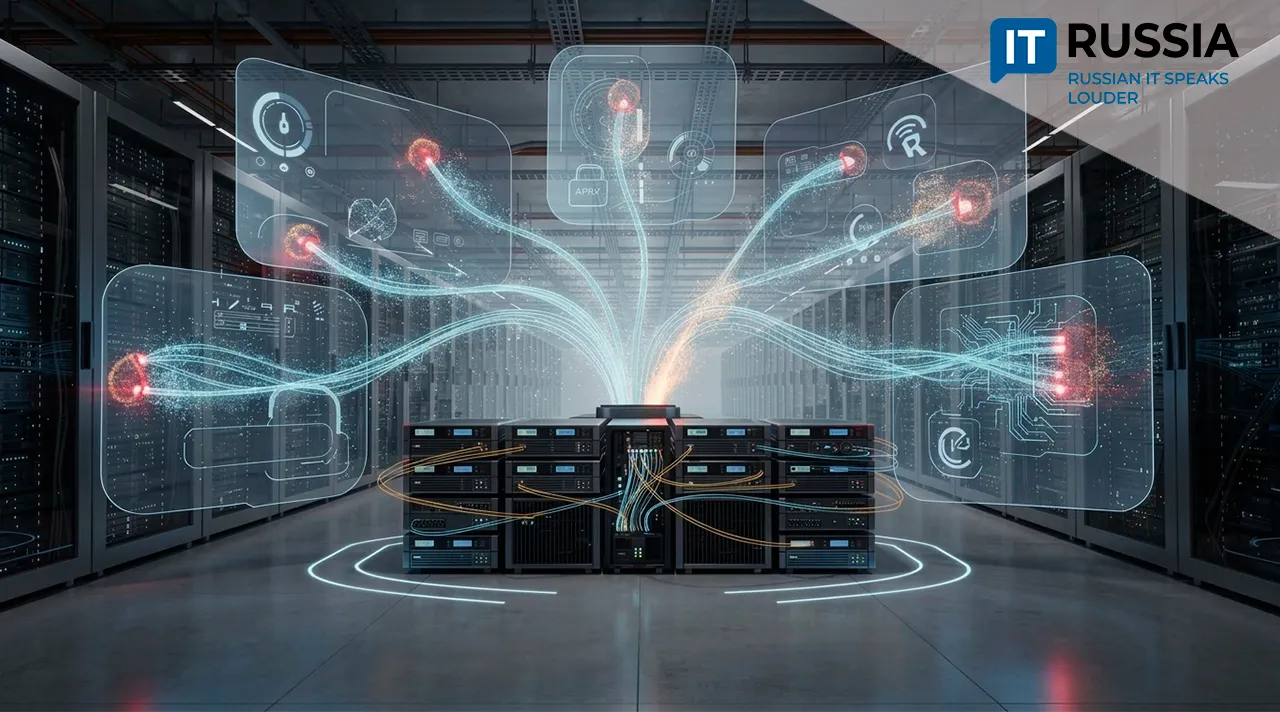
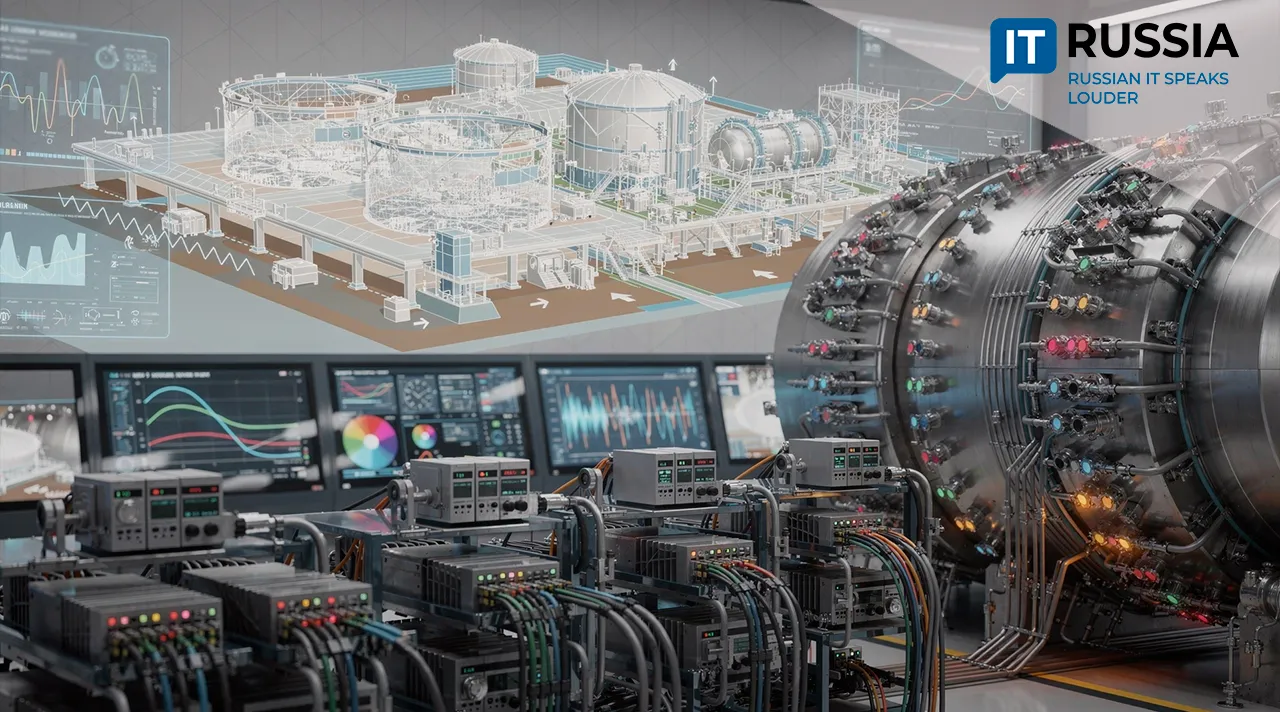
The centerpiece of the new facility is the Virtual Nuclear Power Unit (Virtualny Energoblok AES) hardware and software platform. It enables simulation of nuclear power plant equipment and systems across a wide range of operating conditions. The platform supports coupled multiphysics calculations, integrating computational fluid dynamics, heat transfer, neutron physics and structural mechanics within a single digital environment.
Engineers and students will be able to practice scenarios that would be difficult and costly to reproduce on physical test rigs. The system can simulate load-following operating modes, commissioning tests and accident progression scenarios while developing measures for their prevention or mitigation. Within the virtual environment, users can safely analyze operating conditions, evaluate the consequences of engineering decisions and even make mistakes without creating real-world risks.
Digital models help reduce both the time and cost required to validate engineering design decisions by allowing them to be tested on a virtual twin before physical trials begin.
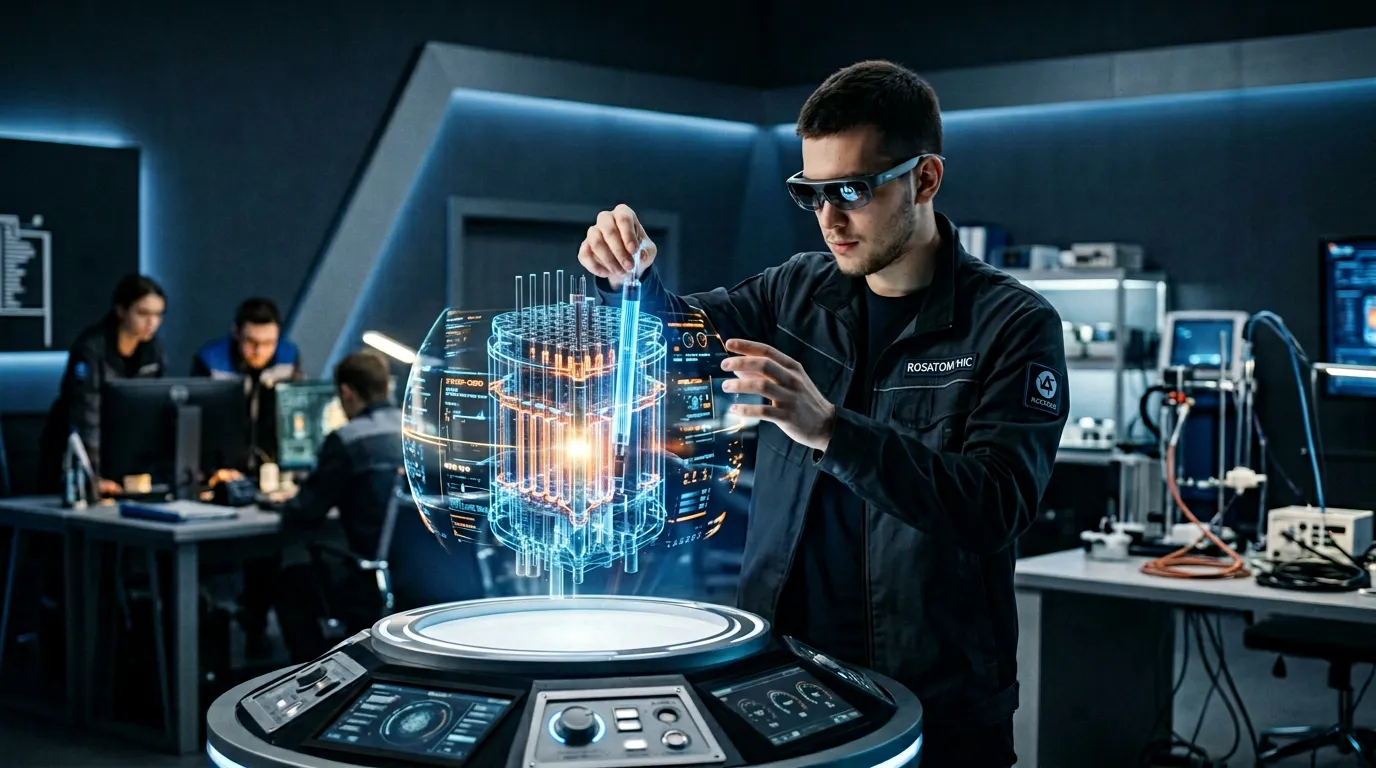
A Collaborative Network of Universities and Industry
The laboratory is built around a network-based collaboration model that brings together the expertise of universities, technology developers and equipment manufacturers. Each consortium member contributes to engineer training: design institutes define real industrial challenges, operating organizations establish competency requirements for graduates, and universities provide academic methodology and educational programs.
For design engineers, the virtual nuclear power unit environment has become a tool for carefully developing engineering calculation cases. The simulation platform links several layers of engineering work: design validation, safety verification, operating mode analysis and benchmarking of computational codes. Students and early-career engineers therefore see not an abstract assignment but a direct connection between engineering calculations, design logic and real-world plant operation.
For operating organizations, the priority is the quality of specialists entering nuclear facilities or operational support functions. Graduates must understand actual plant operating modes and equipment limitations. Put simply, the digital model narrows the gap between engineering theory and operational practice.
More than 1,000 students are expected to complete training through the laboratory by 2030. The facility will deliver eight higher education programs, continuing professional education courses, faculty development programs and international educational initiatives. Its network-based modules also allow participating scientific institutions to combine their respective strengths.
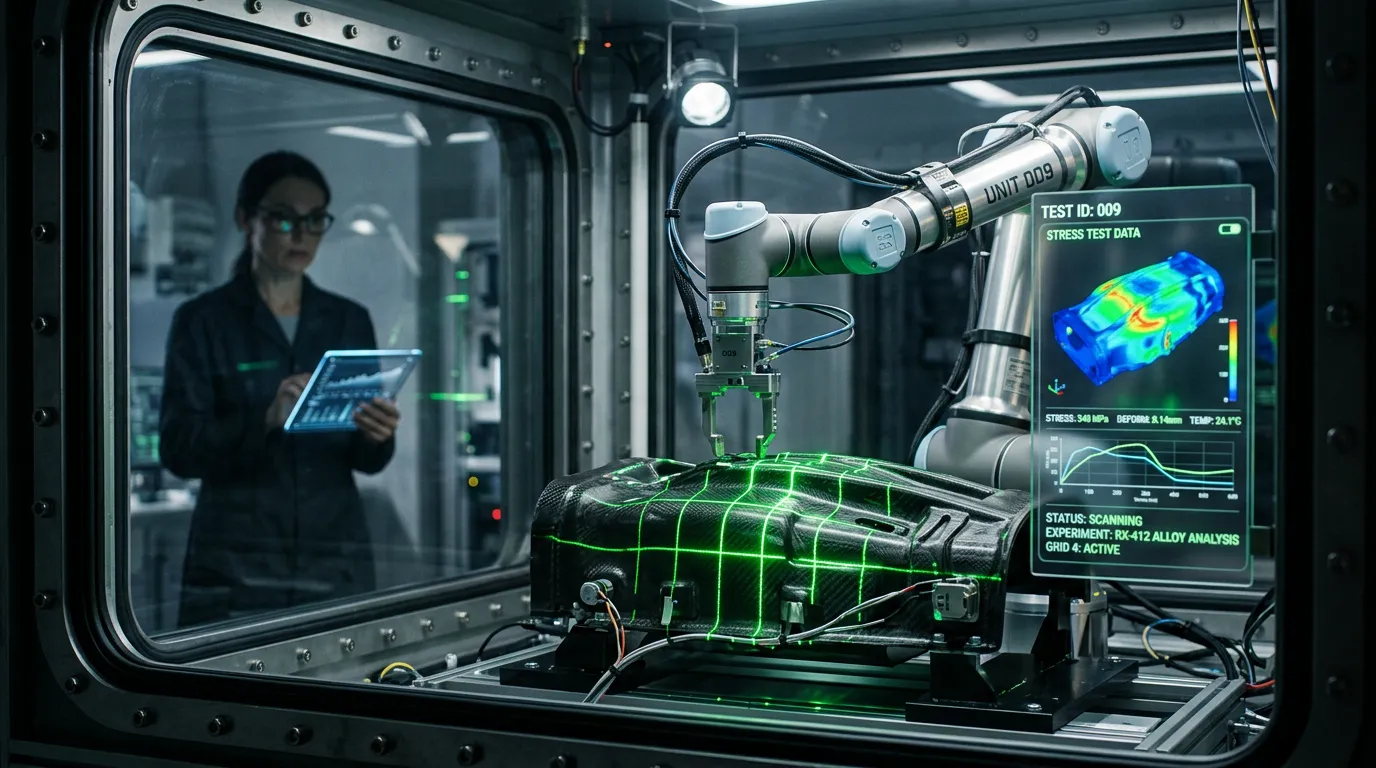
A Network of Flagship Laboratories
The new St. Petersburg facility is the second in Rosatom's network of flagship laboratories being established under the national project. The first laboratory focused on robotic technologies for next-generation nuclear energy, while the second creates the digital engineering environment for nuclear plant designers. Three additional laboratories covering other priority areas of the national project are scheduled to open by the end of 2026.
These flagship laboratories are becoming one of the key mechanisms for practice-oriented engineering education. Students and faculty work with real equipment and engineering challenges already being applied in Rosatom projects. This approach enables advanced industry technologies to move quickly into university education while strengthening the workforce needed to support global technological leadership.