AI Targets Overloaded Trucks Evading Weigh Stations
Roads deteriorate faster and crash risks increase when overloaded trucks bypass weight controls. Some drivers conceal or mask license plates to avoid fines. A new AI-powered system aims to close that loophole and ensure violators are held accountable.
How the New Neural Network Works
NtechLab has developed a neural network designed to identify drivers attempting to avoid weight and dimension inspections.
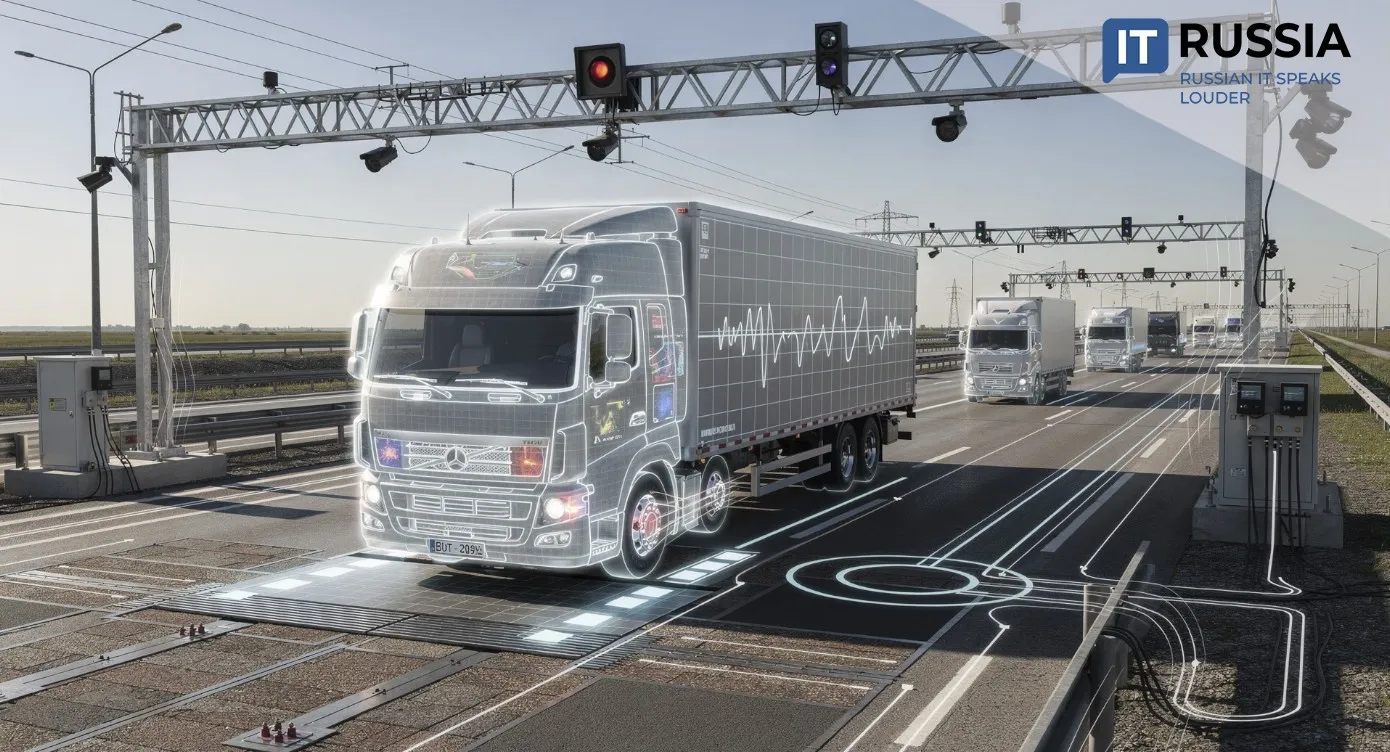
The technology operates on a straightforward principle. The system analyzes video streams from roadside cameras and flags instances where drivers attempt to deceive enforcement systems, such as covering or disguising license plates.
Pilot testing has already begun in the Kirov region, with plans to deploy the system in several additional Russian regions within a year.
The importance of the development lies in addressing one of the leading causes of accelerated pavement wear. Because the system operates autonomously without direct operator involvement, enforcement becomes more consistent and scalable.
Where Smart Enforcement Is Headed
NtechLab’s solution has strong domestic potential. Following a successful pilot in the Kirov region, the system could be implemented at the federal level. Over time, the neural network may be integrated with automated weigh-in-motion stations, traffic violation cameras and vehicle registration databases.
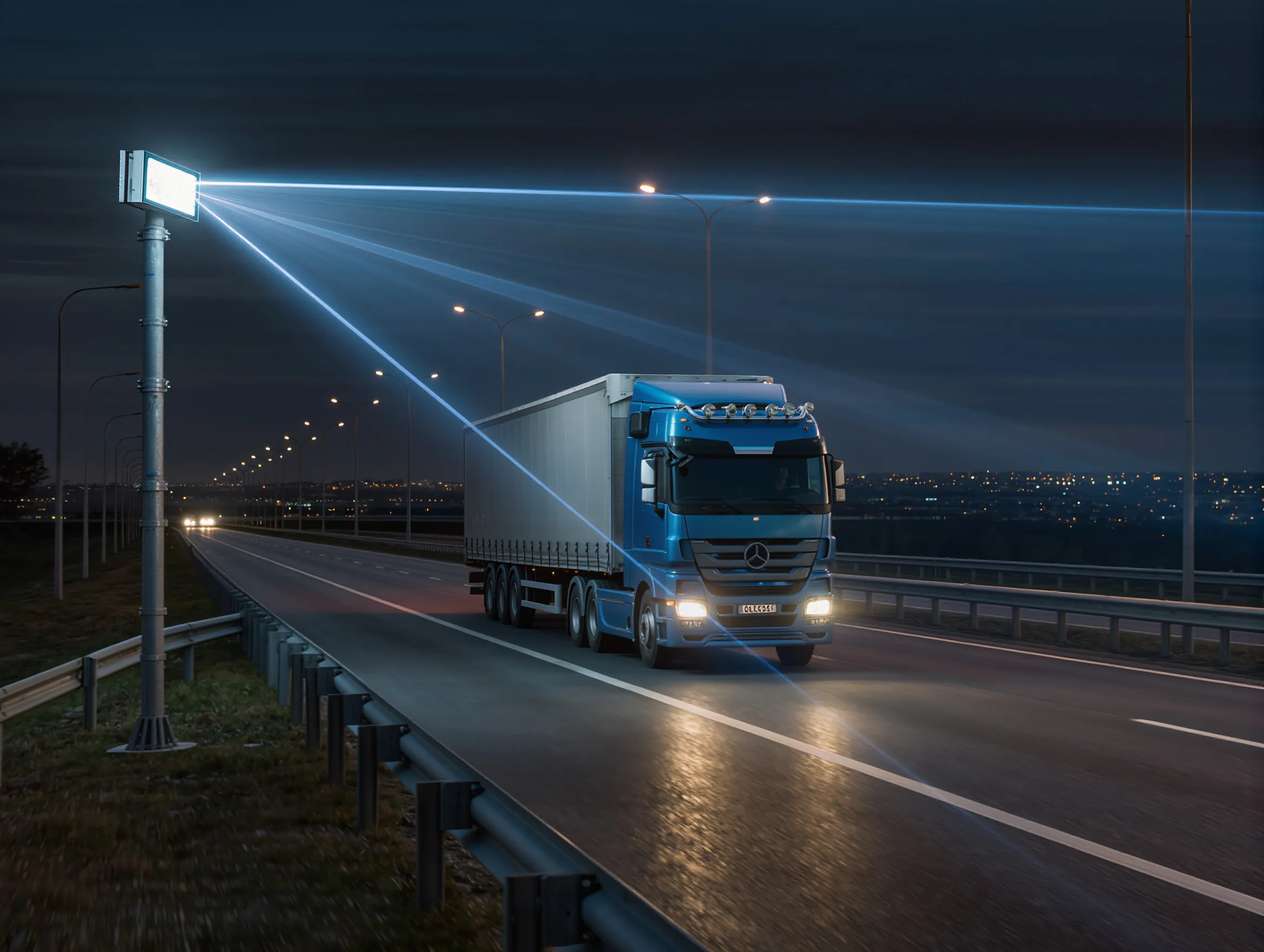
Full automation reduces corruption risks and minimizes human involvement in identifying violations. For trucking operators, stricter and more reliable enforcement sends a clear market signal. Compliance becomes less optional, potentially encouraging fleet upgrades and adherence to weight regulations.
The technology also has international potential. If pilot programs demonstrate measurable efficiency gains, countries with established automated weight control networks may take interest. Governments modernizing road oversight systems could benefit from AI-driven detection of concealed violations, improving highway safety and freight discipline.


From Weigh Stations to AI-Driven Oversight
Weight and dimension enforcement technology in Russia has developed incrementally. Between 2016 and 2020, automated truck weighing stations began rolling out nationwide, laying the groundwork for subsequent digital upgrades, including AI-based license plate recognition.
Adoption has accelerated in recent years. In 2025, the Perm region launched an AI system to detect concealed license plates at weight control stations, identifying roughly 1,000 violations. In January 2026, a similar pilot began in the Leningrad region. Results suggest that AI can materially increase inspection efficiency while reducing infrastructure strain.

Global practice reinforces this trajectory. In many countries, automated enforcement systems are being enhanced with intelligent video analytics modules. By deploying NtechLab’s solution, Russia aligns with this trend while tailoring the technology to domestic freight control requirements.
The Future of Freight Enforcement
The new system represents more than a standalone innovation. It forms part of a broader digital modernization of transport infrastructure. Trials in the Kirov region and planned expansion indicate that AI-based tools are becoming core instruments of state freight oversight.
Over the next one to three years, deployment is expected to expand across federal highways. Unified AI analytics modules may emerge that simultaneously track weight, speed and other vehicle parameters.

In the long term, the technology could move beyond Russia’s borders. Countries upgrading road safety and enforcement systems may view the solution as a practical addition to existing weigh-in-motion networks. The development not only strengthens compliance on Russian highways but also positions the country as a potential exporter of digital freight enforcement technologies.