Antoshka Goes Large: Russian IT Tools Help Children With Disabilities Speak and Hear the World
Russia has begun rolling out the interactive corrective and developmental panel Antoshka for use with children with disabilities and children with special educational needs ages 3 to 7. Sessions are embedded in the regular operations of rehabilitation centers and are provided free of charge. Here is how the technology is helping young children adapt and build essential communication skills.
Technology Growing With the Child
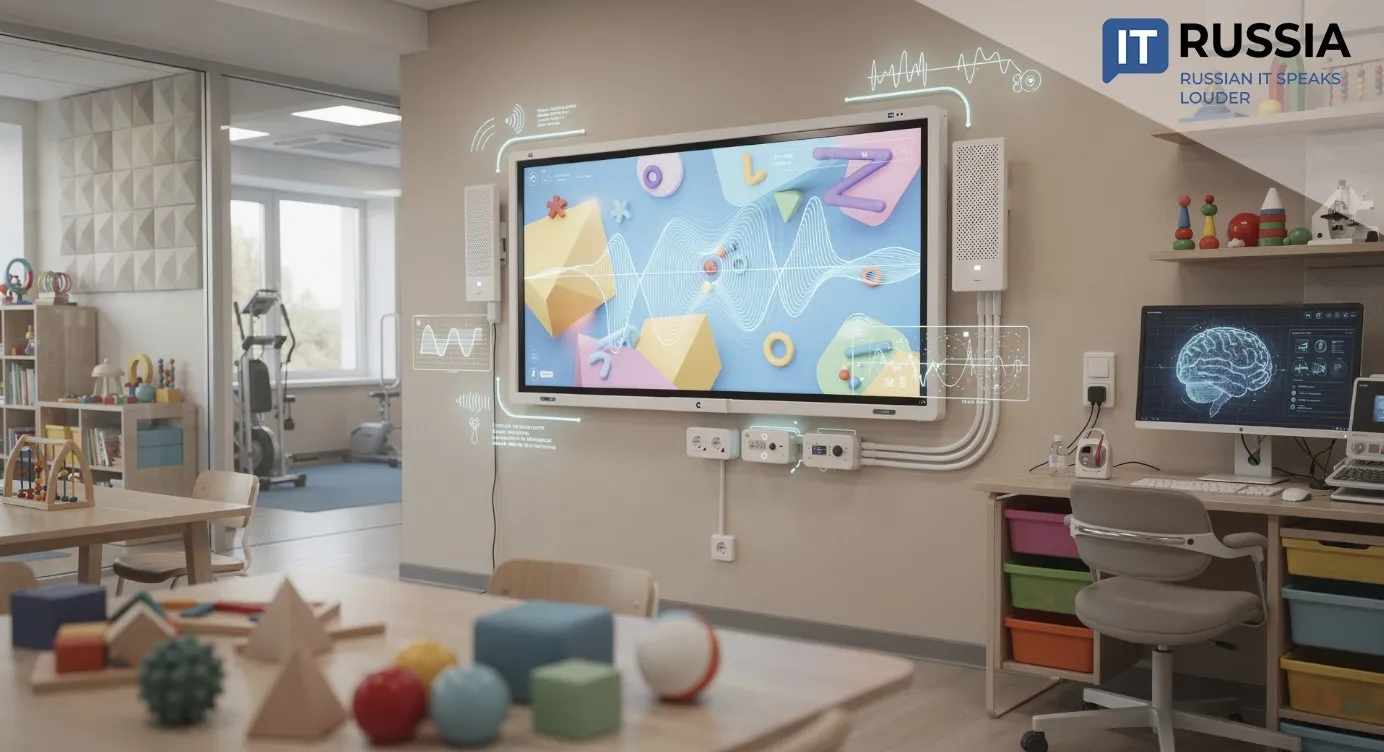
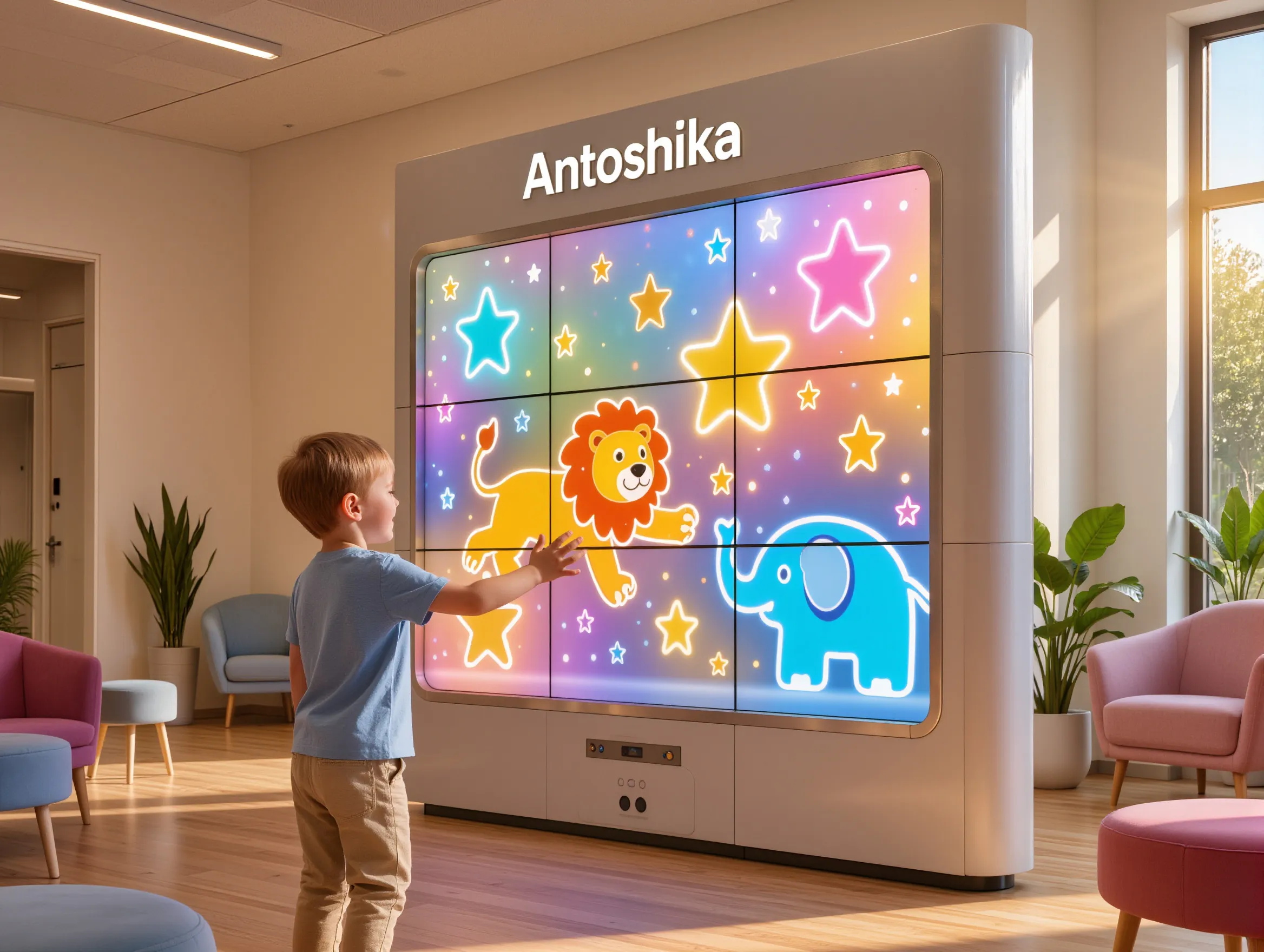
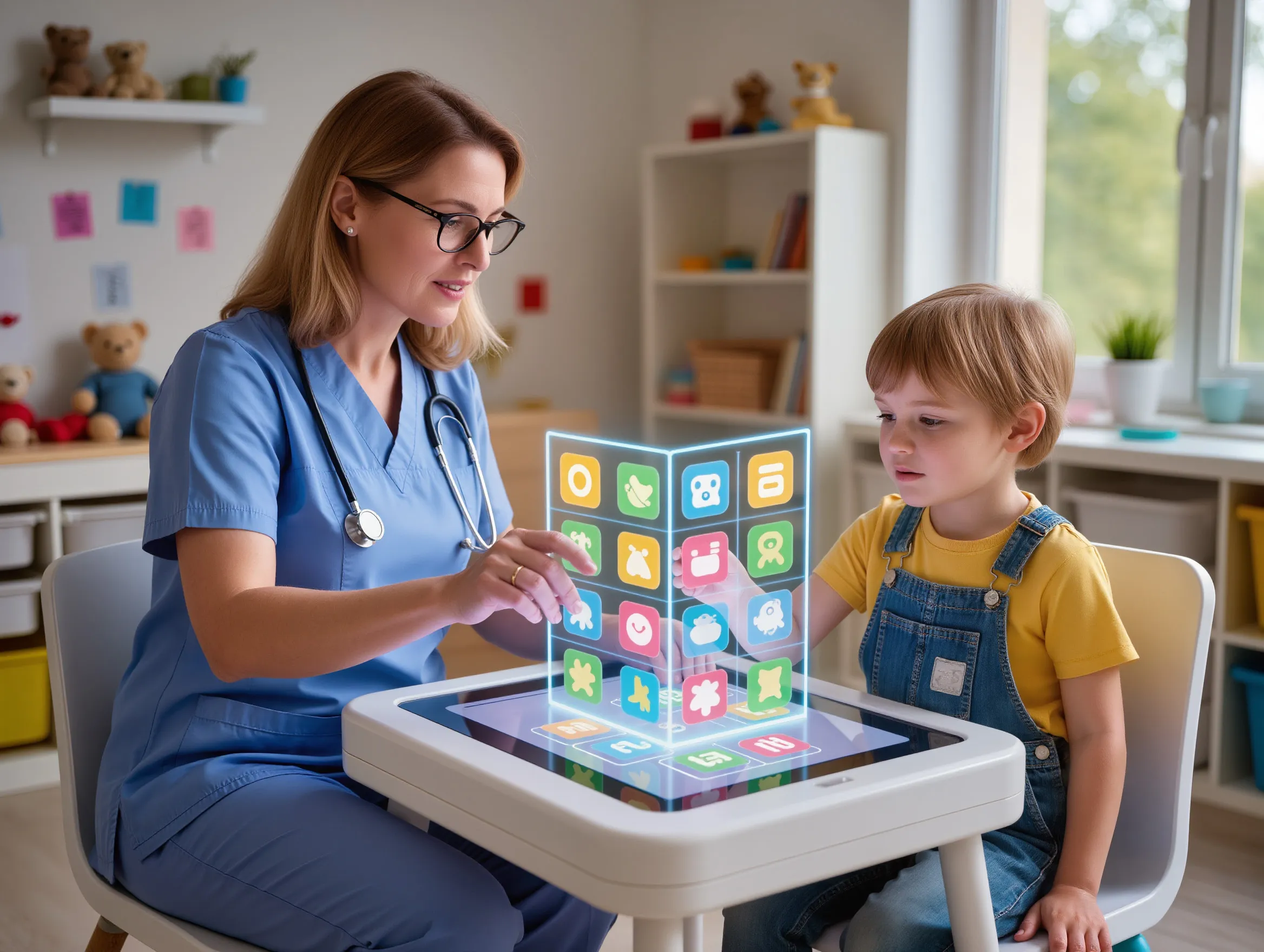
At the Serpukhovsky Comprehensive Rehabilitation Center in the Moscow Region, the Antoshka platform is helping children with special needs engage more confidently with the outside world. The system is a multimedia educational complex built around a large touchscreen display and dozens of interactive learning modules developed in consultation with speech therapists and special education specialists. The platform targets speech development, attention, memory, thinking skills, imagination and communication abilities. At the center, trained professionals tailor exercises to each child’s clinical and developmental profile. Sessions are structured flexibly – either one-on-one or in small groups of up to three children – preserving personalization while avoiding cognitive overload.
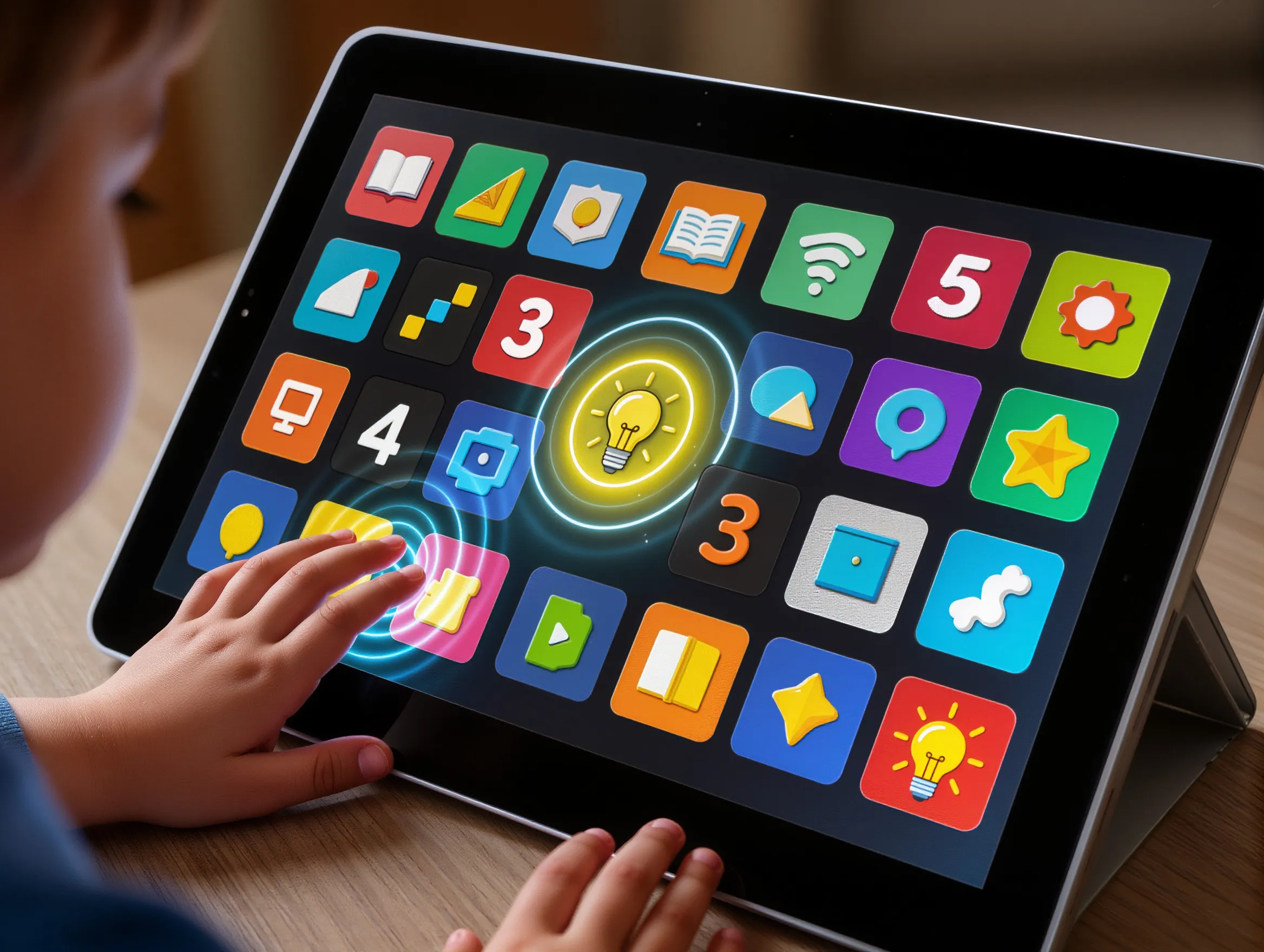
For children, the experience resembles an engaging game with colorful characters and an intuitive interface. Behind the interface, however, is a structured therapeutic methodology: exercises to expand vocabulary, correct sound articulation, develop connected speech, reinforce recognition of shapes and colors, build foundational knowledge about the surrounding world and train memory and attention.
How It Began
Five years ago, the landscape looked different. Interactive rehabilitation equipment existed, but it typically fell into one of two categories – imported systems not aligned with Russian educational standards, or one-off solutions assembled by enthusiasts in limited numbers. Families seeking interactive therapy often turned to private centers and paid specialists who could afford such equipment.
Today, a domestic production base has emerged. Several companies, primarily in engineering-focused cities such as Nizhny Novgorod, Taganrog and Tomsk, have begun designing educational hardware tailored to local needs. Rather than copying Western analogues, developers created systems designed to run on standard electrical outlets, operate without constant internet connectivity and remain usable without advanced technical training. Antoshka is one example among dozens of similar Russian-developed products that vary in name, design and feature sets. What unites them is accessibility, local availability and real-world deployment.


Built for Integration, Not Hype
The Serpukhovsky Center did not receive the equipment under a special federal initiative. The panel was installed as part of routine facility modernization. Speech therapists completed training, and children began using the system. That is what mature technology adoption looks like – integration without extraordinary administrative effort.
The Antoshka case illustrates how digital tools can be embedded organically into social support systems rather than introduced as experimental pilots.
Impact on Russia’s Rehabilitation System
For Russia’s rehabilitation framework, the key shift is that such technologies are now part of publicly funded care. Access to interactive therapeutic methods is no longer limited to private centers in major cities. Regional institutions can incorporate digital tools into standard service delivery, reducing inequality and normalizing modern intervention formats.
These initiatives are also shaping a stable domestic market for specialized software, adaptive interfaces and multimedia content for corrective pedagogy. This represents a distinct segment of the digital health and education technology market, where effectiveness, compliance with therapeutic standards and measurable outcomes matter more than visual novelty.
Russia in a Global Context
Interactive panels and game-based adaptive learning tools are widely used internationally. In this respect, Russia is following global practice by integrating touchscreen and multimedia systems into corrective programs.
From a technology standpoint, further development is likely to include adaptive assignments, embedded analytics modules for tracking progress and potential AI-driven personalization. This trajectory aligns with broader global trends in education and therapeutic technology.
With localized interfaces and content, such platforms may appeal to countries expanding inclusive education and seeking cost-effective digital tools for early childhood intervention. Russia’s experience combining digital innovation with publicly funded social services offers a case study in scalable, system-level integration.