Artificial Intelligence in Moscow Is Transforming the Urban Environment
Traditional and generative AI are being used across a wide range of the capital’s public services.

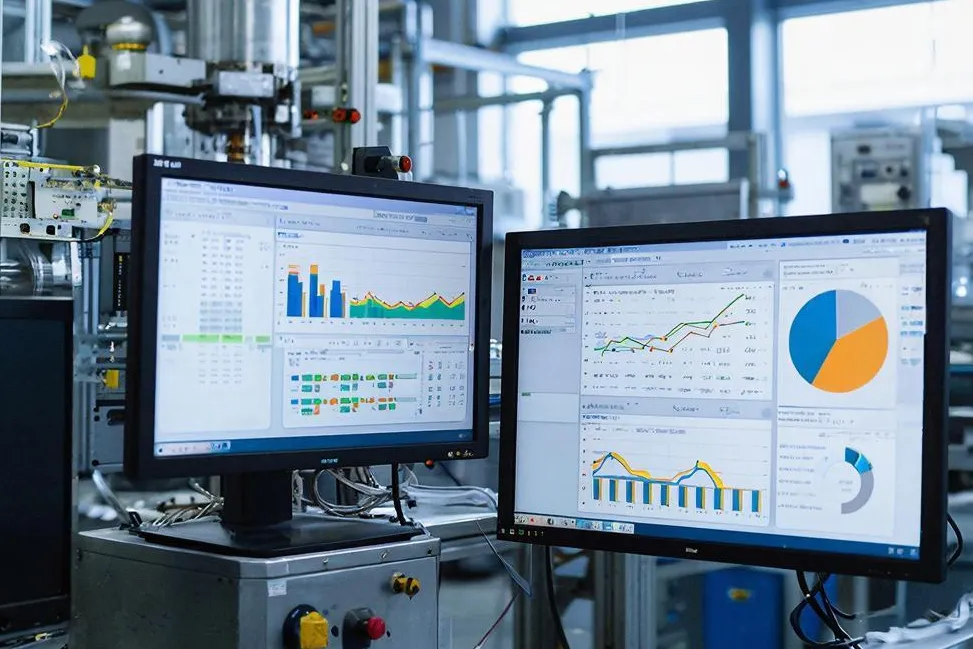
Moscow is a leader in adopting digital technologies for public administration. The city is often the first to test advanced digital tools, including several types of artificial intelligence. Examples of how these technologies are reshaping the public sector were shared on mos.ru.
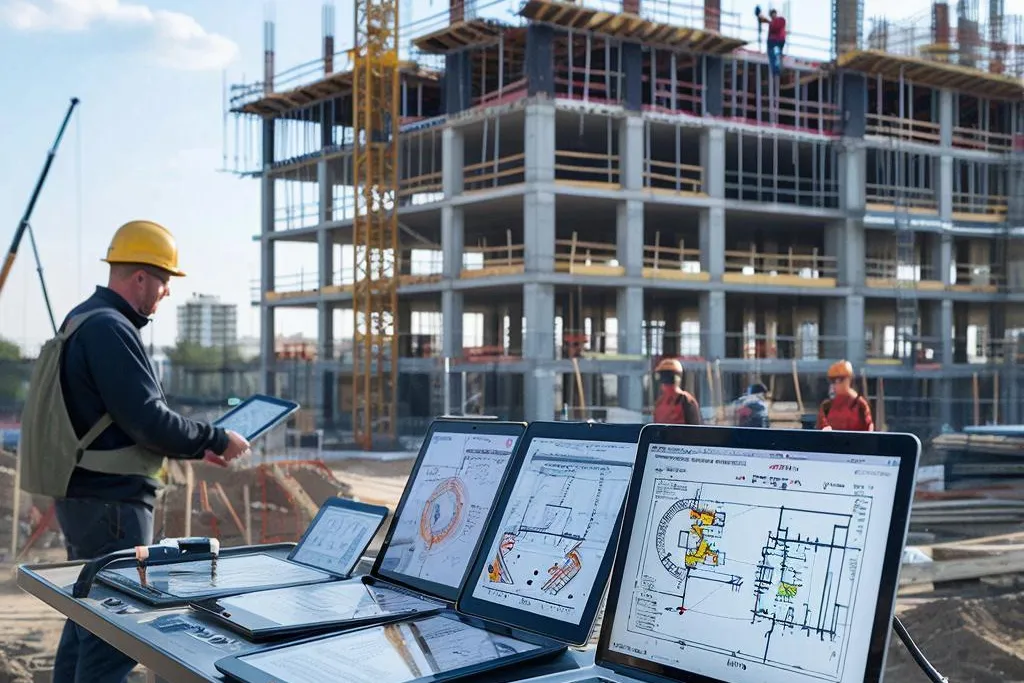
AI has become so deeply embedded that it often goes unnoticed. For example, in Moskovskaya Elektronnaya Shkola (Moscow Electronic School), a chatbot helps teachers plan lessons in line with regulatory requirements. Traditional AI is also used to check digital building models in the city’s urban planning services, making architects’ work easier.
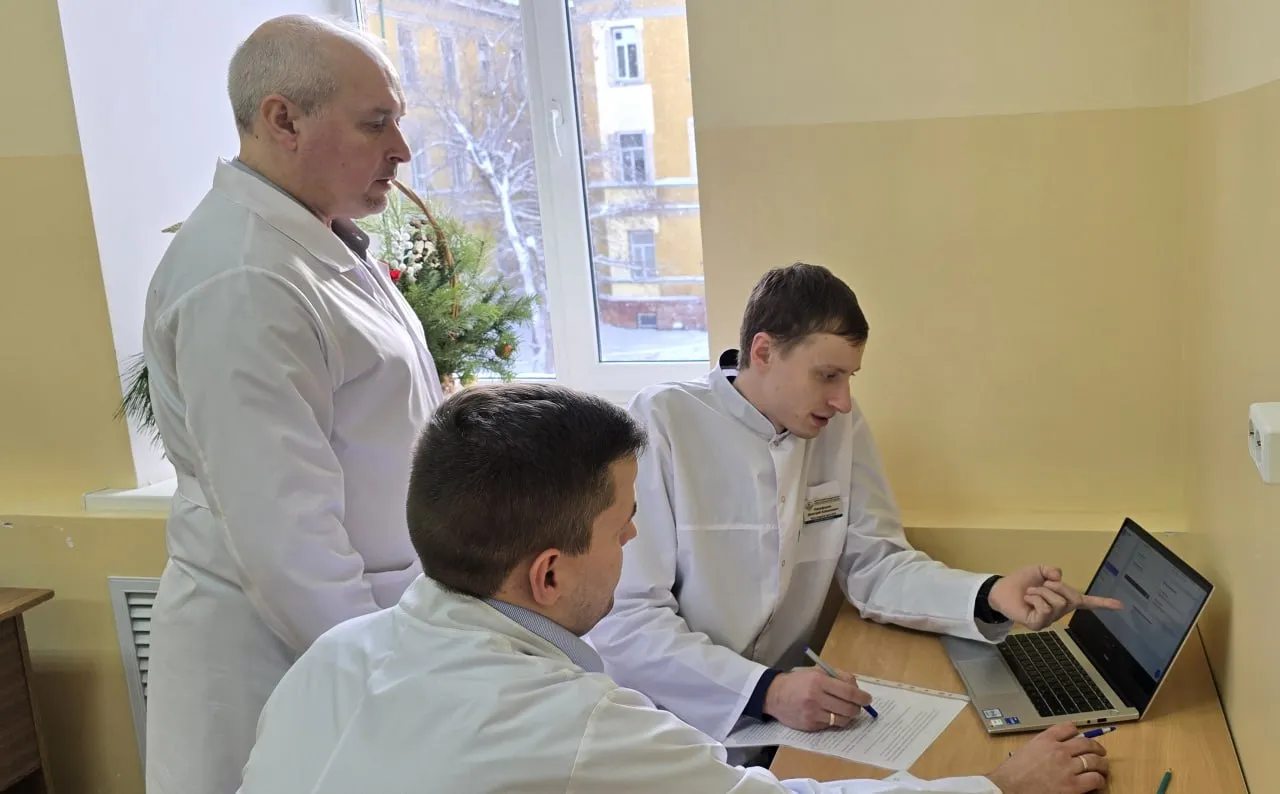
On the city’s supplier portal, AI analyzes uploaded documents and produces concise summaries. In healthcare systems, AI transfers data from a patient’s digital medical record ahead of a doctor’s appointment. In transport, neural networks are used in biometric systems.
Tasks for Generative AI
Generative artificial intelligence is now taking on more complex roles, similar to those of managers or programmers. A chatbot on a cloud platform helps specialists write code, select software components, or answer technology-related questions.
In Moscow’s digital twin, generative design tools can quickly propose comprehensive development plans for urban areas. Cultural life has also embraced the technology. One popular event, Noch Muzeev (Night of Museums) in 2025, received an entirely new visual identity created with the help of AI.
According to the Moscow Department of Information Technology, the Russian capital is one of the world’s flagships in implementing artificial intelligence.