Russia Develops Digital Twins for Operating Boiler Units
The Nazarovskaya Thermal Power Plant has been selected as the pilot site for the project.
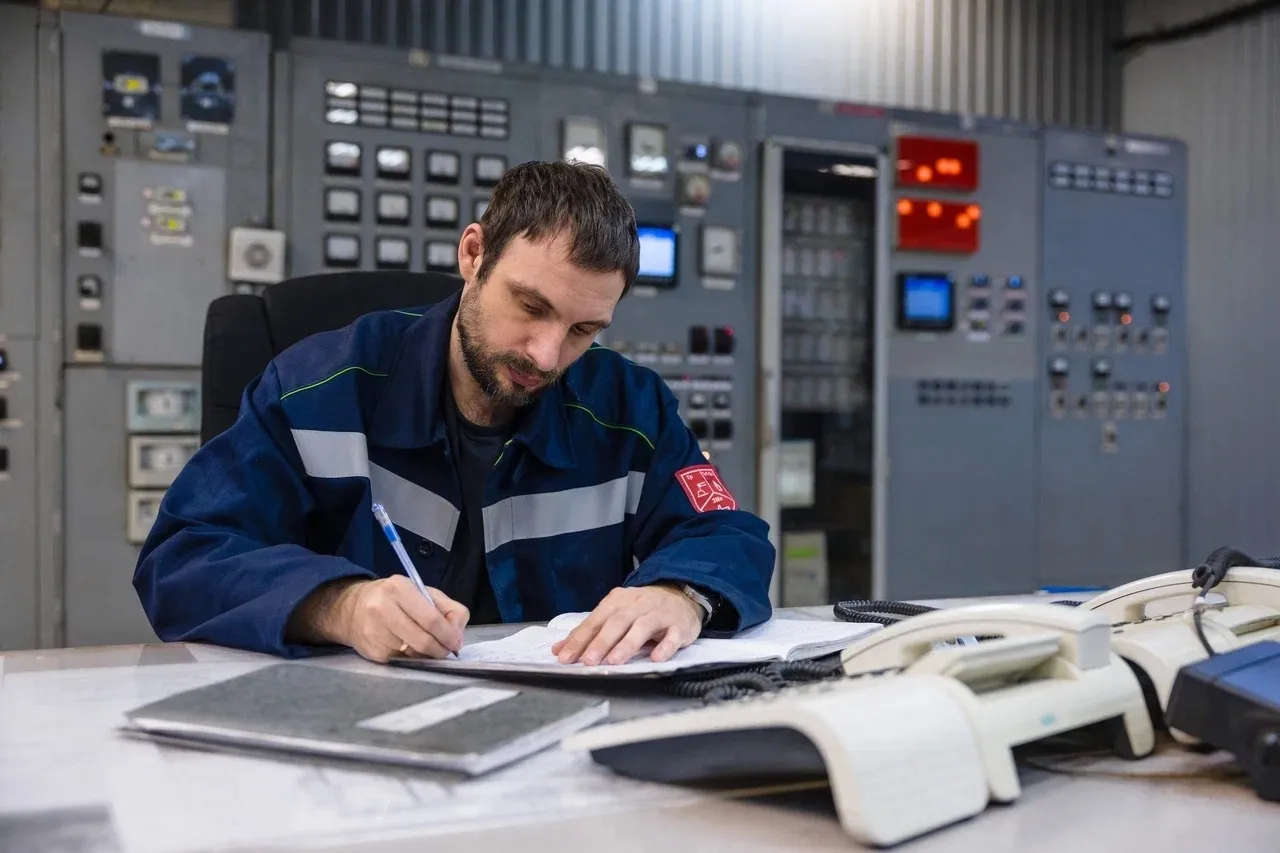
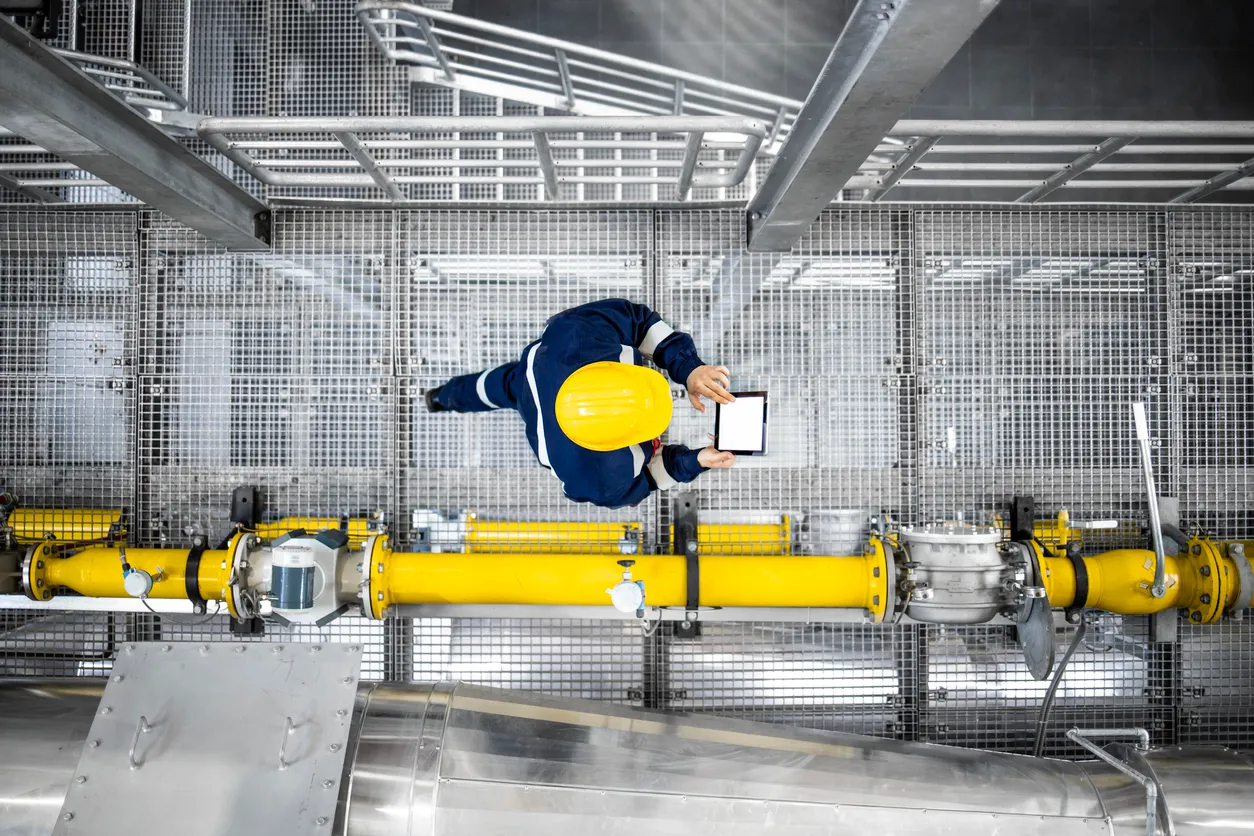
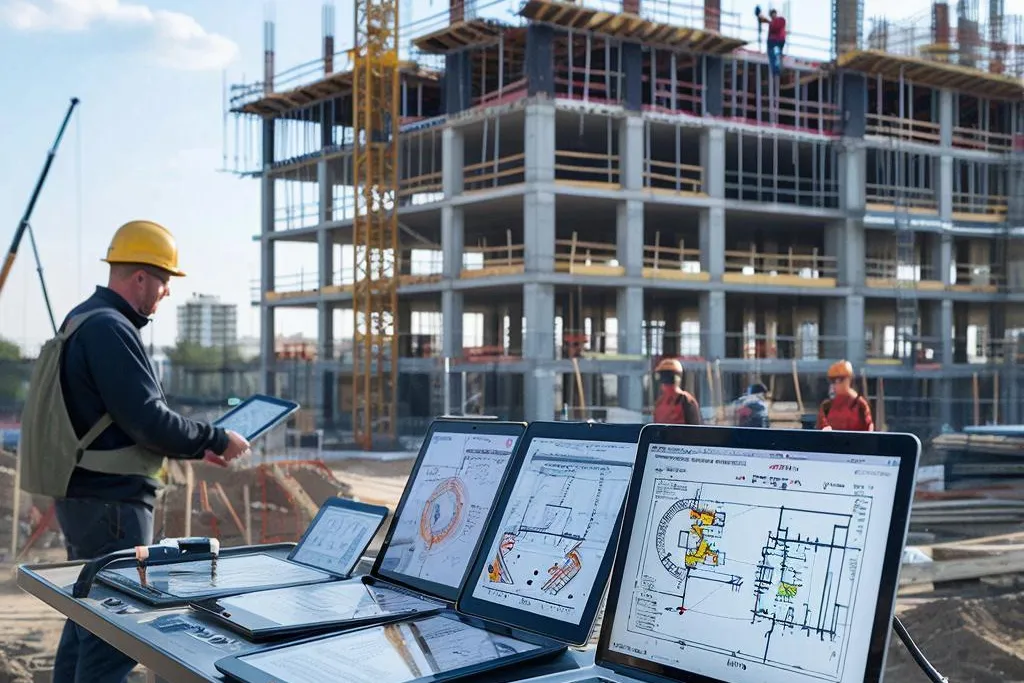
Digital twins are being developed for operating boiler units in Russia’s Krasnoyarsk Region. The Nazarovskaya Thermal Power Plant is serving as the pilot site for the initiative. Three-dimensional models have already been created for each of the plant’s 14 boilers, the NIA-Krasnoyarsk news portal reported.
Bringing Together Large Volumes of Data
The 3D models of the real-world units were developed by specialists from Siberian Federal University.
One of the key advantages of the digital twin concept is its ability to integrate large volumes of data. This information is not static and can be continuously updated. Digital technologies analyze data several times faster. A twin of operating equipment can forecast scenarios, track wear and tear, and prevent potential failures.
Seeing Beneath Casings and Metal Panels
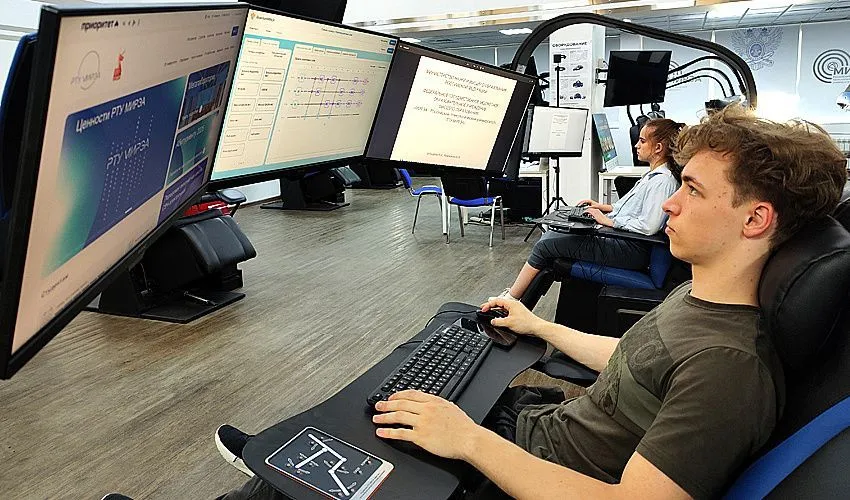
Another major advantage of using digital twins is their application in training young employees and students undergoing practical placements at power companies. Digital replicas visualize equipment components hidden beneath casings and metal panels. This gives students a full picture of what is happening inside the unit. As a result, new specialists adapt more quickly to the job and perform production tasks more effectively.
Siberian Generating Company has also created 3D models of boilers at the Primorskaya GRES. A similar project is set to be completed at the Reftinskaya GRES by the end of the first quarter of 2026.
Earlier, we reported that the Tom-Usinskaya GRES increased its generating capacity after deploying a Russian software system to manage the power grid. The solution optimizes grid operations and reduces the risk of emergency outages in an industrial region.