A Map for the Heart: Russian Algorithm Turns an ECG into an Ultrasound-Like View of Cardiac Function
Developed in Russia, a new AI-based medical technology can detect heart failure with accuracy of up to 96.5% without complex diagnostic equipment, transforming a simple ECG into an analytical tool comparable to cardiac ultrasound.
Ultrasound in Your Pocket
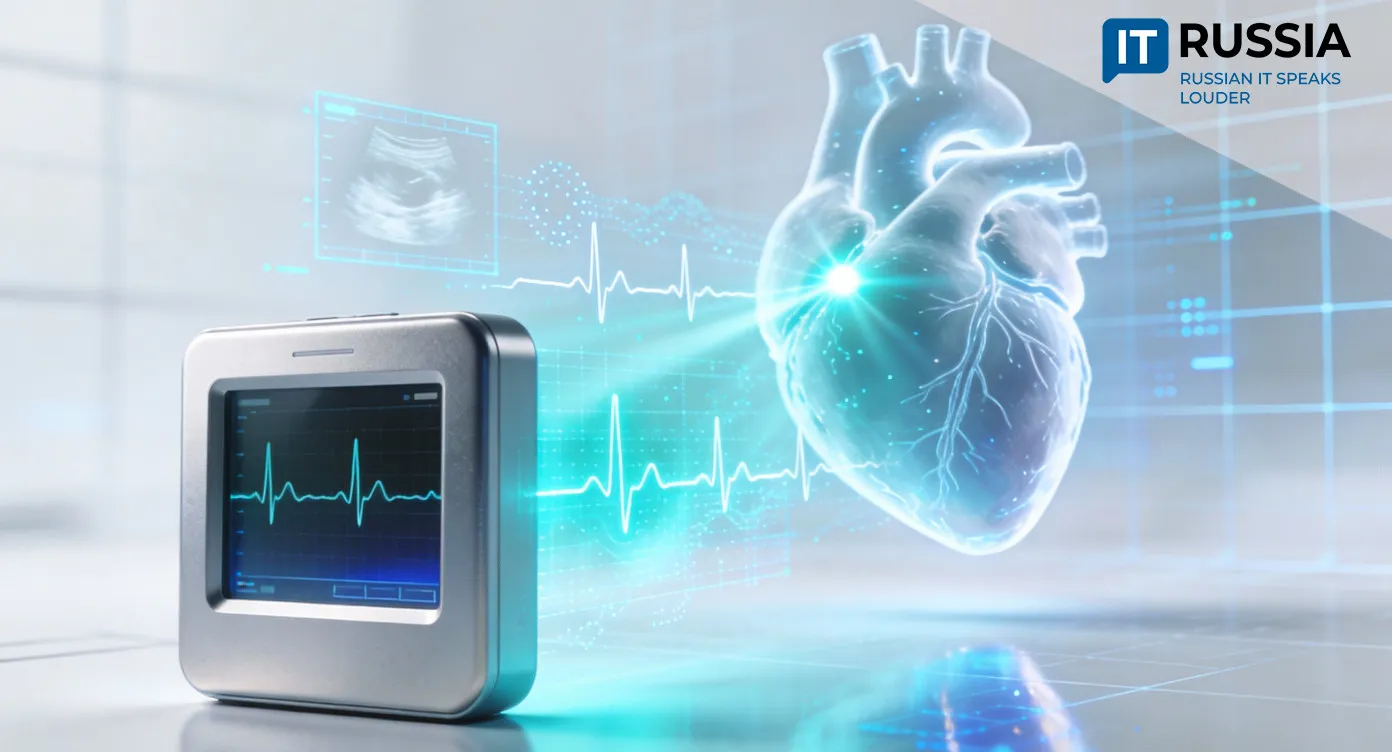
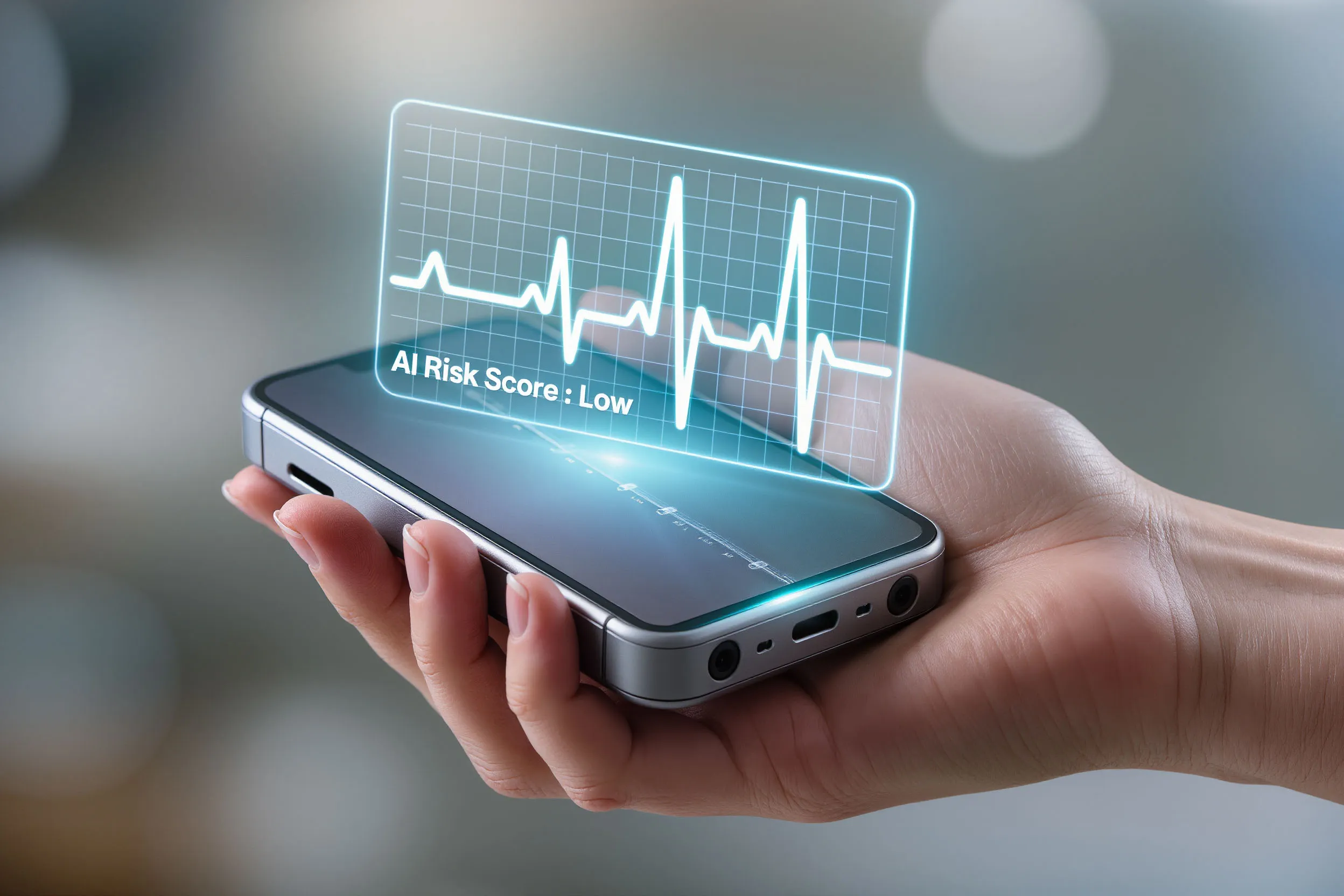
Russia’s first medical device powered by artificial intelligence and classified in the highest risk category (Class III) has received official regulatory approval. The device is a portable single-lead electrocardiograph, roughly the size of a bank card, developed at Sechenov University.
A team of scientists and engineers from the Institute of Personalized Cardiology at Sechenov University, working with an industrial partner, has completed a multi-year cycle of research, development, and clinical trials. The result is the cardiocard, a device that, after just one minute of contact with a patient’s fingers, does more than record an ECG. Using patented AI algorithms, it generates conclusions about key cardiac performance parameters comparable to those obtained through echocardiography. The system has been officially approved for clinical use, clearing the way for large-scale deployment.
A Screening Tool for Early Detection
To understand the significance of this development, it is important to move beyond familiar narratives about a technology race. Its real value lies in addressing one of the most pressing challenges in global healthcare: access to early and accurate diagnosis of cardiovascular diseases, which remain the leading cause of death worldwide.
The traditional patient pathway for suspected heart disease is often slow and fragmented. It typically involves an initial visit to a primary care physician, referral for an ECG, and, if abnormalities are detected or results are inconclusive, a further referral for cardiac ultrasound performed by a specialist. In large cities, this process can take weeks. In remote areas, it can stretch into months, and in some cases, echocardiography equipment and qualified diagnostic specialists may be hundreds of kilometers away.

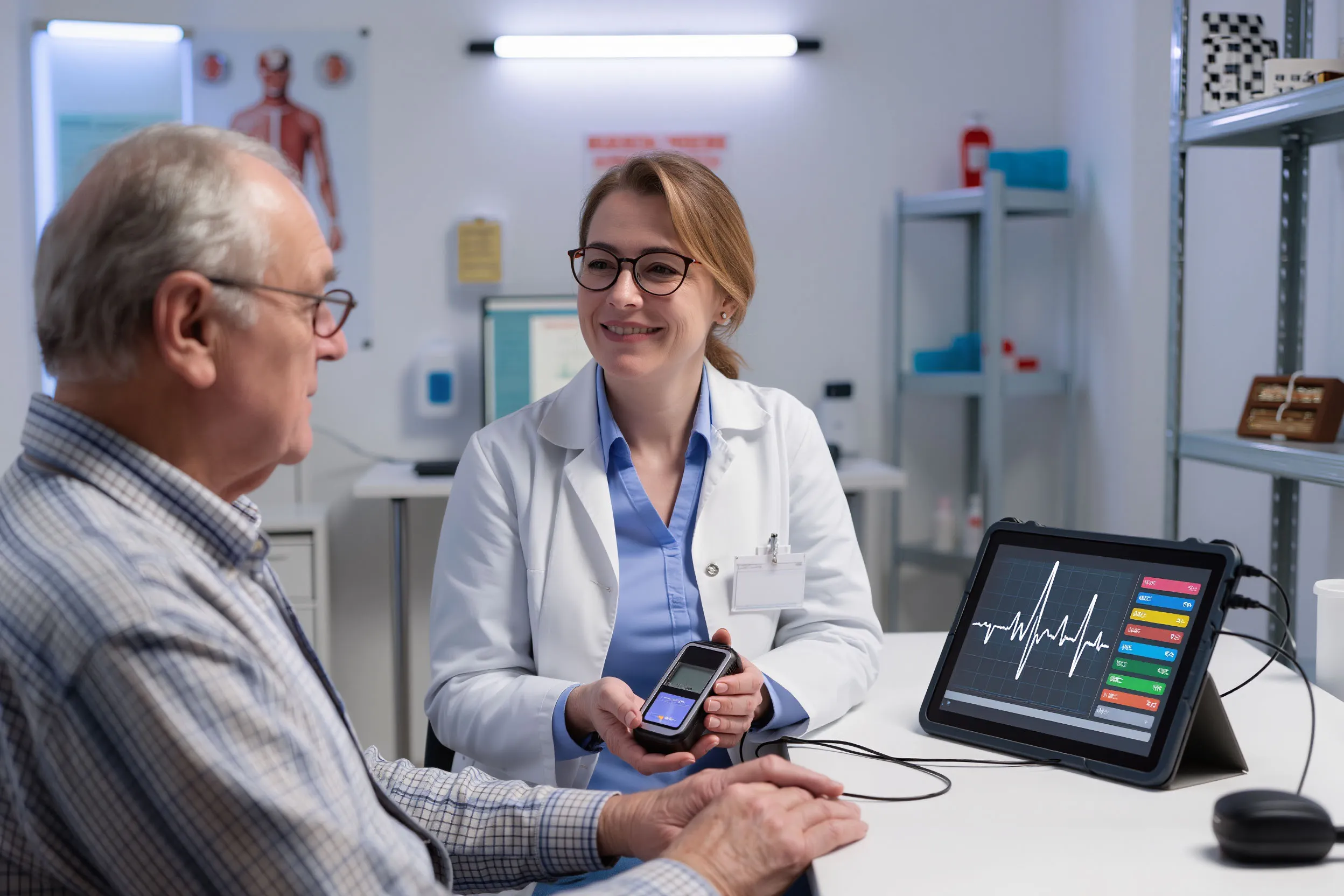
The cardiocard fundamentally changes this logic. It shifts complex diagnostic capability to the primary care level, where most patient interactions occur. A general practitioner can obtain, in one minute, not just a heart rhythm trace, but a structured assessment of the probability of systolic or diastolic dysfunction, key drivers of heart failure.
For a paramedic working in a remote medical post, the device becomes a powerful screening tool, supporting informed decisions about whether urgent patient evacuation is required.
In a telemedicine center, an operator can remotely guide a simple measurement procedure, while the algorithm delivers standardized and reproducible interpretation of results, significantly reducing the risk of human error.
Detection accuracy of 91% for reduced cardiac contractility and 96.5% for critical diastolic dysfunction are not abstract metrics. They represent statistically validated ability to identify disease at a stage when symptoms may still be subtle, but medical intervention can be most effective in preventing irreversible outcomes.
Implications for Russia’s Healthcare System
For Russia’s healthcare system and its scientific and technological sector, the significance of this development extends far beyond a single device. It directly supports a key national objective, reducing mortality from cardiovascular disease, particularly in regional and rural settings. The technology enables large-scale population screening, including during routine medical checkups, helping identify high-risk groups for heart failure and arrhythmias. Monitoring oncology patients for chemotherapy-related cardiotoxicity represents another potentially life-saving application, improving the safety of complex treatment regimens.
The project’s success reflects the strength of a research institute operating within a medical university. It demonstrates an effective collaboration model in which fundamental research in cardiac physiology is translated into a clinically validated product. The full cycle, from concept to Class III regulatory approval, creates institutional expertise that can be applied to future innovations.
The project also highlights the maturity of Russia’s IT ecosystem in one of the most demanding and highly regulated domains, healthcare. This is not a superficial digital tool, but a deeply scientific solution with clinical validation that meets stringent regulatory standards. Such achievements build trust in AI-driven medical technologies and pave the way for other development teams.
Looking Beyond National Borders
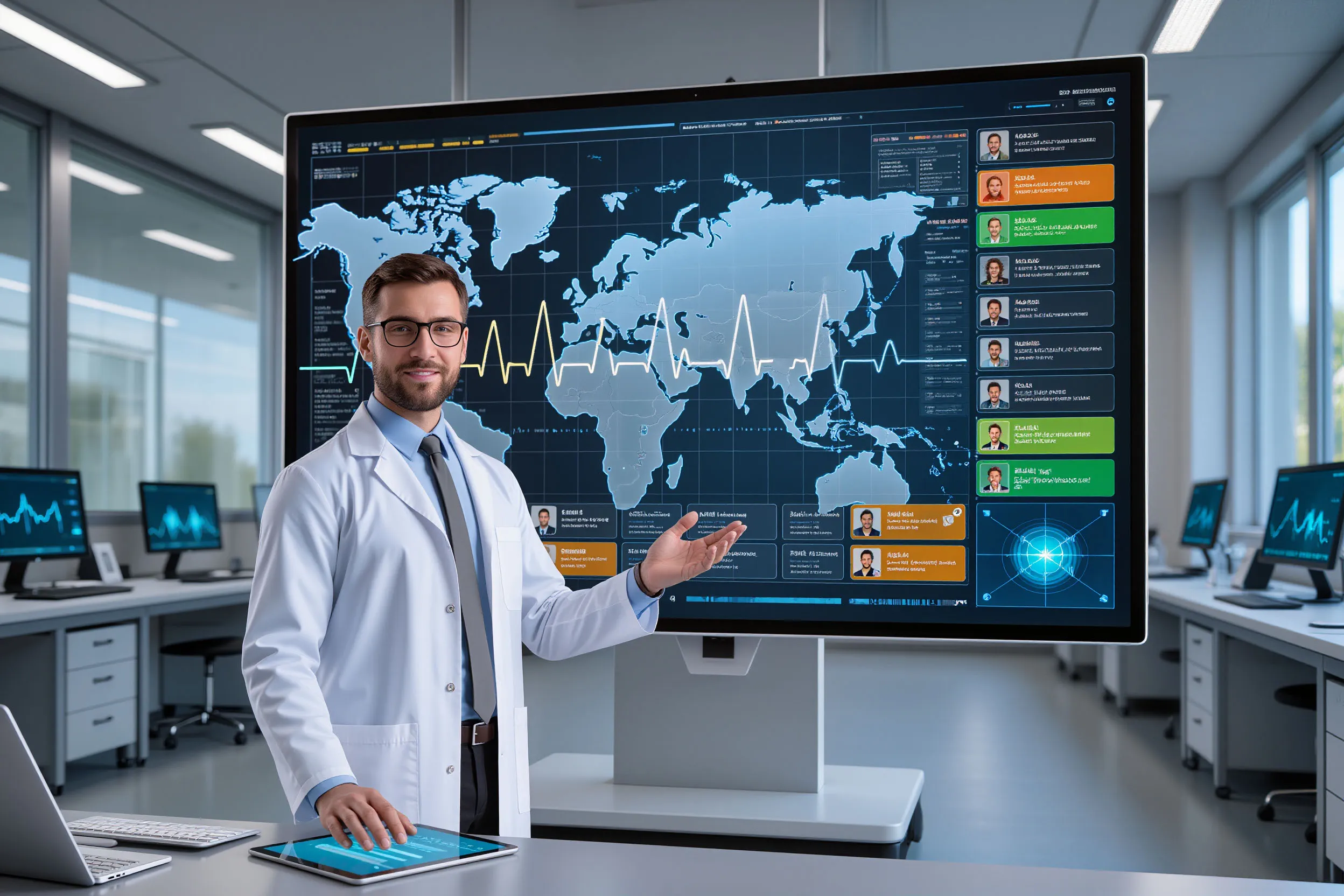
The export potential of the cardiocard and similar solutions is substantial and operates on several levels.
At the device and service level, the system is compact, easy to use, and does not require expensive infrastructure. This makes it well suited for developing countries with limited access to cardiology centers, as well as for global telemedicine and insurance-based healthcare systems, where cost-effective early diagnosis is a priority.
The core value, however, lies in the patented mathematical models trained on large clinical datasets. These algorithms could form the basis for licensing agreements with international medical device manufacturers or be integrated into their software platforms.
Finally, the successful certification of a Class III AI-powered medical device represents a rare and valuable case. It enhances the international standing of Russian medical science and bioengineering, attracts attention from global research consortia, and opens new opportunities for collaboration.