New Technologies Are Securing the Future of the Past
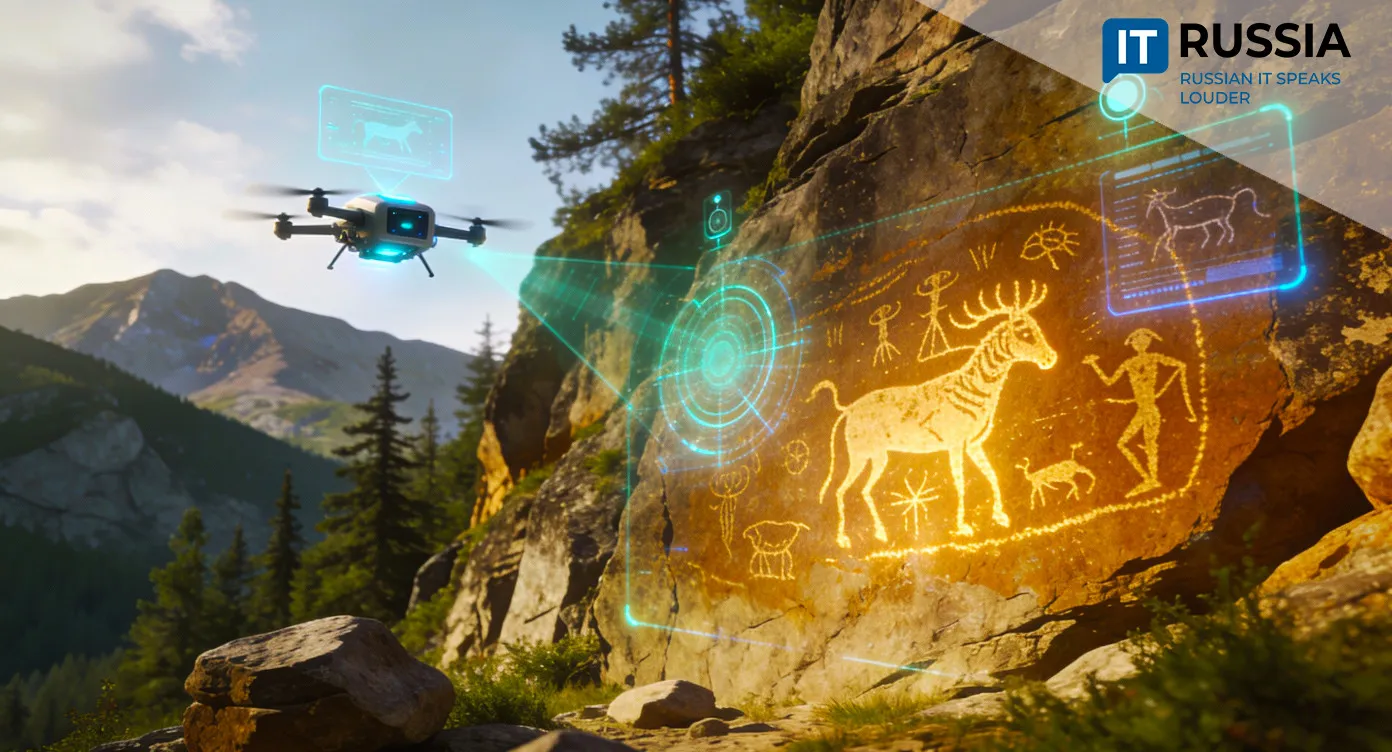
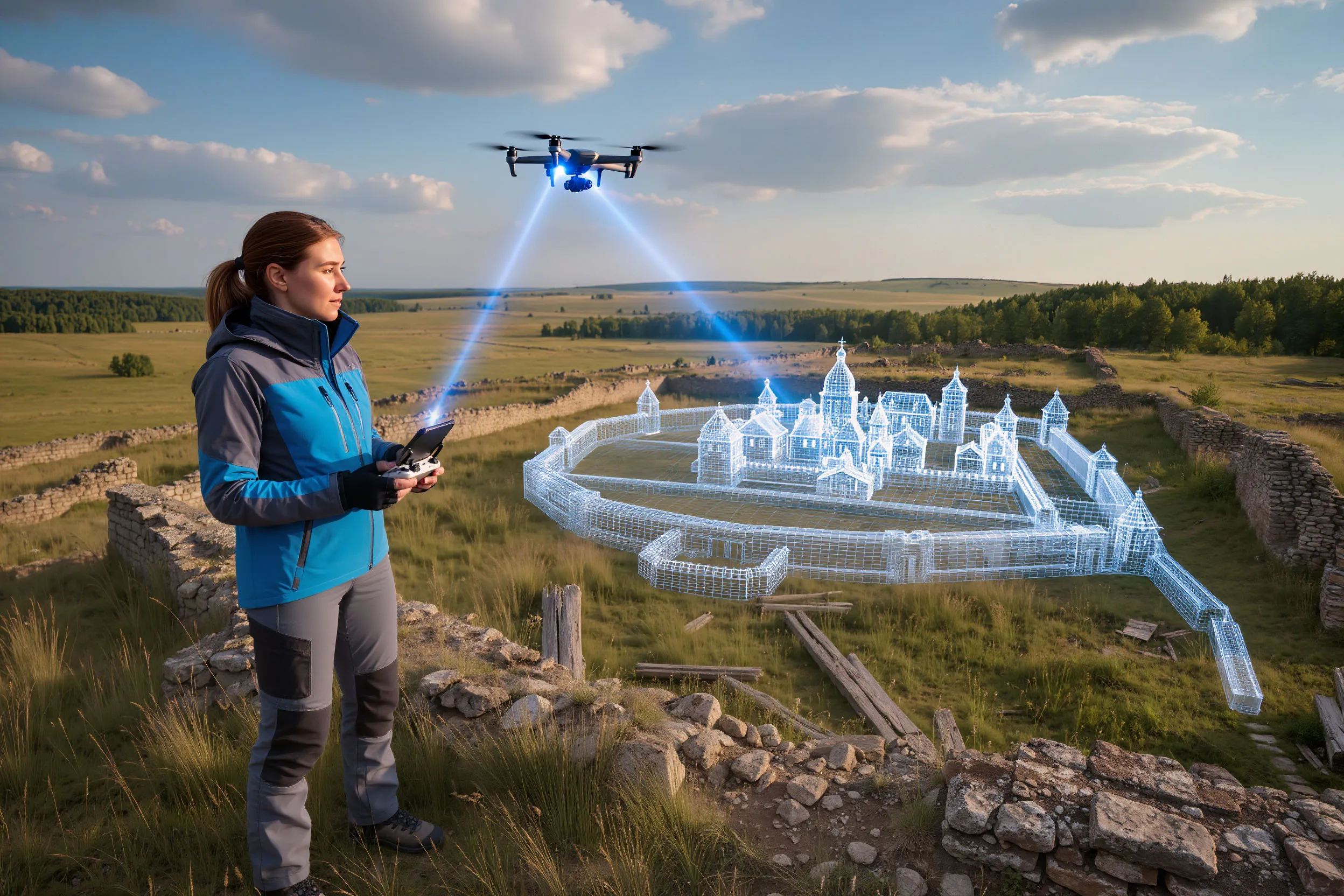
Russia is undertaking a large-scale effort to preserve both well-known and still little-studied historical and archaeological sites. The initiative centers on creating digital models of archaeological monuments, making them accessible to a broad audience and laying the groundwork for future restoration work.
An Alliance to Preserve the Past
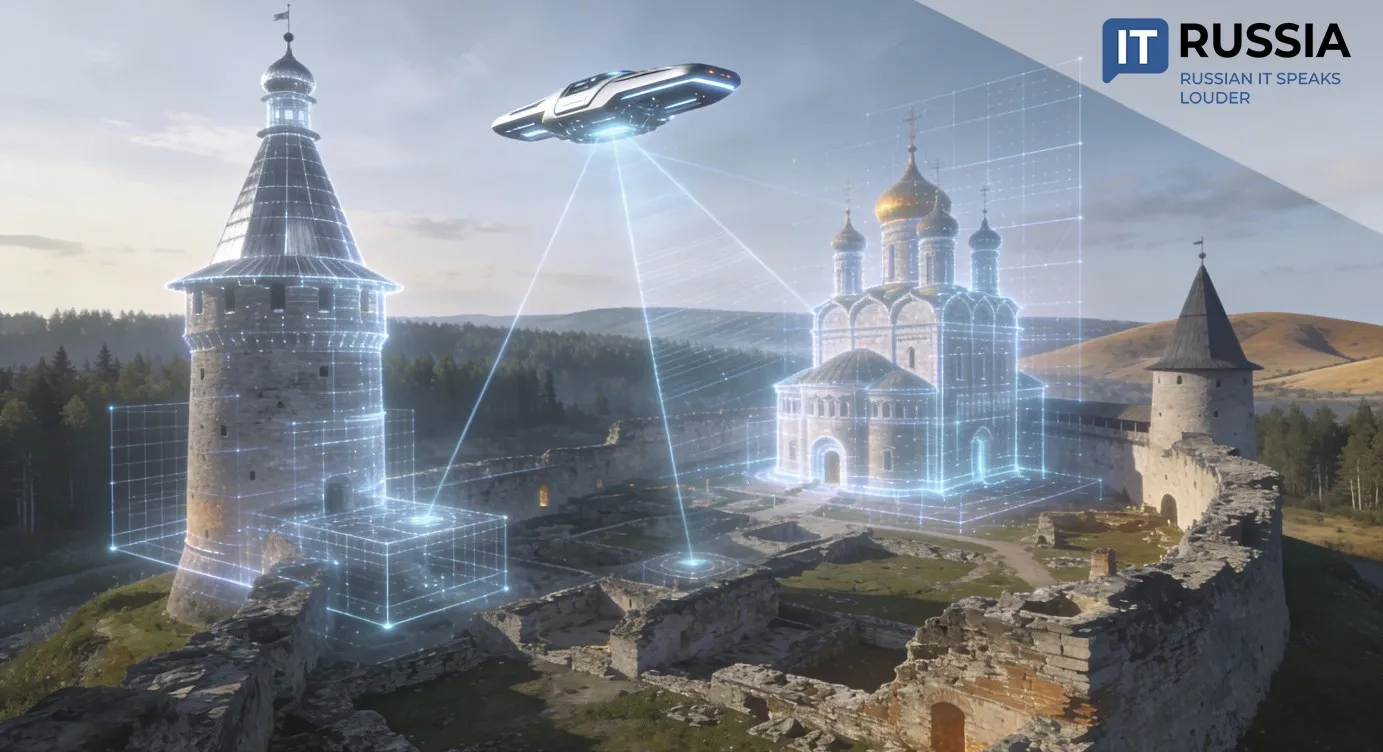
Russian researchers at the Institute of Archaeology of the Russian Academy of Sciences are developing digital models of early medieval Slavic fortified settlements. Many of these sites remain poorly studied, and some are virtually unknown even to history enthusiasts. The project relies on shared research infrastructure within the institute and on interdisciplinary collaboration with the Kurchatov Institute, particularly in analyzing the physical properties of ancient materials.
Today’s global challenges include the rapid loss of historical and cultural heritage. This threat is forcing historians and archaeologists to seek new conservation strategies and to adopt advanced technologies, as well as new forms of interdisciplinary cooperation.
By combining archaeology, history, and the natural sciences, this interdisciplinary approach enables deeper investigation of ancient settlements while also ensuring their long-term preservation for future generations.
Comprising the Cultural Landscape
The geographic scope of the project continues to grow. In the spring, specialists from the Institute for the History of Material Culture of the Russian Academy of Sciences launched a large-scale initiative to create a unified digital archive of Staraya Ladoga. The archive will include materials spanning more than 100 years of archaeological research, from handwritten reports and drawings to photographs and modern 3D excavation models. Staraya Ladoga is a cornerstone of early Russian history, encompassing more than 50 archaeological sites, with the eighth–twelfth-century Earthen Fort being of particular significance.

In the summer of 2025, the Institute of Archaeology conducted LiDAR-based laser scanning of the Suzdal Kremlin to document its terrain and medieval fortifications with exceptional accuracy. The site is especially important as one of the most intact examples of a fortified medieval urban core, preserving its original landscape, spatial organization, and defensive outlines. Precise documentation of this monument is critical for both archaeological research and the future development of digital heritage technologies.

Work is also underway on 3D models of the ancient settlements of Galich. Archaeologists are surveying the former fortified areas using mobile laser scanners carried on the shoulders. To ensure measurement accuracy, researchers must move at a speed of no more than 1.5 meters per second.
“The device does everything on its own. Our task is simply to capture the maximum area the scanner can record. All data is saved to storage, and the processing stage begins afterward,” said Anton Berger, deputy director of the Institute of Archaeology of the Russian Academy of Sciences.
Once completed, these 3D models will allow viewers to visualize Galich as it existed between the twelfth and sixteenth centuries and will support further comprehensive research into its archaeological heritage.
Lessons From the Past Decade
Over the past ten years, geographic information systems and advanced geodetic methods have become integral to archaeological research in Russia. These technologies enable precise documentation of sites, creation of digital terrain models, and development of detailed three-dimensional reconstructions of structures and architectural elements for conservation and restoration purposes.
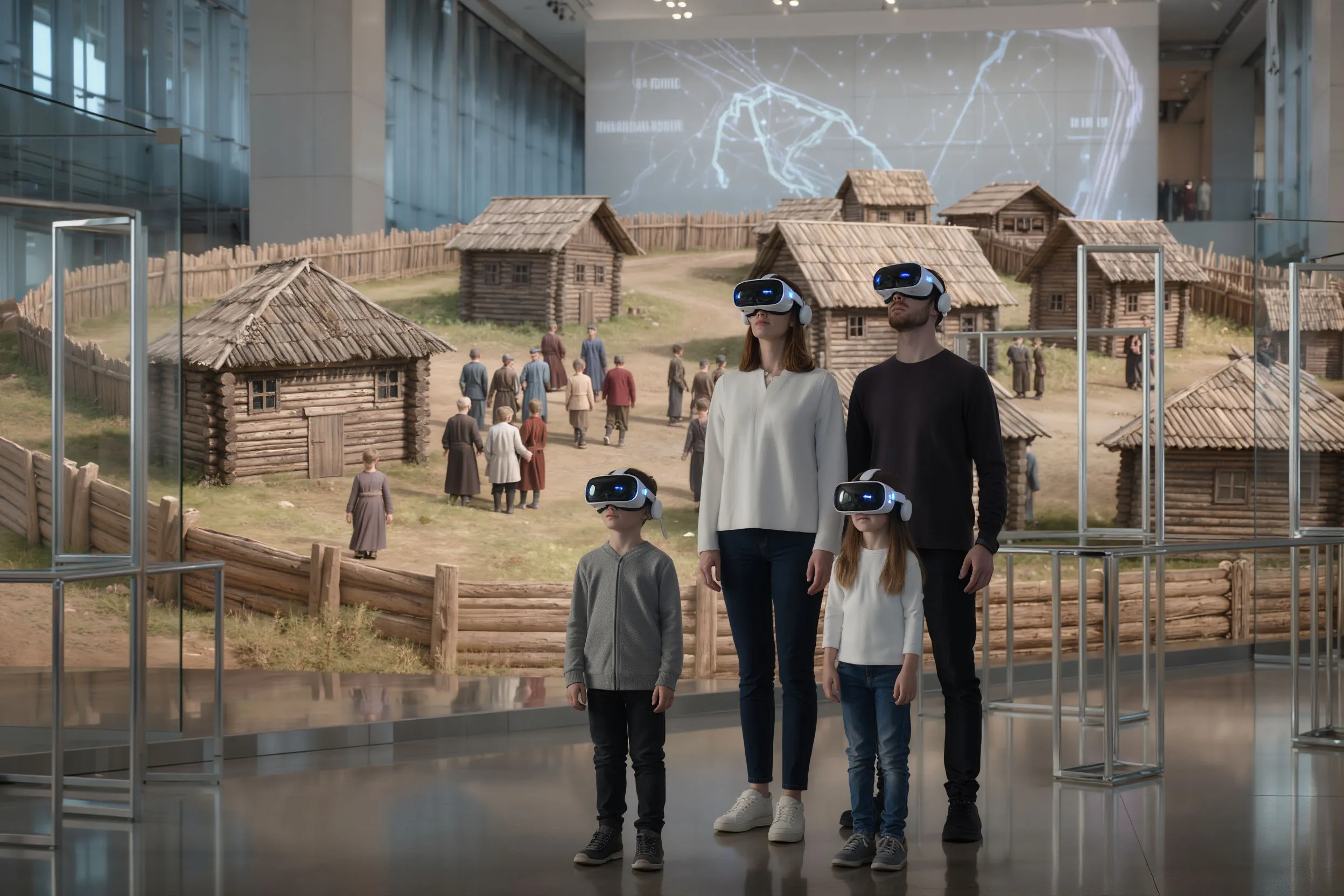
Russia’s GeoScan technology group has also launched the country’s first portal featuring high-fidelity 3D models of cultural heritage sites. The platform, titled “3D Heritage: Preserving Culture,” hosts realistic digital reconstructions of architectural landmarks, including the Kizhi Pogost and the Citadel of Damascus. The portal reflects the institutionalization of digital twin technologies and makes them accessible to a much wider audience.
Global Relevance
The initiative to create digital models of early Russian settlements reflects broader global trends in the digital transformation of the humanities. It strengthens the scientific standing of Russian archaeology, expands access to historical data, and creates a foundation for educational and cultural applications.
Equally important, the project represents a new level of accessibility and visualization for cultural heritage. The expertise of Russian engineers, scientists, and archaeologists is already being applied internationally, including in preservation projects in Syria and Iraq. Russian teams play a central role in digitizing heritage sites for study and restoration, demonstrating mastery of cutting-edge technologies developed domestically.