Not a Drop Wasted: Robot Prepares Chemotherapy Doses at Chelyabinsk Oncology Center
Russia has introduced a robotic compounding system for oncology care. The device prepares chemotherapy doses autonomously, eliminating staff exposure to toxic drugs. The system has already centralized drug preparation, improving safety for both patients and clinicians while reducing waste of costly cytostatics.
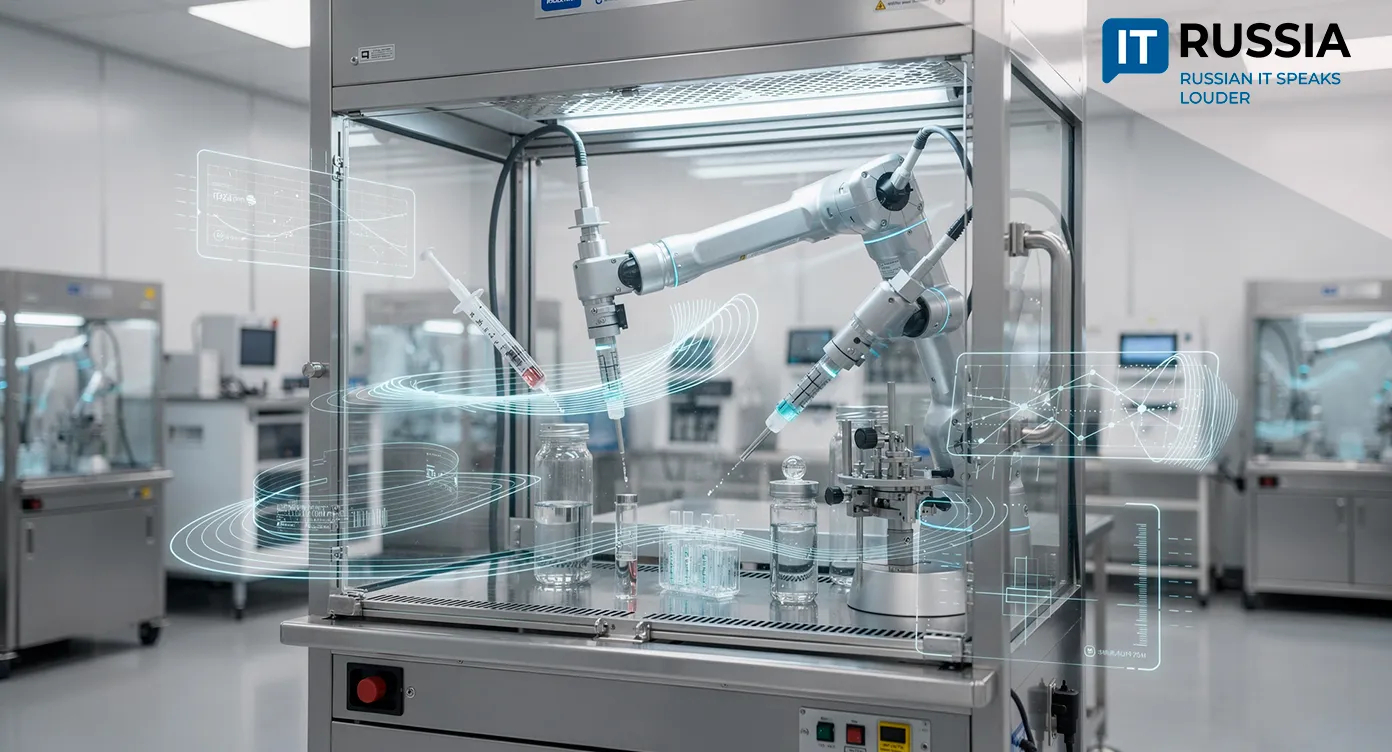
When people hear the word “chemotherapy,” they often picture an IV drip, a hospital room and a nurse carefully mixing medications with near surgical precision. But there is a detail that rarely gets mentioned. Chemotherapy drugs are not just medicines – they are highly toxic substances. Cytostatics do not distinguish between cancerous and healthy cells. They are hazardous to all living tissue.
For years, medical staff preparing these doses effectively worked on the front line. Any accidental droplet on the skin or inhalation exposure posed a risk. Human error was also unavoidable: a slightly incorrect dose could reduce treatment effectiveness or increase side effects. Cost is another factor. If a vial is opened incorrectly or a mistake is made, expensive drugs must be discarded.
Precision at the Milligram Level
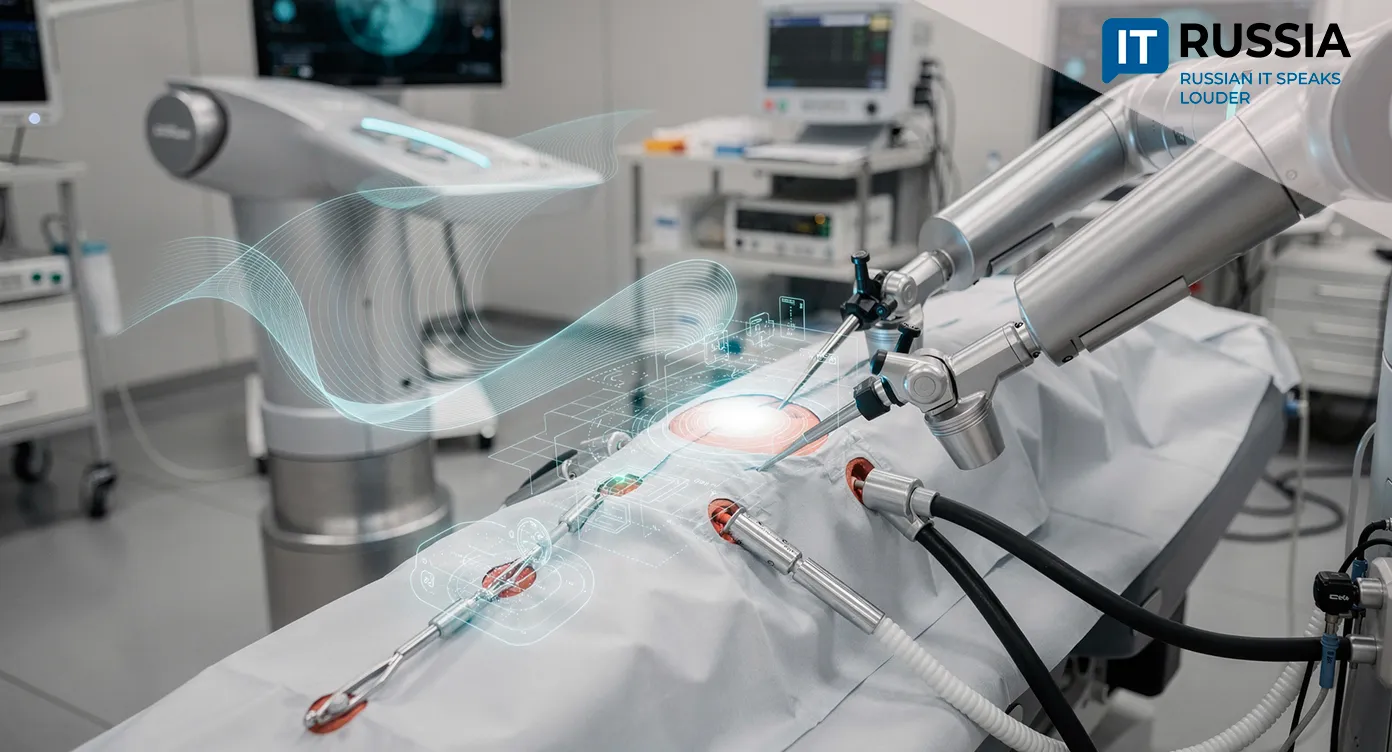
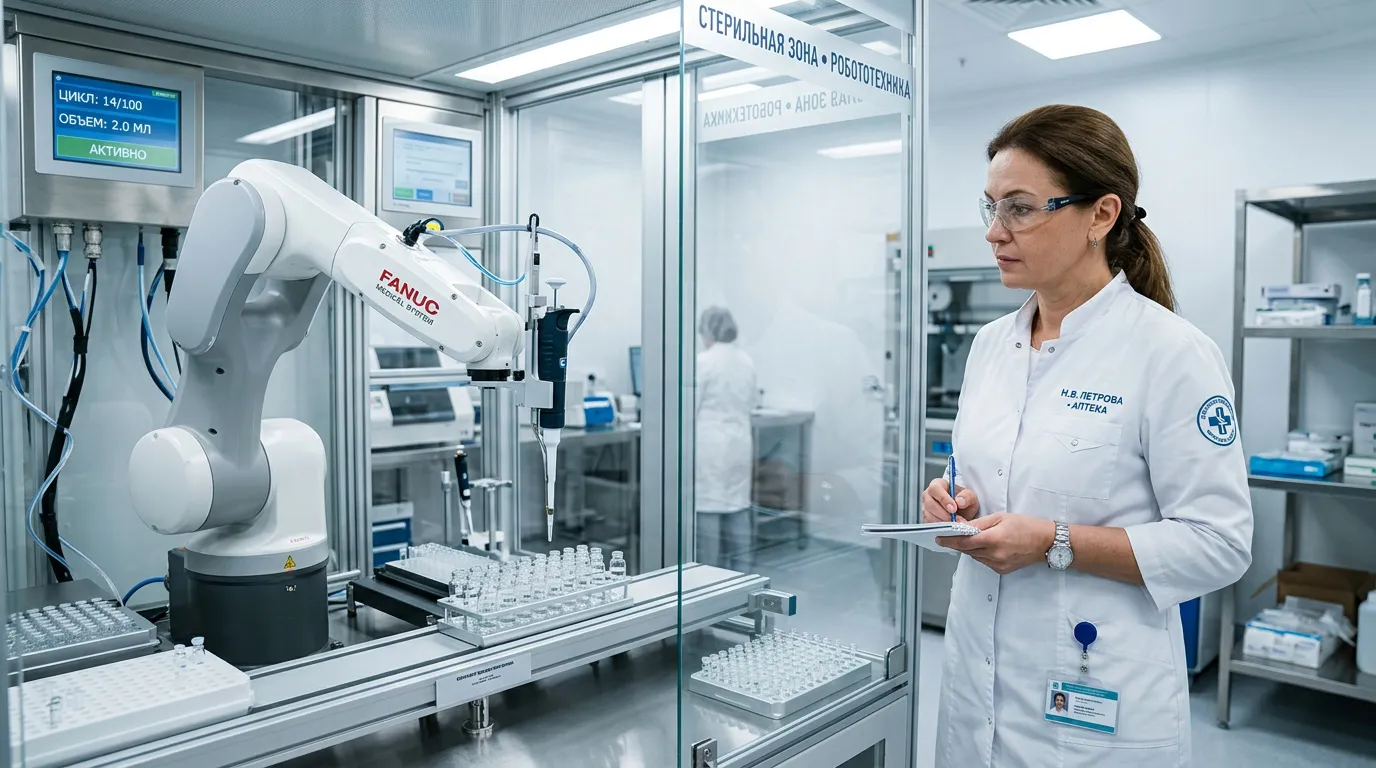
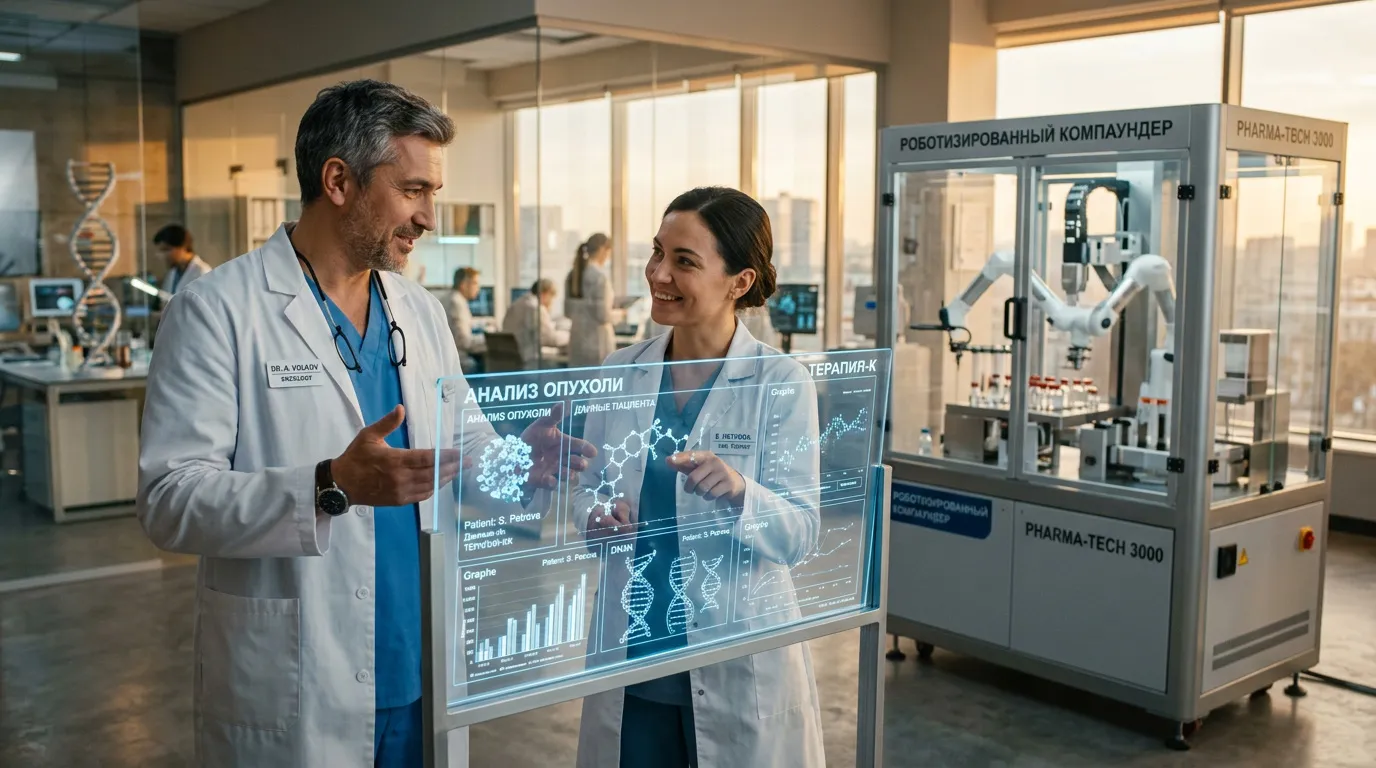
At the Chelyabinsk Regional Clinical Center of Oncology and Nuclear Medicine, clinicians have found a way to address this challenge. The facility has deployed a robotic compounder – the first of its kind in the region. While it may sound like something out of science fiction, in practice it is a specialized system that prepares chemotherapy doses inside sealed microbiological safety cabinets.
“This approach helps protect staff. The robotic drug compounding system operates under the supervision of experienced specialists,” said Angelina Tyupina, head of the centralized antitumor drug preparation unit.
In practice, this means all drug handling takes place within a controlled, enclosed environment. The robot measures doses with an accuracy of 0.1 milligrams. To put that into perspective, 0.1 mg is comparable to a paper-thin shaving. This level of precision is beyond human capability, but routine for an automated system.
Personalized Oncology Care
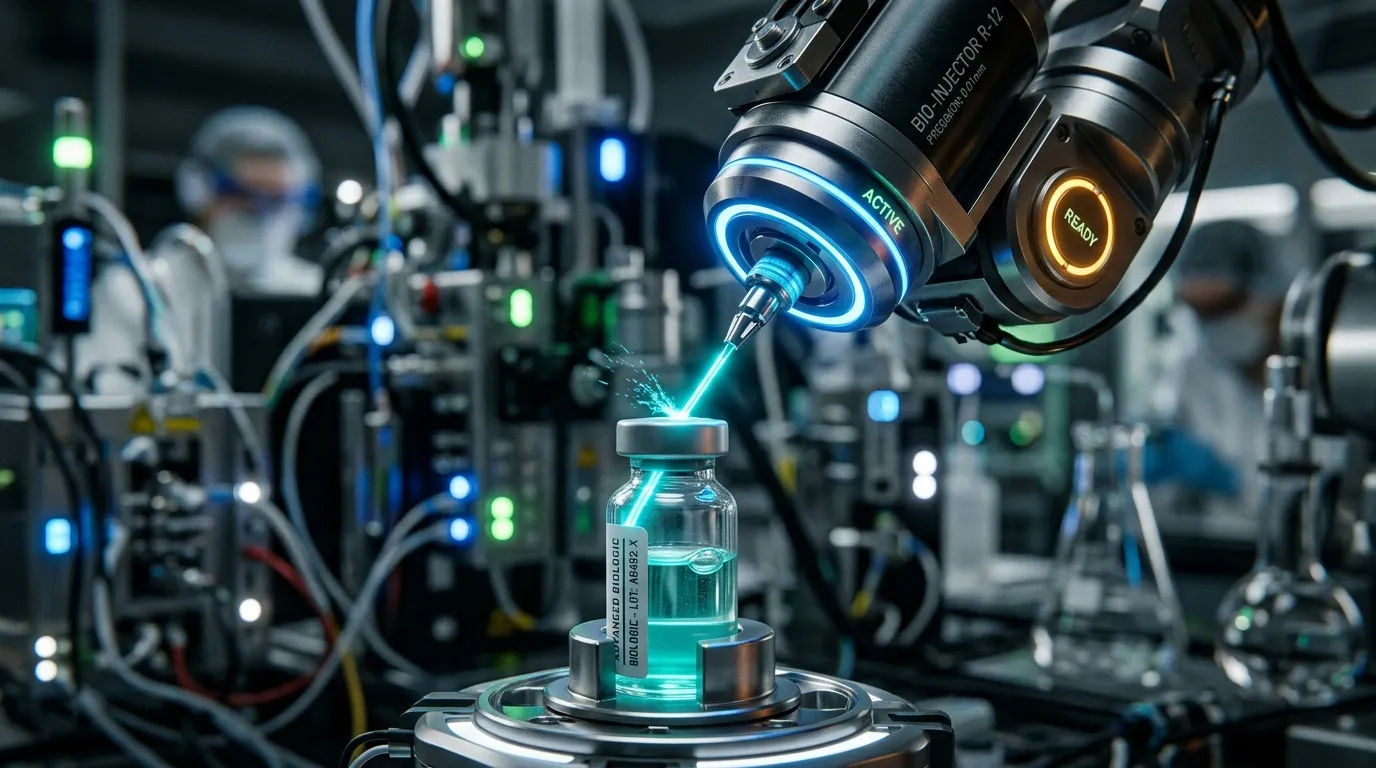
Thus, the center has consolidated all chemotherapy preparation into a single department. A physician prescribes a treatment regimen tailored to each patient, including weight, height and medical history. These data are entered into a digital system, after which the compounder takes over. It mixes the components in a closed chamber, measures the required volume and delivers a ready-to-use syringe.
For patients, this marks a shift to a new level of cancer care. With dosing accurate to 0.1 mg, each patient receives exactly the amount required. This reduces toxic stress on the liver and kidneys. Treatment becomes individualized rather than standardized. Clinicians describe this as a move toward personalized oncology.
For Russia, the deployment demonstrates how regional healthcare systems can reach the level of leading global centers. Chelyabinsk is far from Moscow, yet it now operates technology comparable to that used in advanced European clinics. This is not an isolated case. The same center is already using AI-based algorithms to detect metastases and diagnose skin cancer. The robotic compounder becomes part of a broader digital ecosystem: AI identifies disease, the robot prepares therapy, and the patient receives treatment.
Export Potential and Outlook
Life expectancy is increasing worldwide, but so is the number of cancer patients. Demand for safe chemotherapy delivery is therefore growing rapidly. At the same time, many healthcare systems face shortages of trained personnel.
Countries unable to staff high-risk preparation workflows are likely to turn to automation. This creates an opportunity for Russia not only to supply robotic systems, but to deliver integrated, turnkey solutions. Health care professionals can deploy systems, configure workflows and train clinical staff. This model – exporting medical technologies and services – carries higher value than equipment sales alone.
Over time, such robotic preparation centers could appear in every major Russian city and expand into international markets. Demand is already evident across the CIS, the Middle East and Latin America – regions seeking to modernize cancer treatment according to current clinical standards.