Russian Developers Build a Digital Model of the Global Economy Using Game Theory
Neuroinvest, a company focused on developing data platforms and information systems, has unveiled Neurograph - a persistent digital model of the global economy. It is the first such system in Russia.

The system can determine within minutes who stands to gain or lose from geopolitical shifts, technological developments or natural disasters. Its key capability lies in modeling how companies and governments respond, using dynamic simulation rather than static analysis.
The new platform was presented at the Russian Venture Forum in Kazan. According to its developers, Neurograph (Neyrograf) operates in two modes: Scenario and Simulation. In Scenario mode, the system processes a hypothetical or real-world event, then maps critical dependencies across trade, logistics, technology, investment and raw materials. It evaluates the impact on thousands of companies, markets and countries, producing structured outputs that identify likely winners and losers.
In Simulation mode, each “player” becomes an independent AI agent with its own decision logic. Companies, governments and regulators respond to external shocks, adapt to one another’s actions and refine their strategies. In effect, this mode implements dynamic game theory at the scale of the global economy.

Within Given Infrastructure and Corporate Stakes
The forecasting engine models chains of actions and consequences automatically, based on the assumption that each node - whether a company or a country - seeks to capitalize on favorable conditions or mitigate losses during crises.
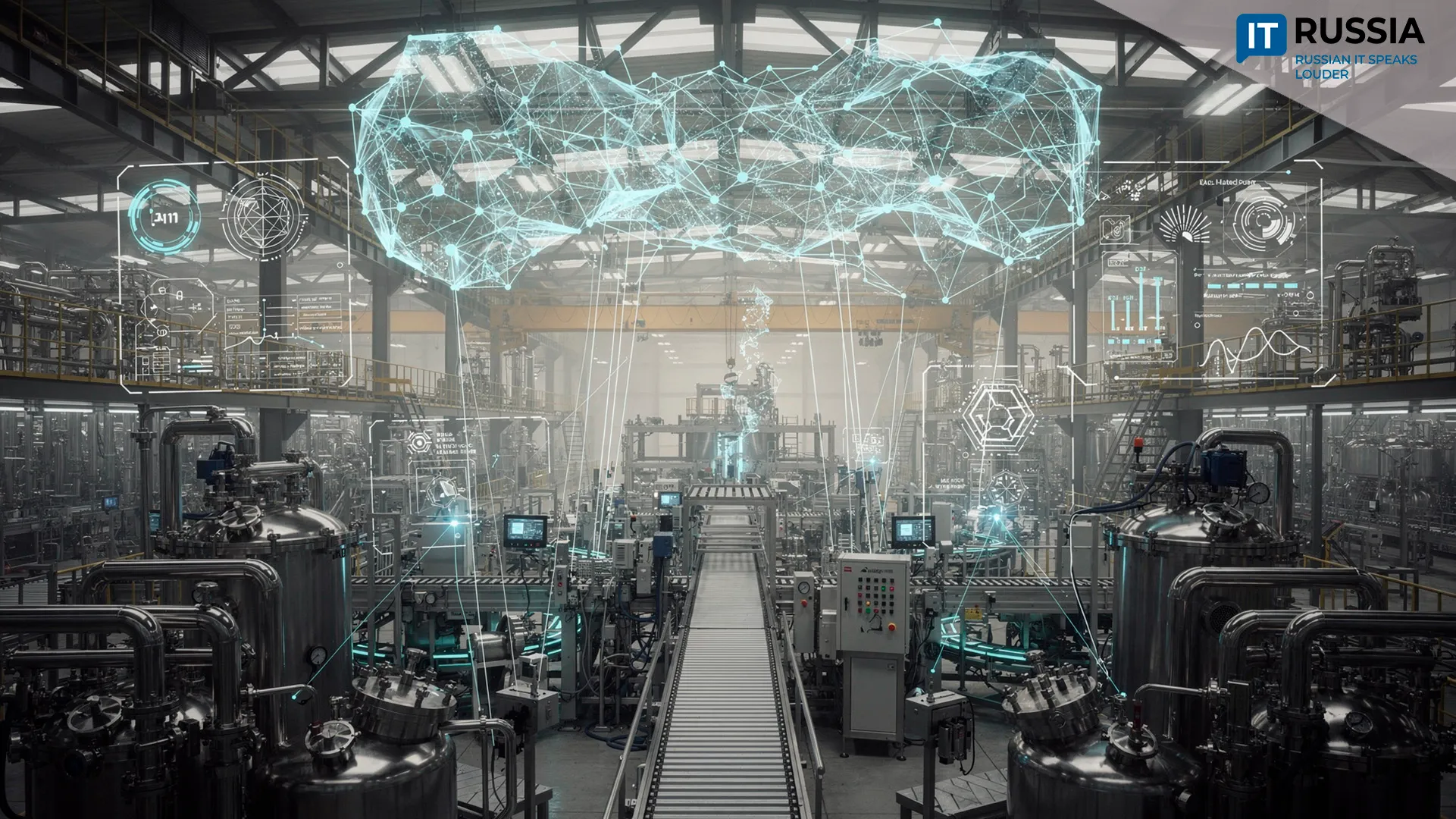
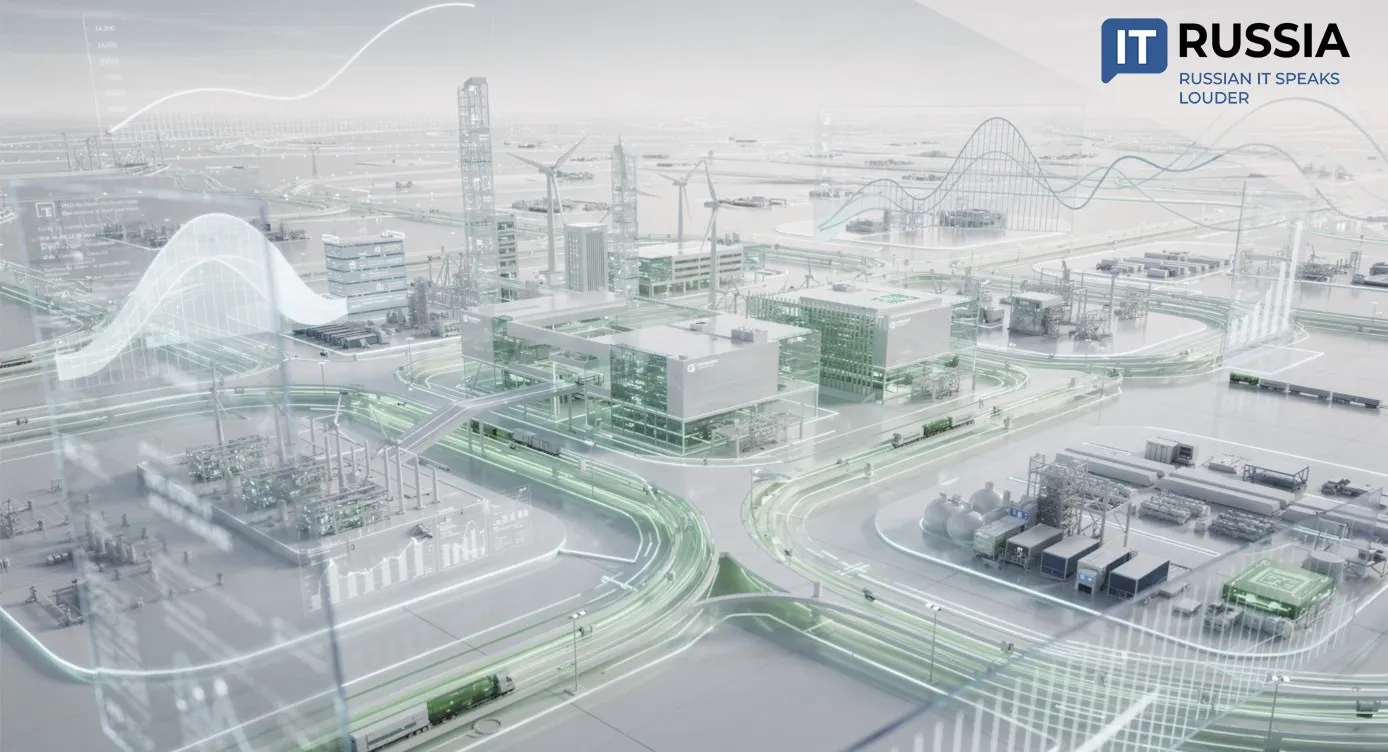
Neurograph is built on a continuously updated base scenario that incorporates ten classes of nodes: infrastructure such as ports, refineries and pipelines; key technologies; products and raw materials; natural assets; industries; companies; financial institutions; regulators; countries; and cities. Each node is defined by its inputs, outputs and the strength of its connections to others within the system.

Focus on Economic Signals, Not Sentiment
Unlike other graph-based analytical systems, Neurograph does not rebuild scenarios from scratch based solely on user-uploaded documents. Competing tools typically capture only the relationships explicitly described in those sources and often focus on modeling human behavior, including sentiment and opinion dynamics. By contrast, the Russian system tracks real production and financial linkages. It delivers in minutes results that traditional analysis may take days or weeks to produce.
Developers say the system opens new possibilities for strategic planning, investment analysis and global risk assessment. It can model how crises and major events affect individual companies and sectors. Potential users include banks, asset managers, corporations, regulators, governments and business media, which can use the system to explain developments through concrete economic relationships.

Demand is expected to be strong in Russia, where organizations are seeking tools to assess the impact of sanctions, technology access and the behavior of international partners. If Neurograph proves effective, it could be adopted by banks, government agencies, transport and logistics groups and large industrial companies. The platform also has export potential, particularly in CIS countries, the Middle East and Asia.