Moscow’s Demikhov Hospital Explains How Its Digital ICU Works
A physician described the “intensivist’s helmet,” communication with families and the use of mobile tablets.
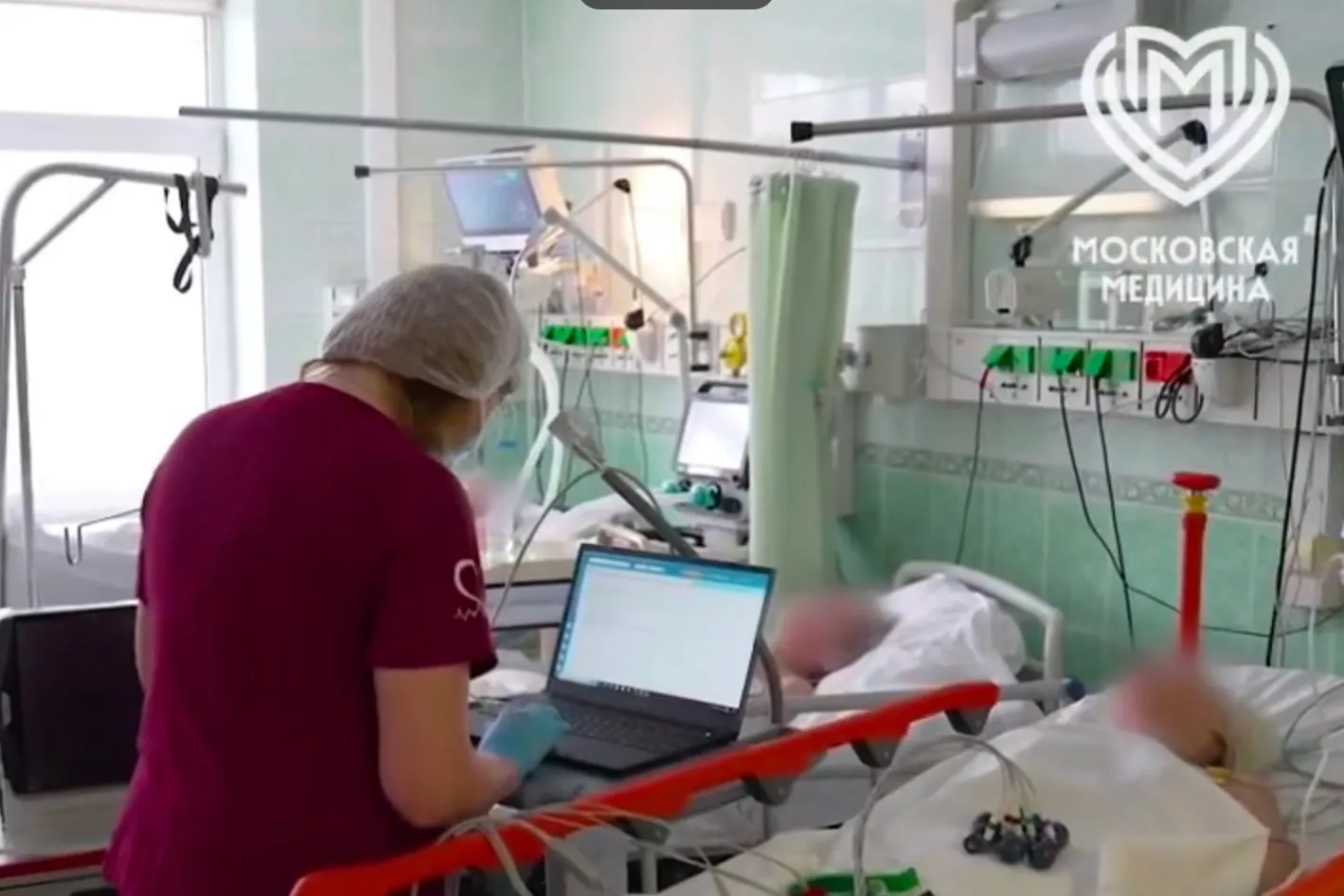
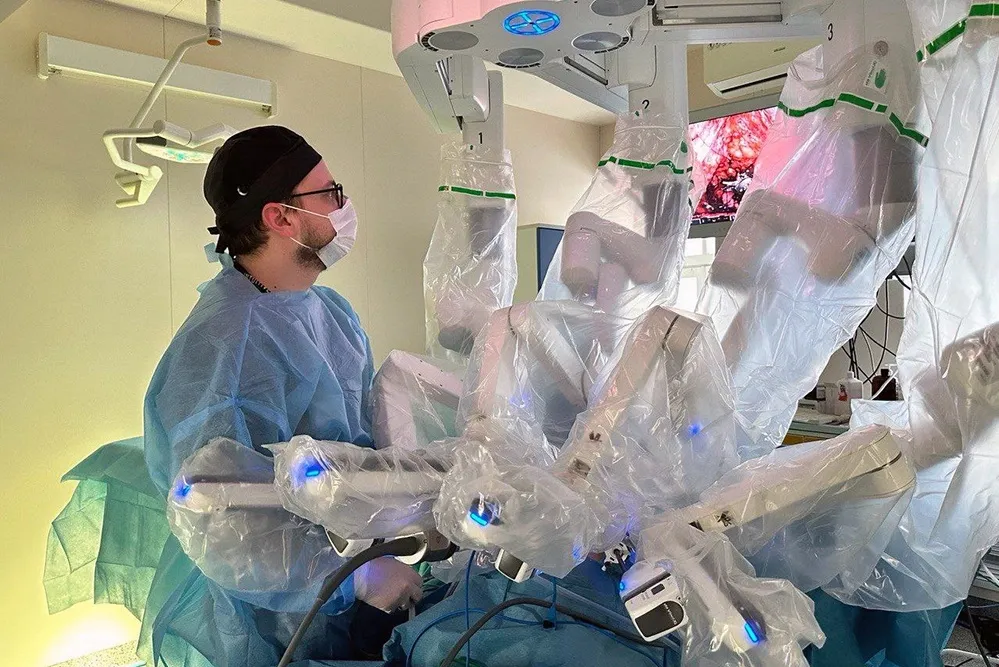
For specialists at the V. P. Demikhov City Clinical Hospital in Moscow, digital transformation in intensive care is not just a buzzword. It is an effective tool that helps save patients’ lives. Nikolai Abramkin, an anesthesiologist-intensivist and head of Intensive Care Unit No. 6 for purulent surgery patients, explained to IT Russia how the digital ICU works.
A Patient’s Precious Time
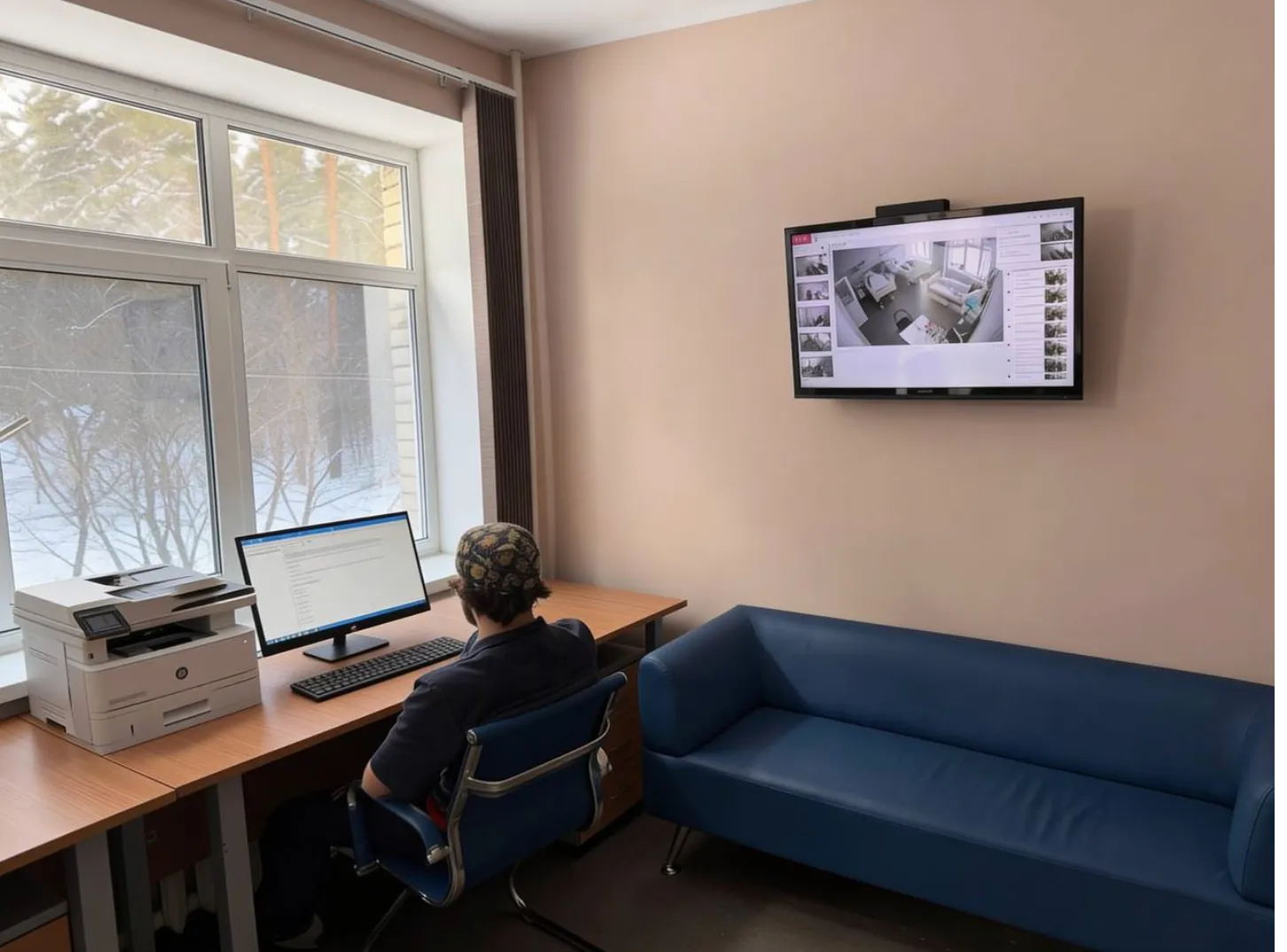
How do doctors work in a digital ICU? According to Abramkin, physicians and nurses monitor each patient’s condition in real time using mobile tablets. This helps them make necessary decisions quickly.
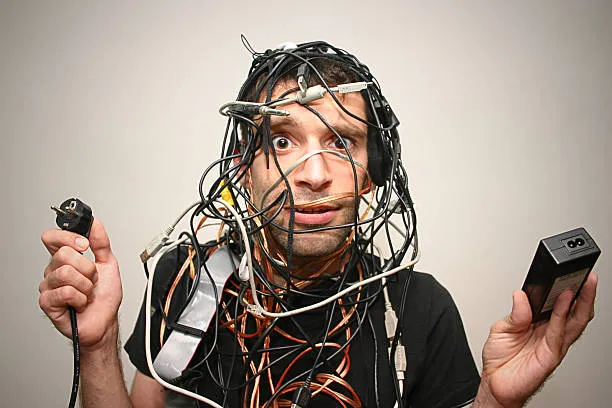
Through the intensivist’s helmet, related specialists and more experienced colleagues can connect to the hospital’s doctors. They can see the patient themselves and freely discuss treatment strategy, which significantly saves precious time for the patient.
In Moscow hospitals, relatives receive SMS notifications when a patient is admitted to the intensive care unit and about the patient’s condition. These updates are sent every day. This reduces anxiety among family members and makes intensive care more open and humane.
Open Intensive Care
Earlier we reported that a life-saving Russian development – the A25 automated external defibrillator (AED) – is gradually being introduced in medical institutions across the country.