Russia Deploys Uncrewed Boats and Drones to Monitor Tailings Storage Facilities
The systems collect data on water and air conditions and relay it to engineers in real time.

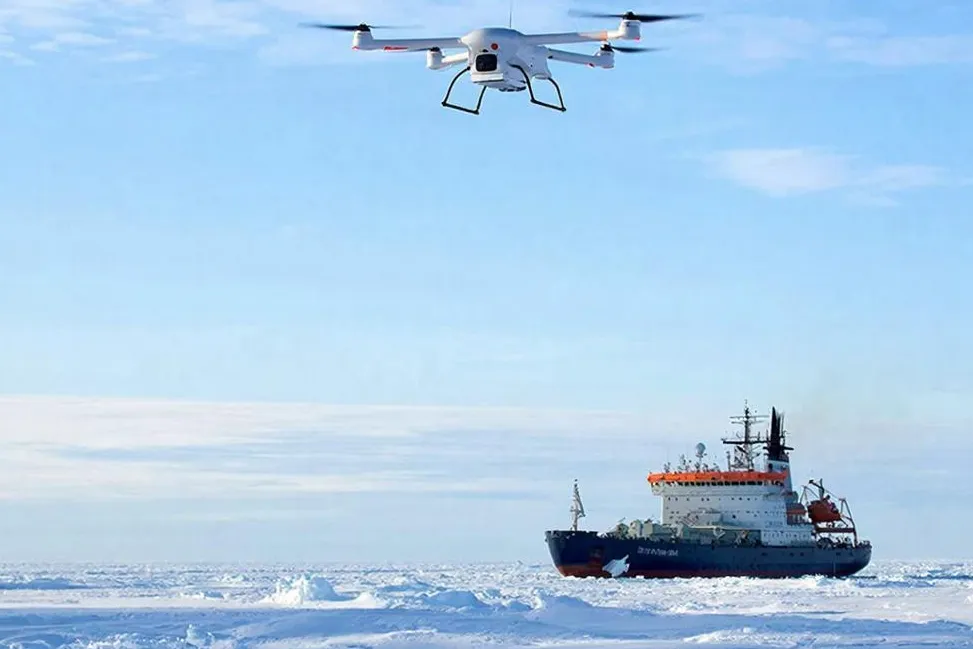
The IT division Nornickel Sputnik, which provides expert support to enterprises within the Norilsk Nickel group, has upgraded its tailings storage monitoring system. These facilities are reservoirs used to store mining waste. Monitoring is now carried out using uncrewed surface vessels and aerial drones, the company’s press service told IT Russia.
Keeping Reservoirs Under Control
After ore is processed, tailings — residual waste — remain. They pose a potential environmental risk, with water, soil, and vegetation all at stake. To manage these risks, mining companies build dedicated basins filled with water, known as tailings storage facilities. Closely tracking liquid levels in these reservoirs is critical to preventing hazardous situations.
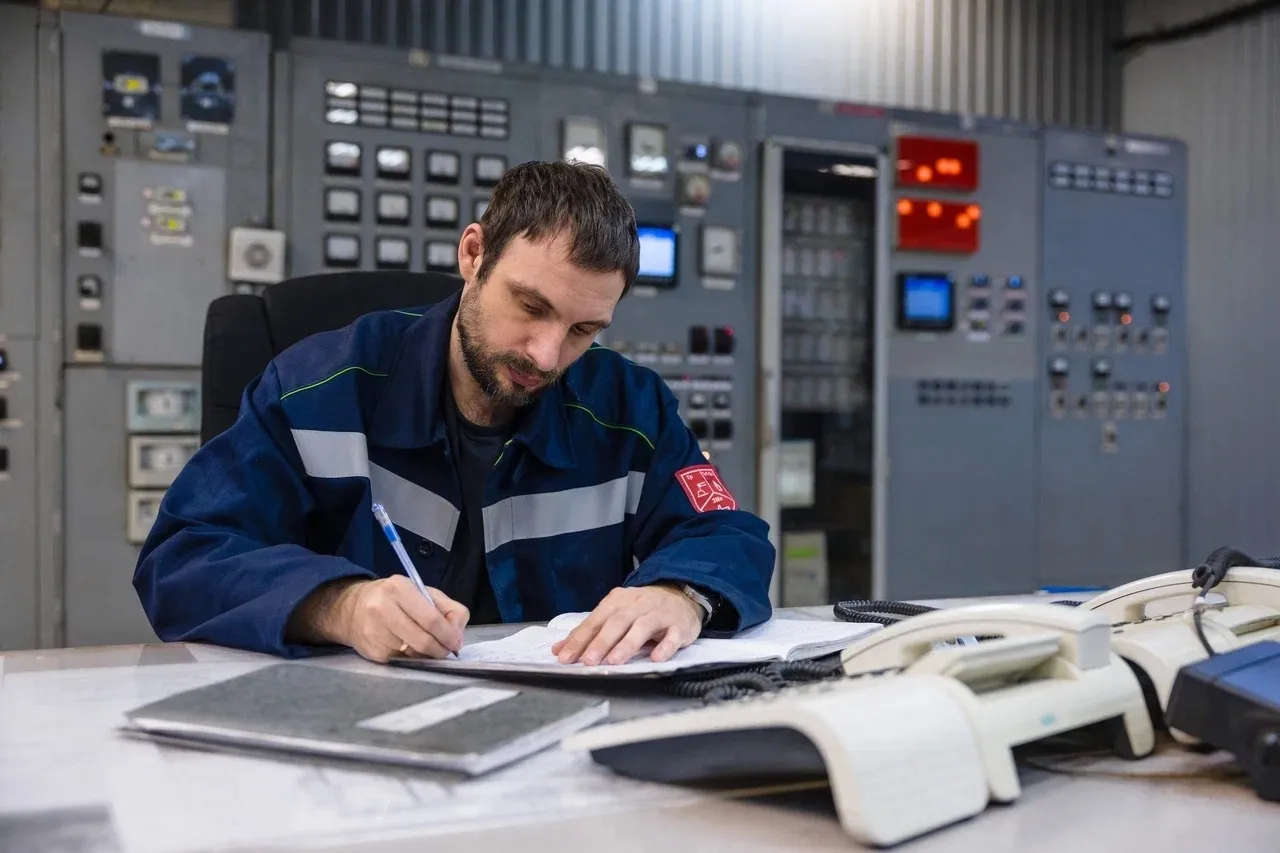
Previously, Norilsk Nickel employees measured all parameters manually, a complex and labor-intensive process. Now, monitoring is handled not only by specialists but also by uncrewed boats and drones, which can operate even in strong winds and extreme cold. The systems collect data on water and air conditions and transmit it to engineers, who build computer models showing how much additional waste can be safely stored. These models also help detect anomalies early and prevent potential incidents.
No Machine Goes Unnoticed
The company is also working to move beyond the image of a purely raw-materials producer by actively integrating high-tech solutions into its operations. One example is the development of a digital dispatcher for underground equipment. Norilsk Nickel operates dozens of self-propelled vehicles underground — including concrete mixers, fuel trucks, and buses — spread across vast mining areas. Given the scale of underground workings, it is not always immediately clear where vehicles are urgently needed and where they are standing idle.
To address this, the company is testing a system that analyzes downtime of auxiliary mobile equipment. Each vehicle is fitted with sensors that transmit location data to a centralized system. Dispatchers can see the entire underground fleet on a single screen in real time and quickly reassign vehicles as needed. The system is scheduled for rollout in the second half of 2026.