Russia and China Open a New Digital Era in Wildlife Protection
The two countries are running a joint project that uses satellites and AI to protect some of the world’s rarest big cats, and early results are striking.
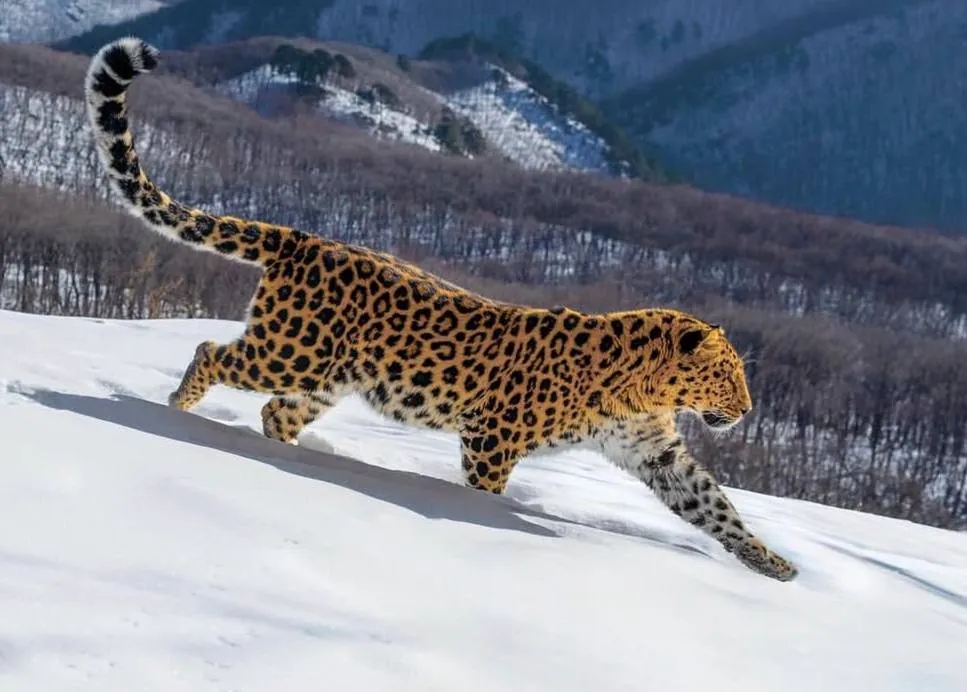
On the border between Russia and China, advanced digital tools are being deployed to help preserve two of the planet’s rarest predators, the Amur tiger and the Far Eastern leopard. By combining cross-border cooperation with modern technology, the two countries have managed to significantly boost the populations of both species.
Sky–Ground Monitoring and an Intelligent Assistant
Russia’s Land of the Leopard National Park and China’s Northeast China Tiger and Leopard National Park jointly protect a single, continuous forest area. Inspectors Yevgeny Stoma and Yang Zhao patrol this territory every day, confronting poachers and forest fires. Their work is dangerous, but critical.
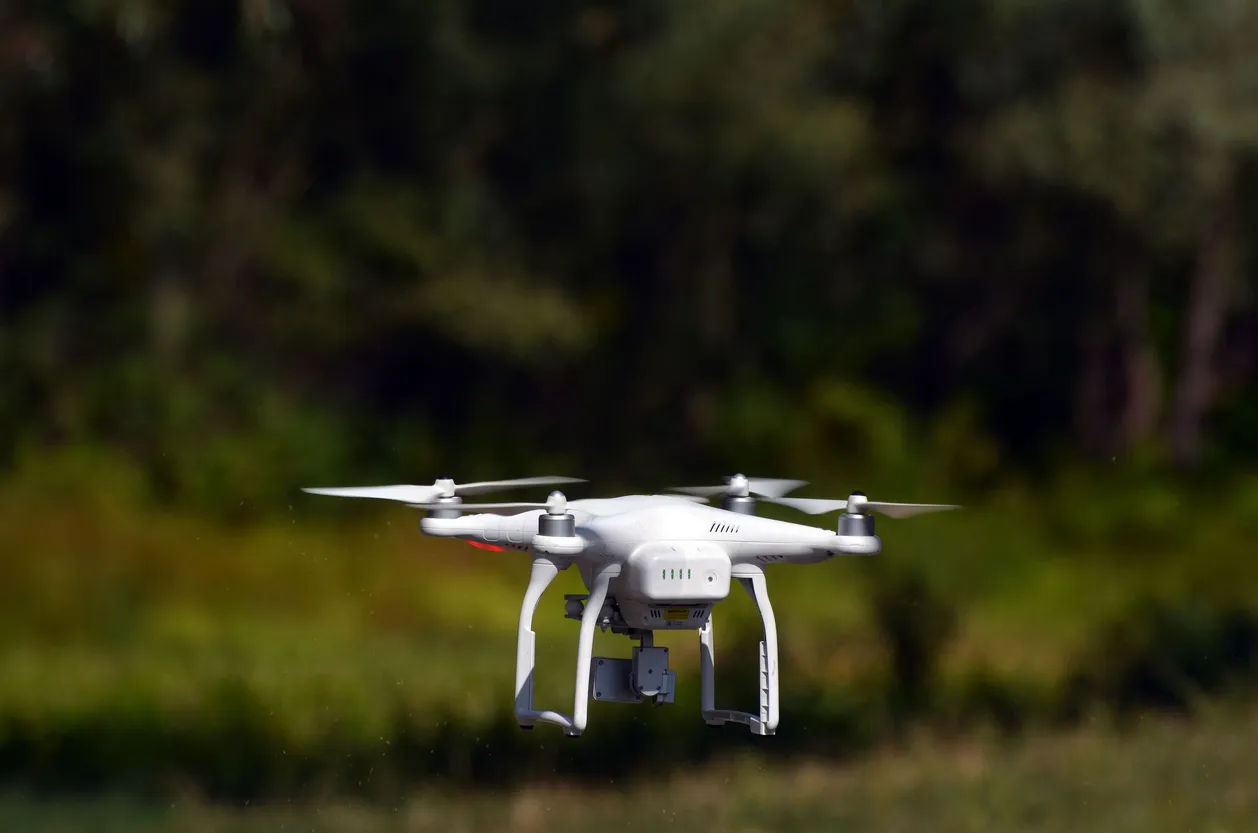
Digital technologies have been brought in to support these efforts. One example is the so-called “sky–ground” intelligent monitoring system, which combines satellite remote sensing with artificial intelligence to track tigers and leopards in near real time. The system can identify individual animals with accuracy above 95 percent. According to its developers, it is the world’s first real-time biodiversity monitoring system operating across vast territories.
In Russia, a network of more than 400 camera traps in Land of the Leopard National Park captures up to one million images every year. Until recently, park staff manually sorted the photos, identified species, and recognized each leopard by its unique spot pattern. That work has now been handed over to AI. Neural networks automatically classify animals and recognize individual cats.
In addition, an intelligent assistant has been developed to digitize and systematize archival data collected in nature reserves over the past 50 years. The AI assistant turns paper archives into an analytical tool that can be used to model and forecast ecosystem development.
A Model for Human–Nature Coexistence
The impact of these digital tools is measurable. In Russia, since the establishment of Land of the Leopard National Park, the leopard population has grown from 35 to more than 120 animals, while the number of tigers has risen to over 50. In China, over the past decade, the tiger population increased from 27 to around 70, and the number of leopards grew from 42 to about 80. Nearly half of all cubs now survive, a key indicator of population health.
In the fall of 2025, during a meeting in Hunchun, the two sides agreed to create a unified monitoring system and to jointly produce an educational video. The success of this cross-border project is already being cited as an effective global model for biodiversity conservation, showing how technology and international cooperation can help save endangered species.