Factory That “Learns” on Its Own Opens the Path to Fully Autonomous Production
Researchers at Perm National Research Polytechnic University (PNIPU) have created a self-learning control system designed to manage industrial production, marking a significant step toward adaptive, data-driven manufacturing.
Traditional control systems cannot adapt to changing raw materials or equipment wear, forcing engineers to manually adjust parameters. In continuous production, even short shutdowns for recalibration can cost millions of rubles.
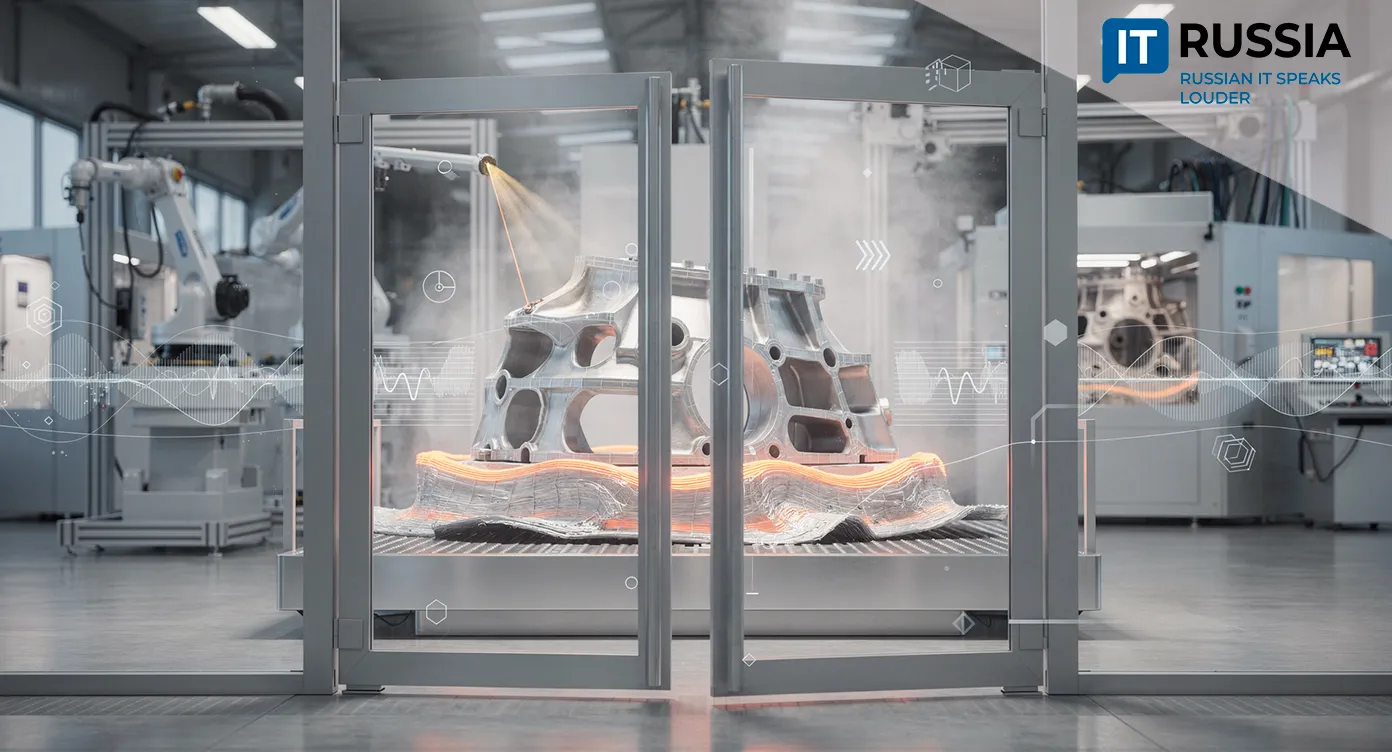
The new system analyzes historical data in real time and automatically adjusts its algorithms, adapting to the current state of equipment and raw materials without interrupting production.
At the core of the solution is a real-time identification module. It compares model forecasts with actual parameters. When deviations exceed acceptable thresholds, the system initiates retraining, incorporates fresh data, and updates its settings. The software maintains stability during updates and is already prepared for deployment on industrial computers.
Investments in Efficiency Are Already Paying Off
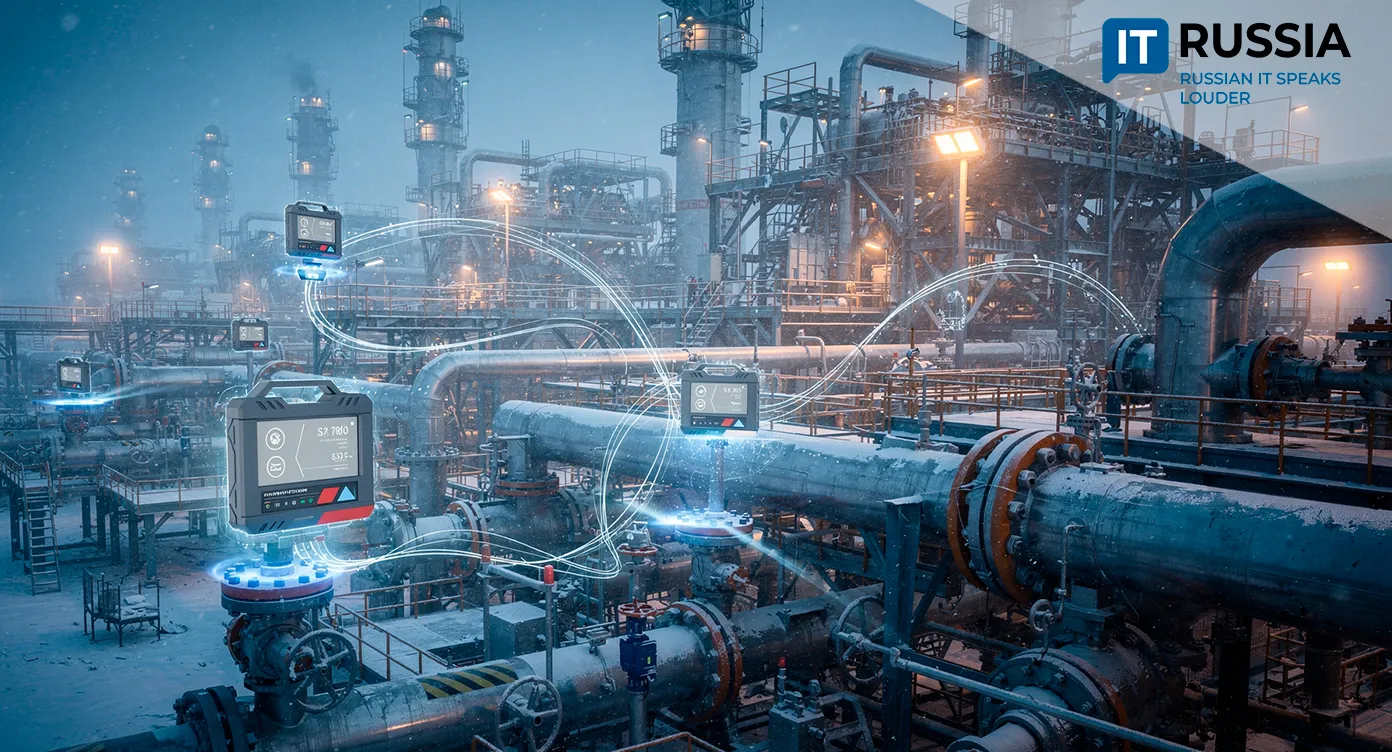
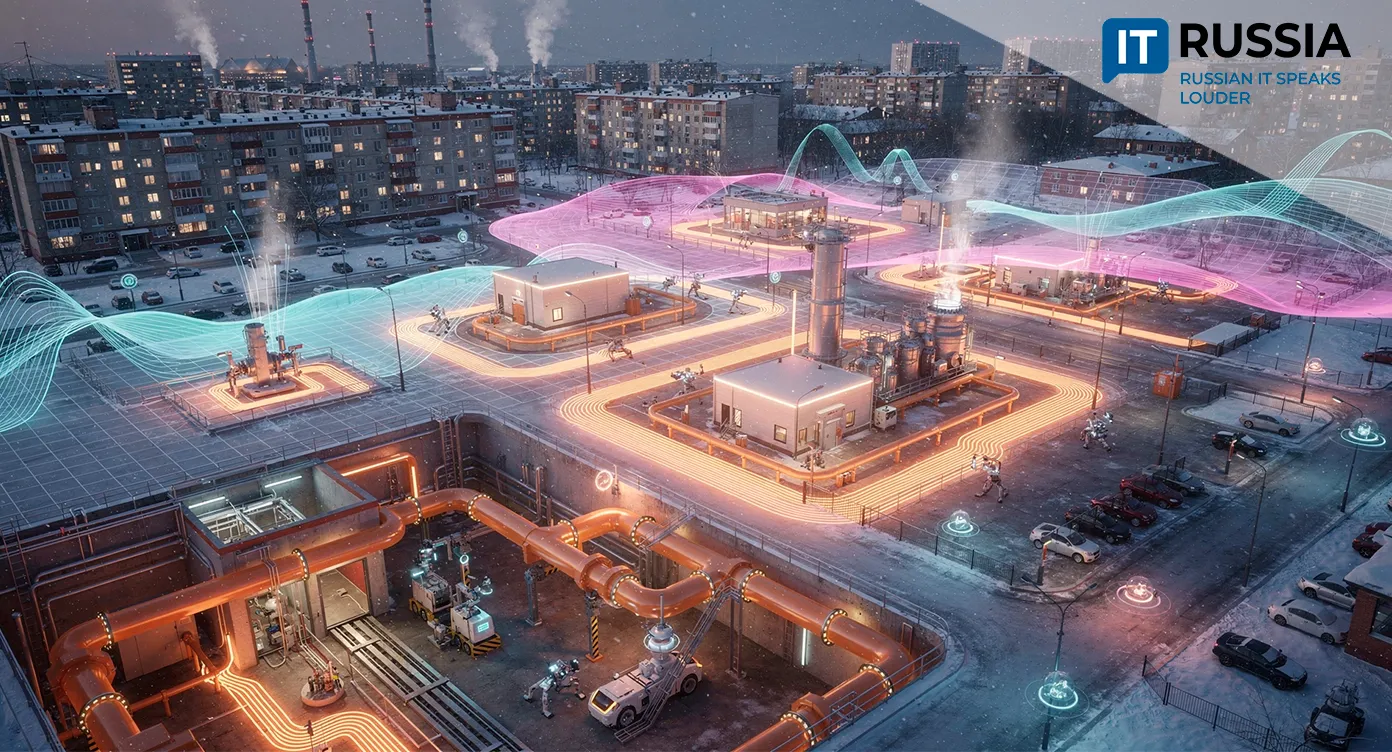
The system has been deployed at one of Russia’s largest petrochemical complexes, ZapSibNeftekhim. At a depropanization unit, where propane is separated from butane, the system processed 4,000 measurements and recalculated 25 key coefficients. As a result, forecasting accuracy doubled, steam consumption dropped from 524 to 290 kg/h (a 1.8-fold reduction), and product quality improved by 30%. Output stability increased, and the product now consistently meets specifications.
The PNIPU-developed solution can be applied across any continuous production environment, from raw material processing to food manufacturing, and from energy to metallurgy.
The project highlights a successful case of research commercialization, reinforcing the adoption of Russian AI solutions in the real sector and accelerating the development of industrial machine learning.
More broadly, the development strengthens technological sovereignty. Locally developed software reduces reliance on foreign industrial automation systems while supporting stable growth in key sectors of the economy.
A Russian Alternative to Western Industrial Control Systems
The Perm technology aligns with the global trend toward industrial autonomy and supports Russia’s broader import substitution strategy. Similar efforts from major industry players reinforce this trajectory. In 2022, engineers and analysts from Sibur Digital developed a proprietary model for predicting component composition in ethylene and propylene production, outperforming foreign alternatives in both speed and accuracy.
RTO systems optimize operating parameters such as temperature and feed rates in real time, while APC systems maintain those settings automatically. The new solution increased automation levels, reduced fuel consumption, and generated savings of about 5 million rubles ($65,000) per month. Environmental benefits are also significant, including a reduction of 700 tons of CO2 emissions and 250 tons of fuel gas annually. Over time, multiple digital systems – including RTO, APC, and others – are expected to be integrated into a unified intelligent platform capable of managing production in real time and recommending optimal operating decisions.
This direction is advancing across the industry. In 2025, Gazprom Neft and Positive Technologies announced the development of a national open industrial automation platform – a vendor-independent environment based on international standards. The initiative is supported at the federal level: Russia’s Ministry of Industry and Trade has established a working group on open industrial control systems, with more than 60 participants developing standards and scaling pilot solutions.
A Sovereign “Brain” for Russian Industry
The Perm solution opens the path to truly smart manufacturing, where systems adapt to changing conditions without human intervention while reducing resource consumption, emissions, and waste. This directly impacts production costs and improves the competitiveness of Russian industrial output.
In the future, the system is expected to operate as an intelligent layer on top of existing industrial control systems without requiring infrastructure replacement. Industry-specific applications are likely to emerge for reactors, furnaces, and power units. The next step will be a shift from advisory functions to partial autonomy, where the system takes over certain control loops. Together, these developments are forming a Russian ecosystem of smart factories – from targeted optimizations to full-scale Industry 4.0 platforms that reinforce technological independence.