AI Method Developed by Russian Scientists Models Metal Wear
A new approach simulates friction, fracture and other processes inside metals, offering a faster way to study material degradation.
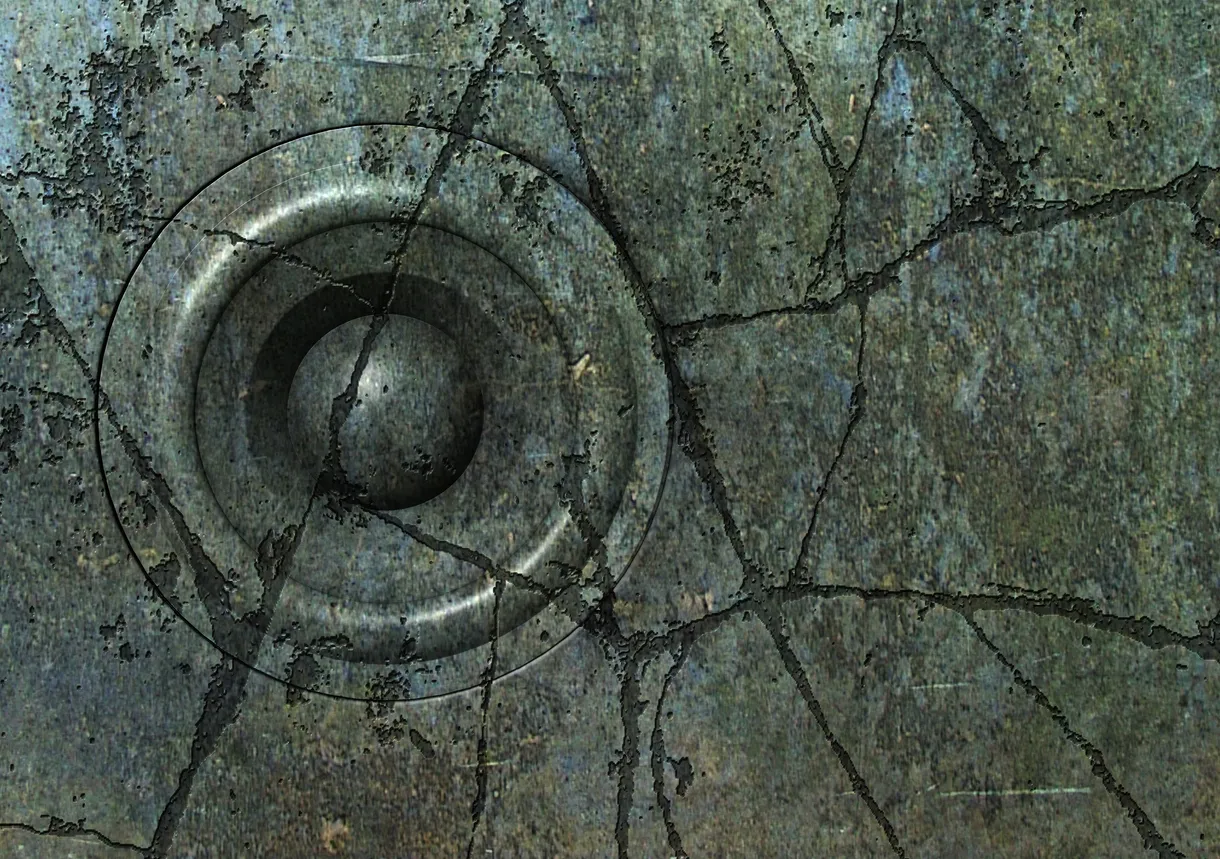
Russian scientists have developed an AI-based method to more quickly and efficiently model the formation of cracks and structural failure in metals and alloys, Skoltech said in a statement.
According to Professor Nikolay Brilliantov, the method is particularly useful when researchers need to capture both atomic-scale mechanisms and the broader system behavior. It can also be used for reverse engineering - designing atomic structures to achieve desired material properties at the macroscopic level.
Quasi-Atoms and Their Virtual Counterparts
He added that to significantly simplify computations, the team created a dedicated AI algorithm that automatically adjusts interactions between quasi-atoms so that the elastic properties of the hybrid model match benchmark parameters obtained from fully atomistic simulations.
Earlier, researchers at Novosibirskiy gosudarstvennyy tekhnicheskiy universitet (Novosibirsk State Technical University) developed an AI-based quality control system for industry. The technology can automatically detect cracks, dents and corrosion spots on steel surfaces from standard camera images with an accuracy of 87%.