Teaching Computers to Predict an Implant's Future
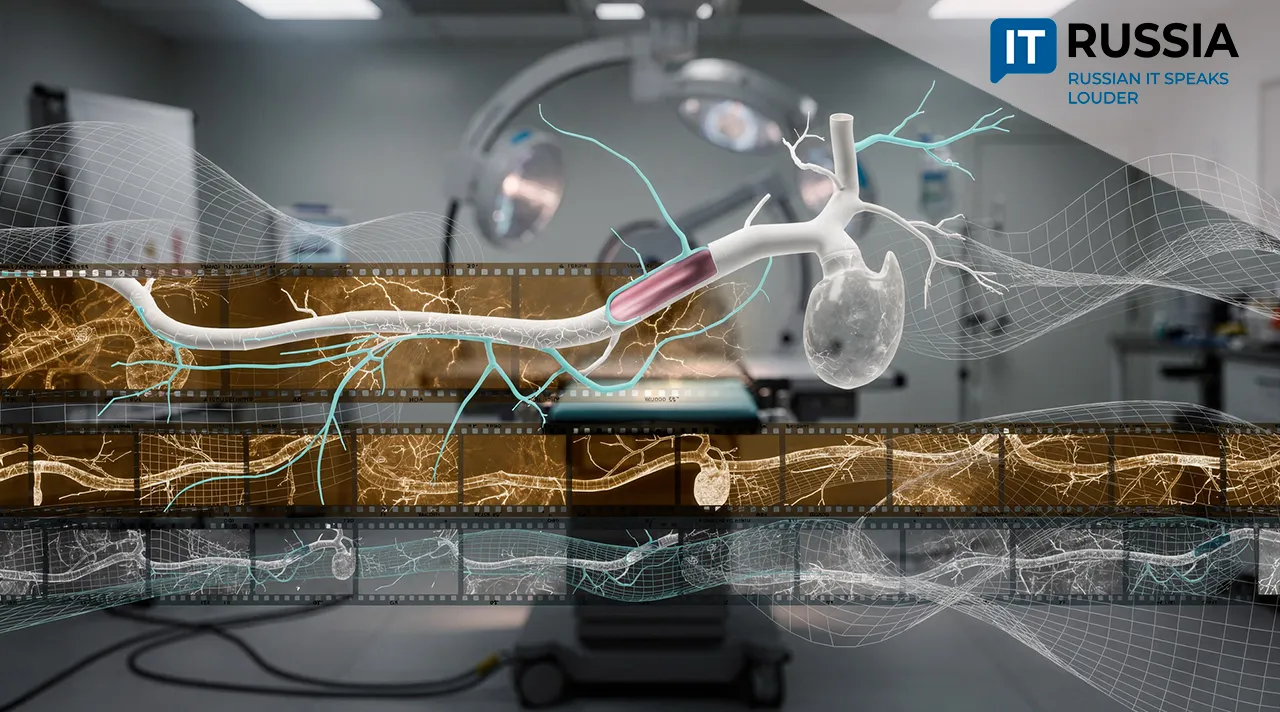
Researchers at Perm Polytechnic have developed a computer-based 3D model that predicts, with up to 98% accuracy, how the surface of titanium medical implants will form during electrical discharge machining. The technology could help manufacturers determine optimal production parameters for endoprostheses before machining begins, reducing defects and lowering manufacturing costs.
Medical-grade titanium is notoriously demanding to machine – and extraordinarily expensive. A machining error measured in microns can leave a manufacturer with a defective implant and expose a patient to postoperative complications. In this field, mistakes are more than a financial loss; they pose a direct risk to human health. Yet the era of costly trial-and-error experiments in Russian medical device manufacturing may be drawing to a close.
Every day, surgeons implant titanium devices whose surface quality largely determines whether they will successfully integrate with a patient's body. Even the smallest defect – a microcrater of the wrong depth or surface roughness outside specification – can force an entire implant to be discarded. Along with it go valuable production time, expensive titanium and, more importantly, a patient's hope for a faster recovery.
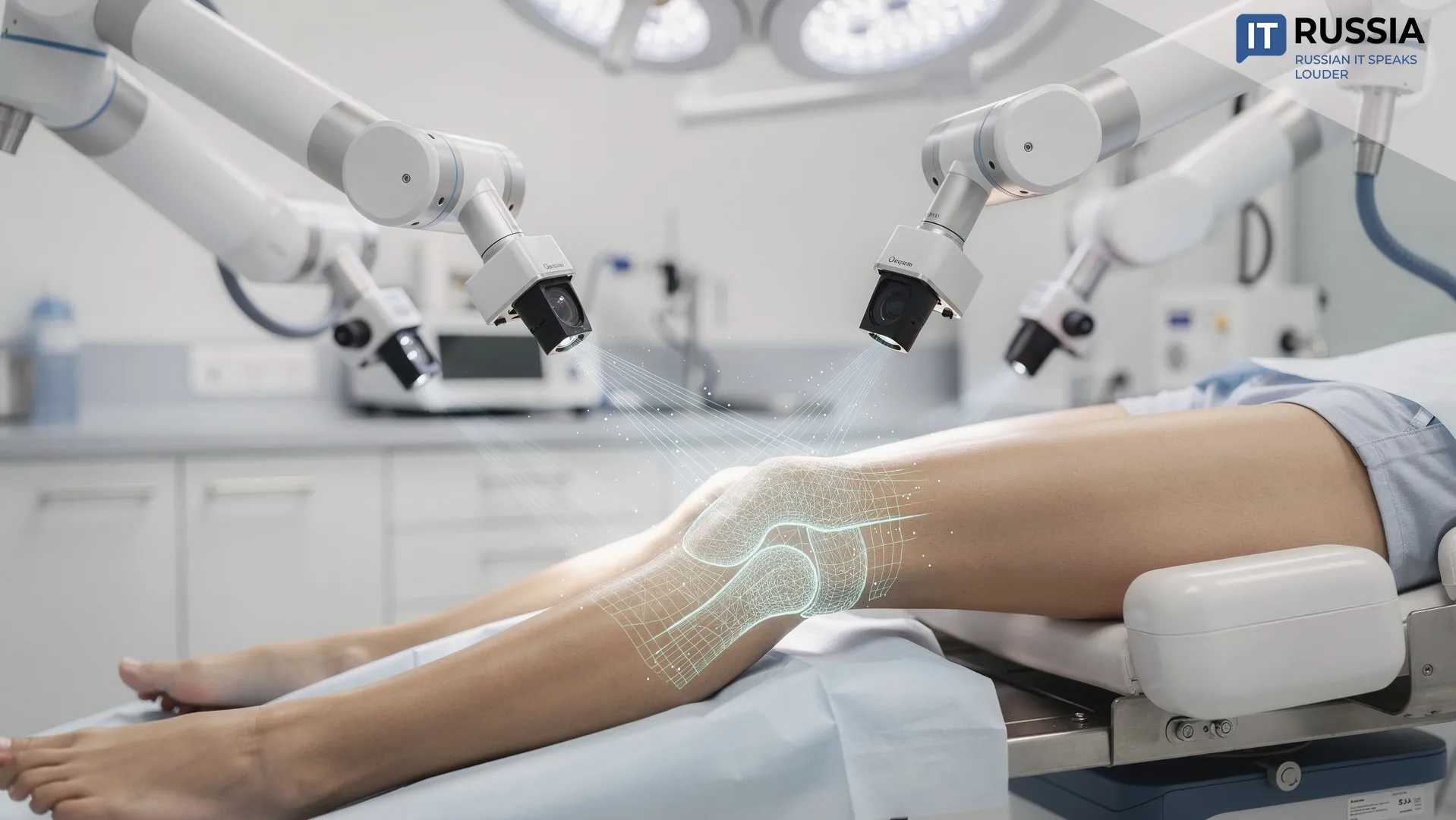
It is here, at the intersection of medicine, metallurgy and mathematics, that an advance has emerged which has so far attracted little attention but deserves a much closer look. Researchers at Perm National Research Polytechnic University have developed a computer-based 3D model capable of predicting, in just seconds, what the surface of a titanium implant will look like after electrical discharge machining. According to the developers, the model achieves 98% predictive accuracy.
How It Works: Two Parameters Instead of Thousands of Trials
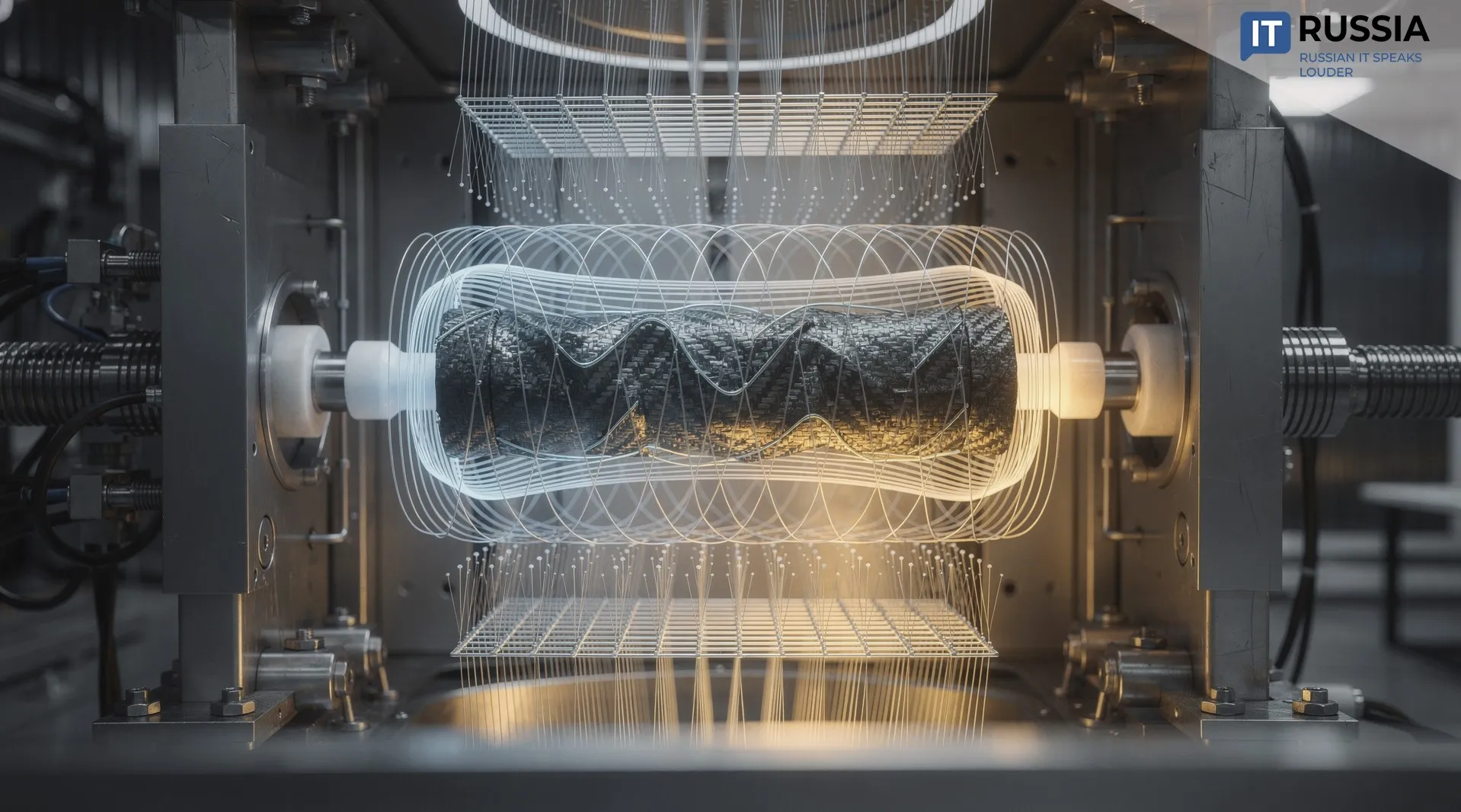
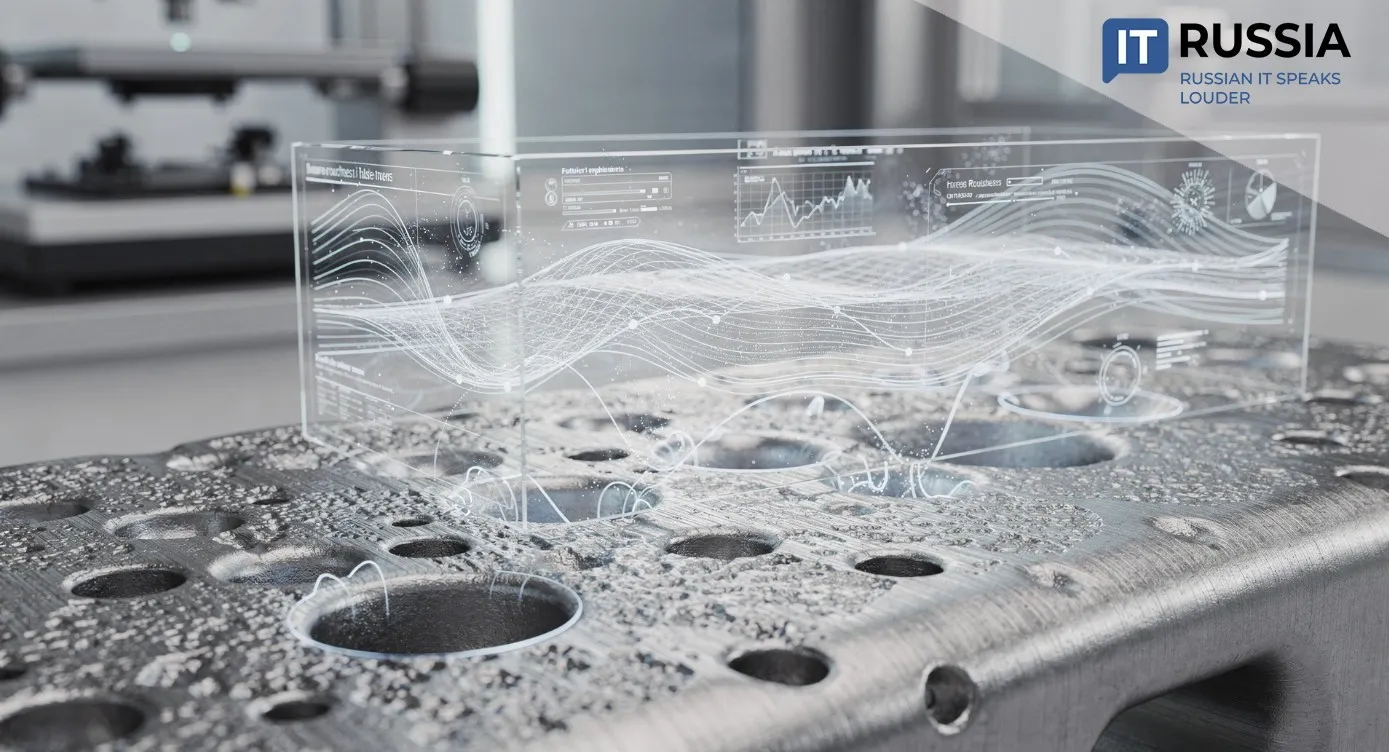
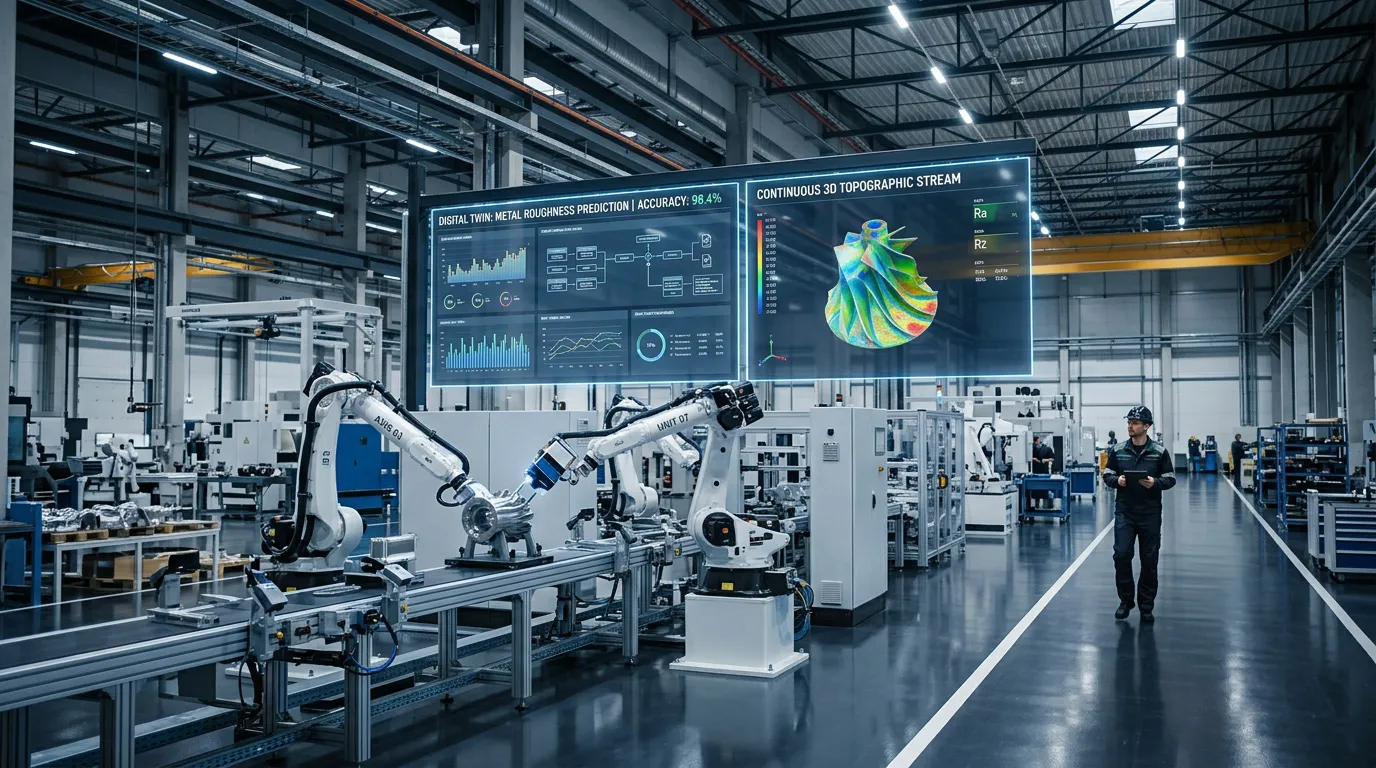
The software relies on two primary input parameters: the energy of the electrical discharge and the properties of the material being machined. From these, it generates a three-dimensional map of the future surface, predicting the depth and geometry of every microcrater, the resulting surface roughness and other characteristics that are critical to an implant's biocompatibility.
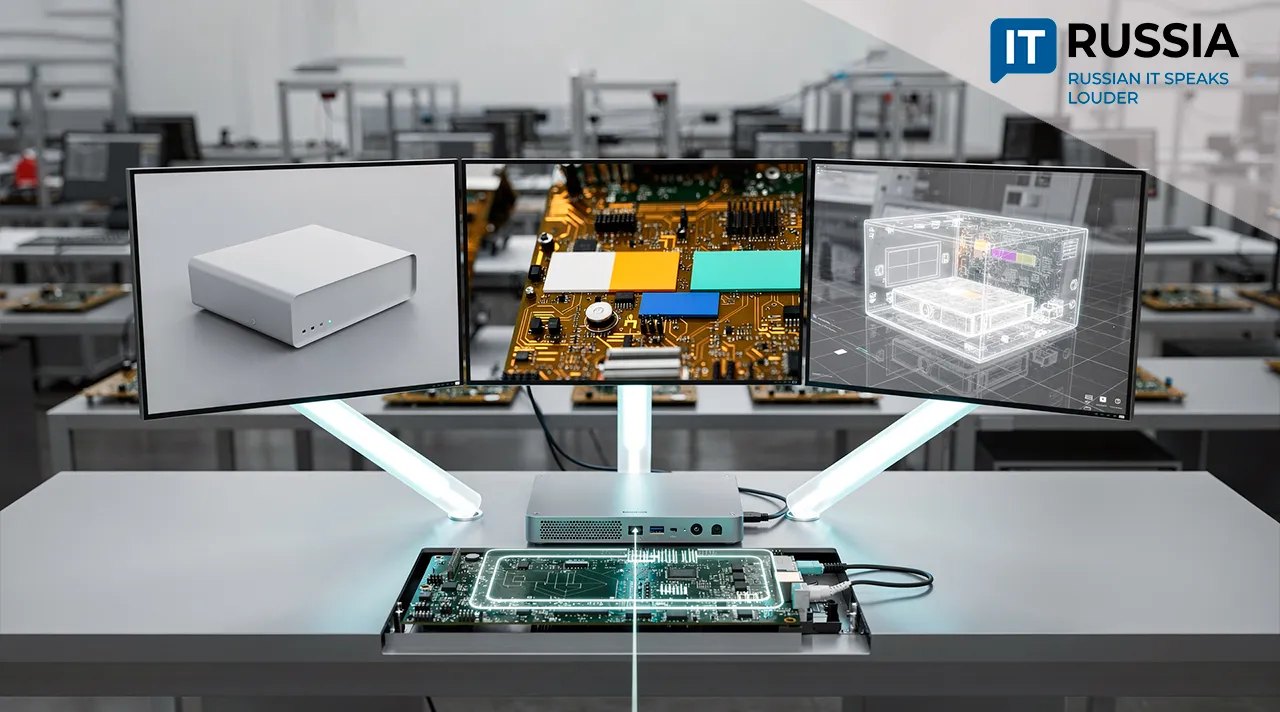
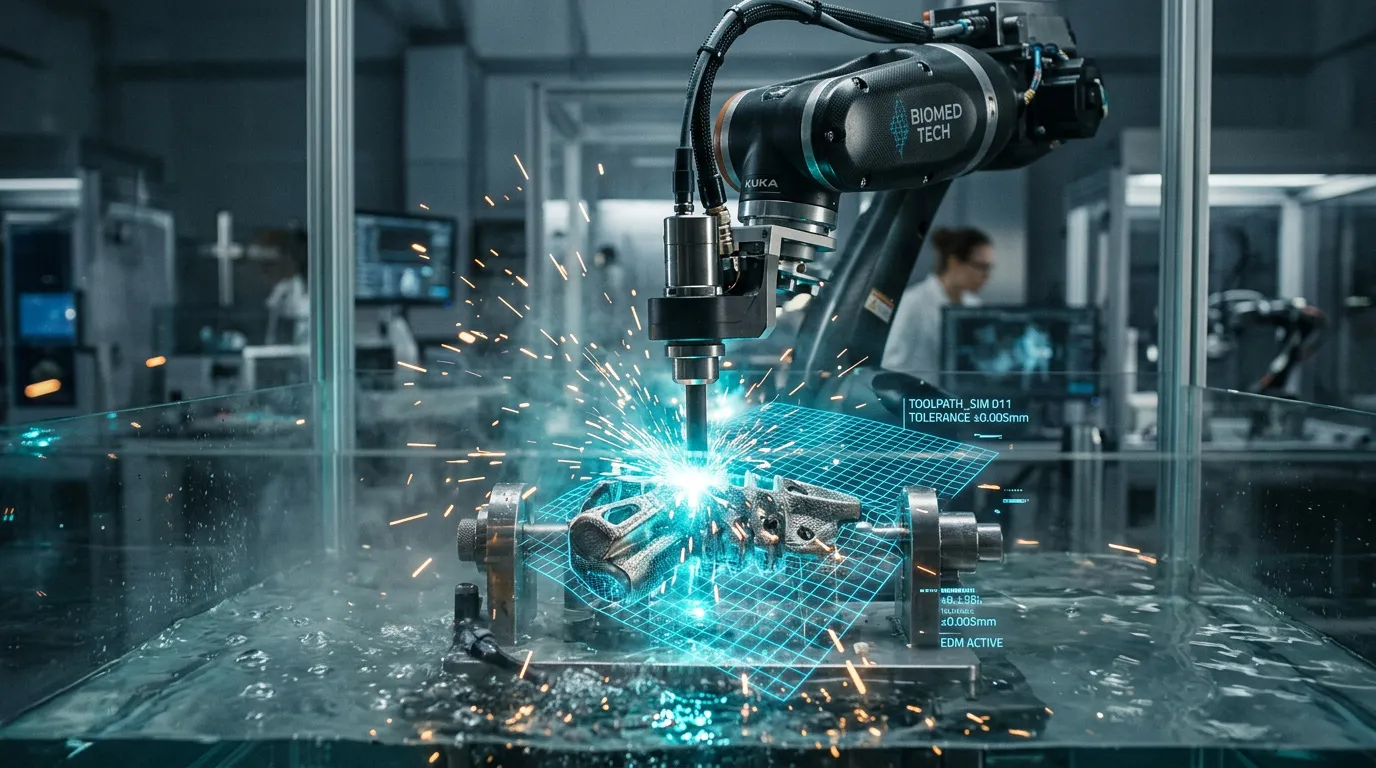
An engineer simply uploads the digital model of a component, specifies the machining parameters and can evaluate the expected outcome before the machine is ever switched on. Rather than serving as an abstract research model, the system effectively acts as a digital rehearsal of the manufacturing process, helping eliminate costly mistakes before they occur.
Why It Matters to Everyone
For now, the project remains a software prototype rather than a system deployed on factory production lines. Even so, the appearance of such a tool carries tangible implications for both Russia's healthcare system and its manufacturing sector.
First, it could reduce the cost of producing implants. Every experimental workpiece consumes expensive titanium, machine time and energy. If manufacturers can optimize machining parameters in a virtual environment, fewer defective parts should be produced, lowering the final cost of implants supplied to hospitals. Second, it promises greater consistency in product quality. Patients receiving an endoprosthesis have every reason to expect that every millimeter of its surface has been accurately calculated and verified. Third, the technology supports Russia's broader effort to strengthen domestic capabilities in one of the country's most technologically demanding industries – medical device manufacturing.
Potential Applications
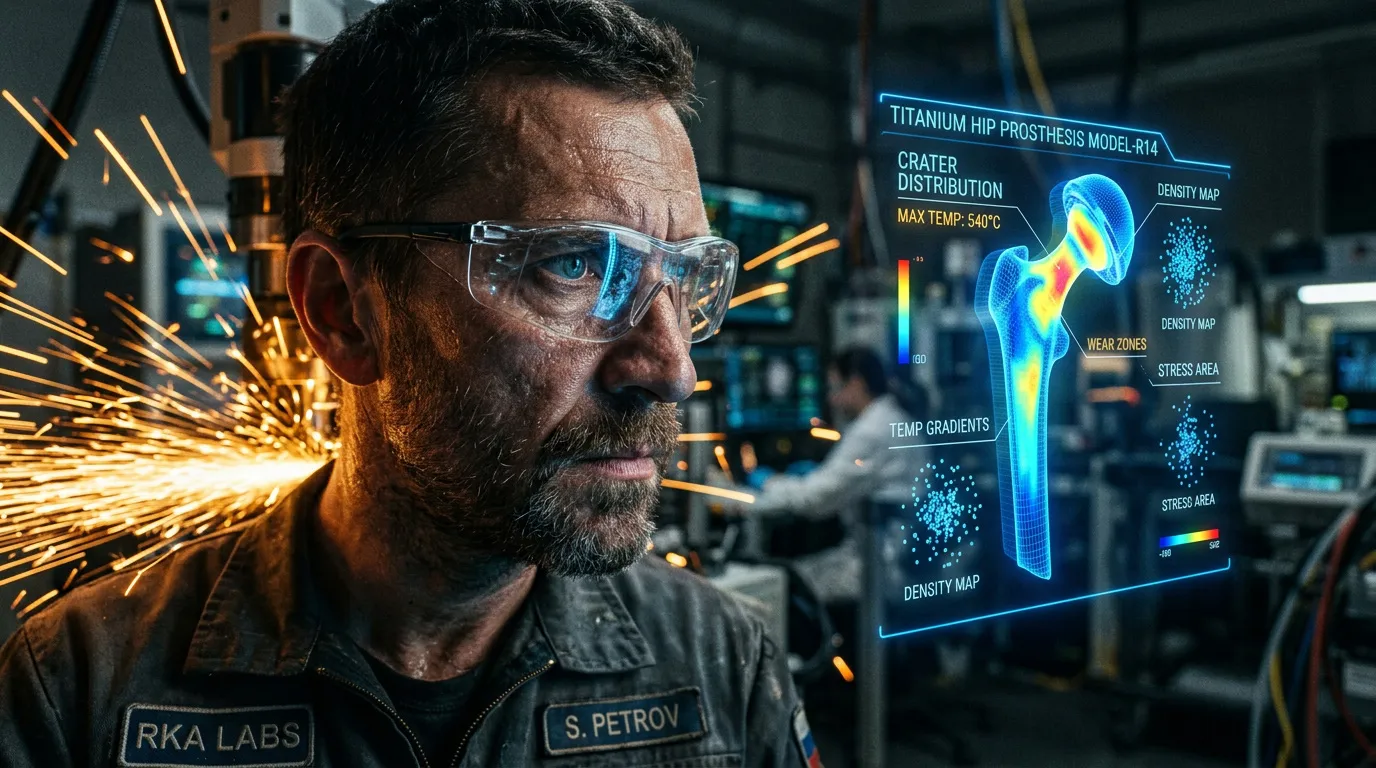
Titanium implants are only the first application. Electrical discharge machining is widely used in aerospace, energy systems and precision manufacturing – industries where specified surface roughness is a matter of safety rather than appearance. The Perm-developed model could evolve into a universal module applicable across multiple industrial sectors.
Another particularly promising direction involves digital training simulators for manufacturing operators. Young engineers could practice selecting machining parameters in a virtual environment without risking expensive workpieces or occupying production equipment. At a time when many industries face shortages of highly qualified personnel, the value of such a capability is difficult to overstate.
Building a Digital Manufacturing Chain
The Perm Polytechnic development is not emerging in isolation. It fits into a broader trend that has been gaining momentum across Russia over the past several years. In 2023, Sechenov University introduced technologies for personalized prostheses made from biocompatible materials and performed an experimental procedure using a 3D-bioprinted eardrum analogue. In 2024, Korolev Samara University began developing an integrated digital environment for accelerated design of titanium endoprostheses, while Samara State Medical University and NUST MISIS jointly created a module for 3D bioprinting of bioimplants. In 2025, researchers in Siberia mastered the production of bone implants from biopolymer filament.
The Perm surface-quality prediction module could become the missing link in that chain – the bridge connecting digital design and manufacturing quality control, without which a fully digital production cycle remains incomplete.
From Prototype to Production Floor
The most likely next step is a pilot deployment at an operating manufacturing facility. That stage will determine whether the model can maintain its reported accuracy when applied to implants of widely varying shapes and sizes. If it does, the result would represent more than an academic publication – it could mark the beginning of a domestically developed CAD/CAM solution for medical manufacturing.
Over the longer term, tools like this point toward a fully digital production workflow: from designing a patient-specific implant based on medical imaging to automated quality verification of the finished product. Within that workflow, the seconds-long calculations performed by the Perm researchers may prove to be one of the foundational building blocks of tomorrow's medicine.