Time Travel From the Couch: How Virtual Reality Is Rewriting Cultural Tourism
New technologies are reshaping tourism. Today, people can travel without leaving home, exploring not only real-world landmarks but also detailed 3D reconstructions of sites that no longer exist – from ancient tombs at Tatarskoye Gorodishche to Orthodox churches and long-abandoned factories around which entire cities once formed.
Tatarskoye Gorodishche Awaits New Archaeologists
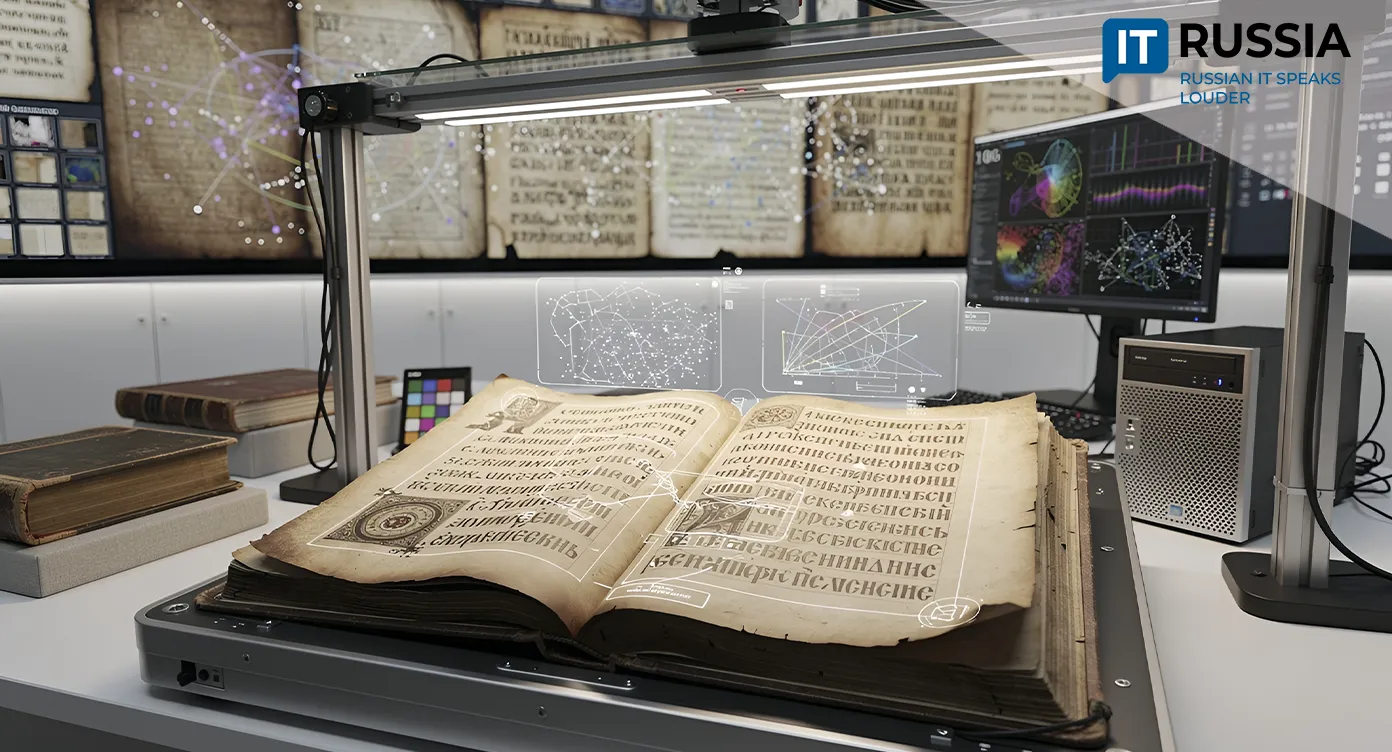
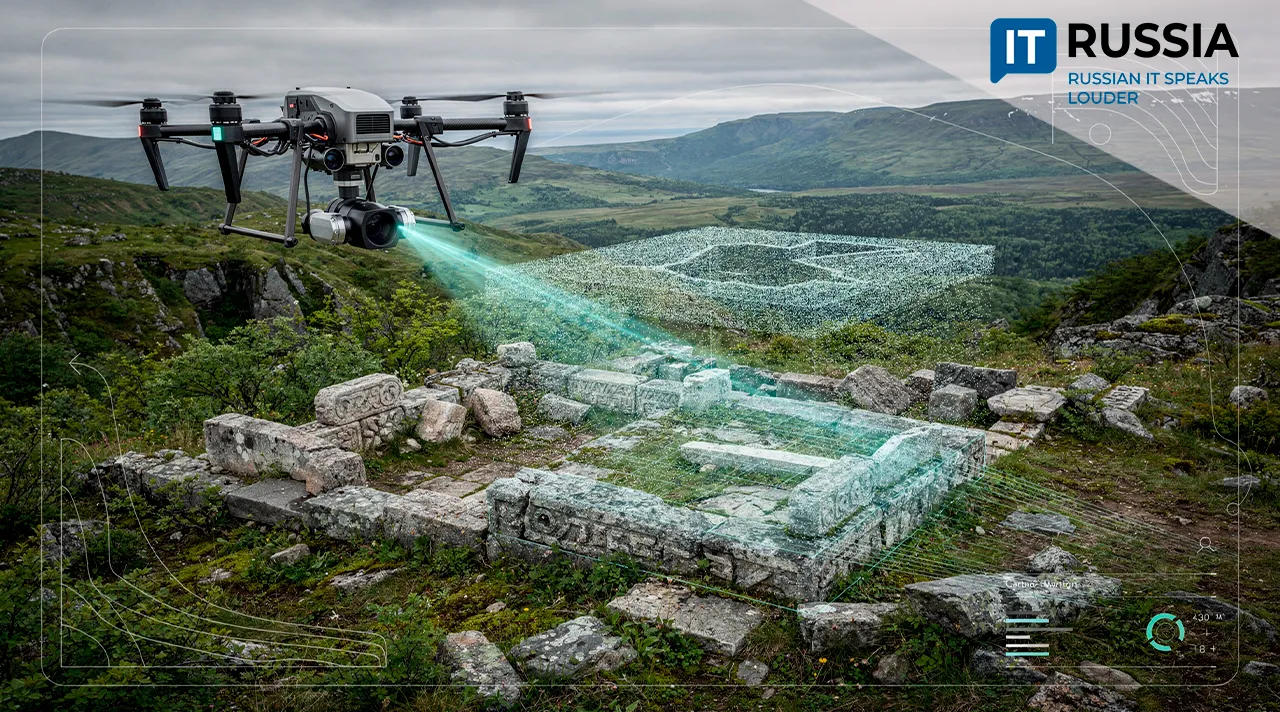
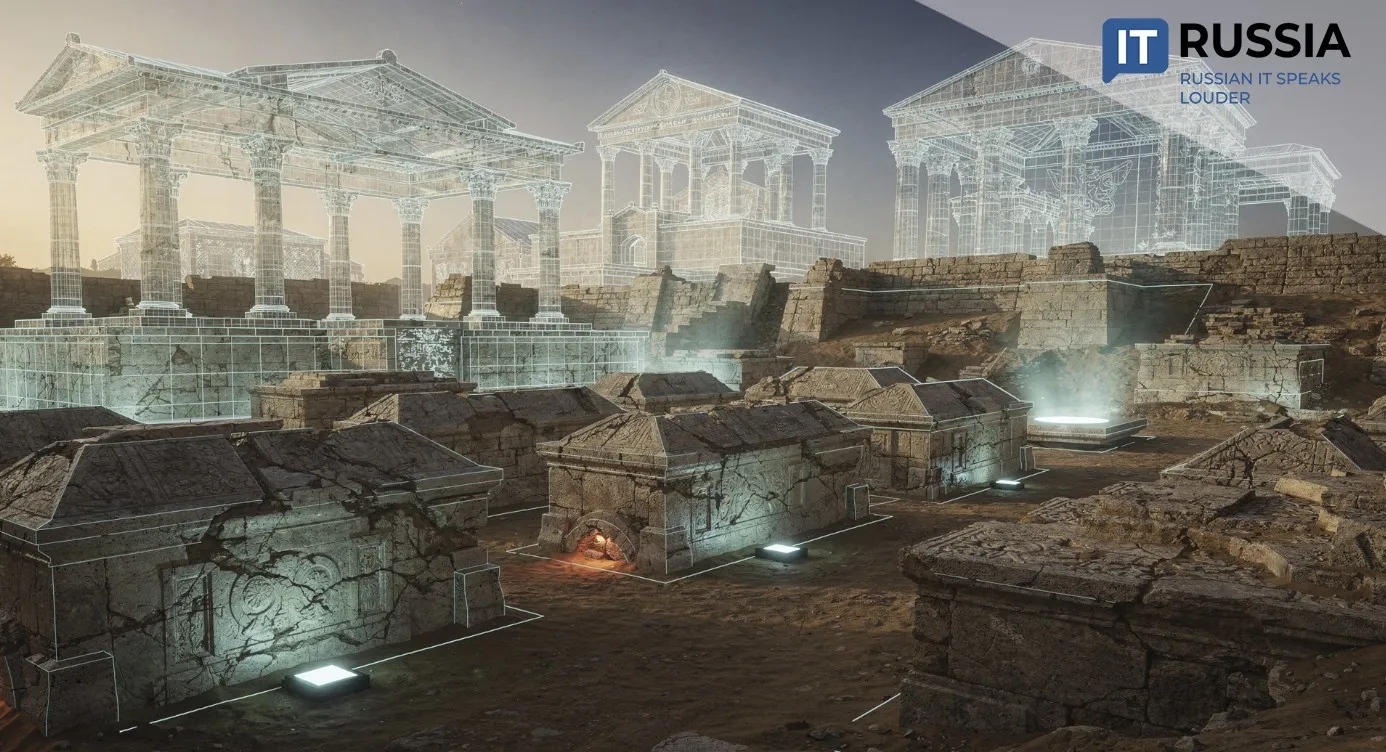
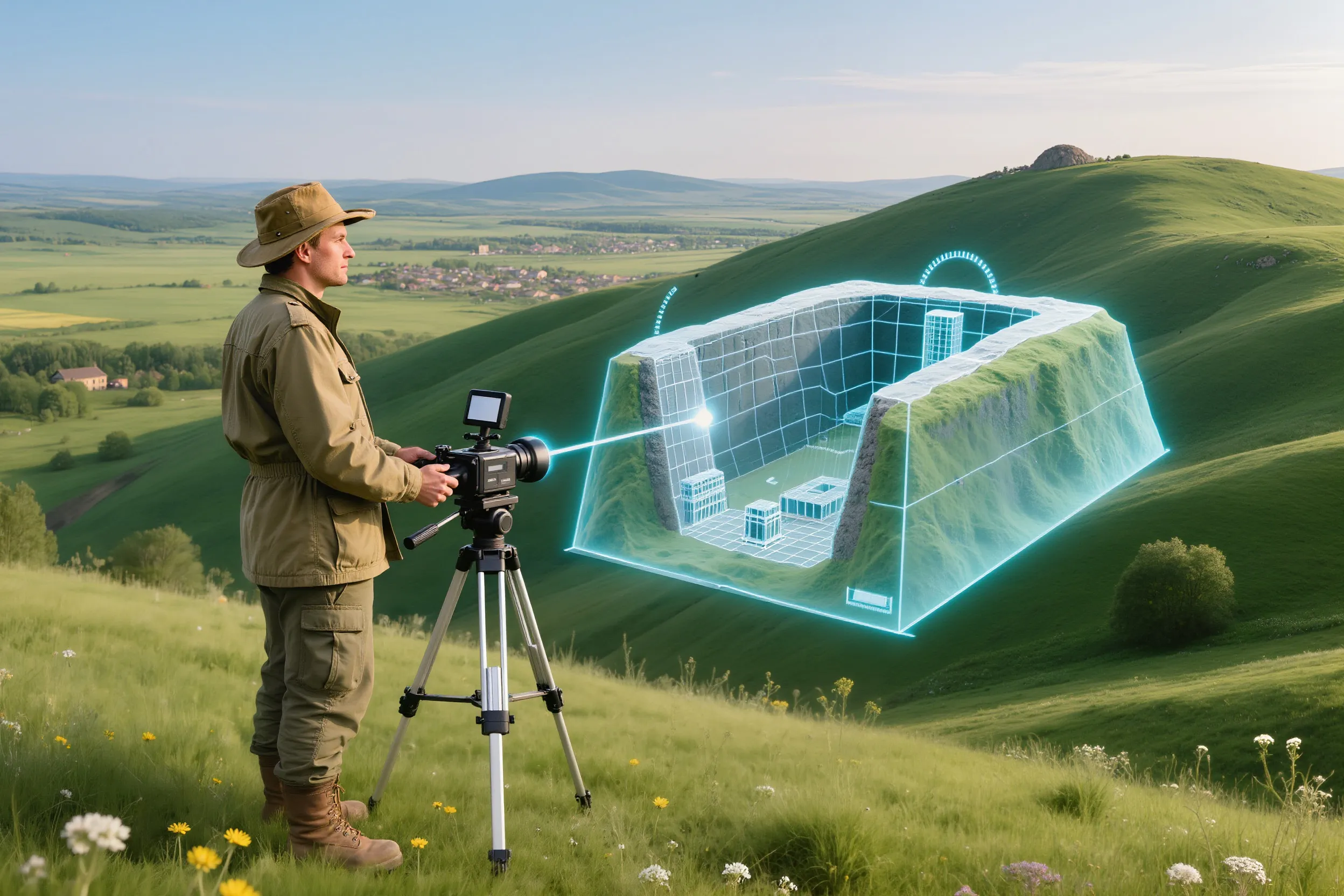
In Russia’s Stavropol region, researchers are building 3D models of tombs from one of the North Caucasus’ largest archaeological sites. Once reconstructed in virtual space, these objects will be made accessible to anyone with an internet connection.
Tatarskoye Gorodishche is a multilayer archaeological complex spanning four historical periods – Koban, Scythian, Sarmatian, and Khazar. Its exceptional state of preservation, including fortifications, ritual structures, roads, and burial grounds, makes it possible to reconstruct daily life from the 7th to the 10th centuries CE in remarkable detail. Researchers note that some structures are still buried underground and await further study.
Physical access to the site, located within a protected museum reserve, is limited. Tours are conducted only for small groups. Yet the importance of Tatarskoye Gorodishche extends far beyond the region and even beyond Russia. The site attracts interest from archaeologists worldwide, which is why the creation of high-fidelity 3D models of its ancient tombs carries international significance.
Is There a Line Between the Real and the Virtual?
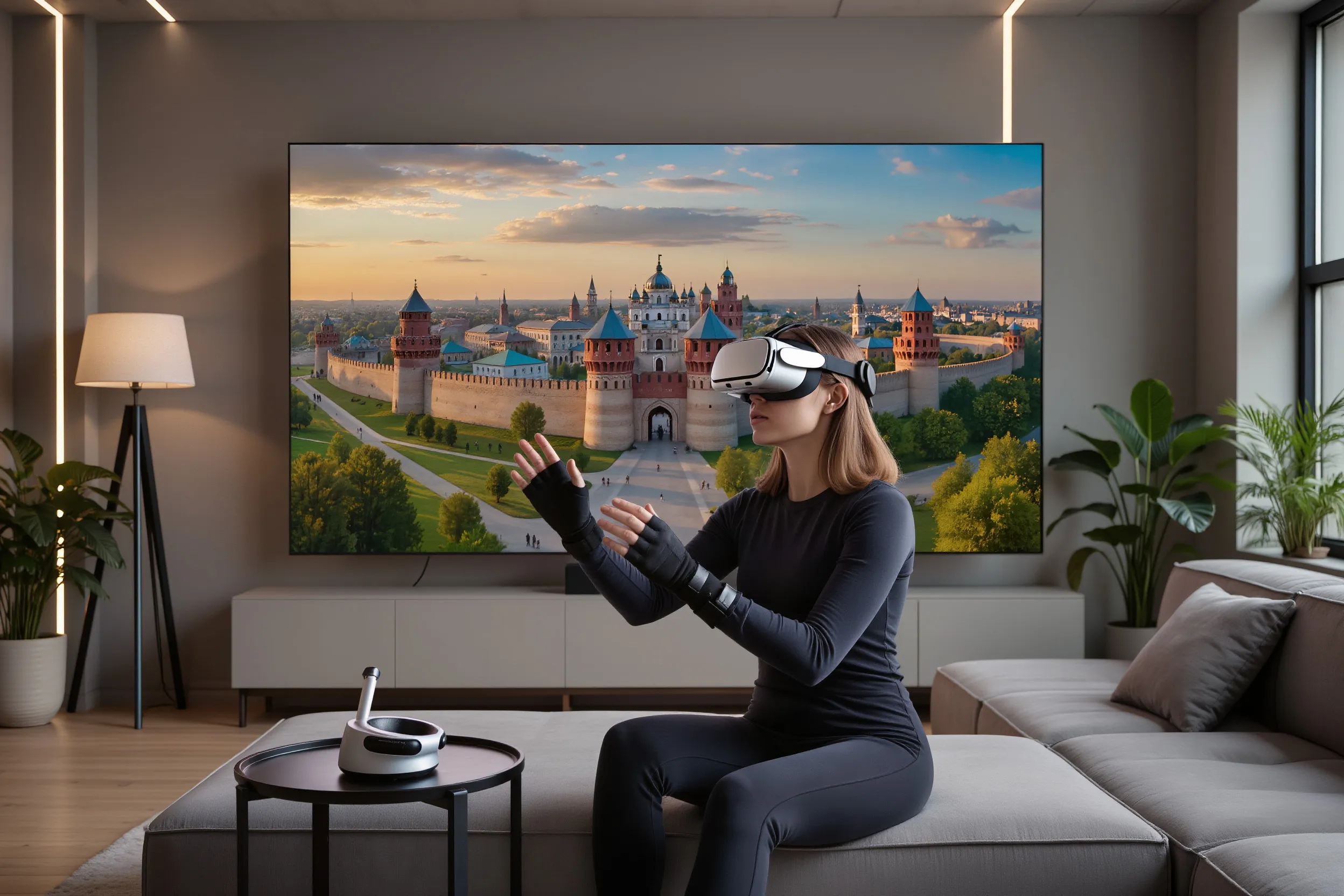
The virtual tourism market continues to grow. Advances in modeling and rendering allow developers to recreate lost monuments with increasing realism, while VR experiences now rival the emotional impact of physical travel. As a result, the boundary between the physical and digital worlds is becoming increasingly blurred. Even so, experts agree that virtual tours will not fully replace real journeys.


Instead, virtual exploration is most effective when sites are difficult to access, closed to visitors, or no longer exist. In other cases, specialists argue, a digital visit works best as a form of “warm-up” – a way to spark interest before an in-person trip.
Touring Lesser-Known Heritage Sites
According to expert forecasts, by 2040 technology will be capable of creating a near-complete sense of presence in reconstructed environments. Virtual travel will shift from experimental projects to a mass-market offering. Companies worldwide are working toward this future, including teams in Russia. Greece already offers an example with the service “Olympia: Back to the Past,” which uses a smartphone camera to overlay digital reconstructions onto the remains of ancient structures, allowing visitors to see how the city once looked.
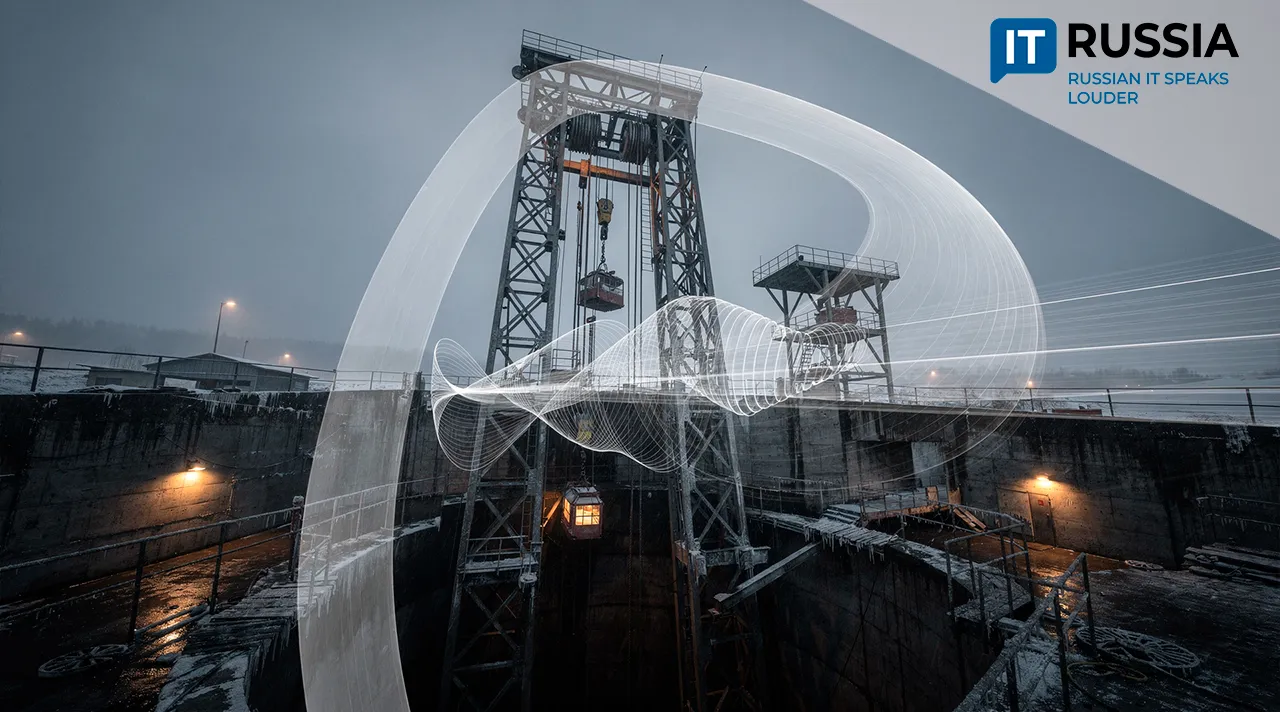
In Russia, similar reconstructions exist not only for major landmarks in large cities but also for lesser-known sites in small towns. One example is the Seregovsky saltworks in the Komi Republic, which can be visited online. The surviving structures – a warehouse and the Nikolskaya brine-lifting tower – are digitally restored to their historical appearance. Archival photographs underpin the visuals, while sound design helps convey the atmosphere of the site.
Backed by the State
Tourism projects built on AI and advanced digital technologies play a crucial role in preserving and promoting Russia’s cultural heritage. They matter to the global research community by opening access to sites of international historical value. Online availability broadens audiences and supports interdisciplinary research. These projects are also increasingly embedded in educational programs and help drive tourism development.
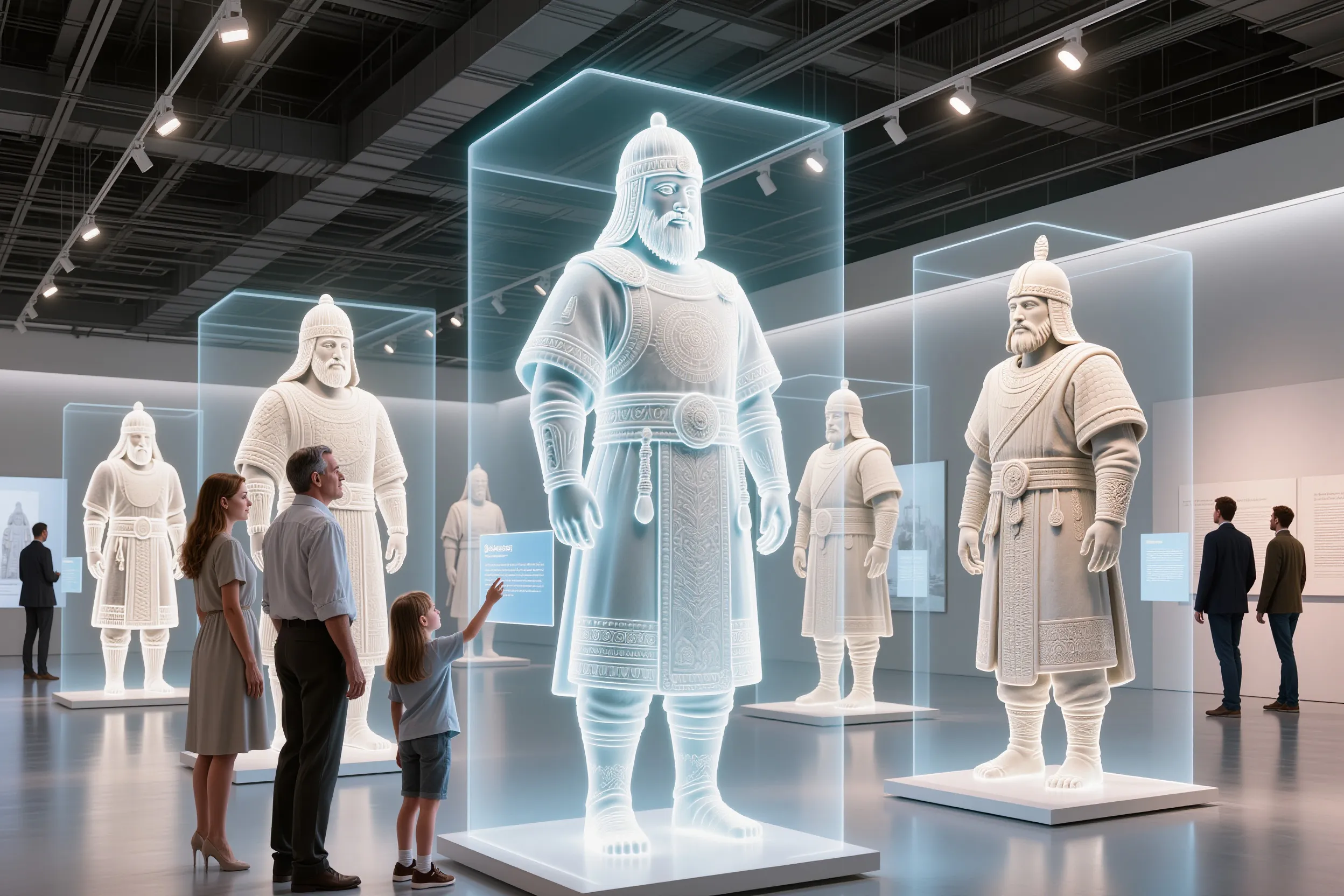
In Russia, the government actively supports virtual tours and digital reconstructions of cultural heritage sites, including through grant funding. Demand is rising for IT specialists capable of delivering more immersive virtual travel experiences and interactive formats that combine educational value with memorable, emotionally engaging encounters.