Robotic Automation in Russia’s Energy Sector Could Power the Entire Industrial Landscape
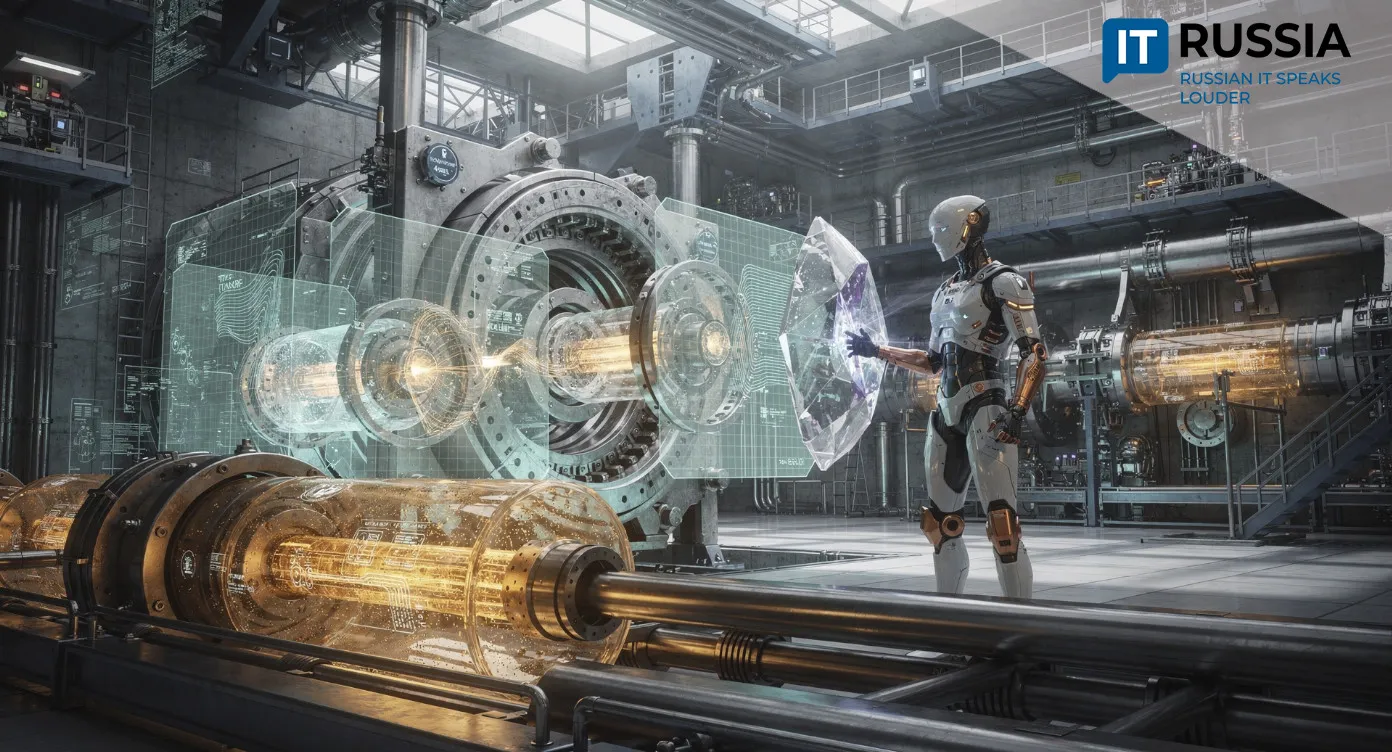
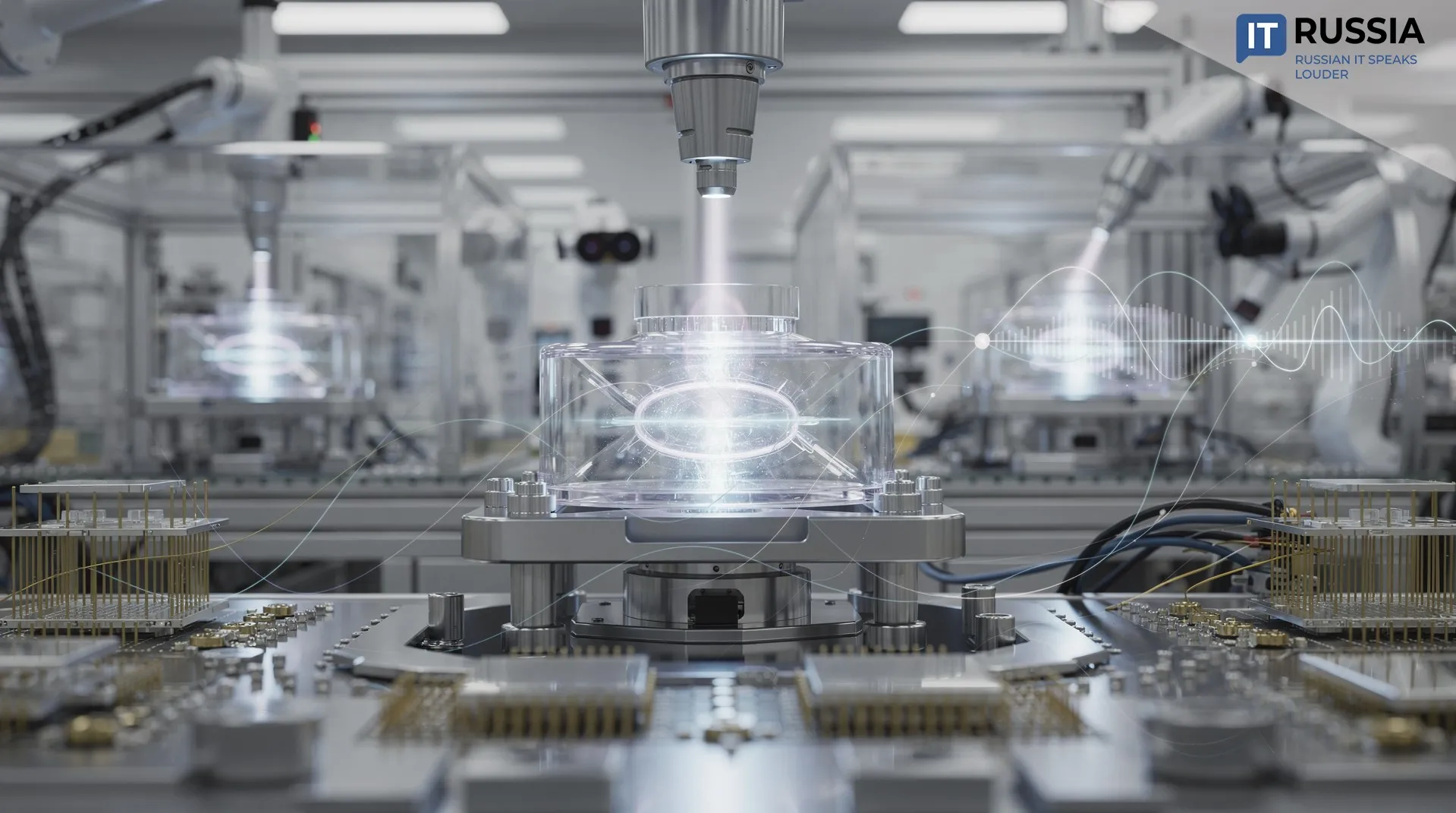
Robotic automation is moving from experimentation to large‑scale deployment in Russia’s fuel and energy sector, with government‑driven initiatives positioning the industry as a catalyst for nationwide industrial modernization

Russia’s Ministry of Energy has launched a sweeping initiative to accelerate technological transformation across the fuel and energy sector (FES). The program includes a major industry‑wide request for robotics, aimed at building a resilient domestic ecosystem and reducing reliance on foreign technologies.
A Large‑Scale Industry Transformation
The FES is projected to require 6,600 units of robotics, with 4,000 expected to be deployed in the oil and gas segment by 2030. This isn’t simply about acquiring hardware. The initiative is designed to create long‑term demand that enables domestic robotics manufacturers to scale production, invest in R&D, and secure supply chains.

According to Deputy Minister of Energy Eduard Sheremetev, the total economic effect could reach approximately $1.1b, driven by reduced labor costs, optimized technical maintenance, and increased operational efficiency. Robotics also improves industrial safety by minimizing human exposure to hazardous environments, while generating high‑quality operational data for predictive analytics.
Boosting Suppliers and Strengthening Technology Sovereignty
The program is expected to spark significant growth across multiple adjacent industries. Guaranteed demand from the FES will stimulate development among Russian robotics manufacturers, component suppliers, and software developers.


Robotics systems proven in Russia’s harsh climatic and industrial environments may also gain traction internationally—particularly in CIS countries, Asia, and the Middle East, where demand for resilient and cost‑effective solutions is increasing. Domestic adoption will, in turn, strengthen Russia’s energy security and modernize core industrial infrastructure.
Aligned With Global Industrial Trends
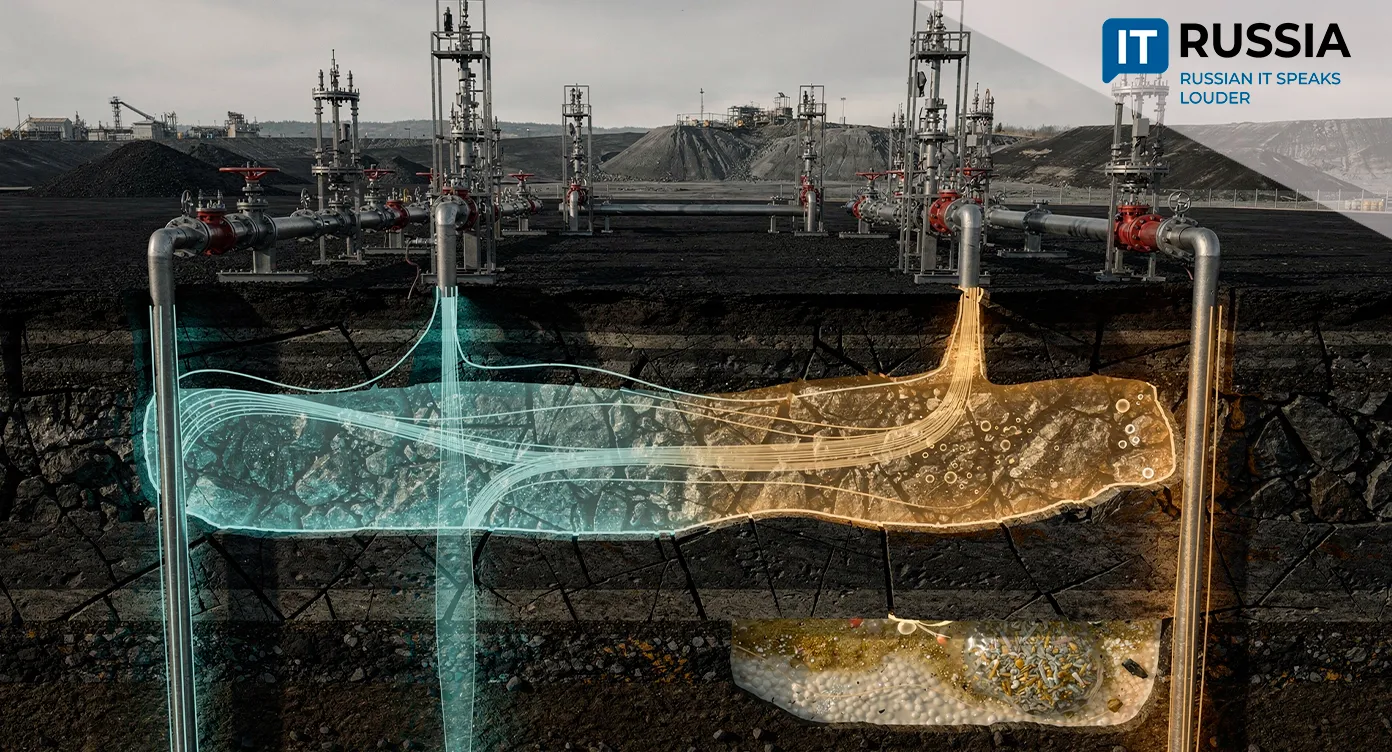
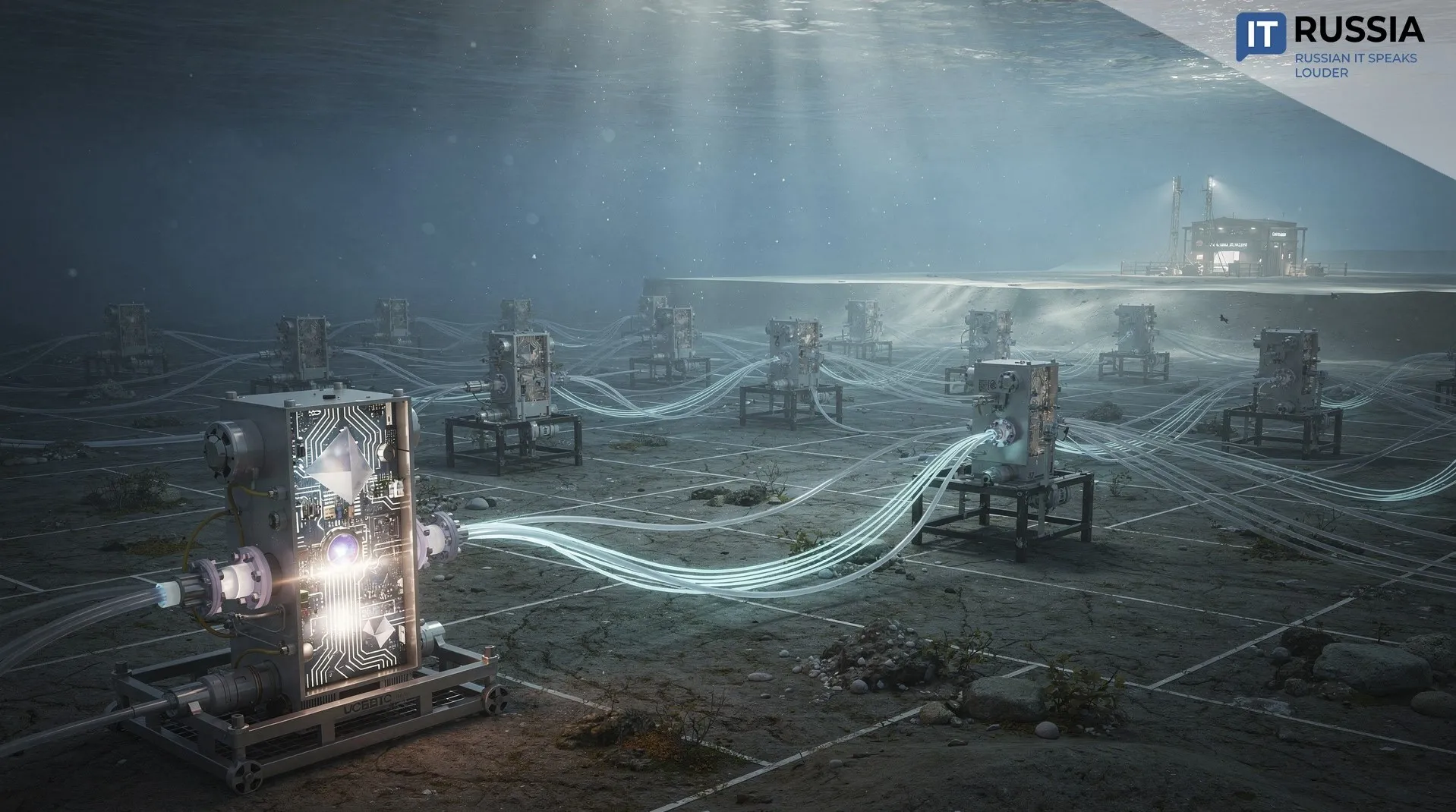
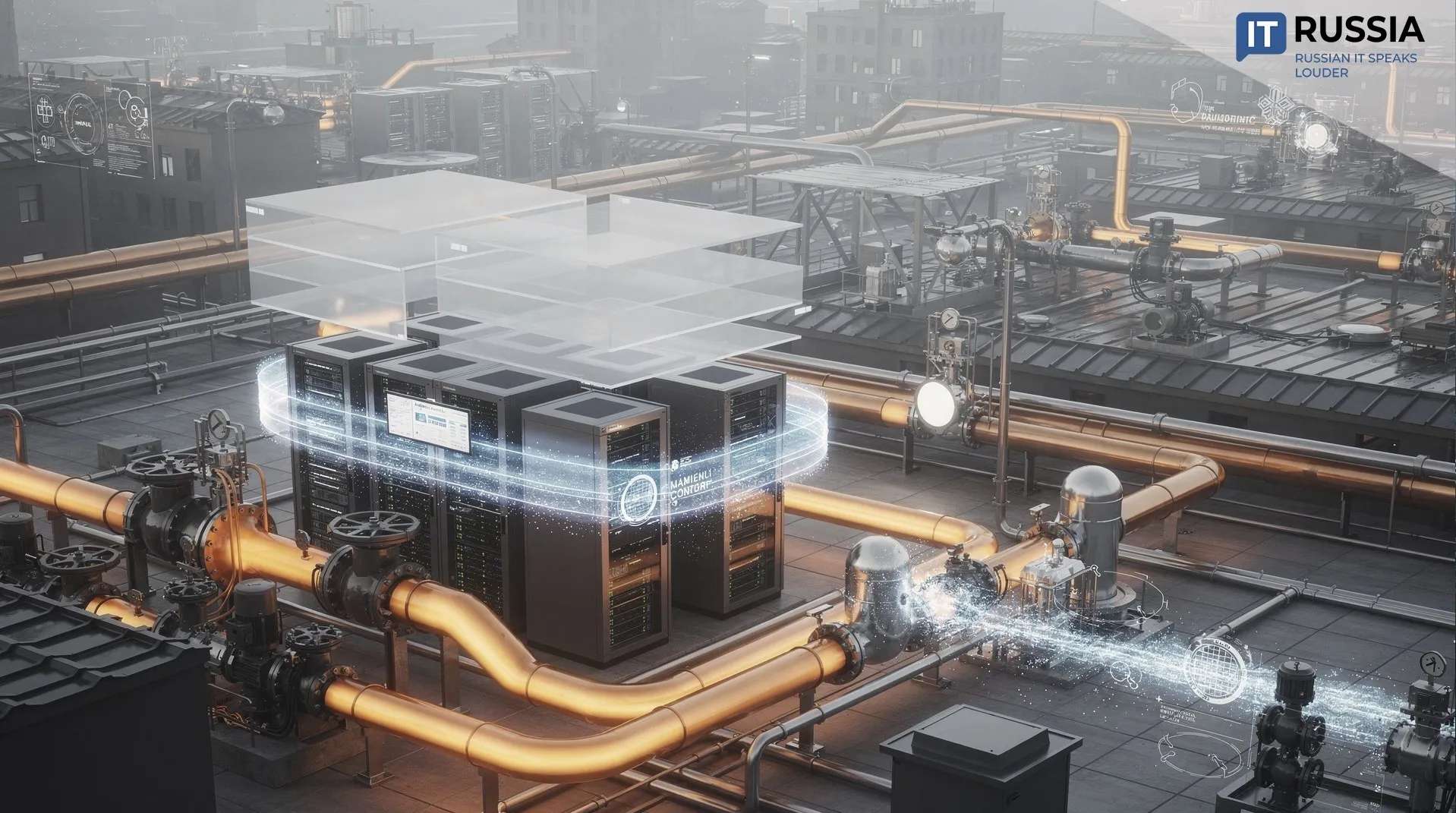
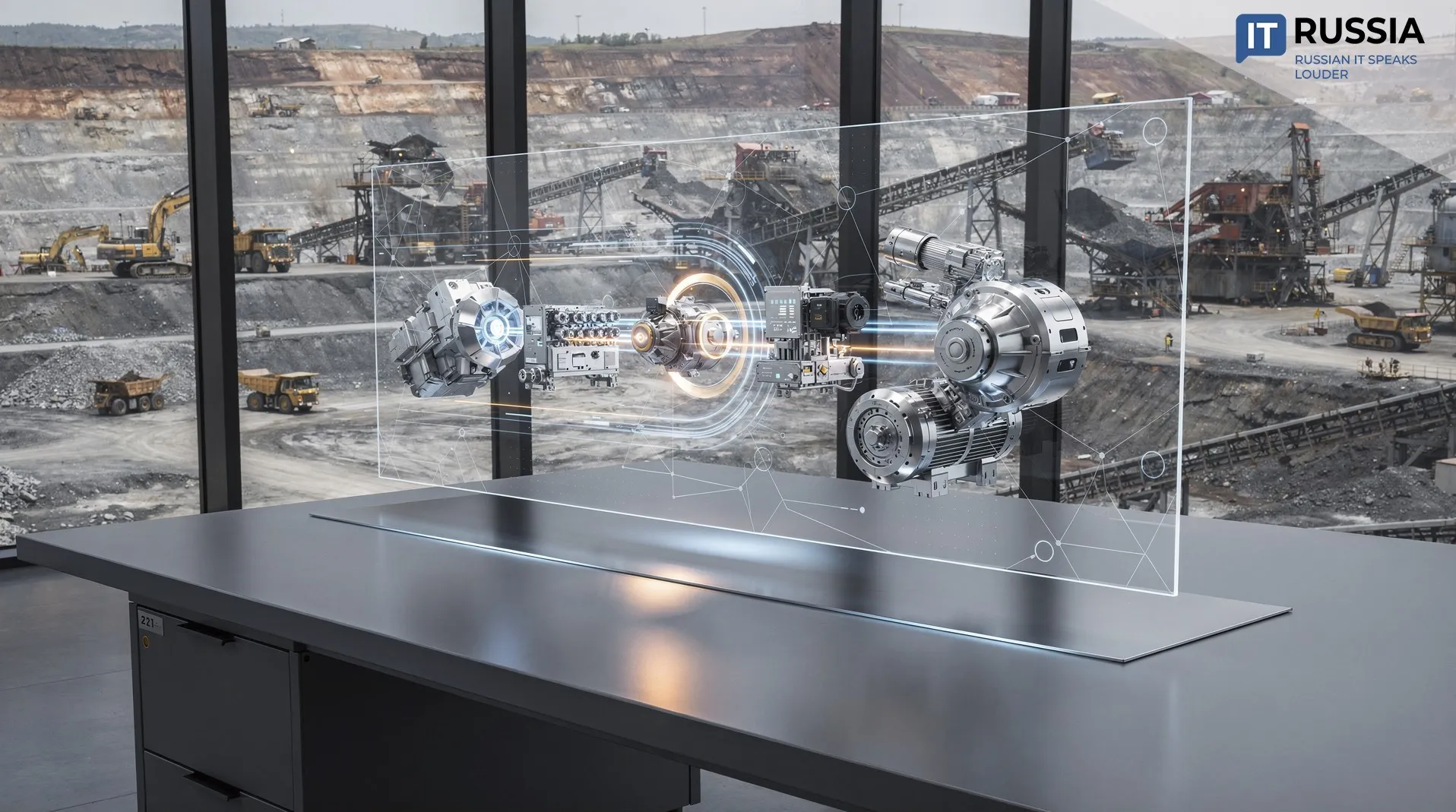
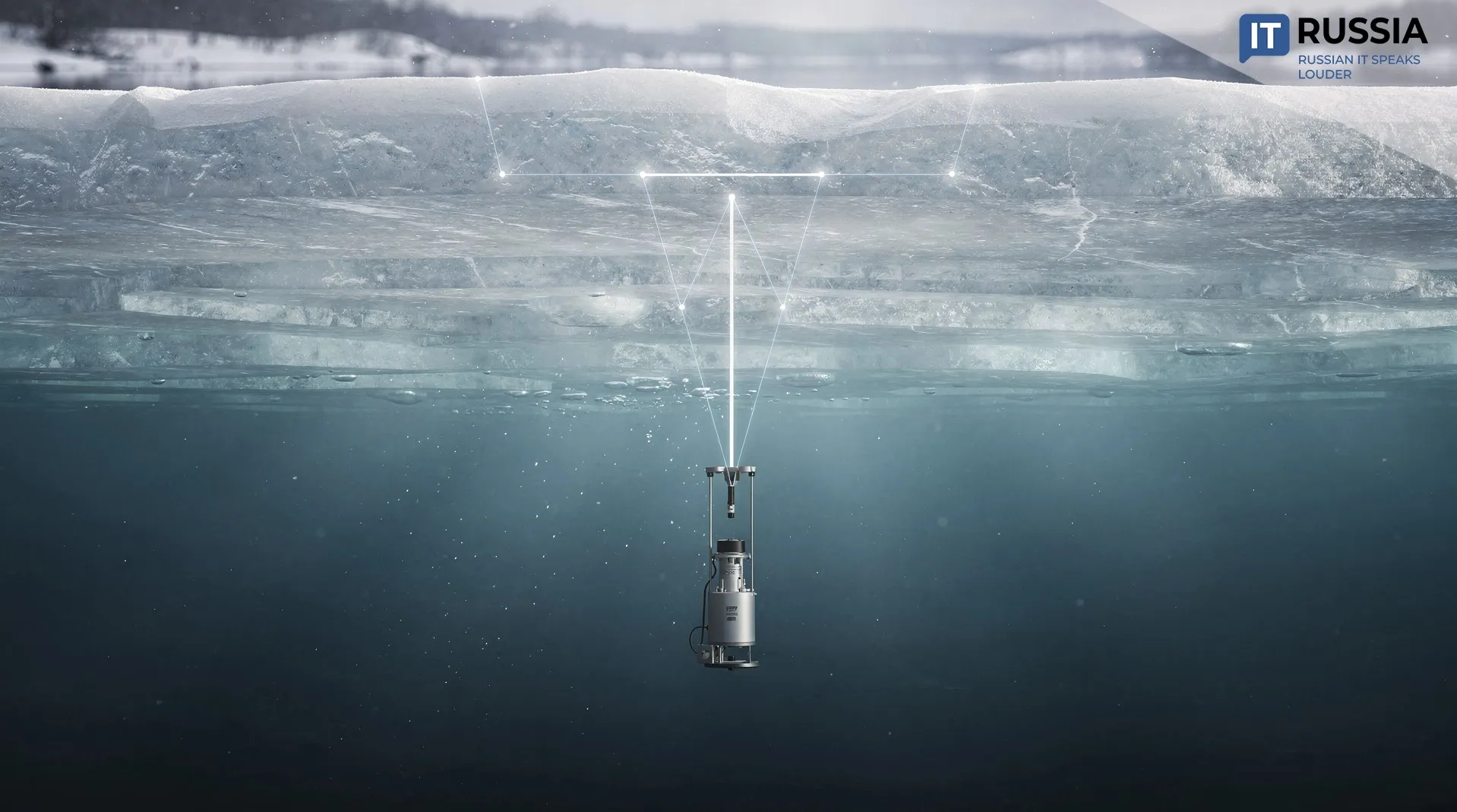
While automation levels in Russia’s FES remain low—roughly 10 robots per 10,000 workers—successful pilot programs already exist. Transneft and Tewbot have developed robotic systems with AI capabilities for inspecting underground pipelines. Rosneft uses robotic complexes to diagnose refinery equipment. In Kuzbass, robotic mining machines operate in high‑risk zones.
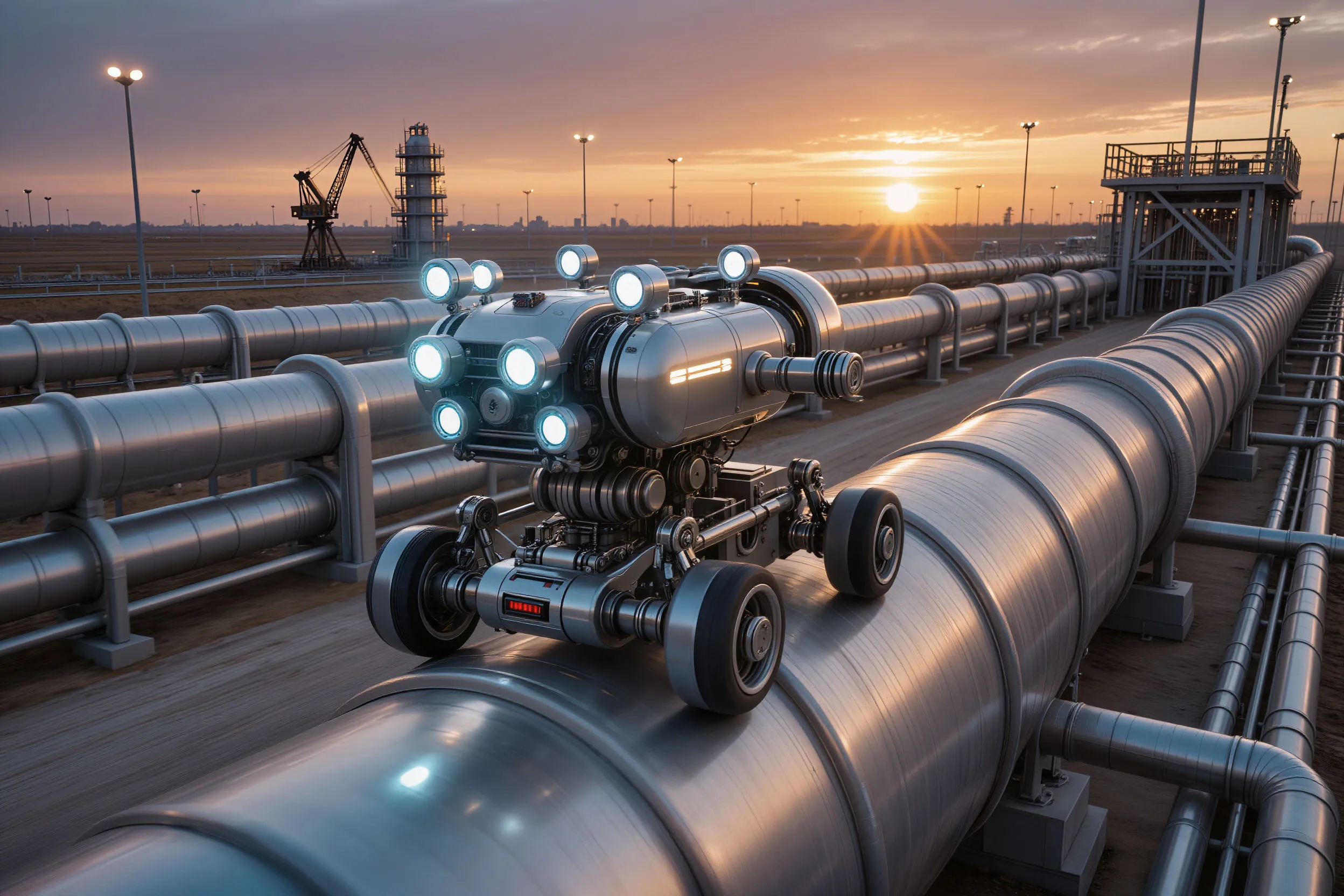
Global benchmarks reflect similar momentum. BP deploys drones for methane‑emissions monitoring, Saudi Aramco leverages robotics for submarine pipeline diagnostics, and Shell uses autonomous platforms to monitor remote infrastructure. Russia’s initiative follows these global trends while emphasizing domestic technology development.
Government Support Is Critical
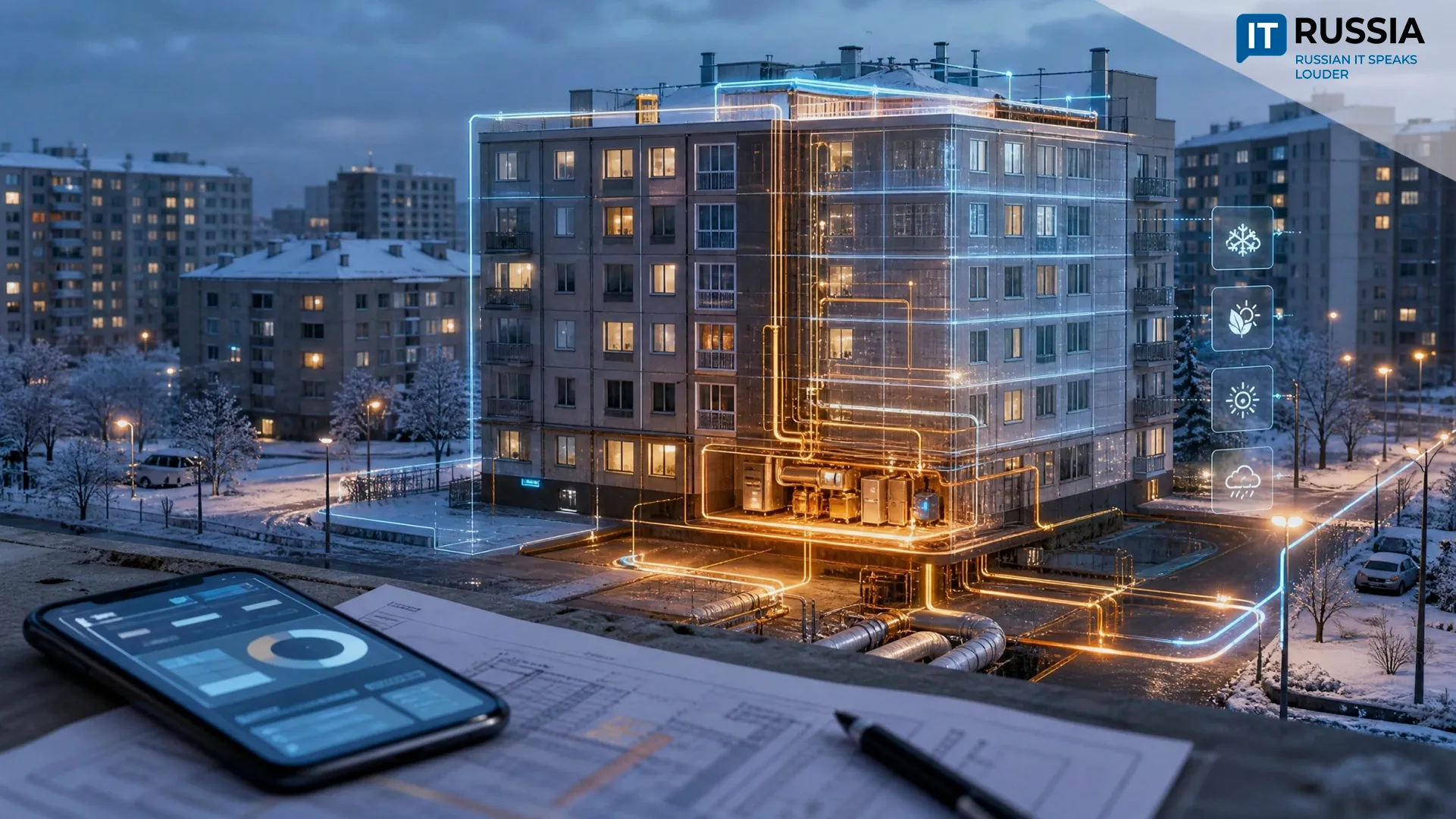
While the Ministry of Energy’s plan is ambitious, execution will require overcoming several challenges: outdated infrastructure on many FES assets built in the early 2000s, unstable connectivity in remote regions, and the need for economic incentives to justify replacing manual labor.
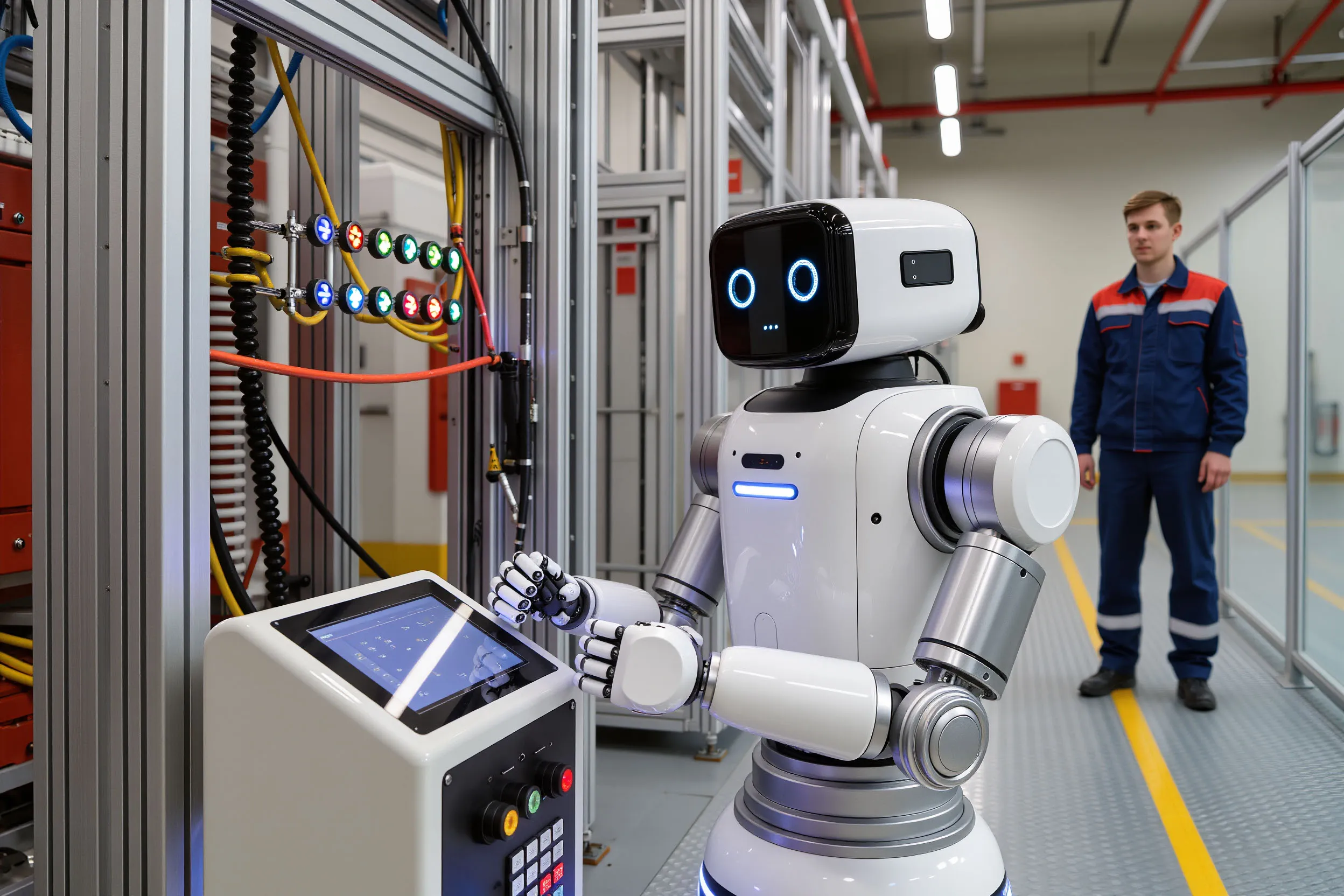
To accelerate deployment, experts highlight the importance of tax benefits, dedicated robotics testing grounds, R&D subsidies, and support for component manufacturers. If these measures are implemented, Russia could build a robust robotics ecosystem with strong export potential.