

Sevastopol Students Use VR to Explore Their Future Careers
In virtual reality, students can crash a tower crane, fail a delivery route or ruin a machine part without anyone getting hurt. High school students in Sevastopol recently tested five in-demand professions using VR headsets.
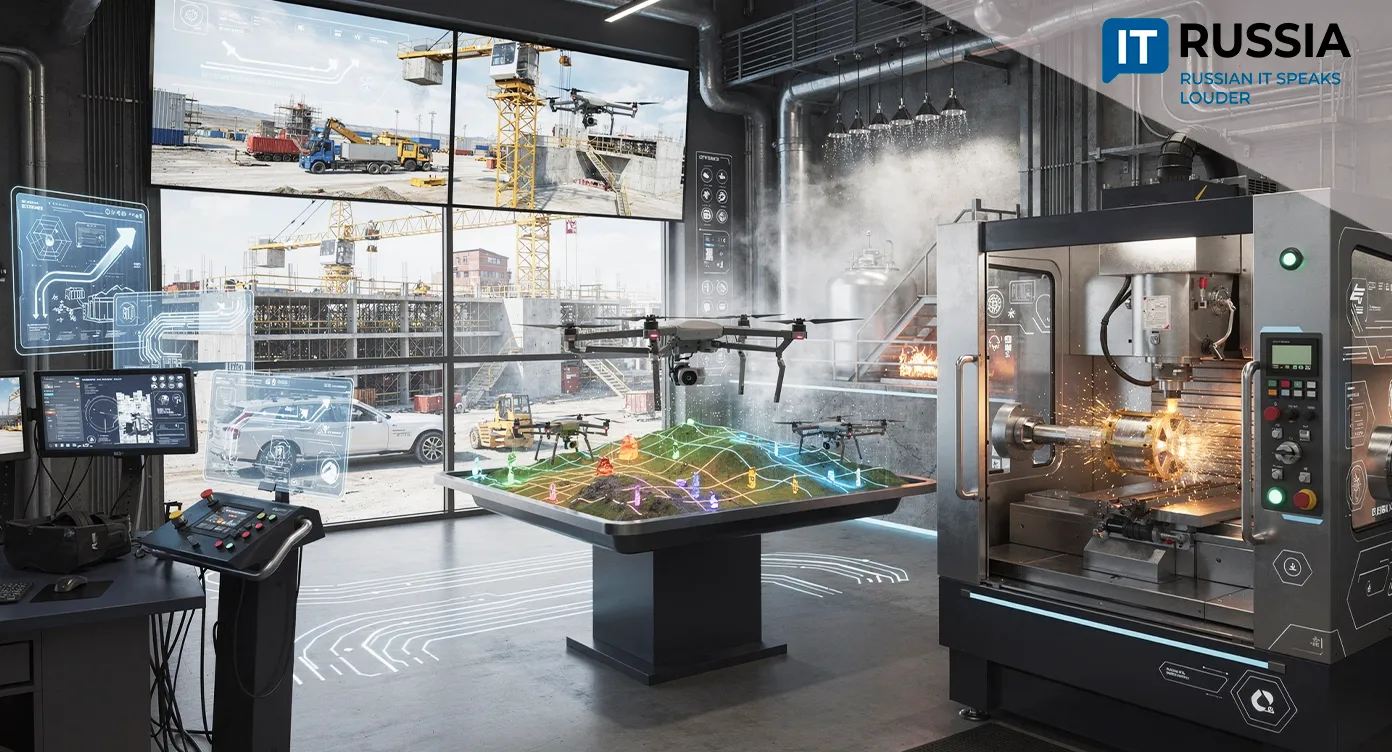
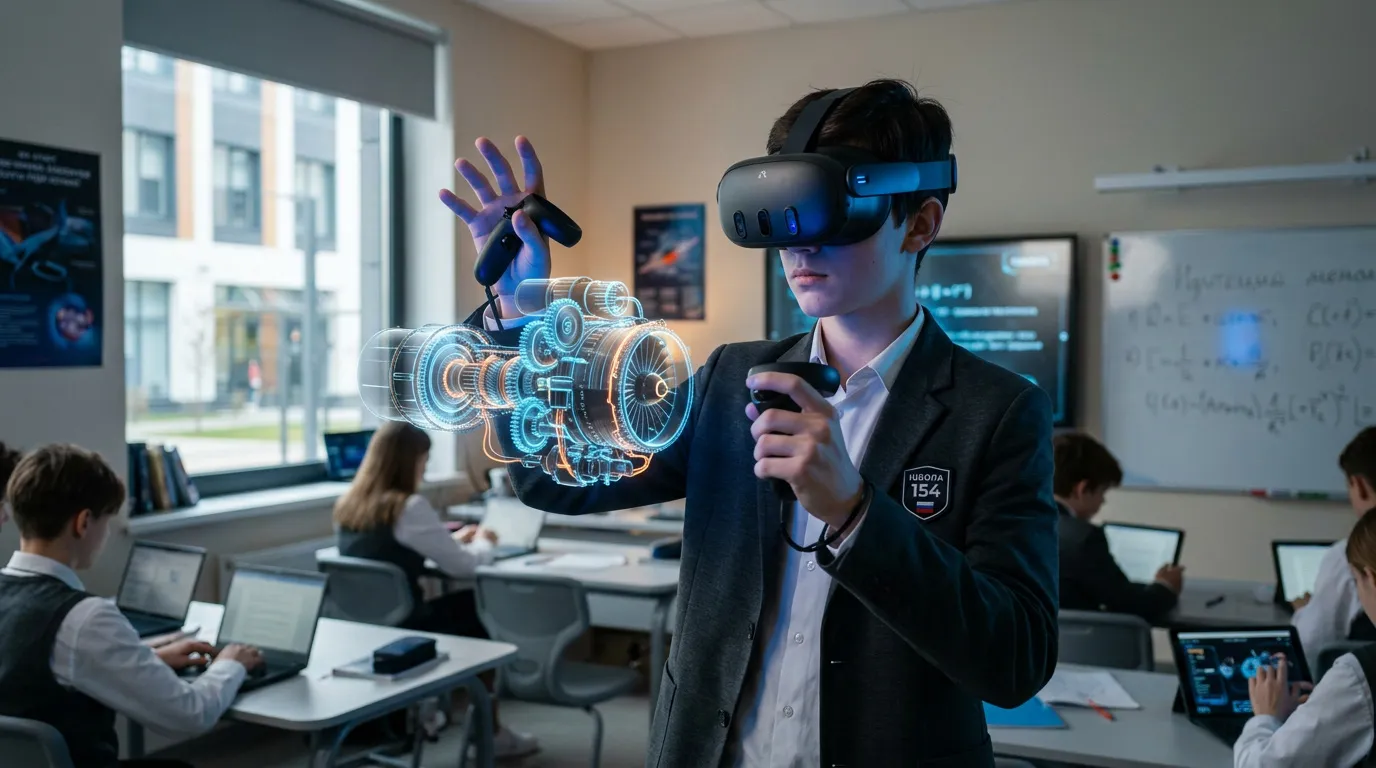
“What do you want to be when you grow up?” Teachers and parents have been asking that question forever. For years, it usually led to awkward silence or generic answers. Now students can put on a VR headset and, within minutes, find themselves inside a tower crane cabin or piloting a drone through a simulated rescue operation. After that, talking about the future suddenly becomes much more real.
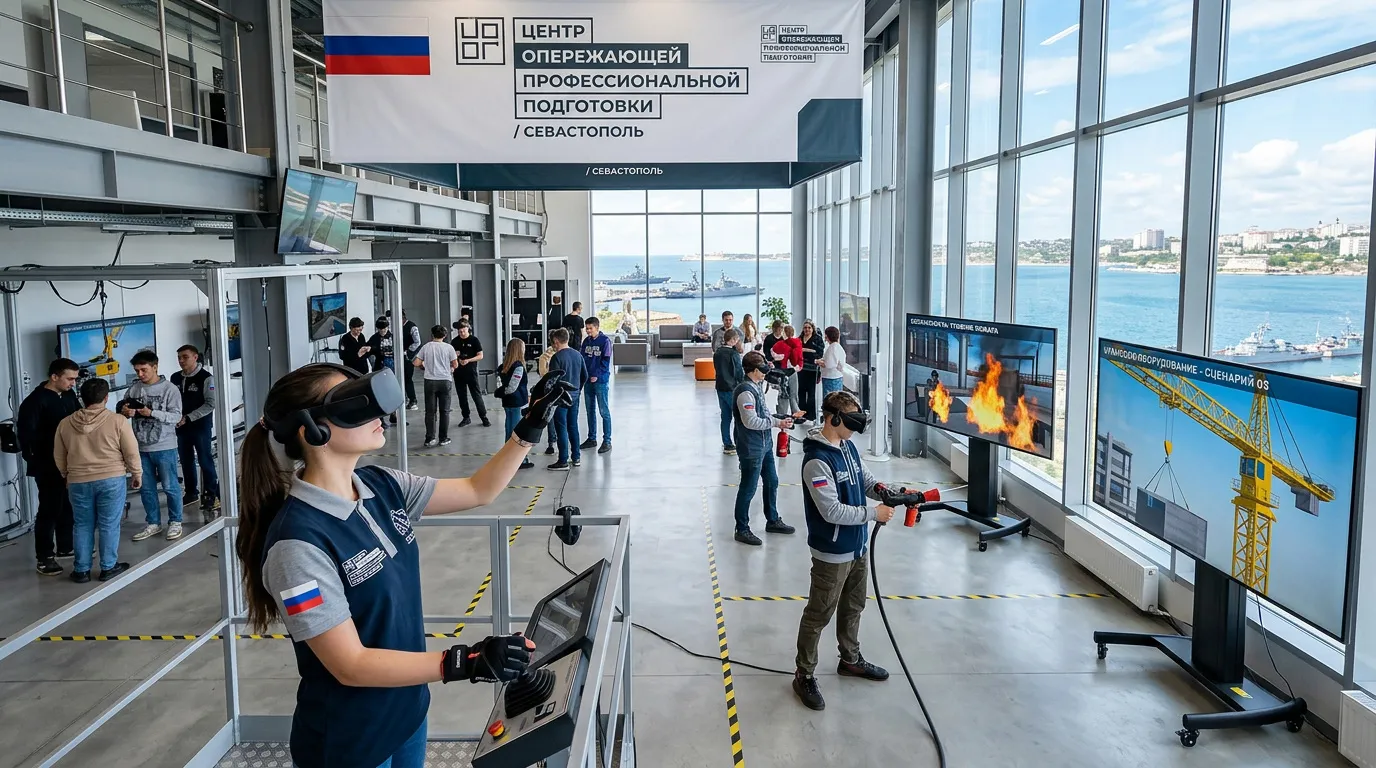
At the Tsentr operezhayushchey professionalnoy podgotovki (Center for Advanced Vocational Training), or TsOPP, at Sevastopol’s Institute for Education Development, teenagers are not being pushed to obsess over standardized exams. Instead, they are being encouraged to imagine possible futures and, more importantly, to experience them firsthand through immersive simulations. The center has created something closer to a fitting room for professions than a lecture course. High school students from Schools No. 3, 26 and 44 became the first to try what is essentially a VR-powered preview of adult working life.
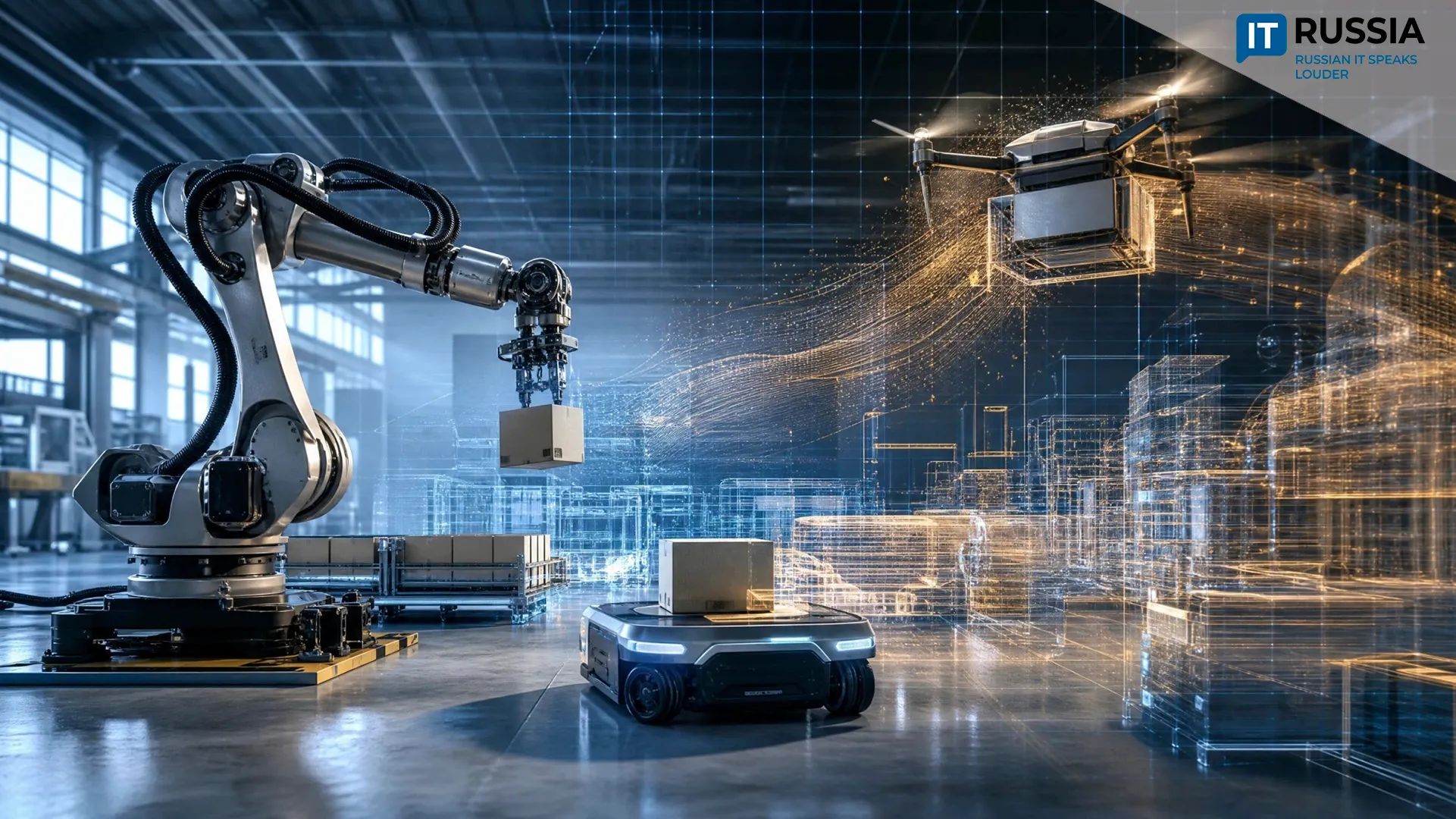
Here is how the process works. It begins with diagnostic testing on a computer designed to identify students’ strengths and preferences, whether they are drawn to risk, analytics or operating machinery. Based on those results, the system recommends career paths. Students then use VR headsets to step into five completely different environments, taking on the roles of crane operators, logistics specialists, firefighters, drone pilots and machinists.
One student handling lifting equipment can physically sense the weight and movement of a multi-ton structure. Another learns how to design logistics routes without wasting time or money. A third responds to a simulated fire, while others pilot drones or perform precision manufacturing tasks on virtual machinery. The project gives teenagers a chance to experience the pace, pressure and complexity of real professions before making decisions about their future. At the same time, the simulations create a safe environment for practicing basic professional skills under conditions designed to resemble real industrial or emergency-response scenarios.
A Place to Take the Next Step
The initiative is part of the national Molodezh i deti (Youth and Children) program, which focuses on early career guidance. Since September 2023, Russian schools have also been using a nationwide career orientation framework for students in grades 6 through 11 through the Bilet v budushcheye (Ticket to the Future) project. Sevastopol has become one of the regions turning that framework into something more hands-on and technology-driven.
Russia currently faces strong demand for engineers, CNC machine operators and drone specialists. The country is also pushing toward greater technological self-sufficiency. In practice, simply studying theory is no longer enough. VR-based career guidance addresses a major barrier by giving students access to equipment and workplaces that would normally cost millions of rubles, pose safety risks for beginners or remain completely inaccessible within a standard school program.
The inclusion of drone operations among the five featured professions is not accidental. Russia’s federal Kadry dlya bespilotnykh aviatsionnykh sistem (Personnel for Unmanned Aviation Systems) project is already operating at full scale. Today, drone operators are no longer viewed simply as people holding remote controls. They are becoming increasingly important across agriculture, logistics and public safety. By introducing a drone operations module for teenagers, the Sevastopol center is moving ahead of demand and building early interest in careers expected to expand rapidly in the coming years.
A Taste of the Real Thing
Russia’s career guidance system took years to evolve into something capable of supporting high-end VR simulations for professions like crane operation. Until recently, many school career programs existed largely as a formality. That began to change in 2023, when the mandatory “Rossiya – moi gorizonty” (Russia – My Horizons) course was introduced nationwide. The Bilet v budushcheye project then became the backbone of the broader system, creating a national framework that regions could adapt with their own technologies. Sevastopol chose virtual reality as its approach.
The Sevastopol Institute for Education Development had been preparing for this transition for years. Back in 2024, the same TsOPP center launched the Profkanikuly (Professional Holidays) camp program. Students built 3D models, practiced medical procedures on mannequins and explored restoration work at the Fedyukhiny vysoty historical park.
Now, instead of persuading a 16-year-old to consider industrial work through lectures alone, educators can give students a chance to get a taste of the real thing through simulation. That shift also reflects how quickly Russia’s market for educational VR technology has matured. Some simulations already require students not just to press buttons, but to follow full technological workflows similar to those used on real factory equipment. The addition of drone operators to the list of featured careers also signals how closely policymakers are listening to both the military sector and major industrial companies.
More Than a Gadget
VR classrooms could soon become standard equipment for TsOPP centers, Kvantorium technology hubs and engineering-focused schools across Russia. But educators also recognize the limits of technology on its own. If a student spends time in a virtual drone simulator and then simply logs off without any next step, the impact fades quickly. Technology for its own sake will not solve anything. The real value comes from combining career testing, VR simulations and direct exposure to employers or vocational education programs. Without internships, specialized classes or follow-up training, the experience risks turning into little more than another video game.
The project’s biggest strength is not the headset itself. At its core, the initiative is about respecting students’ ability to make informed choices about their future. Instead of guessing what career might suit them, teenagers can now put on a headset and see a possible future with their own eyes.