Smart Maintenance Moves to ISO Standards
Russian industrial holding company Grand Line is shifting toward an asset management model aligned with international standards, using the Russian-built 1C:TOIR KORP platform as the backbone of its digital transformation strategy.

Russian IT company Desnol, the developer and integrator behind the 1C:TOIR ecosystem, has begun implementing a digital production asset management system for the Metallist plant, part of Grand Line, one of Russia’s largest manufacturers of construction materials.
Previously, Grand Line relied on an internally developed system capable of logging equipment defects and generating repair tasks. However, the platform lacked full-scale planning functions, equipment criticality assessment and a unified repair standard. To move away from reactive maintenance toward transparent cost management, the holding company selected Desnol’s 1C:TOIR Upravleniye remontami i obsluzhivaniyem oborudovaniya KORP (Enterprise Equipment Maintenance and Repair Management) solution.
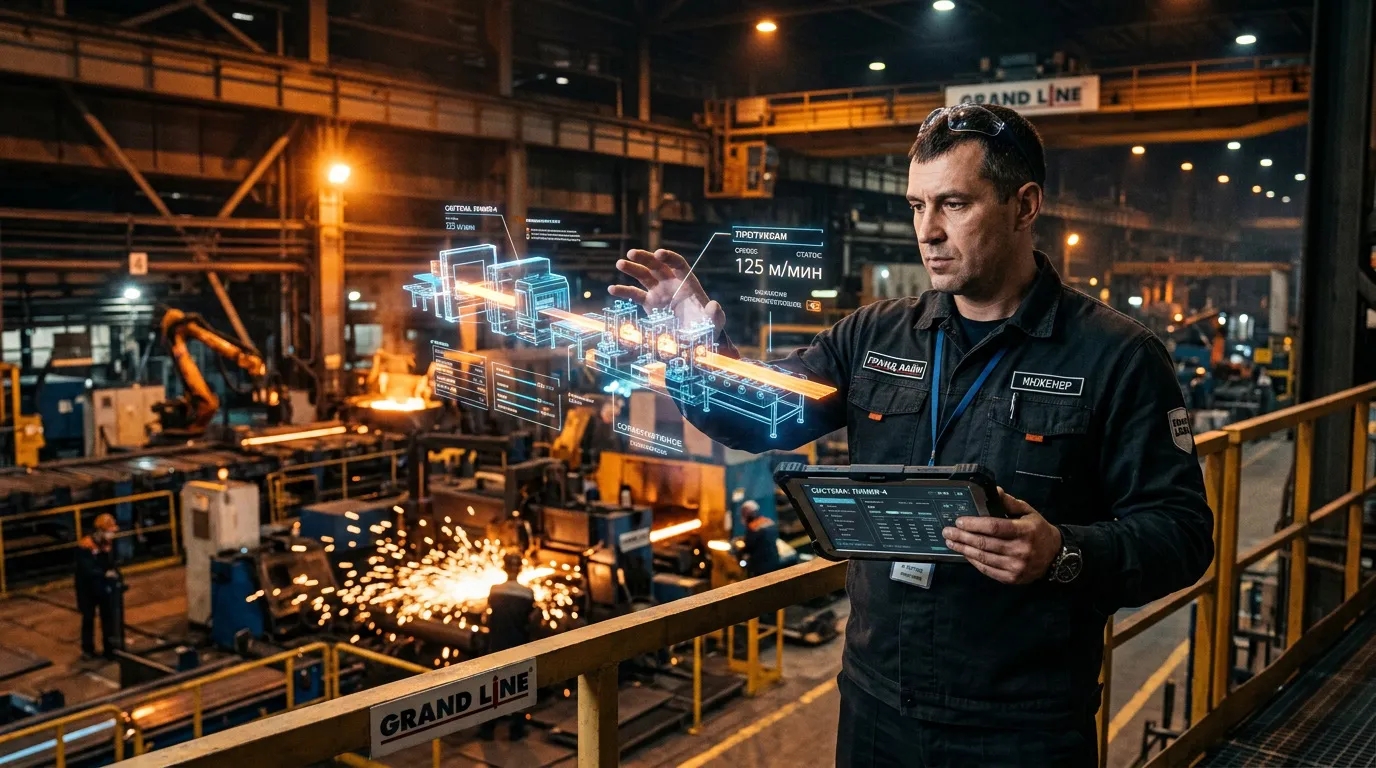
The Formula for Uninterrupted Manufacturing
The project’s technical scope includes creating a unified equipment database with a properly structured asset hierarchy. At the pilot site alone, the company plans to digitize approximately 2,000 to 3,000 assets ranging from industrial machines to individual components.
A key element of the rollout will be integrating 1C:TOIR KORP with the existing 1C:Upravleniye proizvodstvennym predpriyatiyem (Manufacturing Enterprise Management) ERP system, creating a unified management environment for production assets. In addition, the companies plan to launch pilot operations for Mobilnaya brigada (Mobile Crew), a Desnol application designed for operational coordination of maintenance team tasks.
Following the initial assessment phase, the project team will prepare both the system architecture and a deployment roadmap based on a “pilot-to-scale” model. Once testing at the Obninsk site is complete, standardized approaches to data management, personnel training and maintenance organization will be expanded across Grand Line’s remaining 12 plants. In the longer term, the initiative could produce a replicable framework adaptable for other industrial enterprises, particularly as manufacturers face growing pressure to improve operational efficiency while reducing dependence on foreign software ecosystems. The adoption of practices aligned with GOST R 55.0.01-2014/ISO 55000:2014 standards also moves Russian manufacturers closer to internationally recognized asset management benchmarks.
Grand Line’s Strategy Reflects a Global Shift
Grand Line’s transition toward a modern digital ecosystem mirrors a broader global trend. As manufacturers face mounting pressure to improve operational efficiency, increase asset reliability, optimize maintenance spending and standardize management across distributed facilities, industrial companies are increasingly adopting digital tools and Enterprise Asset Management, or EAM, systems. In 2025, the global EAM segment surpassed $6.2 billion and is projected to reach $10 billion by 2028. In Russia, the market is currently valued at 7.9 billion rubles (about $101 million) and is growing at an annual rate of 9.3%. By 2028, the specialized maintenance and repair software segment alone is expected to reach 3.4 billion rubles (about $43 million).
One of the most important trends shaping the market is the emergence of unified asset management ecosystems. That model enables end-to-end oversight across the entire equipment lifecycle, turning fragmented operational data into the foundation for predictive analytics. The mobile layer is becoming especially important: cloud deployment and specialized applications lower implementation barriers while supporting rapid rollout, offline access and real-time notifications. Meanwhile, increasingly strict SLA requirements are accelerating the development of dispatching systems, route optimization tools and digital verification of completed maintenance work.
Russia Builds a Digital Asset Management Infrastructure
Russia’s market for maintenance and repair technologies and services is now entering a period of accelerated growth. The country’s IT sector is building unified digital ecosystems in which maintenance and repair systems integrate seamlessly with ERP platforms, SCADA infrastructure and IoT sensors.
Interest in Russian-developed solutions is already emerging among customers in Kazakhstan, Belarus and other EAEU and partner countries, where manufacturers are also looking to reduce dependence on Western EAM and ERP platforms.
The trends expected to shape the market through 2028 include AI-driven analytics and the rise of the “equipment-as-a-service” model. Another major direction involves voice interfaces and UCaaS solutions that allow technical specialists to work hands-free – receiving instructions, logging data and communicating without tactile interaction with devices while consolidating communications into a unified service environment.
Overall, analysts expect Russia’s maintenance and repair market to consolidate around comprehensive domestic platforms by 2030, particularly systems aligned with technological sovereignty goals and Industry 4.0 standards.