Russian Creators Launch the First AI-Generated Series About the Country's Nuclear Cities
An AI-generated media epic celebrating Russia's peaceful nuclear industry has premiered, telling the stories, history, and legends of the country's nuclear cities. The series is now available on the Atomnyye goroda (Atomic Cities) website.
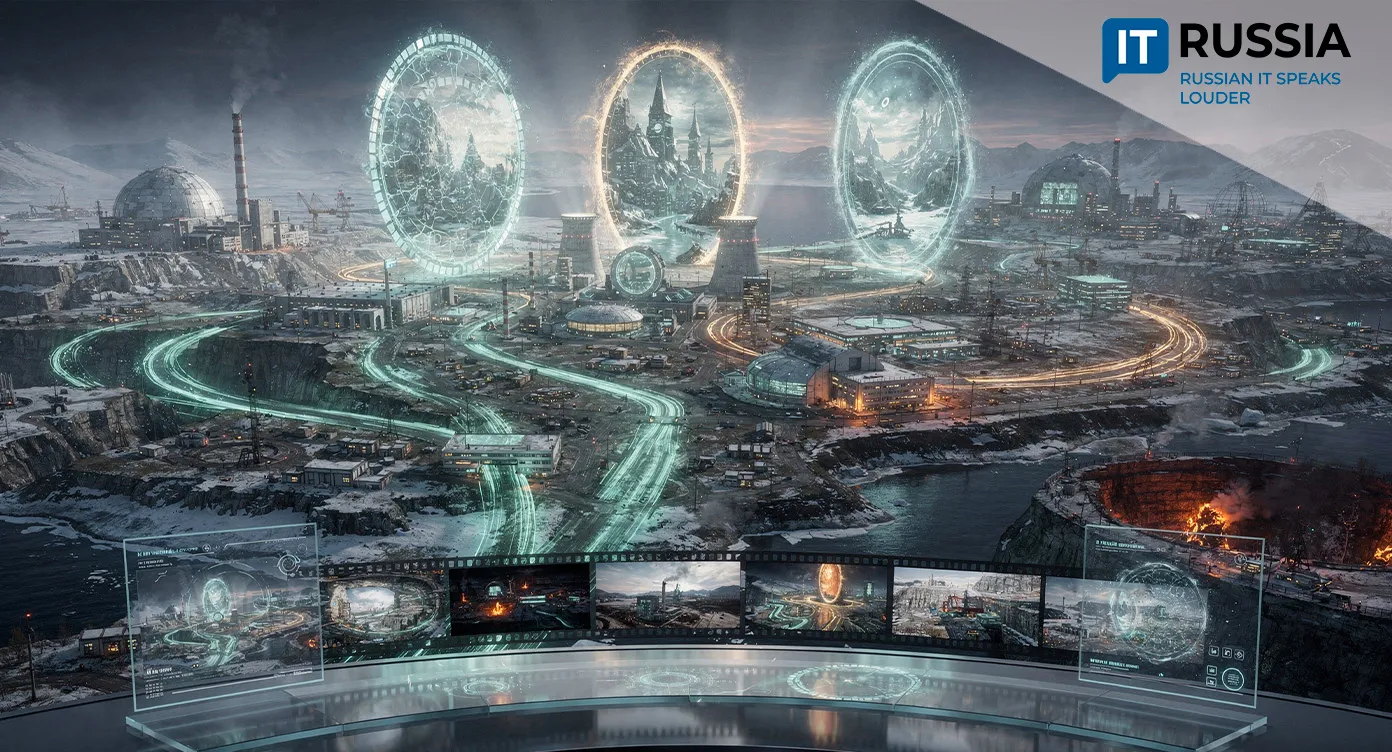
Epos atomnykh gorodov (Epic of the Atomic Cities) takes viewers on a journey through communities where people devoted to their work develop technologies designed to benefit humanity. The project was launched by the Soyuz organizatsiy atomnoy otrasli "Atomnyye goroda" (Union of Atomic Industry Organizations "Atomic Cities"), an association representing companies across Russia's nuclear power sector.
Three Seasons, Thirty-One Locations
Each episode explores the character, history, and people of a particular nuclear city. The series unfolds within the mythology of the fictional world of Khusur, where humanity received the "Gift of the Atom" but lost the ability to make independent decisions. A character known as the Guardian opens portals into real nuclear cities, from Volgodonsk to Pevek, showing how people learned to tame atomic energy.
According to the creators, the first season combines the storylines of the "Keepers" (six episodes) and the "Creators" (three episodes). Season two focuses on the "Water Guardians" (eight episodes) and the "Guardians of the Arctic" (three episodes). The third season follows the "Blacksmiths" (two episodes), the "Wonderworkers" (five episodes), and the "Miners" (four episodes). Three episodes featuring the Ural cities of Lesnoy, Zarechny, and Ozersk are already available, with the complete series covering 31 unique locations.

AI as a Storytelling Tool
Epos atomnykh gorodov is designed to strengthen the public image of Russia's nuclear cities while promoting science, engineering careers, and local identity across communities where Rosatom operates.
The series was produced using modern generative AI technologies. Today, generative AI is becoming a practical creative tool not only for commercial video production but also for corporate communications and cultural projects. The creators chose an accessible, emotionally engaging format to introduce audiences to closed or little-known nuclear cities that are difficult for most people to visit.
Rosatom has been investing heavily in the communities where it operates. By 2030, the state corporation plans to develop 26 master plans covering urban environments, infrastructure, digital services, and tourism across its host cities. The initiative also demonstrates how a major technology organization is beginning to use generative AI and contemporary filmmaking techniques as a form of soft power for place branding. That approach could spread well beyond Rosatom as other large companies look for more engaging ways to communicate their scientific work, technological achievements, and social impact.
The Atomnyye goroda union already reaches a substantial audience. According to the organization's website, more than 300,000 residents of Russia's nuclear cities participate in its programs every year. The series, however, is intended to reach a much broader audience by showing people outside the nuclear industry why the work carried out in these communities matters.
Where Should the Lines Be Drawn?
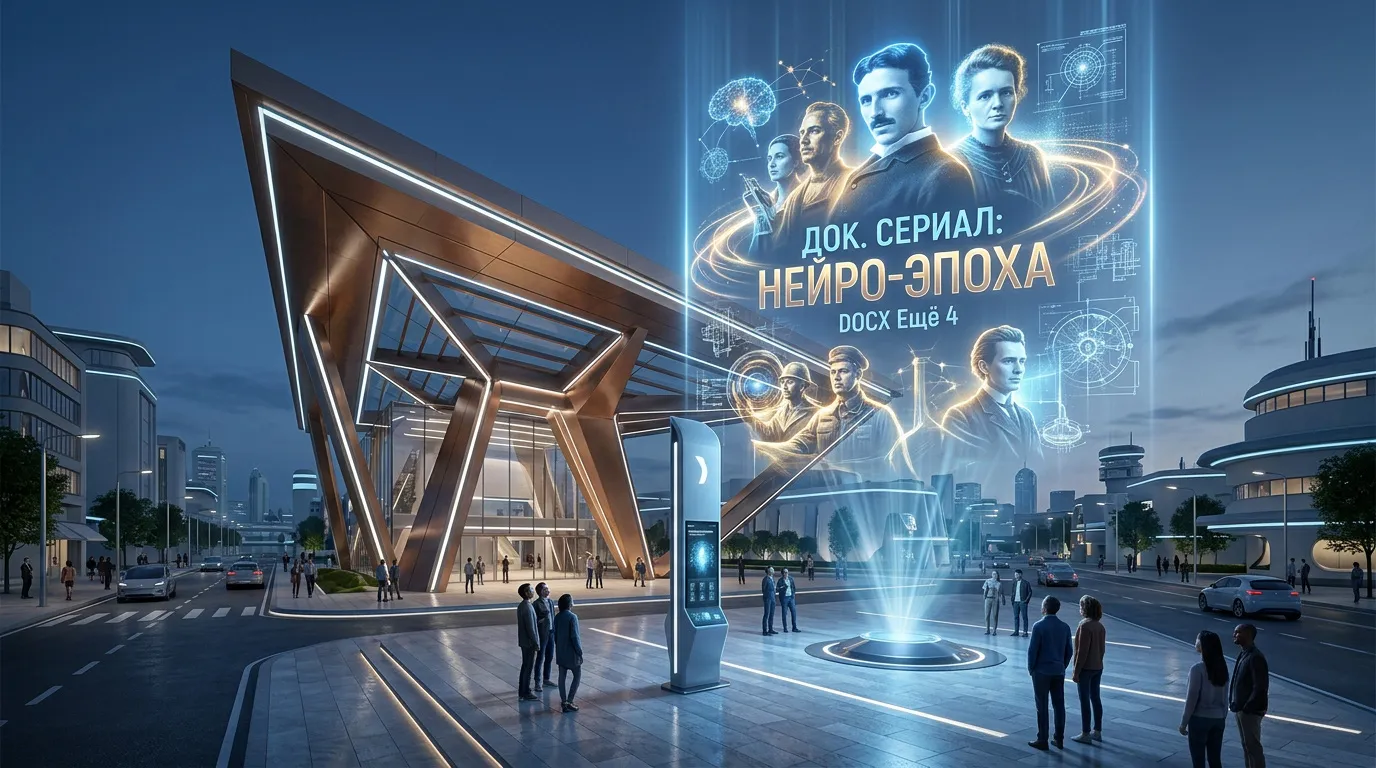
In May 2026, Kino Mail premiered Neyro_Dok (Neuro_Doc), an AI-generated documentary short series. Like Epos atomnykh gorodov, it relies on short vertical episodes and generative reconstruction of events, illustrating a similar approach to AI-driven visual storytelling.
AI models are becoming increasingly embedded in the creative industries, helping accelerate the production of cultural, advertising, and brand-driven content. At the same time, that trend raises broader questions about the appropriate boundaries for AI in creative work and about the evolving role of human creators in shaping the final product.
Most experts argue that AI does not diminish content quality and significantly accelerates production. Producing a live-action series spanning multiple Russian cities would likely have taken years. AI made it possible to complete the project much faster while giving it an exciting visual atmosphere. Even so, people remain at the center of the creative process. Human creators develop the ideas, while AI serves as the tool that helps bring them to life.
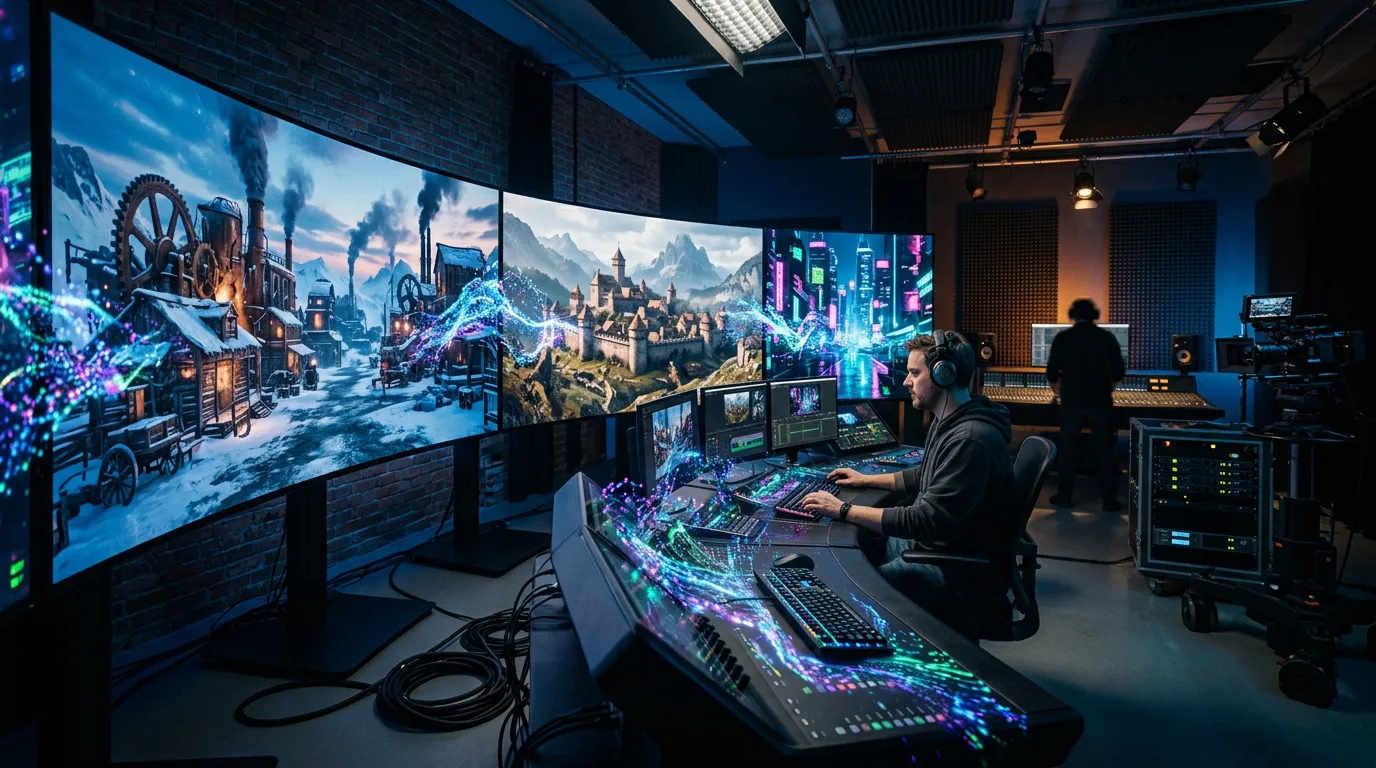
Epos atomnykh gorodov demonstrates how subjects such as science, engineering, and achievements in the nuclear industry can be translated into the language of serialized storytelling, fantasy, visual narrative, and short-form digital video that broader audiences readily understand. As projects like this become more common, generative AI is likely to play a larger role in corporate communications at major technology companies and state corporations, particularly where complex scientific and engineering topics need to be explained to broad audiences.