Robotics at Nuclear Power Plants: Launch and Prospects for Serial Deployment
In 2025, Russia’s state nuclear corporation Rosatom launched serial production of spider-like robots designed for nuclear power plant inspections. The robots have already reduced maintenance time by 40% while minimizing risk. By 2030, up to 80% of routine operations are expected to be automated.

First Serial Robots
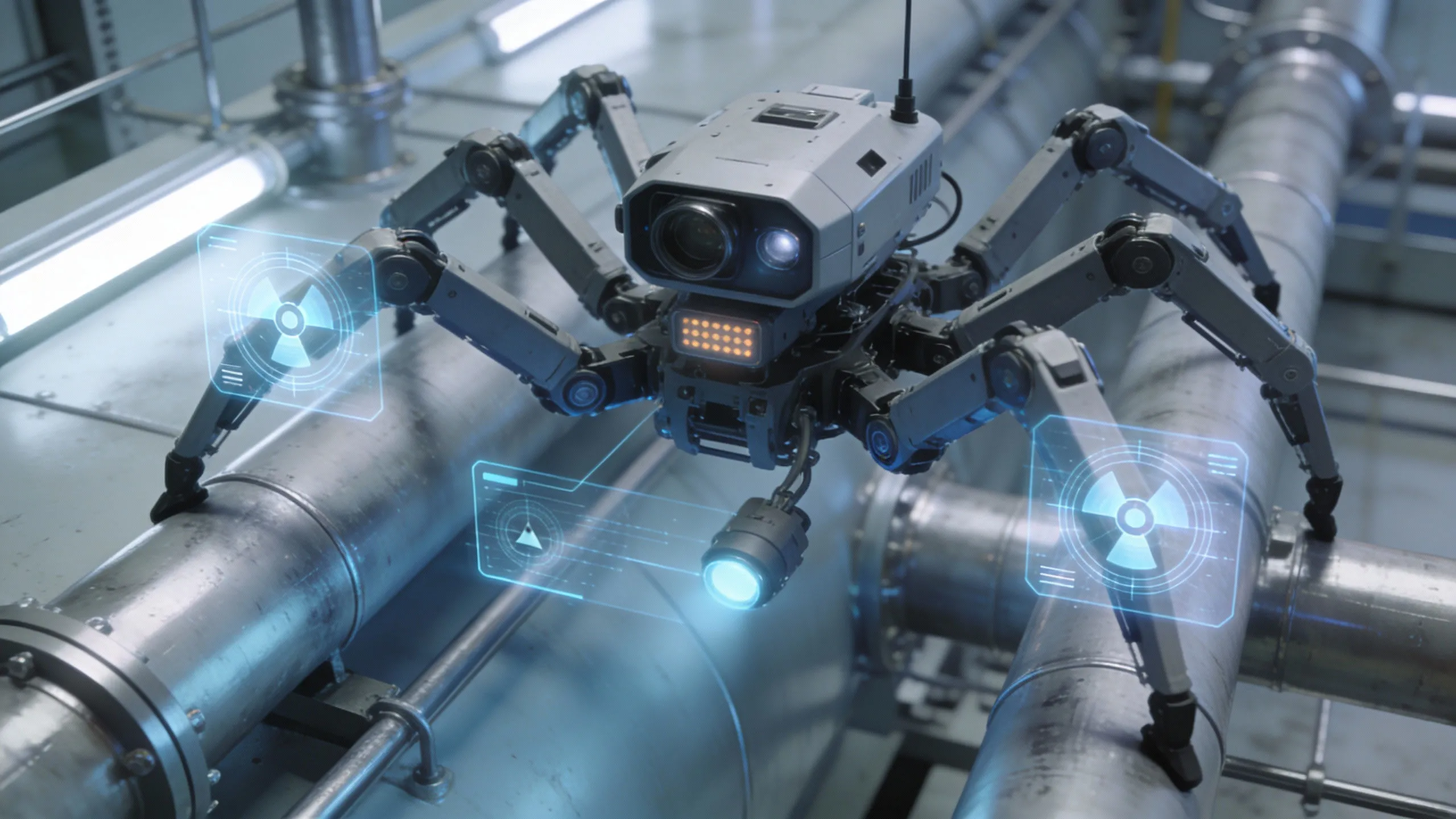
The year 2025 marked the start of serial production of spider-like robots at the Start Production Association, a federal state enterprise that is part of Rosatom. These six-legged inspection robots are designed to access hard-to-reach areas of reactors and steam generators. Over a six-month period, the robots were tested at Leningrad NPP-2, where they reduced inspection time from 72 hours to 40 hours.
By autumn, deployment had reached a serial level. Fifteen robots are now operating at Beloyarsk and Novovoronezh nuclear power plants. They are equipped with high-resolution cameras, radiation sensors, and AI-based systems capable of analyzing defects in real time.
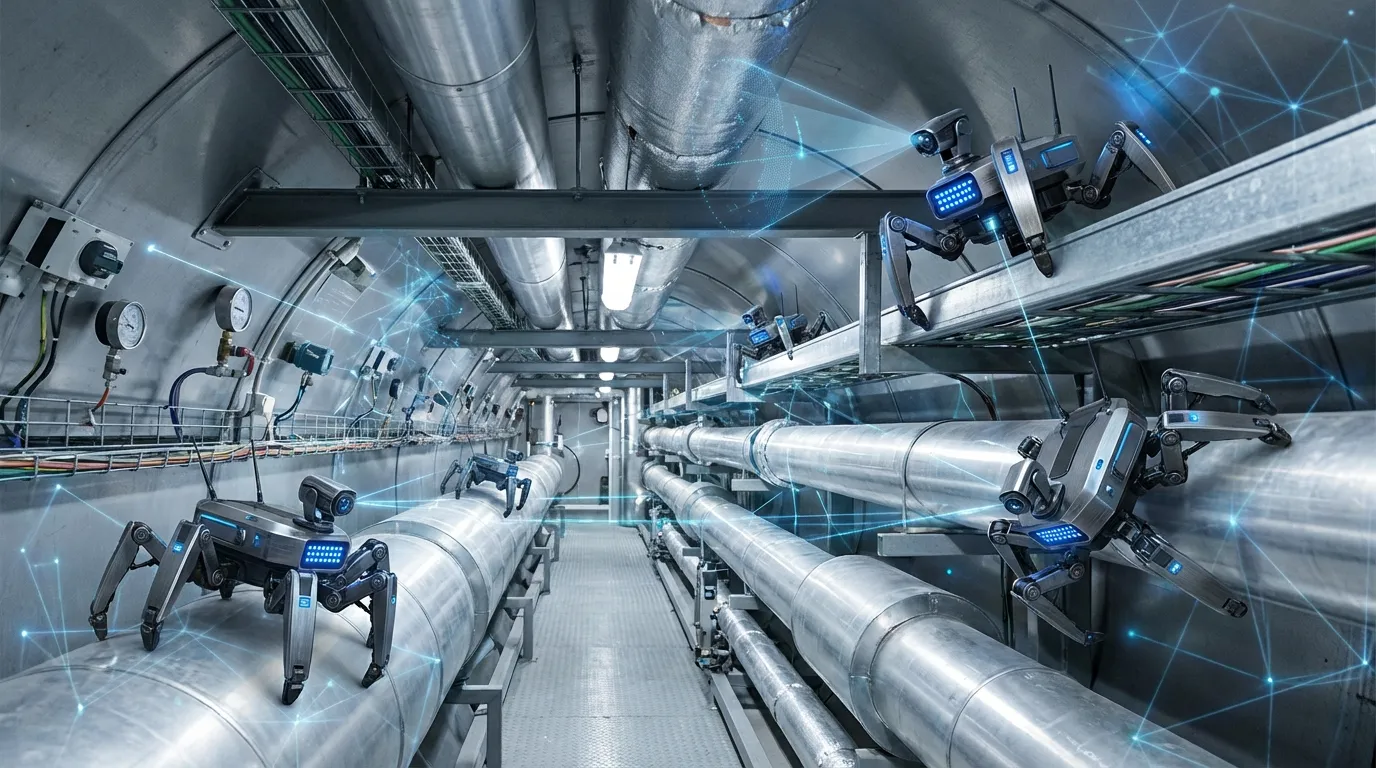
Russian nuclear plants are also introducing swarm robotics. Groups of micro-robots coordinate inspections of cooling circuits, transmitting data to an AI cloud platform. This approach cuts diagnostic time by about 40% and minimizes human error under extreme operating conditions.
Integration With Digital Twins
In 2025, robotics deployment has been closely linked to digital twin technology. Spider-like robots transmit inspection data directly into virtual models of nuclear power plants, where AI systems assess equipment wear and forecast degradation. At Kursk NPP, this integration identified 200 microcracks in a single quarter, preventing the need for scheduled repairs.


Implementation accelerated during the summer after Rosatom standardized data exchange protocols between robots and plant control systems. This enabled operators to monitor inspections remotely from control centers in Moscow and Obninsk.
Risk Reduction and Cost Savings
Robots significantly reduce human involvement in high-radiation areas. In 2025, robots carried out 85% of inspections at Novovoronezh NPP-2 without personnel participation, cutting radiation exposure doses by 60%.
Autonomous inspection robots are already diagnosing reactors and identifying defects in inaccessible locations without exposing staff to radiation. Testing of spider-like robots at Russian plants shows detection accuracy for microcracks is 30% higher than with traditional inspection methods.
The economic impact is already substantial. Maintenance costs have fallen by 25%, while equipment service life has increased by 15%. Rosatom expects investments in robotics to pay back within two years due to reduced downtime.
Outlook Through 2030
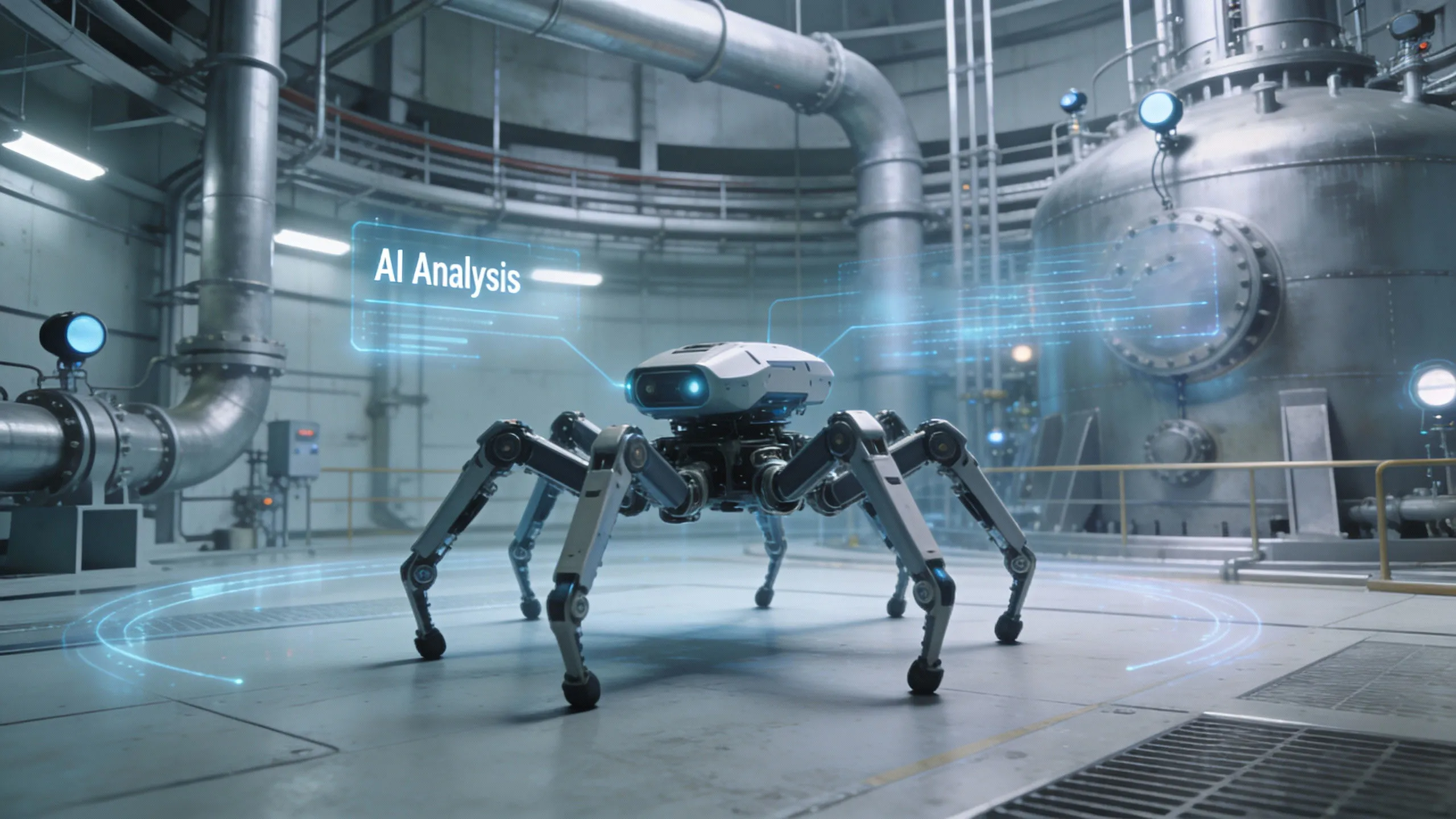
By 2030, Rosatom plans to automate up to 80% of routine operations at nuclear power plants, from inspections to fuel replacement. Development is underway on AI-controlled swarms of autonomous robots capable of operating in extreme environments. These technologies are expected to extend beyond the nuclear sector into oil and gas, chemical production, and aviation. Rosatom also plans to create an open platform for Russian robot manufacturers, enabling the export of solutions to BRICS countries.
In parallel with robotics deployment, integration of artificial intelligence with quantum sensors is planned to improve accident prediction capabilities.