Moscow State University Physicists Build a 72-Qubit Third-Generation Quantum Computer
Physicists at Moscow State University have developed a prototype quantum computer based on neutral rubidium atoms that has entered the top tier of Russian quantum systems. Architectural advances are now pushing the platform toward problems that remain out of reach for classical machines.
A New Architecture
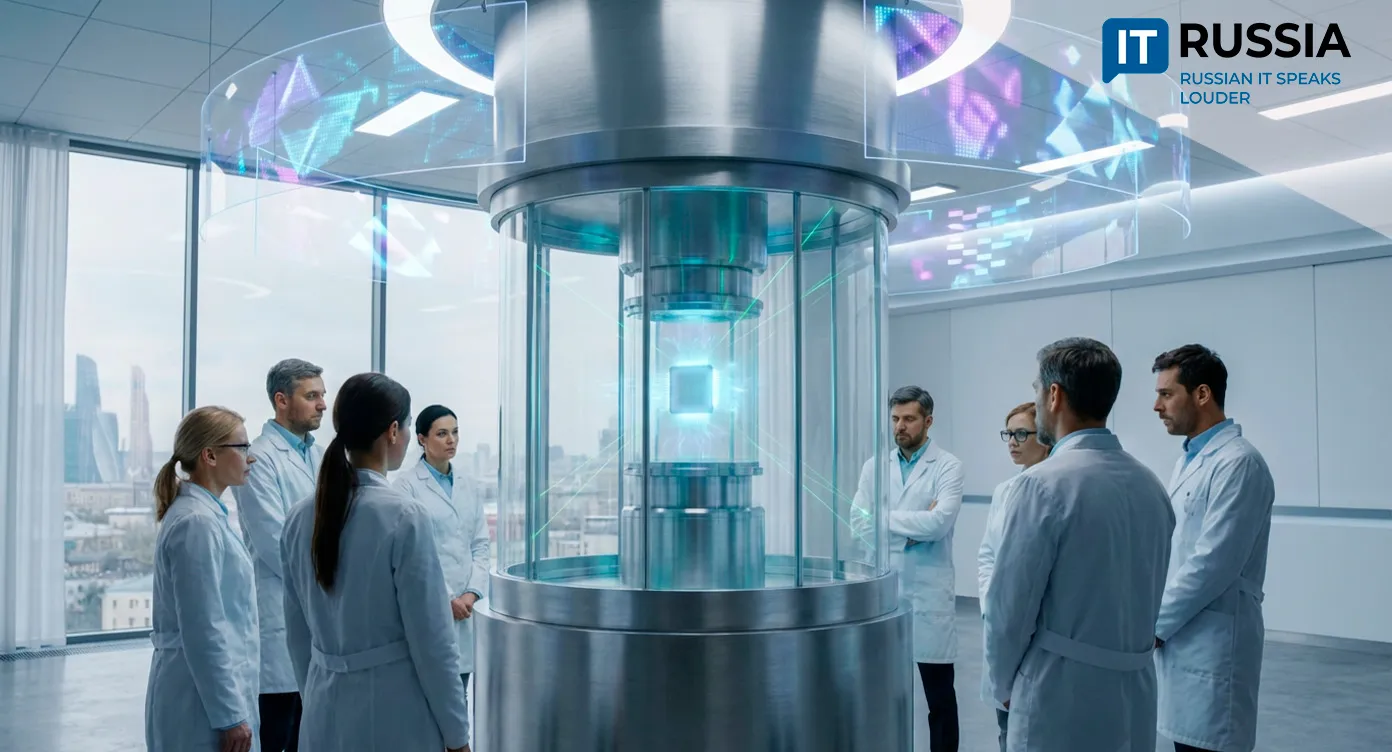
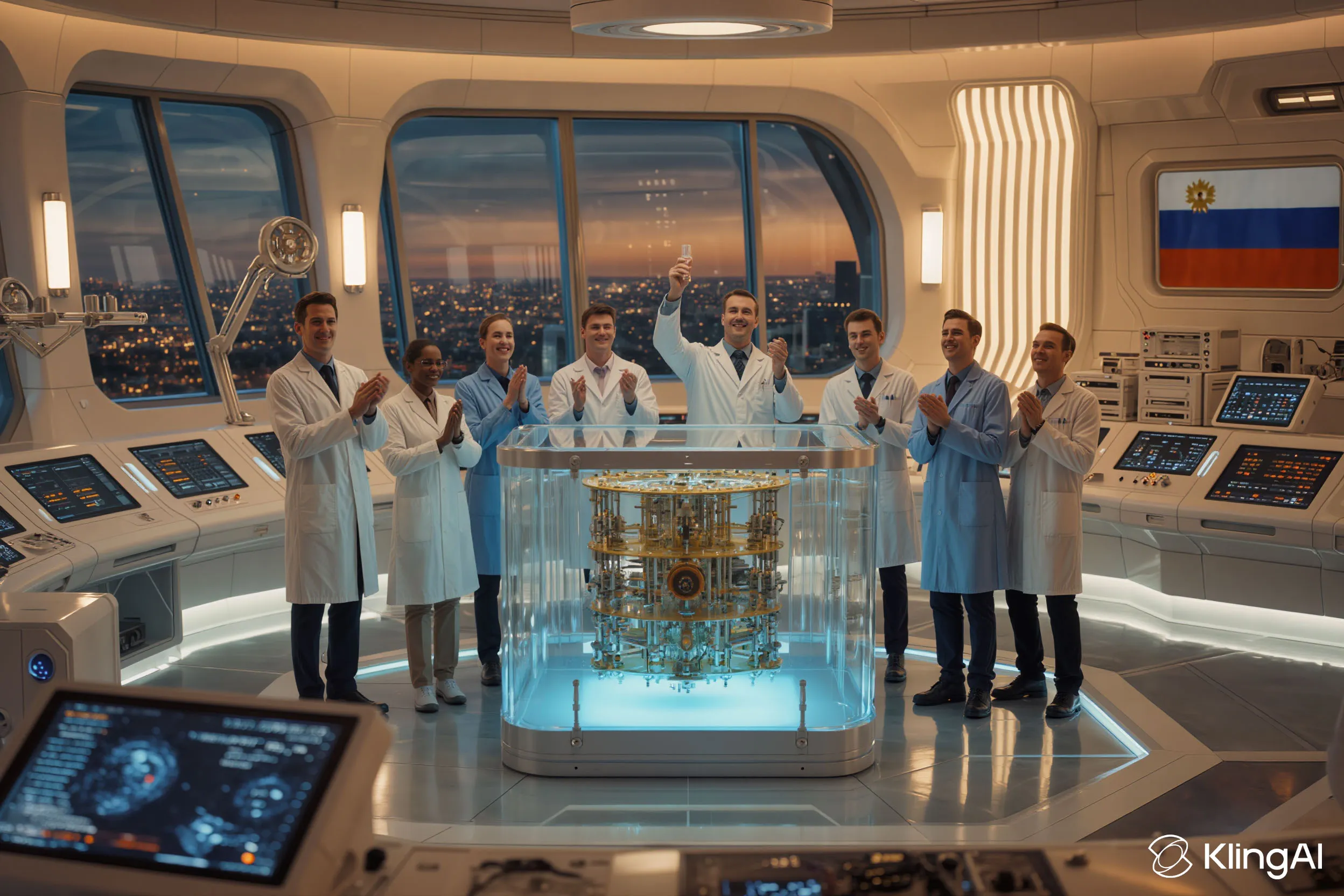
Researchers at the Quantum Technology Center of Moscow State University named after M. V. Lomonosov have expanded a quantum processor based on individual neutral rubidium atoms to 72 qubits. The work was carried out under Russia’s national quantum computing roadmap, with participation from Rosatom, and represents the country’s third domestic quantum computer to cross the 70-qubit threshold.
To achieve this scale, the team redesigned the processor by dividing the quantum register into functional zones. One zone is dedicated to storing quantum information, another to executing operations, and a third is reserved for readout and will be further developed at the next stage. This physical separation significantly simplifies scaling and improves overall system stability.
In a benchmark experiment, two-qubit logical operations were performed with an accuracy of 94 percent. That level of fidelity already enables a wide range of practical experiments and lays the groundwork for implementing error correction, a prerequisite for running complex quantum algorithms.
Neutral Rubidium Atoms as a Platform
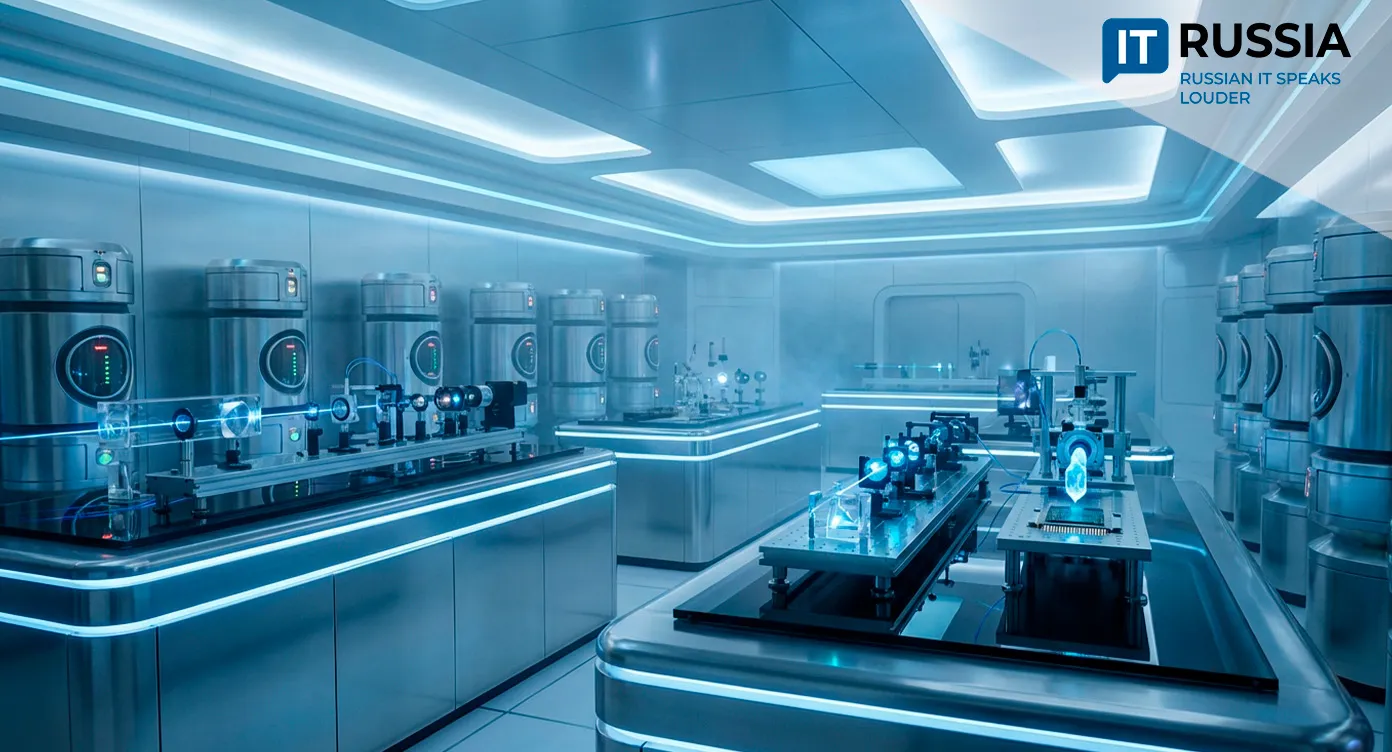
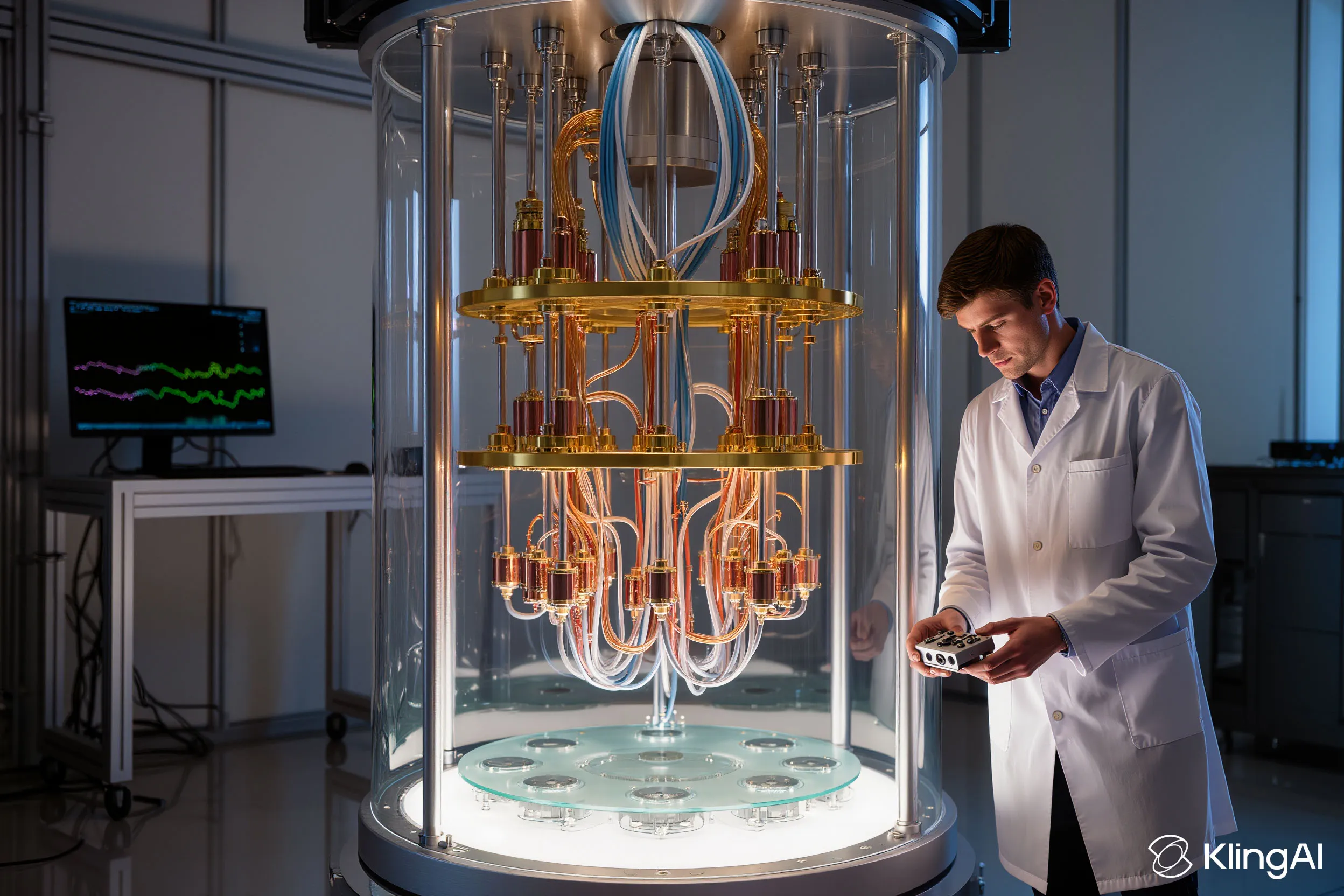
Quantum computing with neutral rubidium atoms relies on trapping individual atoms using optical tweezers, essentially tightly focused laser beams. A qubit is encoded in the atom’s internal degrees of freedom, while its quantum state is controlled through laser radiation. One of the platform’s key advantages is scalability. Researchers have a clear roadmap for increasing qubit counts from dozens to hundreds and eventually to thousands.


Unlike superconducting qubits, which require cryogenic systems to cool processors close to absolute zero, the neutral-atom system operates at room temperature. This makes the technology simpler and potentially less expensive to scale for industrial use. Optical tweezers also allow individual atoms to be repositioned and the array configuration to be reprogrammed in real time.
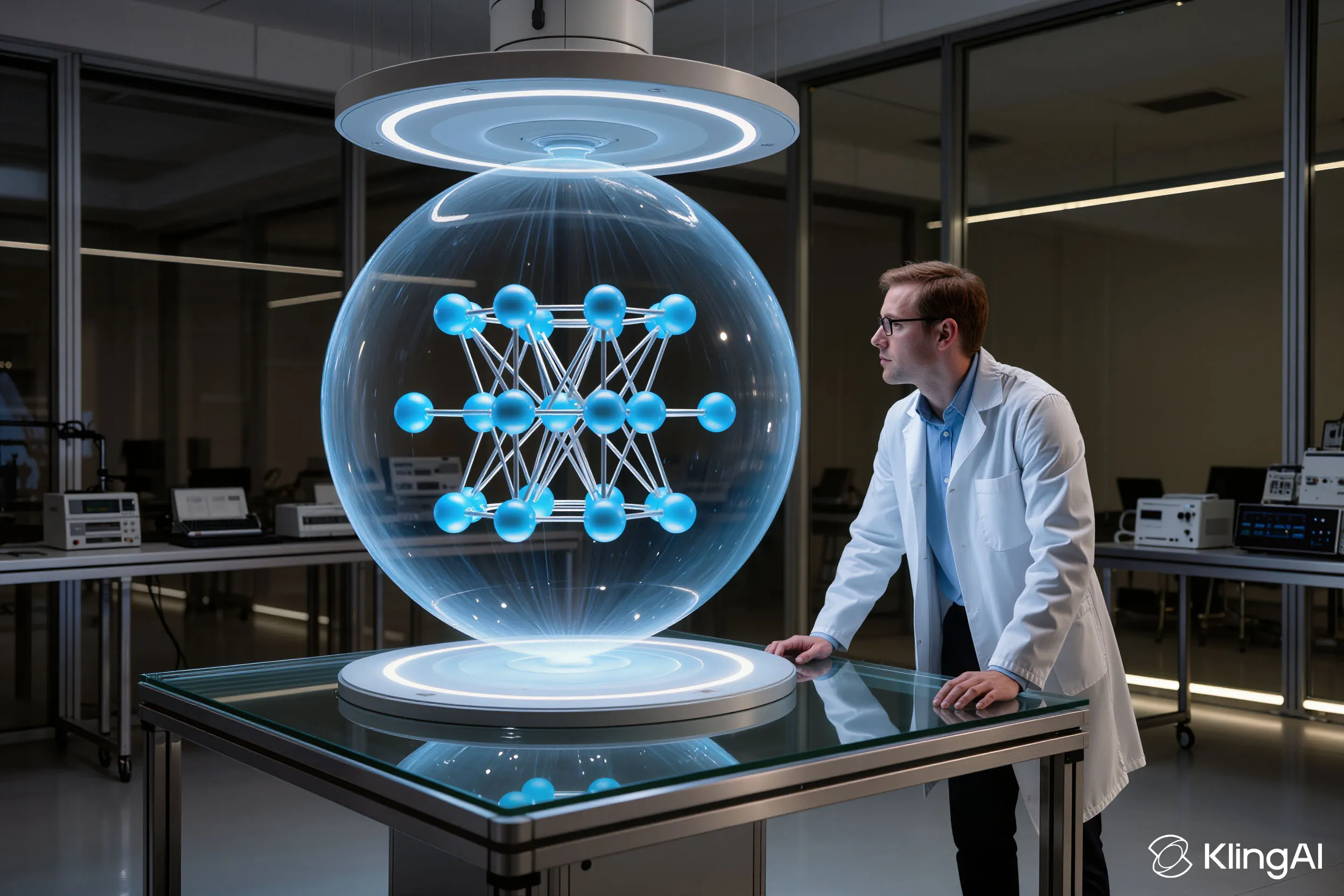
The newly introduced three-zone architecture marks a major conceptual shift. By physically separating storage, computation and readout, the system avoids the competition for the same physical space that previously limited stability and precision. Each function can now be optimized independently.
Russia’s Position in the Quantum Race
The MSU achievement places the system among the three Russian quantum computers that have surpassed 70 qubits. Earlier milestones include a 70-qubit processor based on ytterbium ions developed at the Lebedev Physical Institute, as well as a 72-qubit machine using calcium ions. The neutral-atom platform has now emerged as a fourth, independent and highly promising direction in Russia’s quantum development landscape.
At the same time, research continues on alternative approaches. Scientists at the Lebedev Physical Institute and the Russian Quantum Center have, for the first time, conducted a detailed study of neutral thulium atoms as a potential quantum computing platform. Their most notable result was maintaining a stable quantum state for 55 seconds, one of the best values ever demonstrated worldwide.
Breakthrough applications are expected in areas such as materials modeling, complex systems optimization, cryptanalysis and materials science.