Drones Usage During Government Inspections Quadrupled Over the Past Year in Russia
Russia is rapidly expanding the use of unmanned aerial vehicles in government oversight, opening the door to AI integration, domestic drone development, and the future legal recognition of drone-generated data.
Technology Adoption in Government Oversight
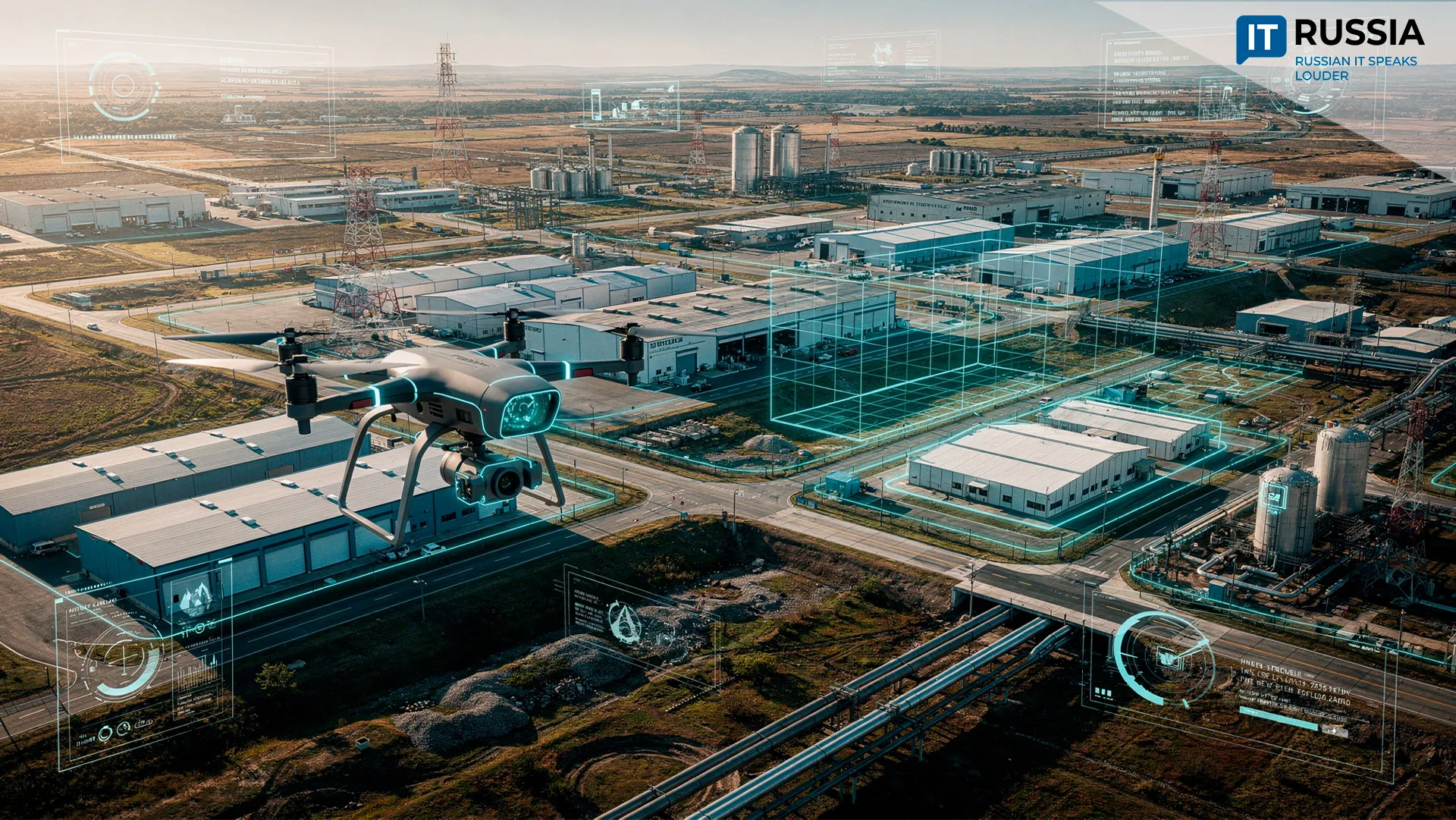
Over the first 11 months of 2025, the number of government inspections conducted with the use of unmanned aerial vehicles (UAVs) in Russia increased fourfold compared with the same period in 2024. The data was presented by Vyacheslav Timchenko, chair of the Federation Council Commission for Monitoring Legislation in the Area of State Control and Supervision, during a plenary session of the upper house of parliament. Over the same period, the use of the mobile application Inspector also expanded significantly. The number of inspections carried out with the application increased eightfold, while preventive inspections rose by a factor of 3.8.
Taken together, these figures point to a broader digital transformation of government oversight and the systematic introduction of modern technologies into the work of supervisory authorities.
The growing reliance on UAVs is expected to improve inspection efficiency, particularly in remote or hard-to-access areas, while also reducing physical risks for inspectors.
New Opportunities for GovTech and Industry
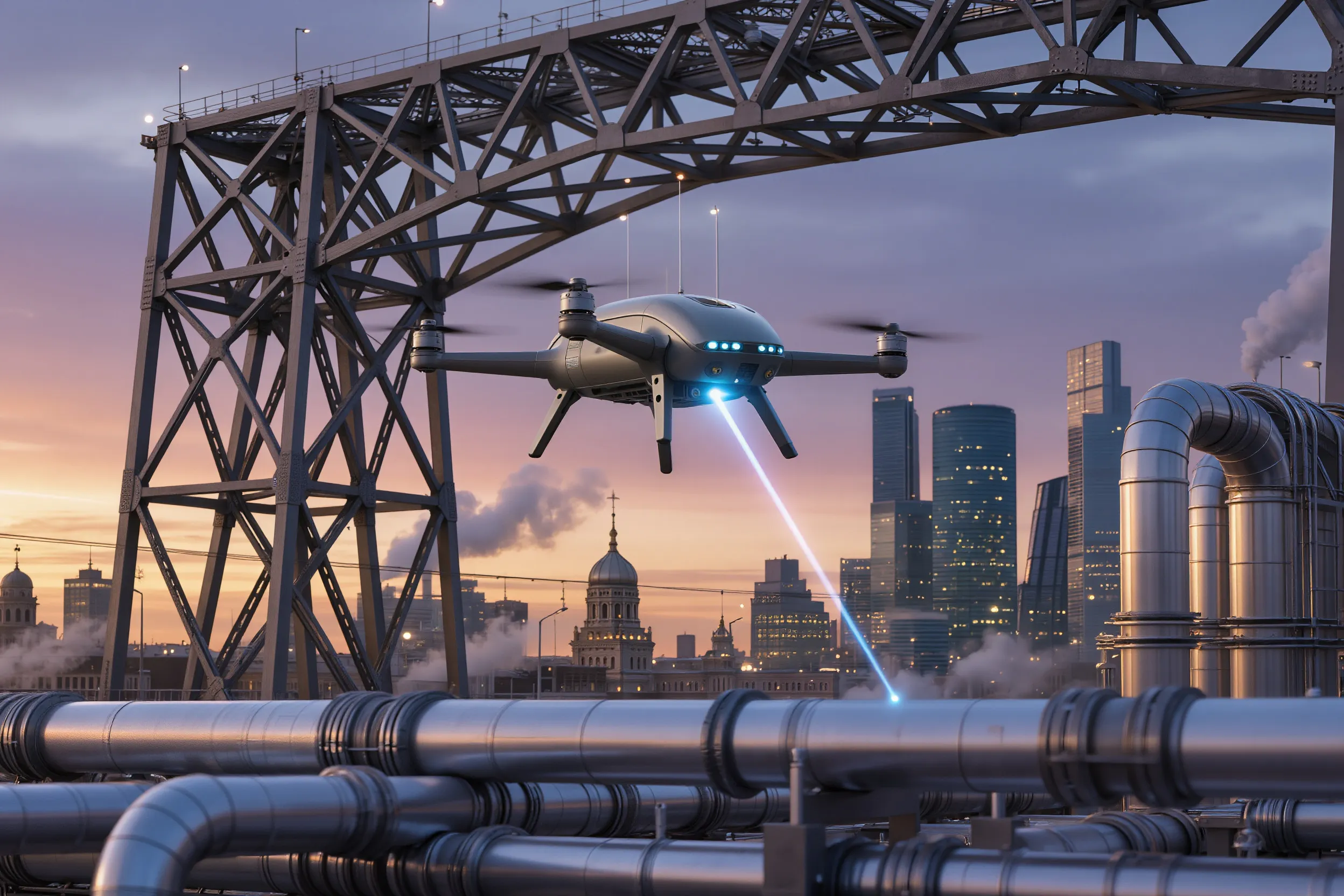
The expanding use of drones creates a clear niche for the development of domestically produced UAVs, software for processing aerial data, and deeper integration with artificial intelligence-based analytical systems. These technologies can be applied across multiple domains, including government supervision, land-use control, infrastructure monitoring, and environmental oversight. Such tools enable modernization of inspection practices while increasing transparency, speed, and inspection frequency in safety- and compliance-critical sectors. Integration with AI and big data platforms allows visual drone data to be analyzed at scale, enabling predictive identification of violations and risk patterns.


Against this backdrop, legal recognition of UAV-generated data as an official basis for inspections appears increasingly likely. At the same time, Russia’s experience integrating drones into public administration could become an exportable model of technological and administrative modernization. Potential markets include CIS countries, Latin America, and parts of Africa, where public authorities are also seeking to modernize inspection and oversight mechanisms.
Experiments, Regulation, and Forward Planning
Discussions around the use of UAVs in government supervision at both regional and federal levels began as early as 2022–2023. This was followed by pilot projects testing drones in a range of inspection scenarios.
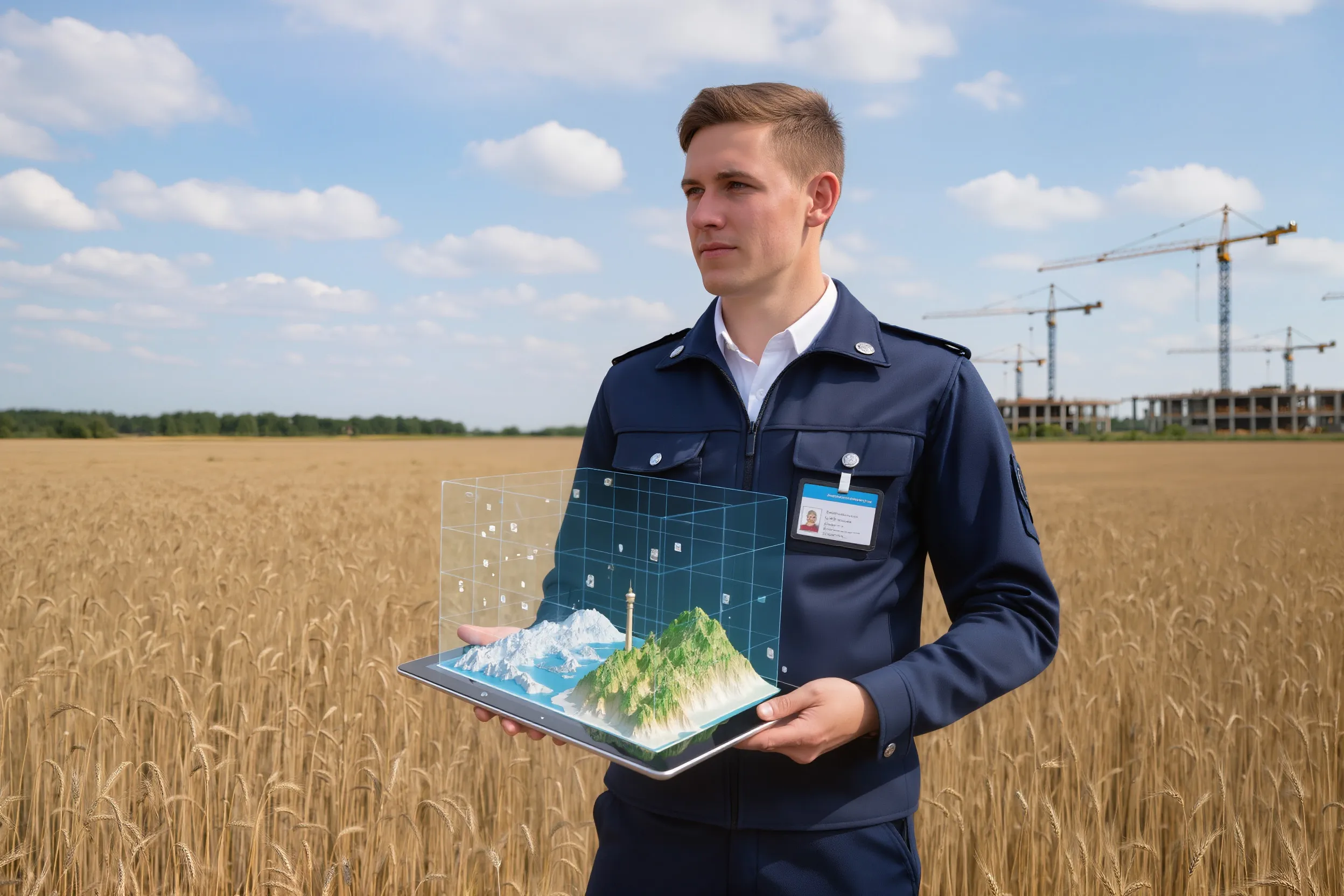
In 2025, officials announced plans to increase the share of inspections conducted with UAVs to 10% of all oversight activities. The same year also saw proposals to formally recognize drone-collected data as a legal basis for initiating inspections of businesses. It was additionally announced that Rosreestr would be authorized to use UAVs for land monitoring and enforcement.
A Strategic Shift in Government Control
A fourfold increase in drone-based inspections represents a significant acceleration in the adoption of digital technologies within government oversight. UAV deployment directly contributes to higher inspection efficiency while reducing manual workloads for regulators.
Taken together, these developments indicate a strategic trajectory toward digital transformation in public administration. By 2026–2027, drone-generated data is likely to become an officially recognized foundation for new forms of regulatory control. This will be followed by large-scale integration of AI-driven and automated analytics into inspection and risk-prevention processes.
Over the longer term, these capabilities may form the basis for export-oriented inspection platforms built on domestic hardware and analytical technologies.