Smart Water Supply: Digital Transformation Is Reshaping Utilities in the Moscow Region
The Moscow Region is rolling out a large-scale project to equip centralized water supply facilities with digital monitoring systems, marking a shift toward data-driven utility management.

Rolling Out Smart Sensors Across Water Infrastructure
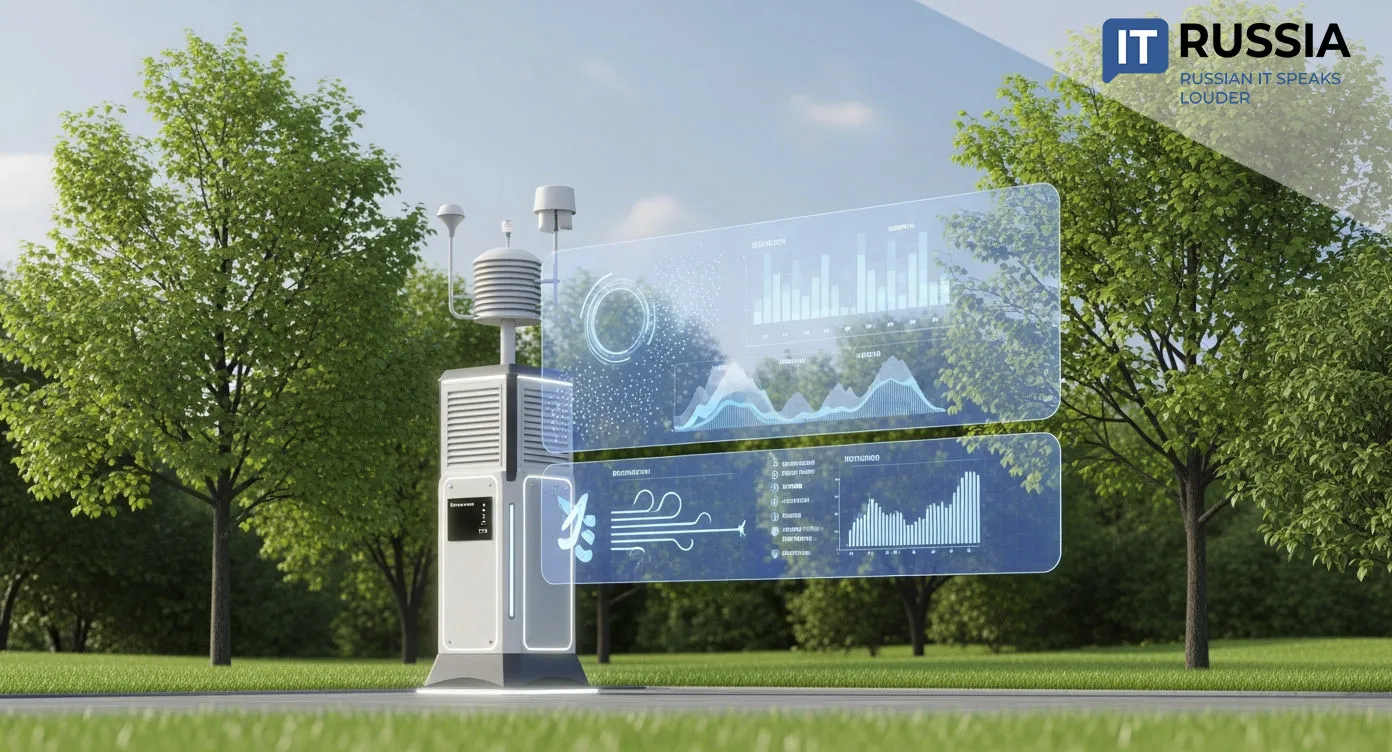
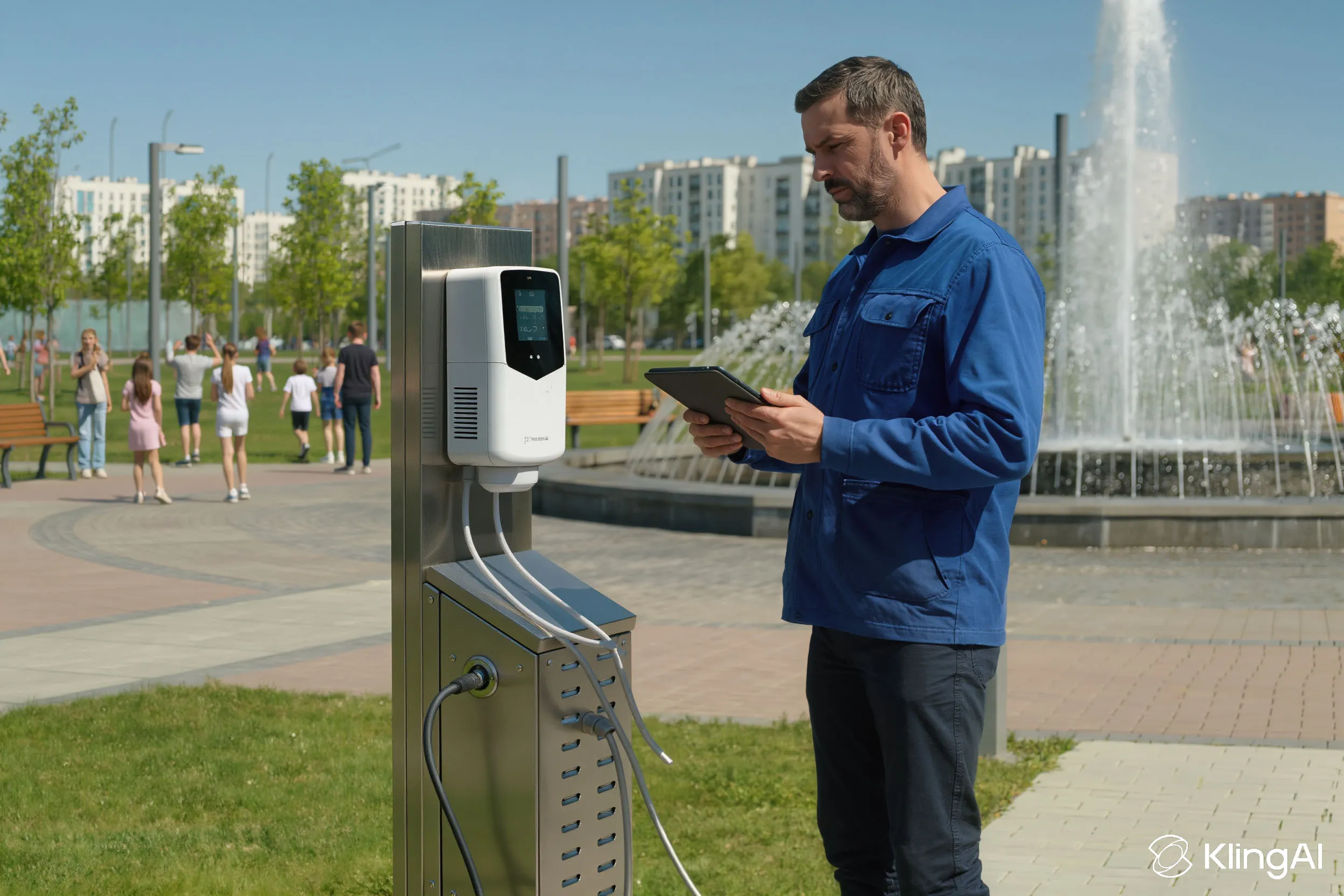
As part of the project, 2,035 smart sensors were installed at water intake facilities and 125 sensors at water pumping stations. Operating in real time, they continuously monitor pressure and temperature across distribution networks.
The technology is already active in key municipalities, including Voskresensk, Volokolamsk, Dmitrov, Dolgoprudny, Yegoryevsk, Ramenskoye, Reutov and Stupino.
These sensors fundamentally change how networks are maintained, enabling utilities to move from reacting to customer complaints to predicting failures in advance. Emergency crews can detect pressure or temperature drops before residents even notice a problem.
According to Moscow Region Housing and Utilities Minister Kirill Grigoryev, this mechanism cuts leak detection time by 40%, reduces water losses and lowers labor costs associated with emergency repairs. An additional 161 variable frequency drives have been installed to smooth pressure fluctuations, reduce energy consumption and ensure stable water delivery to homes.
As a result, residents benefit from more reliable and uninterrupted water service and face fewer disruptions caused by accidents or shutdowns.
From Monitoring to Intelligent Infrastructure Management
Installing sensors is only the first step toward building a unified digital utilities ecosystem across the region. Further expansion is already planned, with most water supply facilities expected to be covered next year.

The project aligns with the Moscow Region’s broader strategy for comprehensive infrastructure digitalization. For example, a boiler house monitoring system is already being tested, automating data collection and readiness assessments for the heating season. A similar system-wide approach will now be applied to water supply operations.
Future development is expected to include integration with artificial intelligence for deeper data analytics and more accurate equipment failure forecasting, along with wider adoption of domestically developed software platforms.

The Moscow Region as a Pilot for Utility Digitalization
The deployment of smart sensors represents a logical stage in Russia’s long-term program to digitally modernize housing and utility services, with the Moscow Region acting as a testing ground.
Since 2018, Russia’s Ministry of Construction has been implementing the Smart City initiative under the national Housing and Urban Environment project and the Digital Economy program. A key focus within utilities has been the digital transformation of water and wastewater enterprises.
The capital region has been particularly active in applying digital technologies to water systems. One of the leaders is Mosvodokanal, which operates 100 servers for data collection, processing and storage. Its network includes 450 pressure-monitoring sensors, along with seven monitoring stations that track drinking water quality at source points.

A Systemic Move Toward a Smarter Region
The mass installation of sensors in the Moscow Region is not a one-off upgrade but part of a broader, coordinated public policy effort.
The project illustrates a shift from isolated modernization projects to end-to-end digital transformation of critical infrastructure, directly affecting the quality of life for millions of people.
It addresses two core challenges at once: reducing economic losses for utility providers and minimizing environmental impact by cutting water and energy losses.
By building on its own digitalization experience and proven solutions from the capital, the Moscow Region is developing a model of smart water supply. Embedded within national programs, this model is likely to be replicated in other regions of Russia in the coming years, setting a new standard for reliability and efficiency in utility services.