Digital Water Systems: Automation Comes to Rural Utilities
An autonomous water treatment station has begun operating in the village of Klemovo in the Moscow Region, eliminating the need for an operator to remain on site. The small-scale project offers a clear example of how digital technology is transforming Russia’s utility infrastructure.
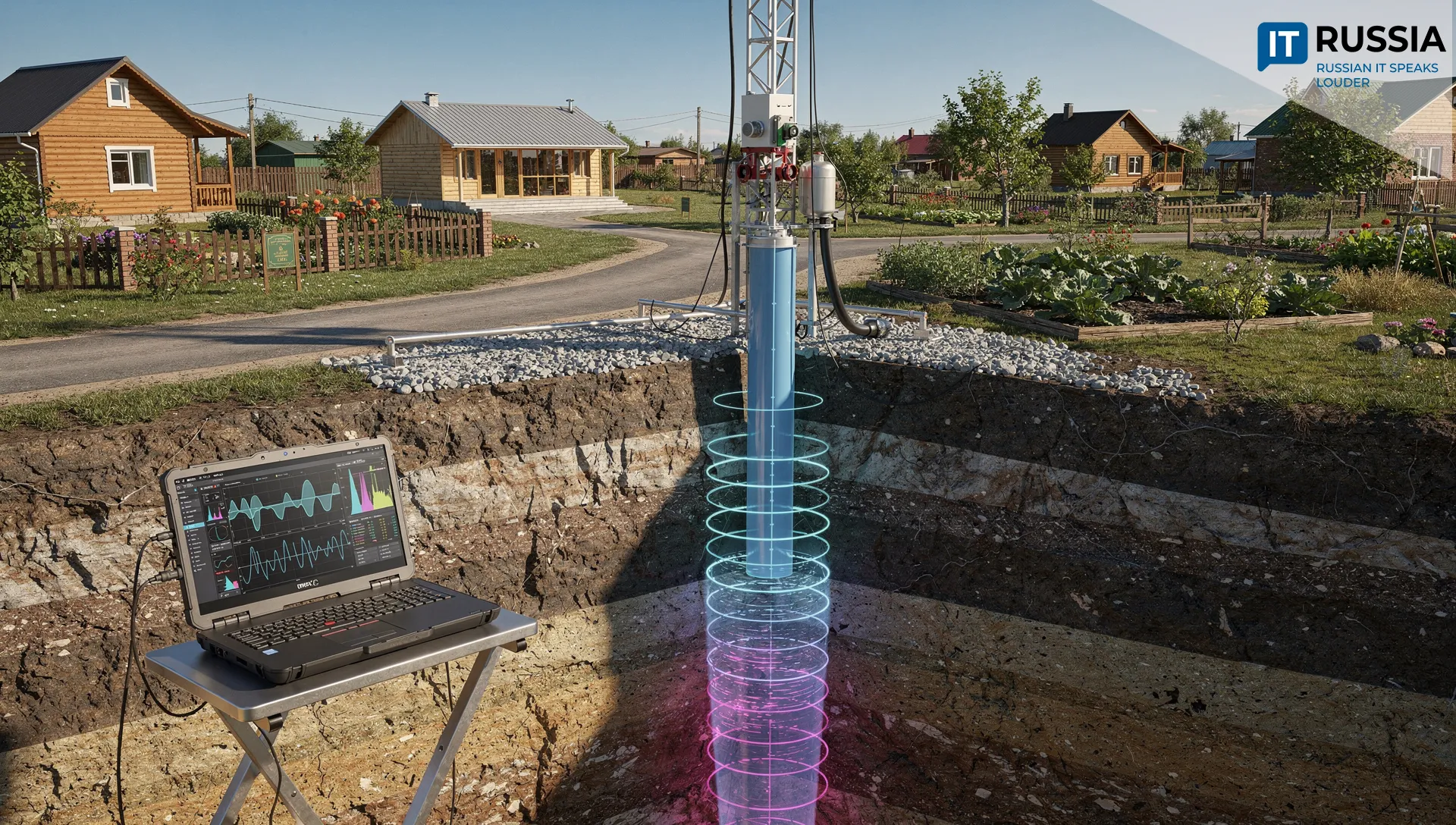
Until recently, a local spring was the only source of clean water for residents of Klemovo in the Serebryanye Prudy district. Residents say they even had to carry water home in buckets to do their laundry because tap water failed to meet sanitary standards for iron content, turbidity and odor.
The problem has now been addressed with a new three-stage treatment complex for artesian water, with a capacity of 25 cubic meters per hour. That is enough to meet the village’s entire water demand. The project was completed under the regional Chistaya voda (Clean Water) program.
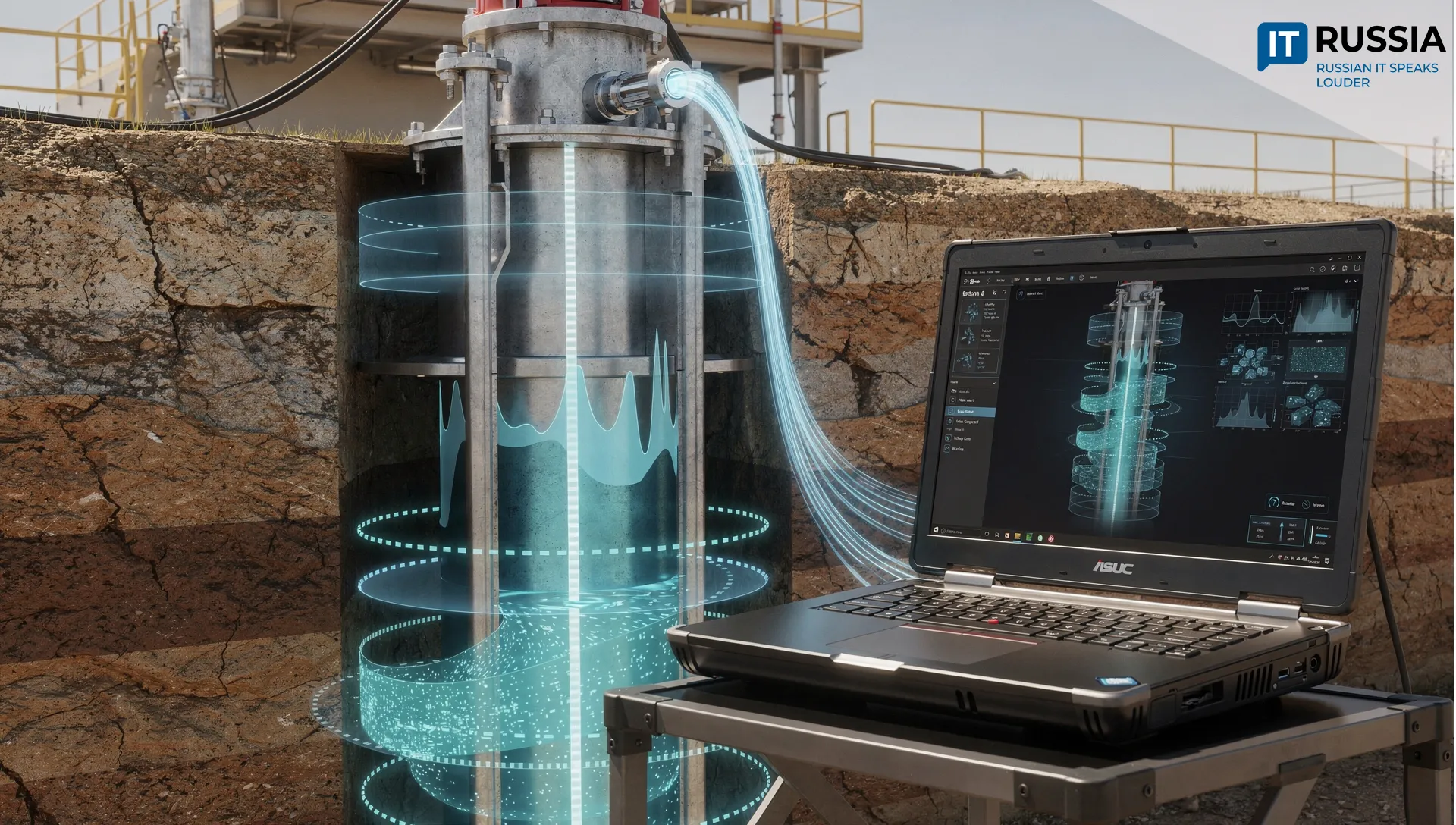
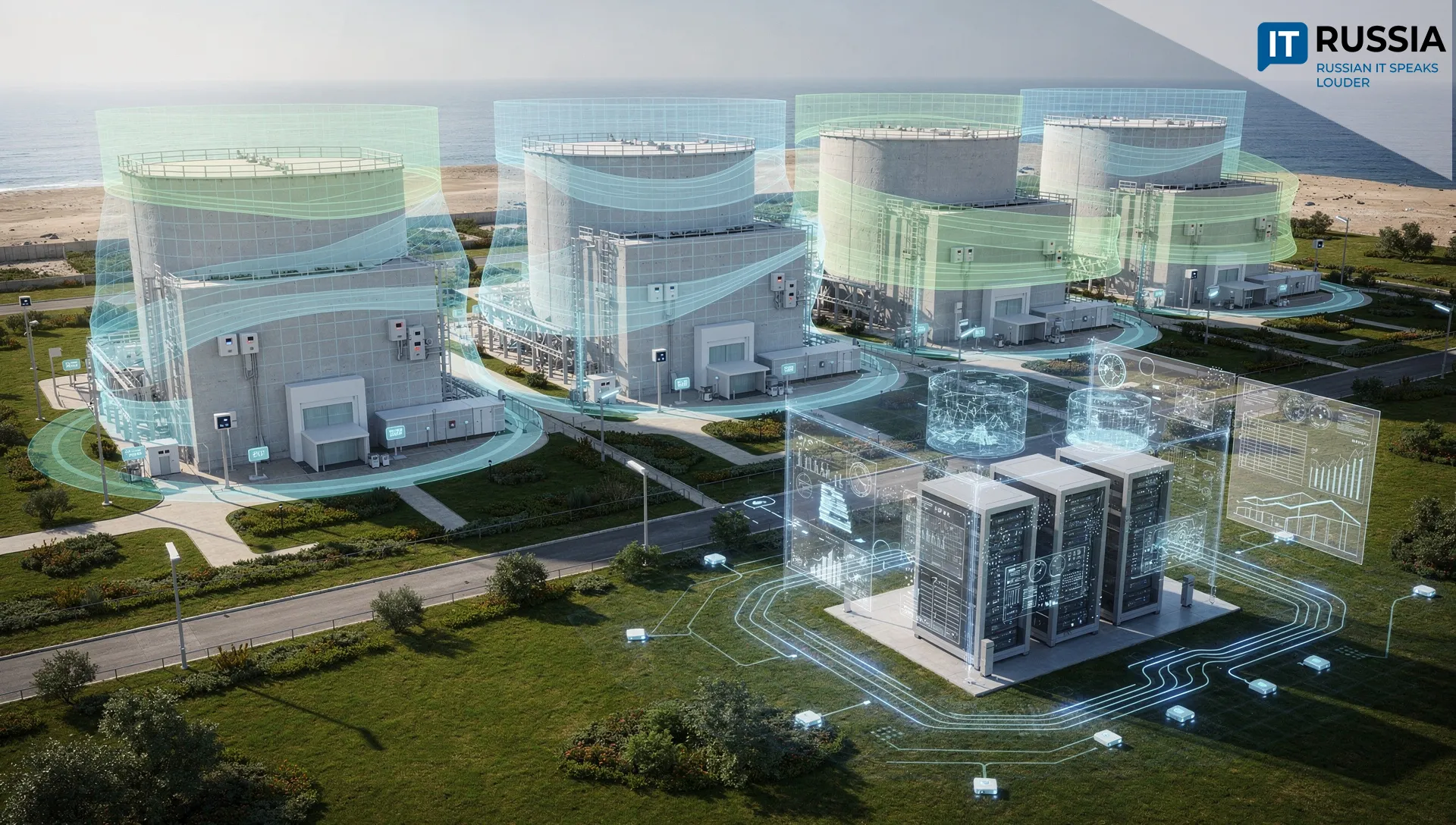
The water treatment station is fully automated, with sensors and microprocessors remotely monitoring the entire process. No staff need to remain on site around the clock. Residents now have clean drinking water flowing from their taps, while the utility sector has another example of how automated technologies can be successfully deployed in infrastructure even in small communities.
IT Market Potential: Scaling Nationwide
Demand for such systems within Russia is set to grow. At the 2026 St. Petersburg International Economic Forum, the Moscow Region presented a large-scale project to digitize its regional water and wastewater infrastructure by connecting 386 facilities into a single network. There is currently no unified operational monitoring system: data from each water intake facility is processed manually, and in many cases residents are the ones who report failures. Broad deployment of telemetry sensors, with their data processed at a centralized control center, would allow utilities not only to respond quickly to failures but also to anticipate them using predictive analytics.
Work is also underway at the federal level. Under the Ministry of Construction, Housing and Utilities’ plan, about 2,000 water supply and treatment facilities are to be built or reconstructed by 2030. Updated operating rules for water supply systems will also drive deployment of digital network monitoring and supervisory control systems at these facilities.
For Russia’s IT industry, that means steadily rising demand for industrial process control systems, industrial sensors and controllers, as well as the development of supervisory control systems, remote monitoring systems and specialized software.
From Major Cities to Villages
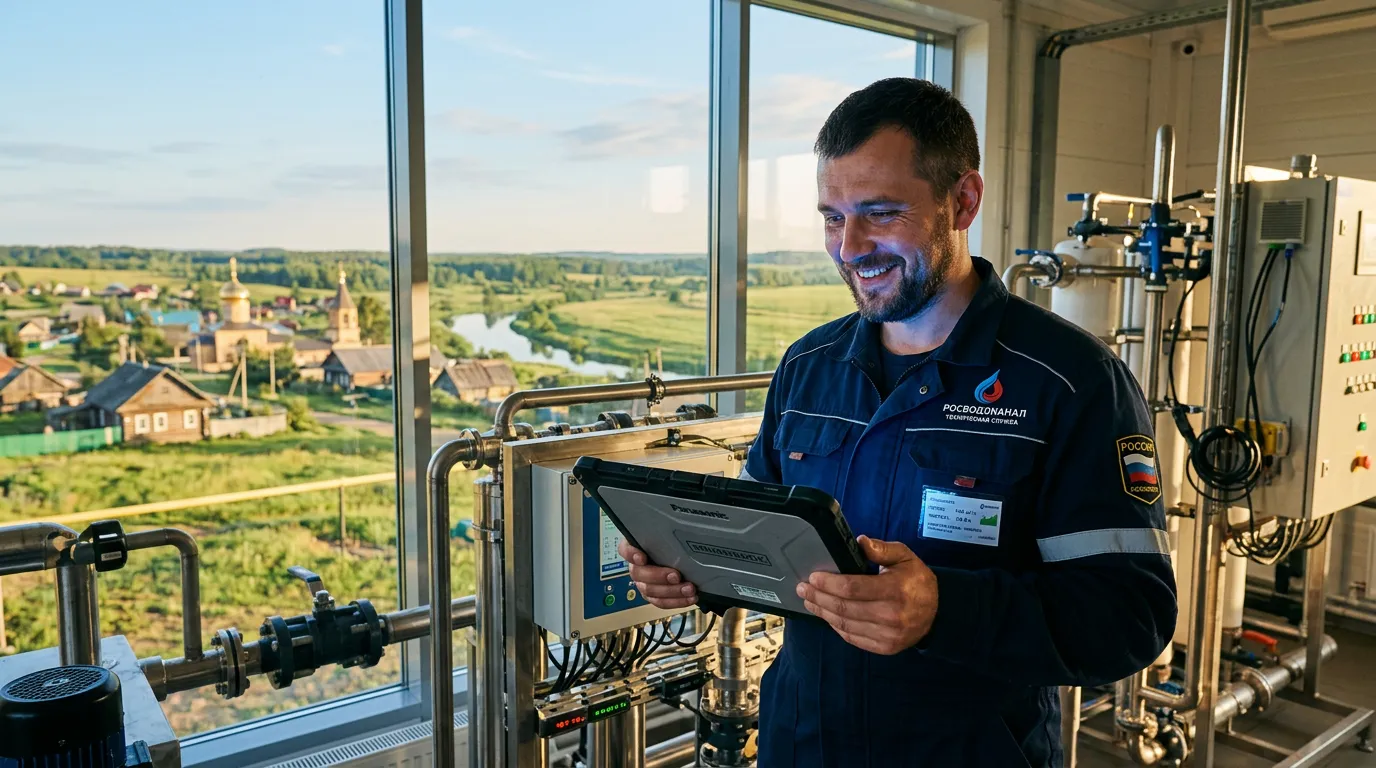
Klemovo is not an isolated case in Russia. In recent years, automated control systems for water treatment and wastewater facilities have moved beyond the country’s largest cities. Digital utility technologies are now being deployed in small towns and villages.
In 2022, a modular water treatment station with a capacity of 700 cubic meters per day was built in the village of Glebychevo in the Leningrad Region. The facility operates automatically: sensors analyze changes in water composition, while the control system adjusts filtration algorithms on its own. A similar facility with a capacity of 300 cubic meters per day began operating in the village of Tsvelodubovo in 2023.
In 2024, a station with a capacity of 3,500 cubic meters per day began operating in the settlement of Tovarkovo in the Kaluga Region, bringing higher-quality water to more than 15,000 residents. It also operates in fully automated mode, while the dispatch center of the state-owned Kalugaoblvodokanal utility monitors all operating parameters online.
Toward a Unified Digital Network
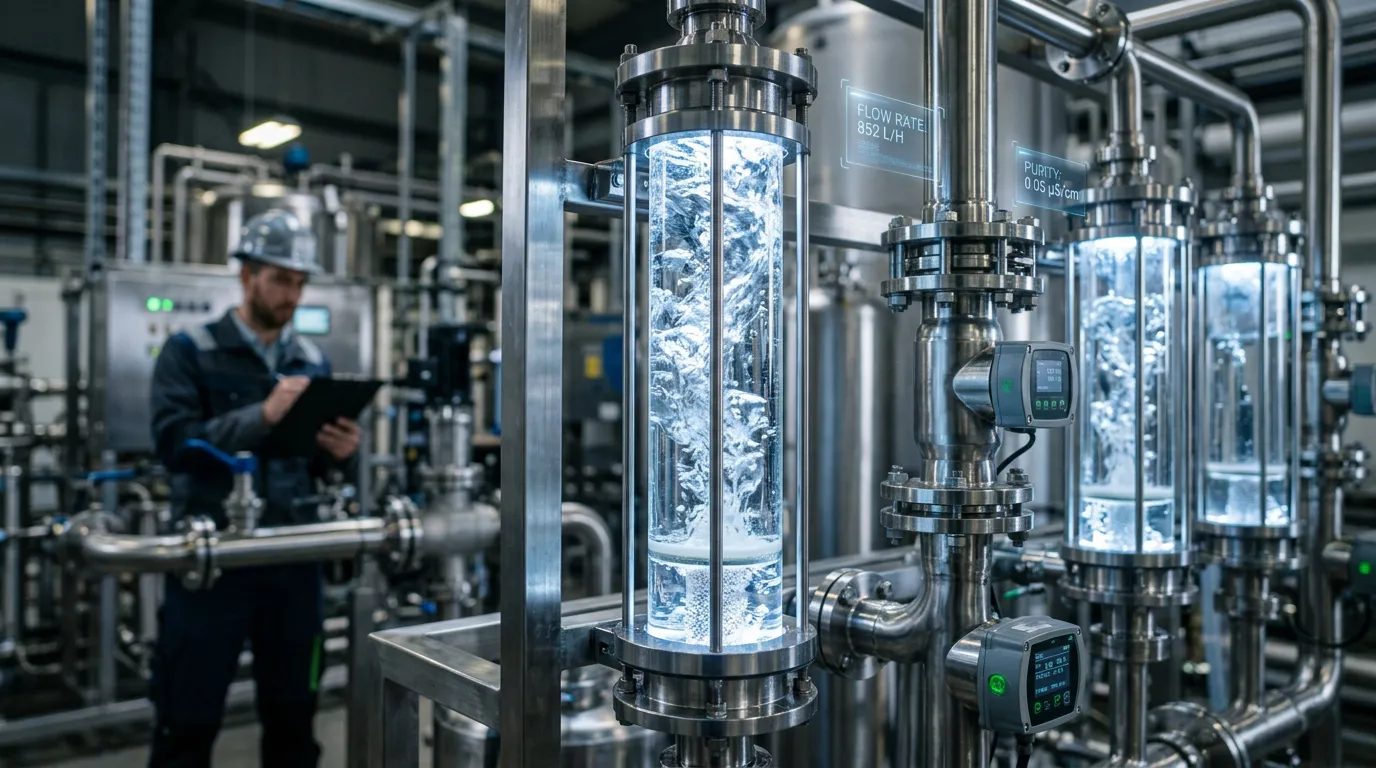
Russia’s utility sector is gradually becoming more digital. The launch of the Klemovo water treatment station can hardly be described as the culmination of a large-scale project. Yet as more facilities like this come online, residents in even remote parts of the country are increasingly experiencing the changes underway in the utility sector. Until recently, such facilities were conventional pieces of engineering infrastructure that required continuous manual oversight. They are now becoming fully automated complexes with remote control.
Over the next several years, more facilities equipped with smart sensors and telemetry are expected to appear in smaller communities. At the regional level, meanwhile, individual automated stations will begin to be connected into unified networks managed through centralized supervisory control systems. The introduction of digital twins will also help utilities apply AI-powered predictive analytics.