Rosneft Deploys Acoustic Analysis Software
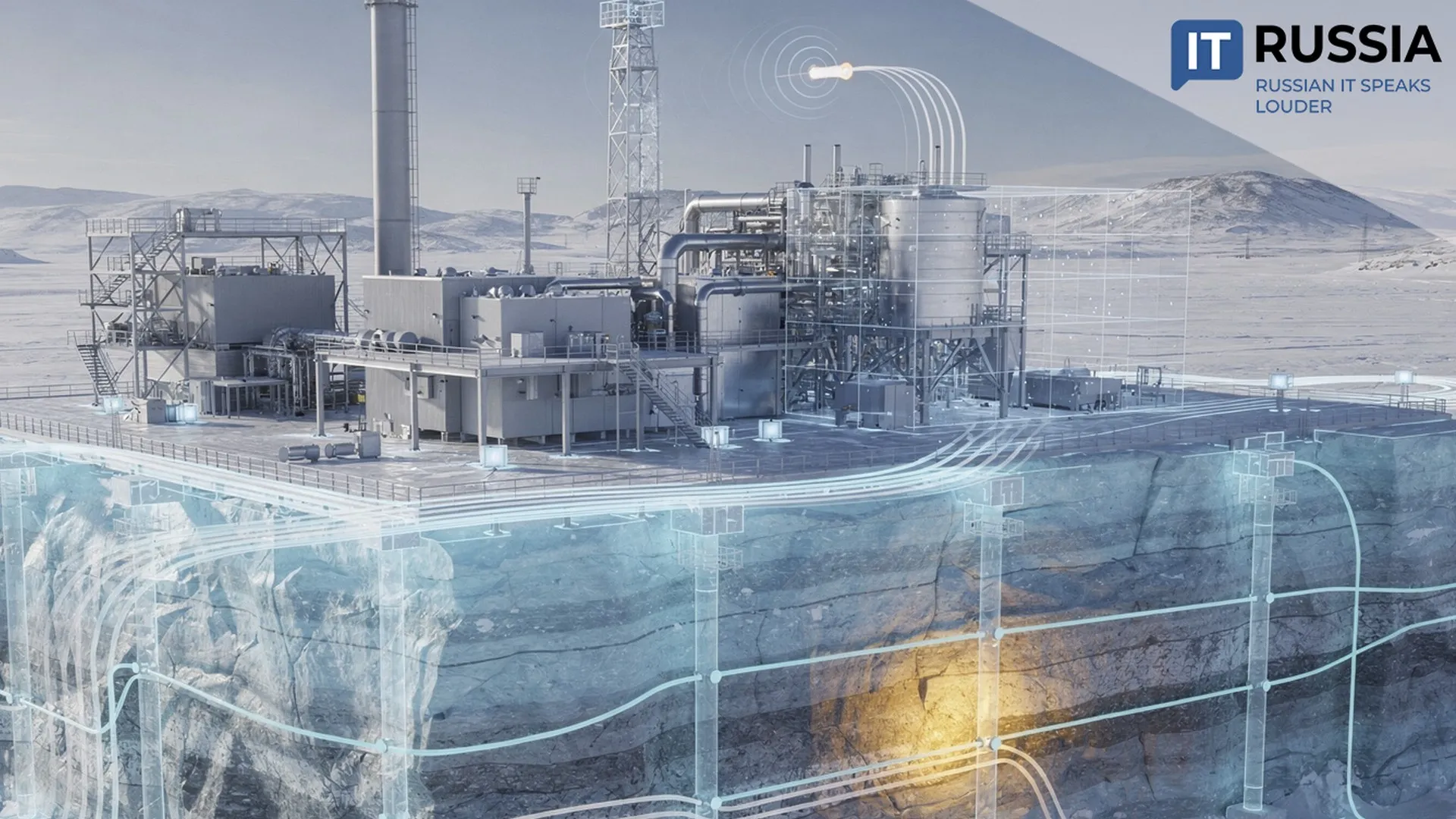
EchoTools, developed by researchers at Rosneft’s Ufa scientific institute, is the first Russian system of its kind. It uses AI to process data from acoustic well surveys.
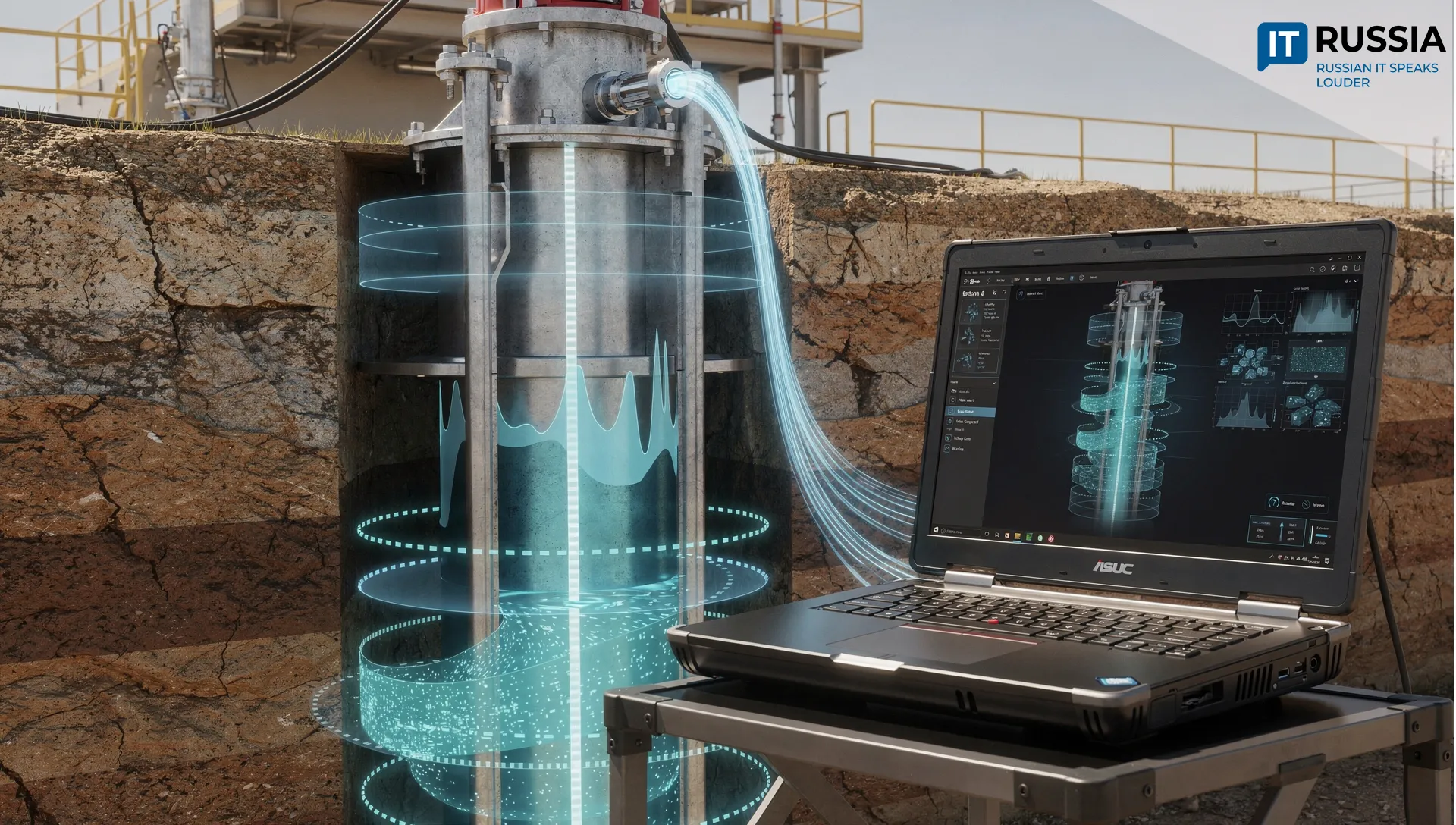
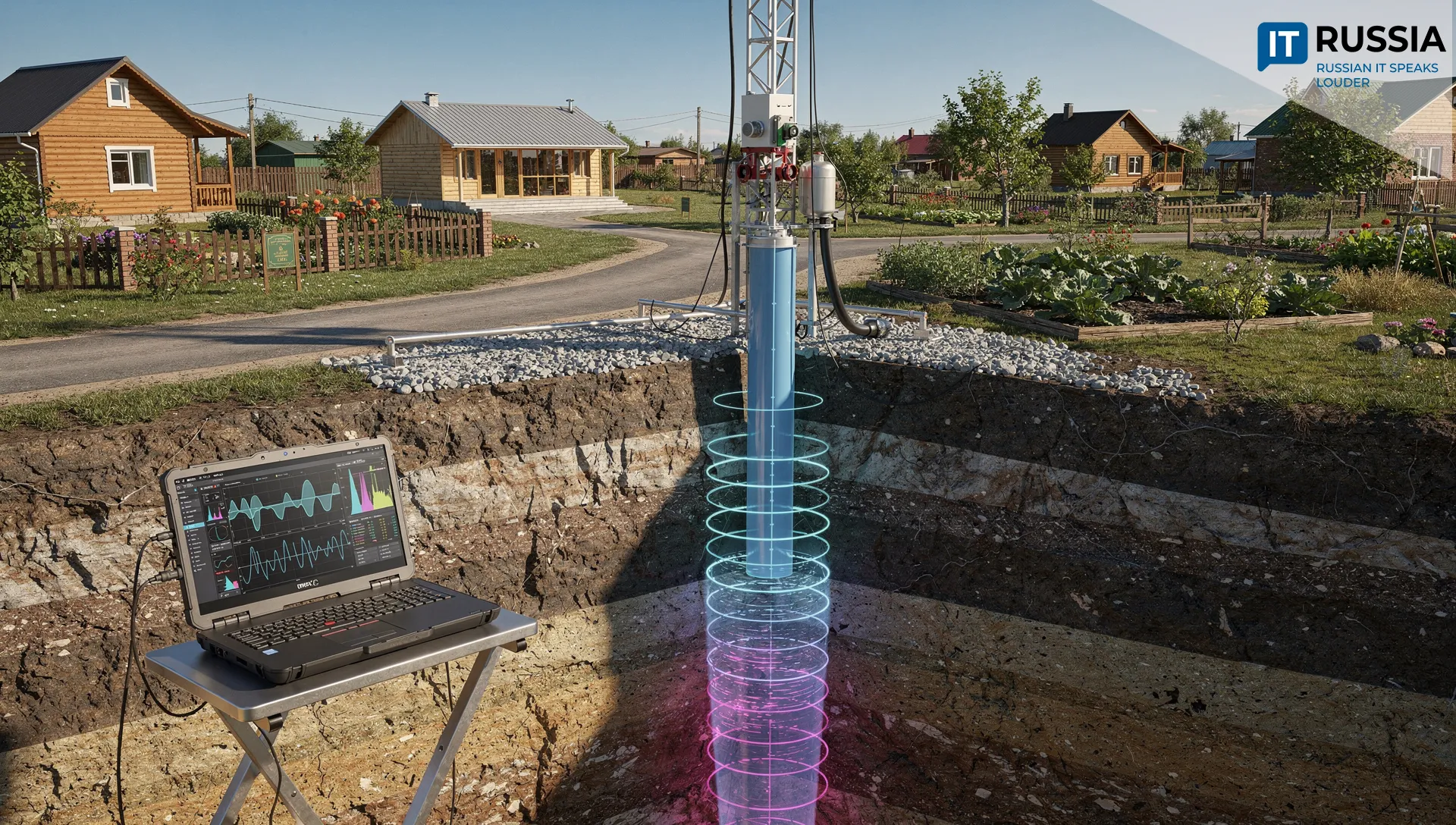
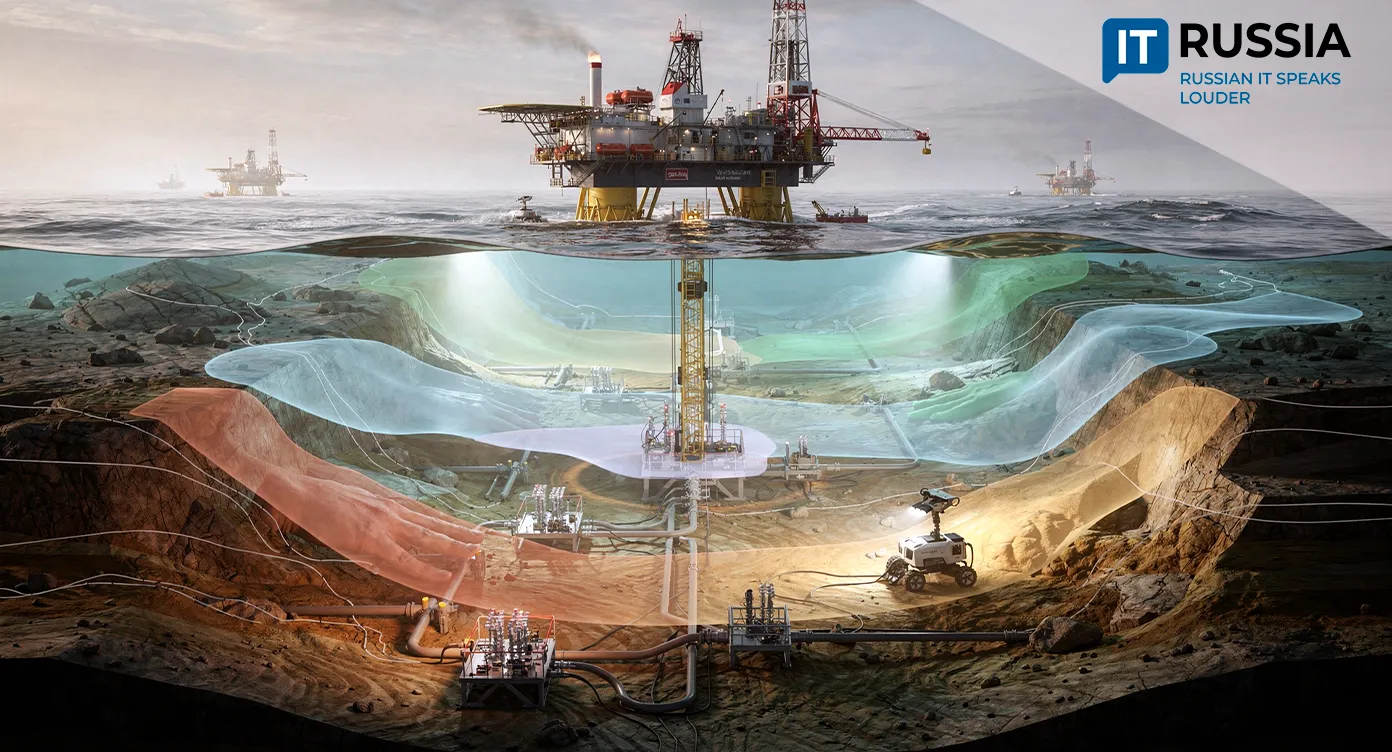
The software determines the fluid level and speed of sound in the casing-tubing annulus. These measurements are used to calculate bottomhole pressure and select a more efficient well operating regime.
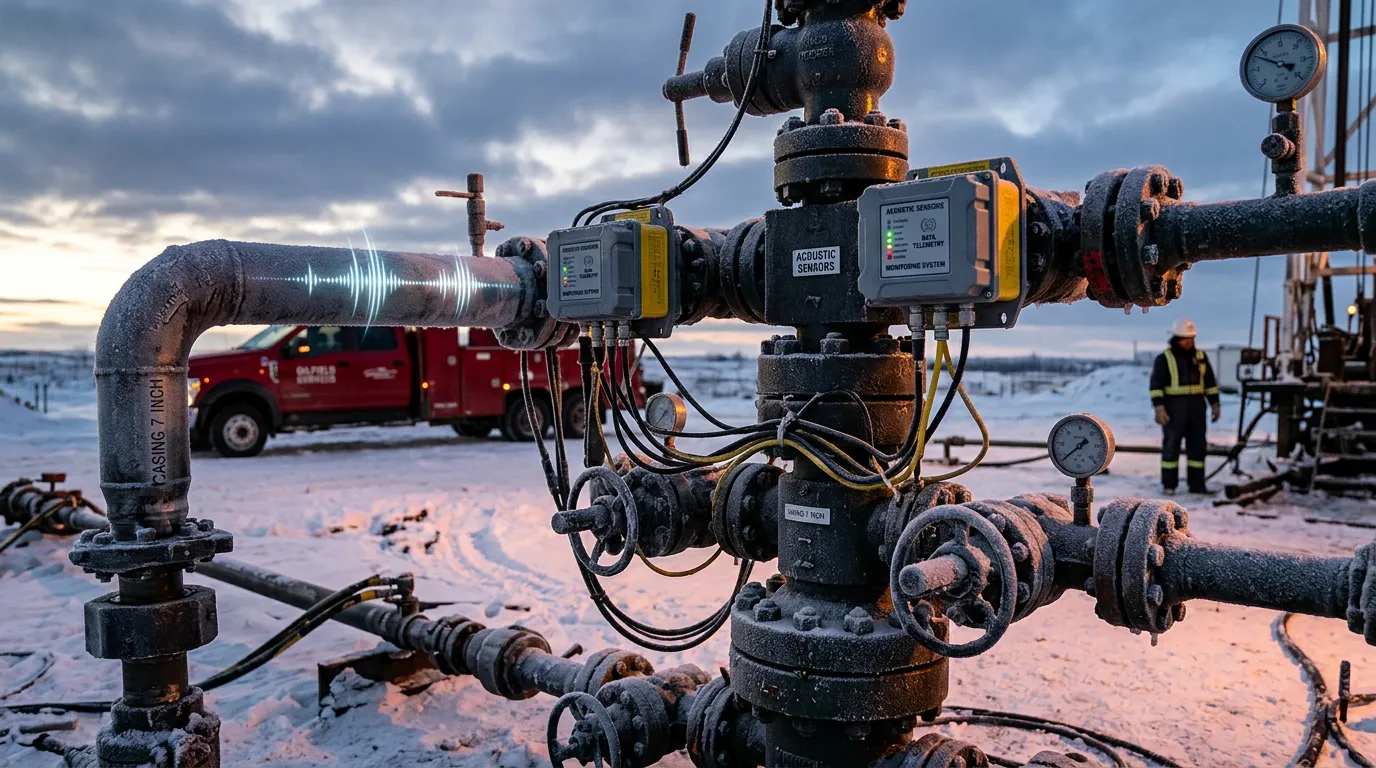
The acoustic fluid-level survey method underlying the software is a well-established technique in production geophysics. A sound pulse is sent into the well’s casing-tubing annulus, reflects from the fluid level and is detected by a microphone at the surface when it returns. In the past, the signal was generated by firing a specialized gunpowder charge, while the resulting trace was recorded on a paper strip and interpreted manually.
EchoTools has taken the analysis to a new level with highly precise calculations. Its main advantage, however, is the dramatic increase in processing speed. Data from a single well, which previously took engineers more than three days to process, can now be analyzed in just two minutes. The neural network can analyze more than 10,000 parameters simultaneously. The software does more than save time: it can also help adjust a well’s operating regime to increase oil production.
Early Deployment Results
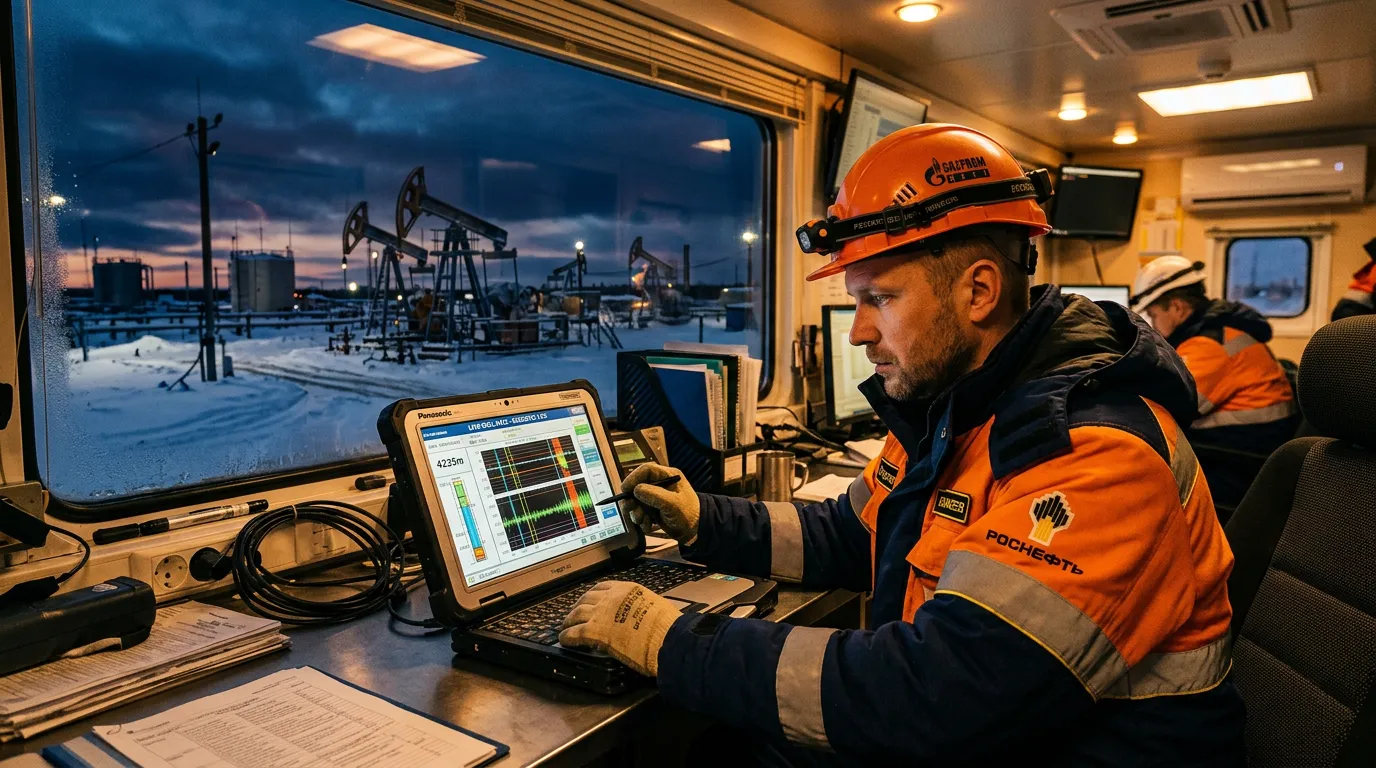
During the first six months after the software was deployed at the company’s facilities, data from more than 2,000 wells was processed, with the system recommending optimization for 500 of them. Measures already implemented have increased combined daily oil production by 114 metric tons, according to the company.
The development is part of Rosneft’s broader strategy through 2030. EchoTools itself was developed in response to sanctions pressure after Western suppliers stopped providing and supporting reservoir modeling software.
The product was developed and patented in the summer of 2025. Results showing successful use across thousands of wells and measurable production gains open prospects for offering it to the broader market. The product will, of course, also be scaled across Rosneft’s own production operations.
Building Software Independence
Rosneft has been steadily expanding its technological capabilities and investing in innovation, viewing technological leadership as a critical factor in remaining competitive in the oil market.
The company’s direction is fully aligned with Russia’s energy sector digital transformation strategy through 2036, approved in February 2026. The government has set a course toward domestically developed core and application software, artificial intelligence and data-driven production management technologies. By 2030, Russian software is expected to account for 80% of the energy sector’s core production and management processes. These measures are intended to reduce the sector’s dependence on specialized foreign engineering software to minimal levels.
Going forward, systems like these will be integrated in production operations with well telemetry, digital twins, reservoir modeling systems and other corporate technologies. The government’s energy-sector digital transformation strategy again provides the framework for this trend.

Exporting Oil and Software
Rosneft already has practical experience commercializing its own oil and gas software. In 2021, the company signed an agreement with a Chinese partner to use RN-GRID, its Russian hydraulic fracturing simulator. In 2023, the two sides agreed to continue jointly developing the technology. For Rosneft, this marked a new stage in its development and the beginning of efforts to promote its proprietary software products in international markets.
As of 2023, Rosneft’s portfolio included 24 research-intensive software products for geology, engineering design, field development and operations. Ten of them had found demand in international markets. EchoTools could also join the company’s portfolio of high-tech products sought by customers abroad.
More broadly, Russia’s oil and gas sector is developing its own class of specialized engineering software spanning tasks from well-data processing to digital twins, reservoir simulation models and production optimization. The shift toward Russian software is fully supported by the government’s energy-sector digitalization strategy.