From Signal to Meaning: A Russian IT Project Teaches Neural Networks to Understand Medical Context
In Russia, researchers are developing a neural network algorithm designed to identify critical changes in medical test results. The new system not only detects abnormalities but also explains to physicians why immediate attention is required at a specific moment.
Doctor–Digital Interaction
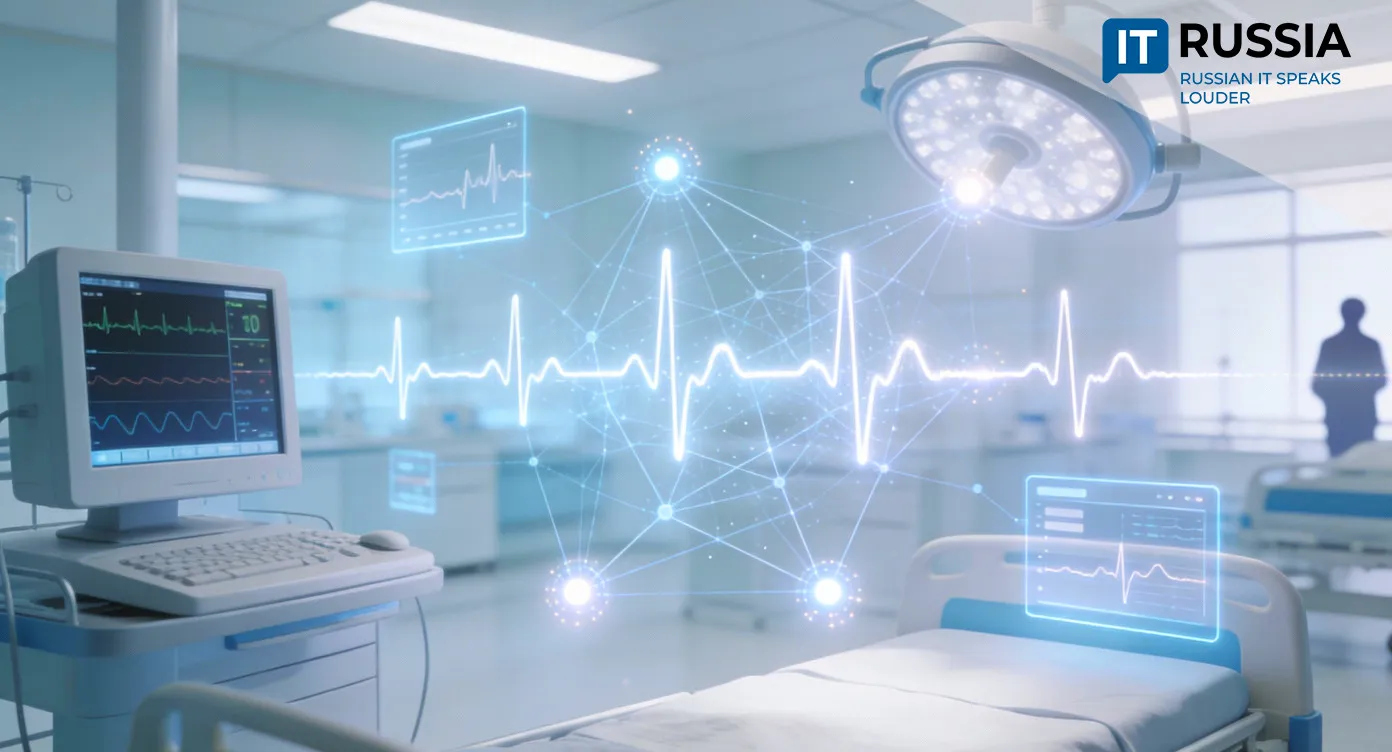
Development is nearing completion at the Clinic of Hospital Surgery at I.M. Sechenov First Moscow State Medical University (Sechenov University) on a neural network algorithm that fundamentally changes how physicians interact with digital medical data. Instead of simply flagging abnormal test results in red, the system provides doctors with a concise yet clinically meaningful explanation of why a specific parameter requires attention at that particular moment, taking into account the full medical history and current treatment. This marks another step away from passive digitalization toward an active intelligent assistant that works with clinical meaning rather than raw data.
The problem this project addresses is familiar to any practicing physician. Modern medical information systems, including widely deployed ones, have learned how to accumulate massive volumes of data, such as laboratory test results, monitoring indicators, and electronic medical records. They can display values that fall outside normal ranges, but their analytical capabilities often stop there. For a system, a drop in hemoglobin from 130 to 80 units is simply two numbers, one highlighted in red. A surgeon, however, understands that this may indicate internal bleeding that requires immediate investigation and possibly a blood transfusion. Bridging the gap between data and decision is left entirely to the physician, often under conditions of chronic time pressure and information overload.
Analyzing Dynamics
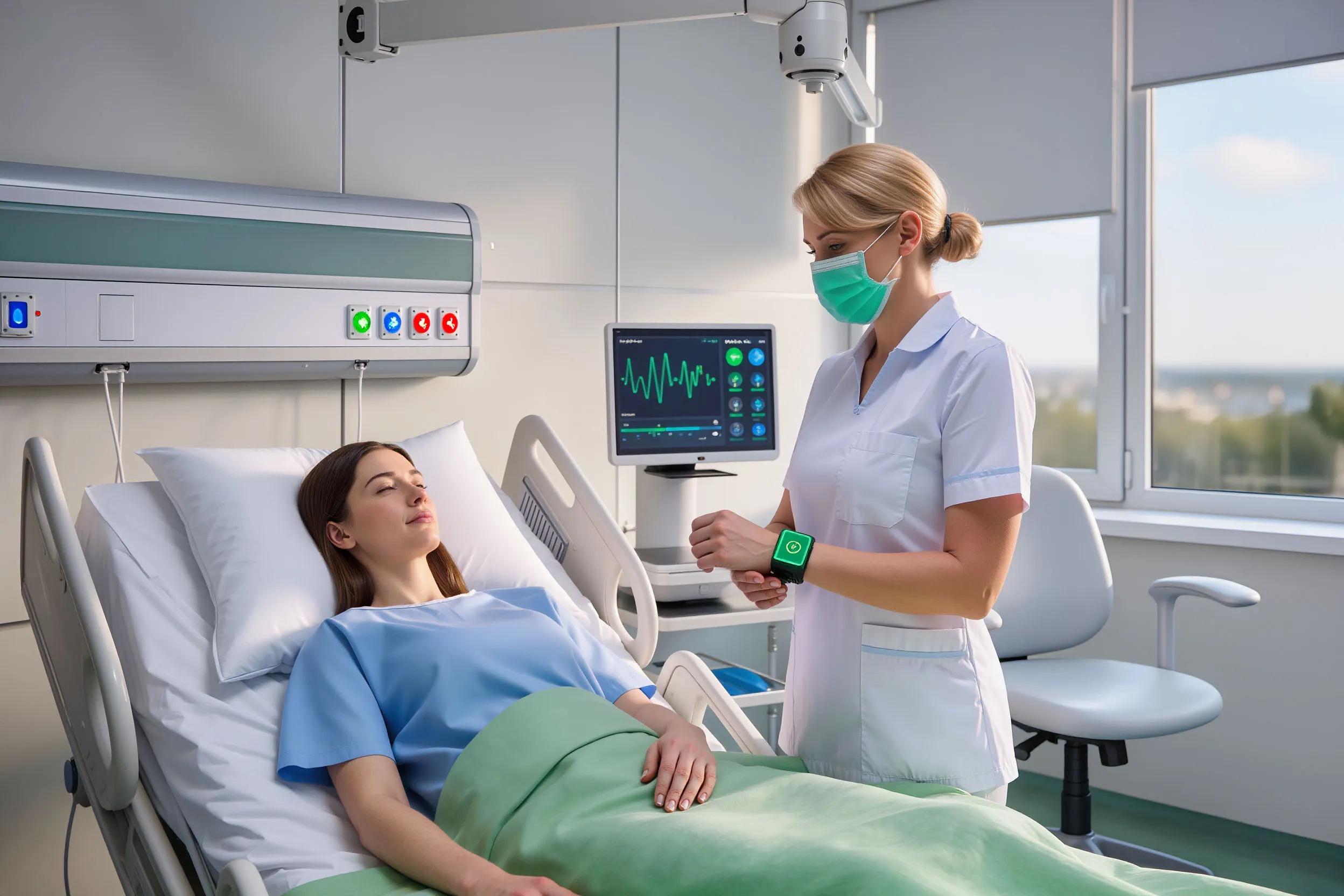
The development team, led by Ivan Markov, assistant professor at the Department of Hospital Surgery No. 2 at Sechenov University, set out to eliminate this gap. Their algorithm analyzes trends over time, correlating them with the patient’s diagnosis, completed surgeries, comorbidities, and current therapy. If a patient’s hemoglobin level gradually declines after gastric resection, the system does not merely record the fact. It links the change to the surgical history and generates a contextual alert for the on-call team: “Critical hemoglobin decrease in the postoperative period. Continued bleeding should be ruled out.”
Significance for Russia and the World
The importance of this work for Russia’s healthcare system is substantial. It directly targets one of the most acute challenges in modern medicine: human-factor risk and physician overload. Alert fatigue, when clinicians become desensitized to endless system notifications, is a global issue that leads to missed critical signals.


The Russian algorithm proposes a fundamentally different approach. Instead of increasing the number of alerts, it increases their quality and semantic value. This has a direct impact on patient safety, especially during evening shifts, nights, and weekends, when access to attending physicians is limited and decision-making time is reduced to minutes.

From a global perspective, the project is notable as a practical implementation of explainable AI in one of the most conservative and high-stakes domains, clinical medicine. The worldwide trend is moving away from black-box systems that produce results without explanation toward solutions capable of justifying their recommendations.
Context as a Universal Language
The potential for international adoption lies not in technological superiority alone but in deep domain understanding. Physician information overload, depersonalized data, and delayed decision-making are universal challenges across healthcare systems. An algorithm trained on real clinical cases from a leading Russian medical university effectively encodes the logic and experience of practicing surgeons. This is not an abstract platform but a concrete tool addressing a tangible problem.
Such a product could be in demand in countries facing similar challenges, including heavy physician workloads, the need to standardize care, and efforts to reduce preventable in-hospital complications.
From Data to Care
For healthcare as a whole, the project signals a transition to a new phase of digital transformation, from record-keeping systems to clinical decision-support systems that do not dictate actions but assume routine analytical work. This shifts the role of digital tools from passive archives to active partners capable of reviewing thousands of pages of medical history in seconds and extracting what truly matters.
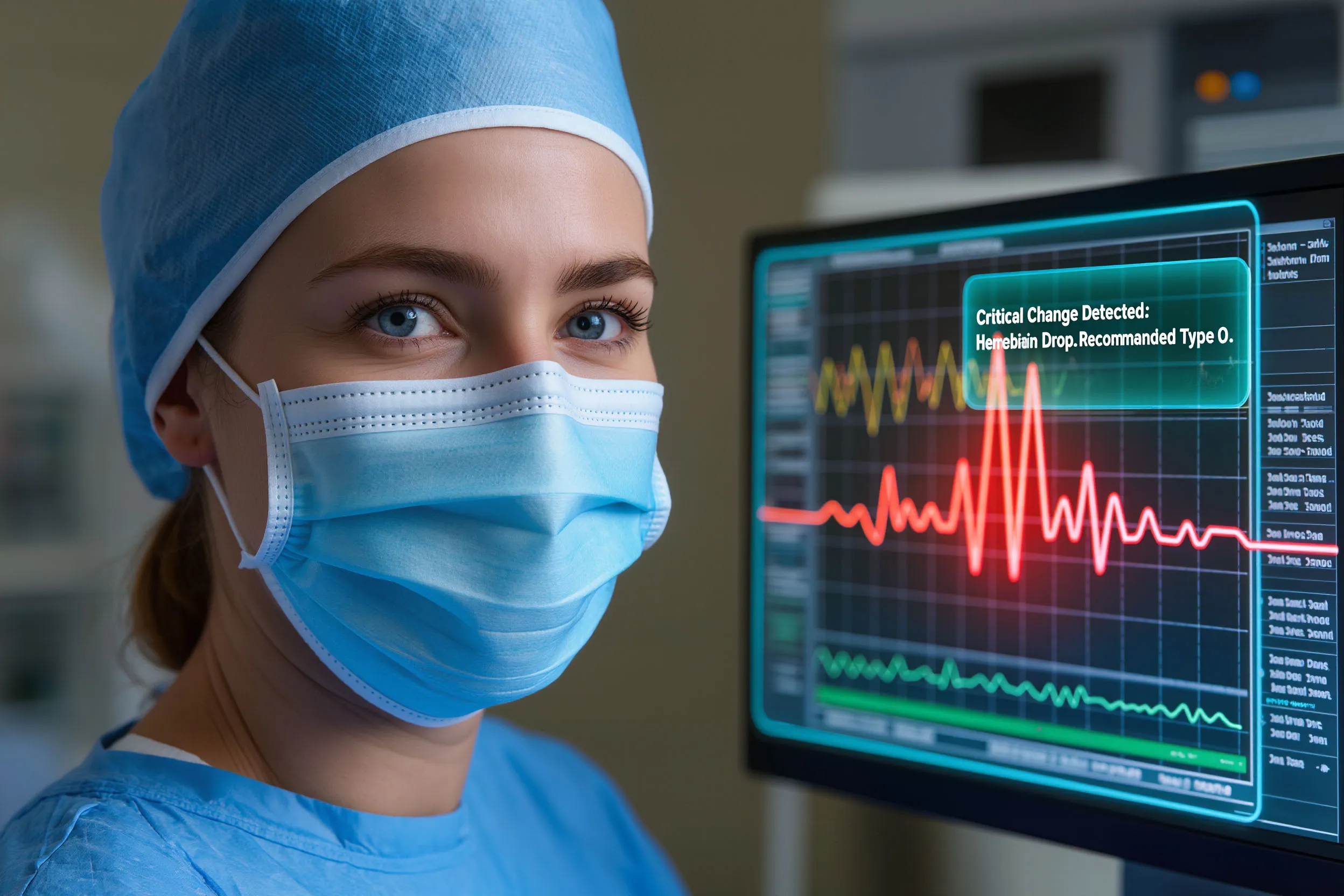
For patients, the deployment of such solutions ultimately means improved safety during hospital stays. It creates an additional, continuous, and unbiased digital layer of oversight that helps guard against accidental errors or delays. This is particularly important in regions where access to specialized physicians or around-the-clock coverage by experienced surgeons may be limited. An algorithm capable of assigning clinical meaning to streams of test results becomes a tool for equalizing the quality of medical care and making expert-level approaches more accessible.