Precision agriculture cuts costs
Farmers in southern Russia are boosting profitability by 30–40% by adopting digital technologies in crop production.
Digitalisation as a risk-management tool
Farmers who implement precision agriculture technologies reduce crop production costs by roughly one third, according to Oleg Sirota, chairman of the People’s Farmer Association and a member of the Expert Council of the National Agricultural Agency (ROSNG).
“Most farms in the south that adopt precision agriculture, digitise their fields and closely track costs reach around 30% profitability. That is already a fundamentally different economic model,” Sirota said.
The challenge is that digital technologies have historically been adopted more slowly in southern Russia than in other regions, such as the Central Black Earth zone. The reason is straightforward: agribusiness in the south remained highly profitable for years without advanced digital tools, posting some of the highest margins in the country. As a result, not all farmers felt pressure to invest in IT. That changed with the 2025 drought. The climatic shock dealt a serious blow. Following the harvest, average grain yields in Krasnodar Krai fell to 46.6 centners per hectare, down from 62.3 centners the previous year. Climate volatility is now forcing farmers to accelerate digital adoption.
“We can already see the market shifting – margins are shrinking while risks are rising. I believe that next year southern farmers will actively bet on new technologies,” Sirota added.
A new decision-making framework
Since 2019, Russia has been implementing the national Digital Agriculture program, aimed at modernising the sector through digital technologies. These tools are becoming the core mechanism for improving farm efficiency.


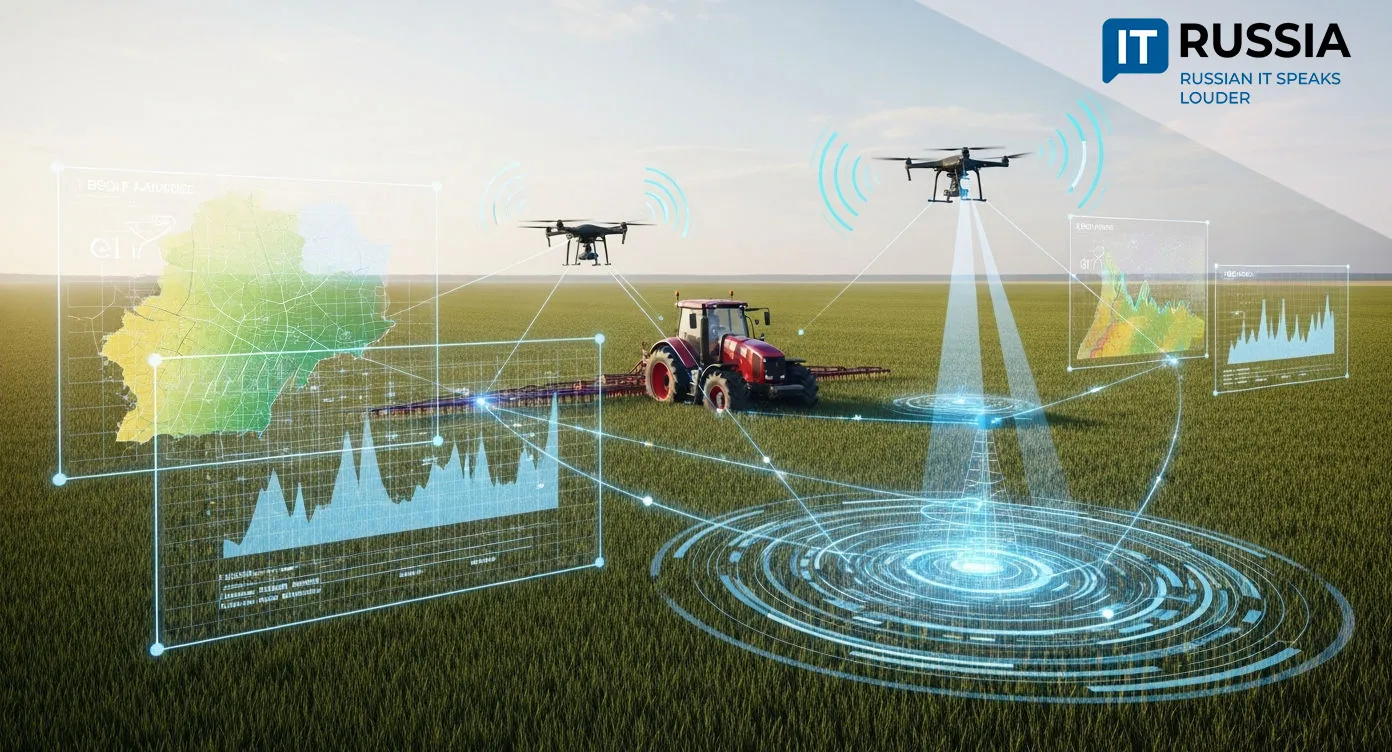
Precision agriculture is a farm management system based on detailed data analysis and site-specific decision-making for each field zone. This approach makes it possible to increase yields while simultaneously reducing input costs.
Experts estimate that up to 60% of agricultural efficiency today depends on management decisions. To support those decisions, Russia has been developing dedicated intelligent systems. Yield forecasting platforms combine data from field and machinery sensors, satellite imagery, artificial intelligence and large-scale databases. These systems analyse a wide range of variables affecting yields, including weather conditions, soil characteristics, crop growth stages and historical performance.
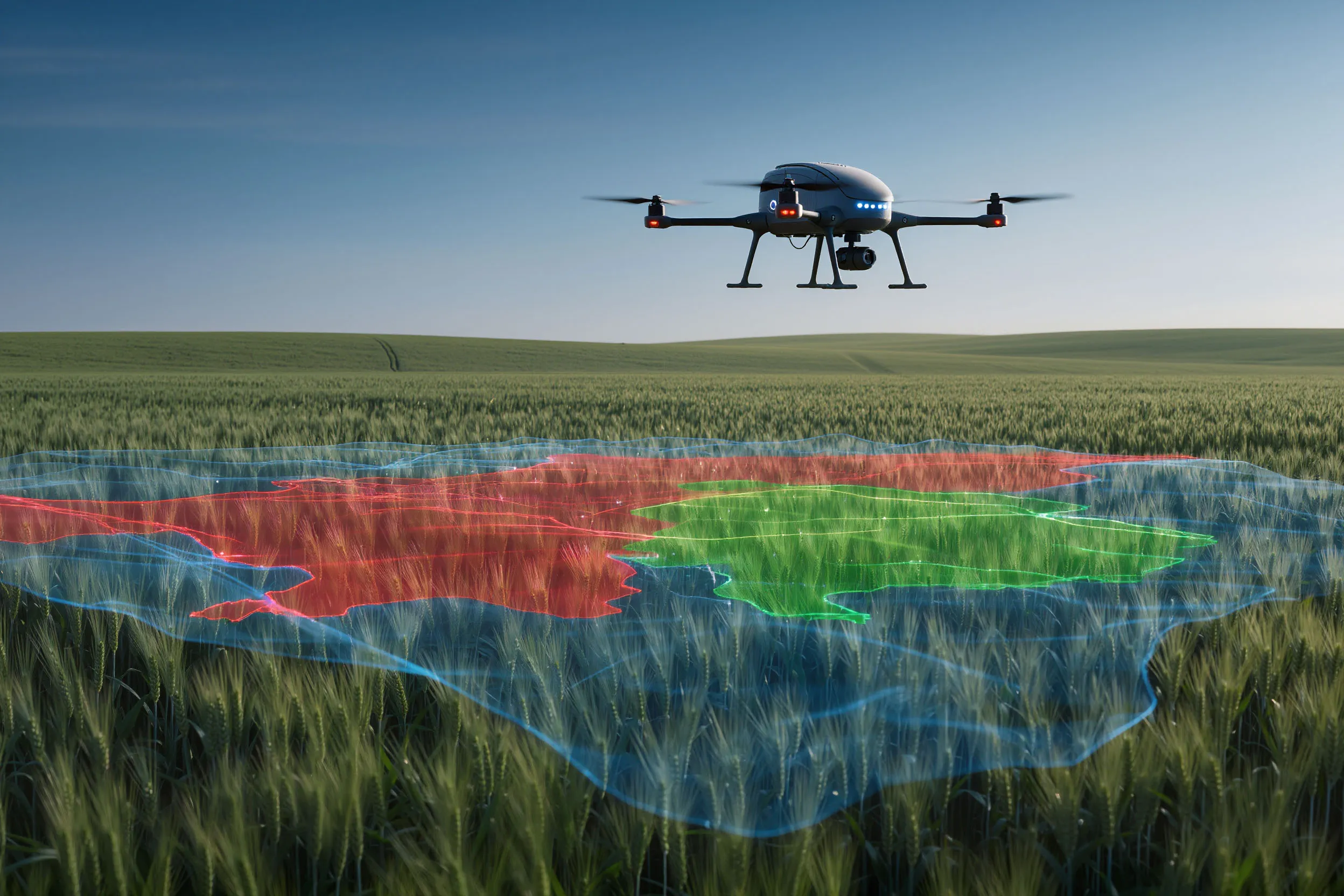
The systems process information in real time, allowing farmers to quickly and accurately adjust agronomic operations. Machine learning algorithms continuously improve analytical accuracy. Given accelerating climate change, operating without these technologies is becoming increasingly impractical.
“Current conditions must be treated as a constant. Farmers need to work within them and demonstrate efficiency. For crop producers who do not want to move into processing or diversify risks, controlling production costs becomes the central task,” said Oksana Lut, Russia’s minister of agriculture.
Tools for new operating conditions
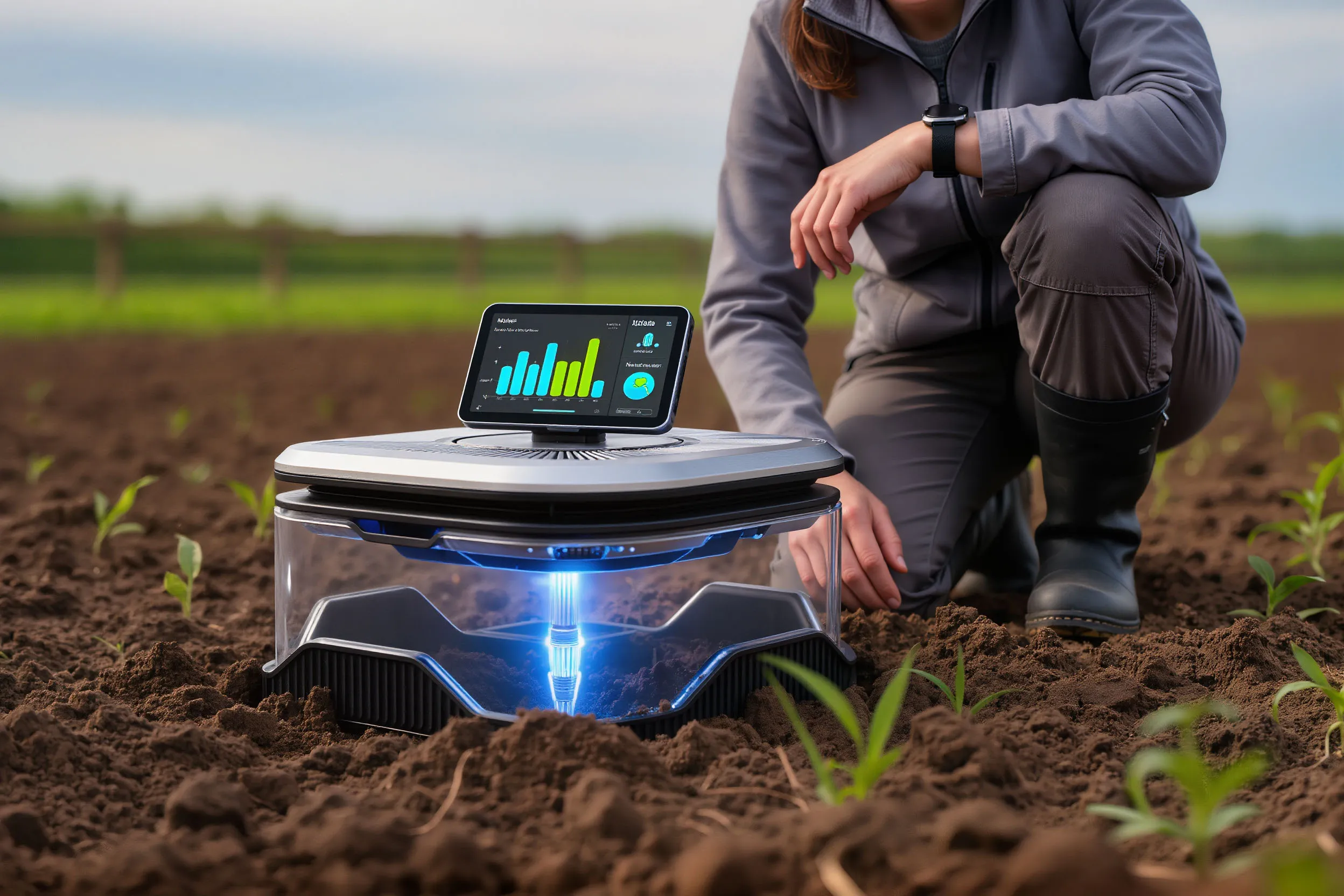
Today, leading Russian farms are actively deploying IT-driven solutions. At the Steppe agricultural holding, planting based on 3D terrain models has been implemented, along with machine vision systems for crop assessment. Agrophotonics technology has been tested, using drones to treat crops with laser-based systems. Soil injectors have also been developed for the precise application of liquid fertilisers.
Progress Agro Group is rolling out its Precision Agriculture project. The cornerstone of the initiative is the “Field History” system, which provides end-to-end control over all crop production processes.
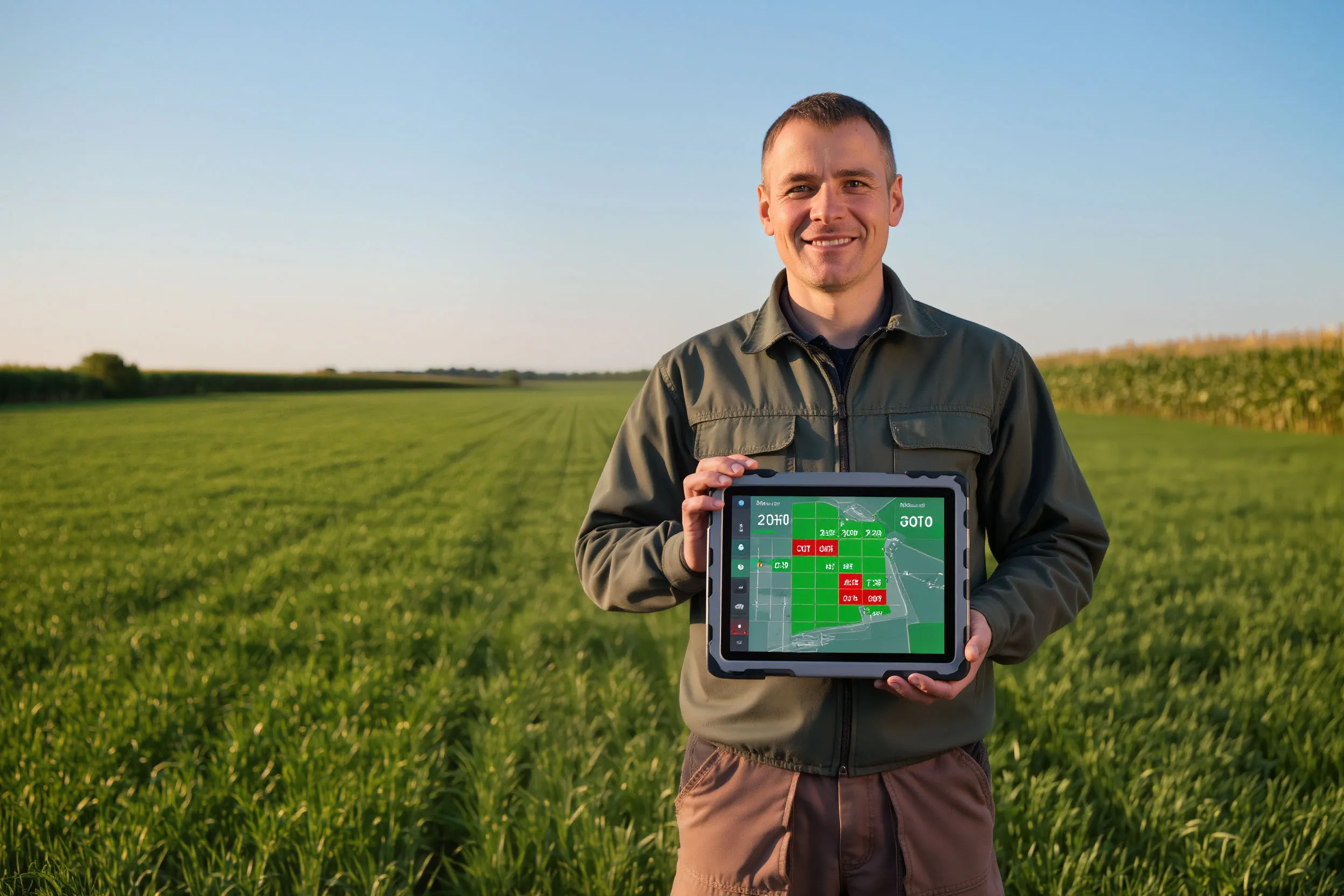
Digital technologies and precision agriculture are no longer optional trends – they are becoming survival tools under new economic and climatic realities. By 2026–2027, the scaling of best practices from leading enterprises is expected to become standard across most mid-sized and large farms, followed by adoption among smaller producers. This will drive further development of automation and analytics solutions tailored to Russian farming conditions.
At the same time, existing Russian precision agriculture platforms – combining software and hardware – are already attracting interest in regions with similar climates, including Central Asia and the Middle East, and are emerging as standalone export products.