3D Printing and Nuclear Medicine: Rosatom Unveils New Research Developments
About 50 nuclear industry experts took part in more than 20 sessions at the Tekhnoprom-2026 forum, presenting developments in megascience facilities, the adoption of additive technologies and new approaches to medicine.
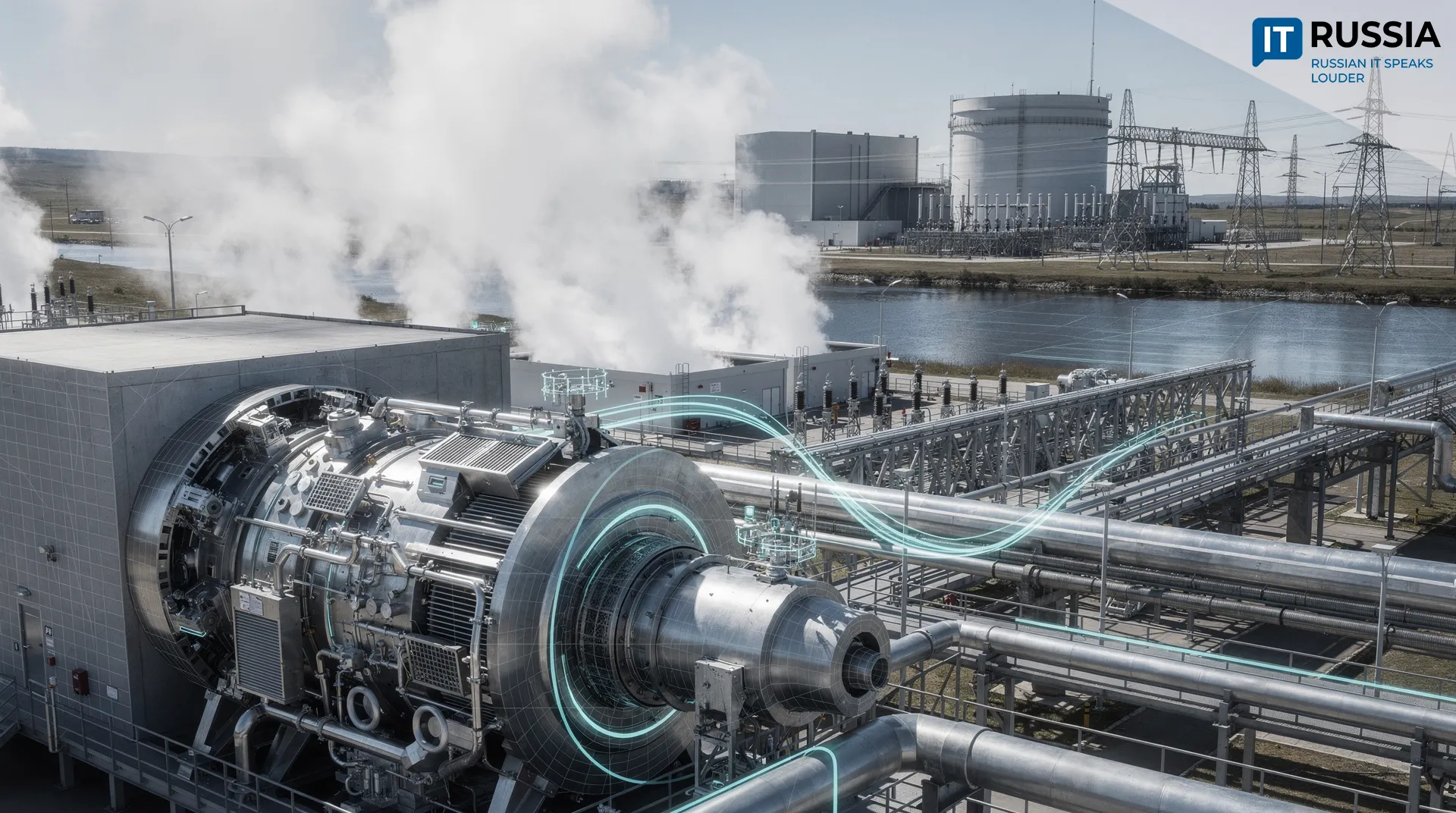
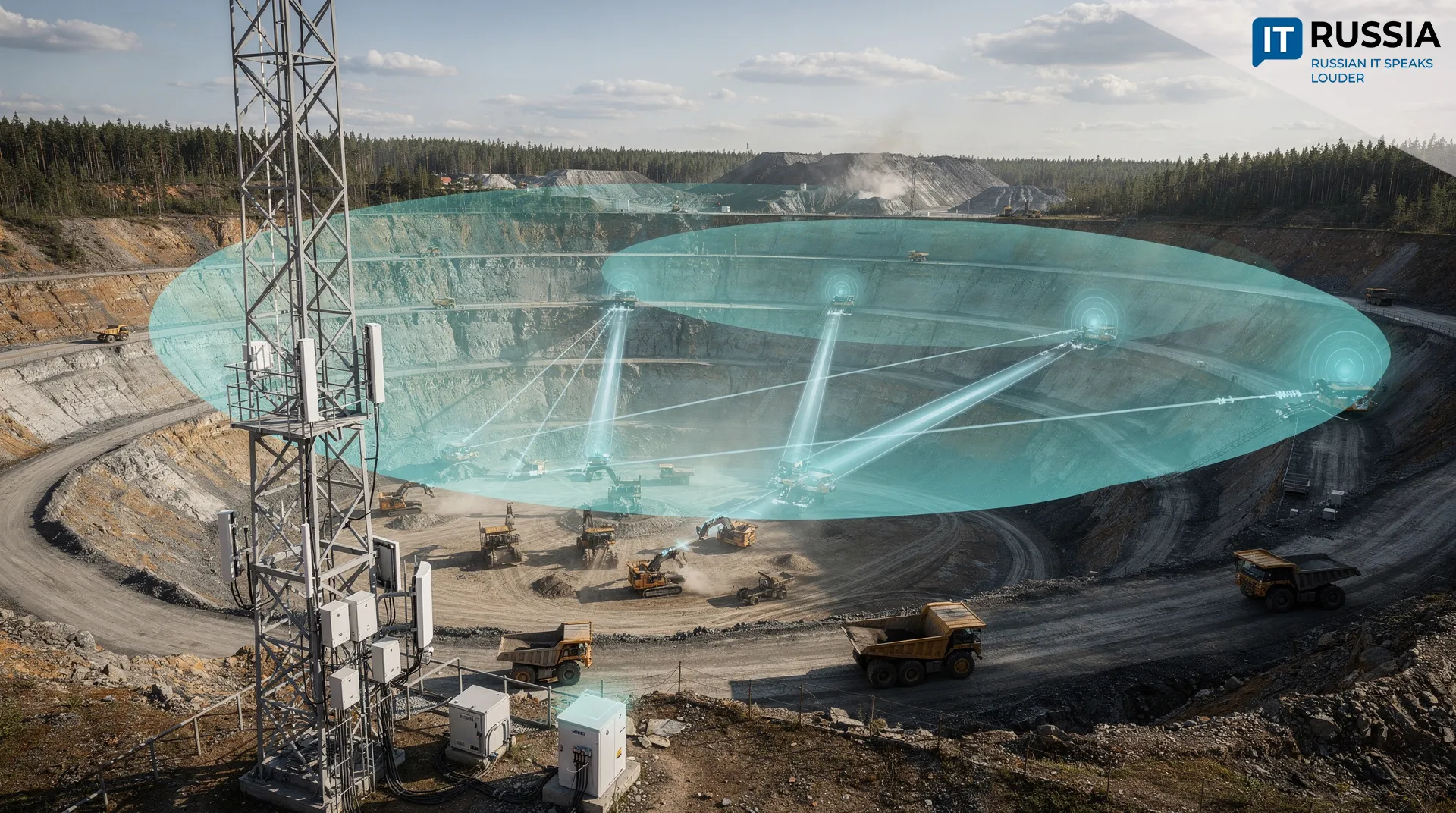
Forum visitors learned that the Siberian Ring Source of Photons (SKIF) now occupies a central place in the work of nuclear scientists. It supports research across a wide range of fields, including the Proryv project, which aims to create a closed nuclear fuel cycle. SKIF is also being used in industrial materials science and is helping advance welding technologies, additive manufacturing and wind power. Such megascience facilities address a broader industry goal by creating an end-to-end chain linking scientific infrastructure and research with technologies and their industrial application.
Experts also presented three major projects: a Compton radiation source, a tokamak incorporating reactor technologies, and the Multi-Purpose Research Reactor on Fast Neutrons (MBIR). Bringing these facilities into operation over the next three to 10 years will support work in clean energy, advanced materials, biology and innovative medicine.
Digital Modelling and Additive Technologies
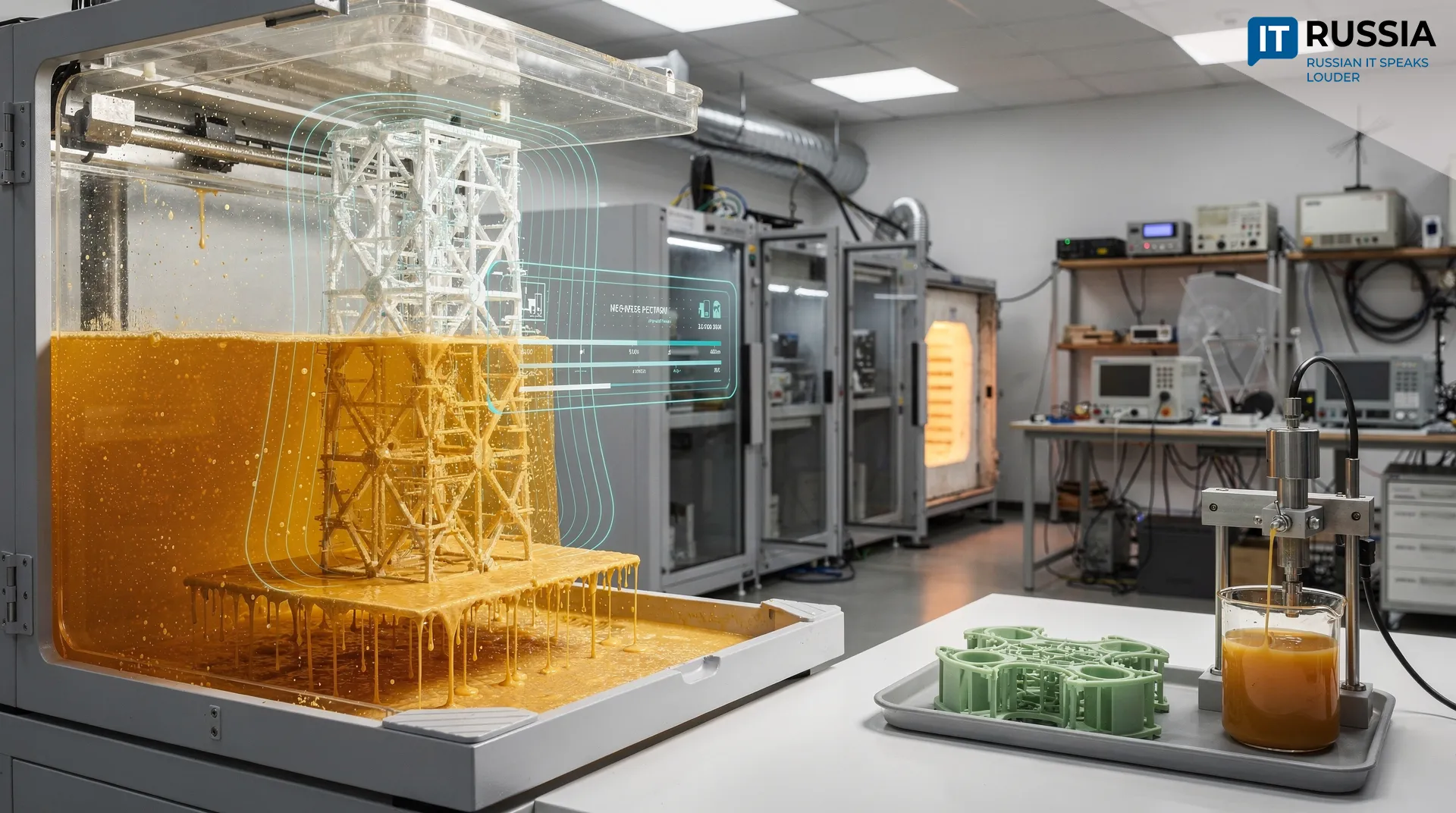
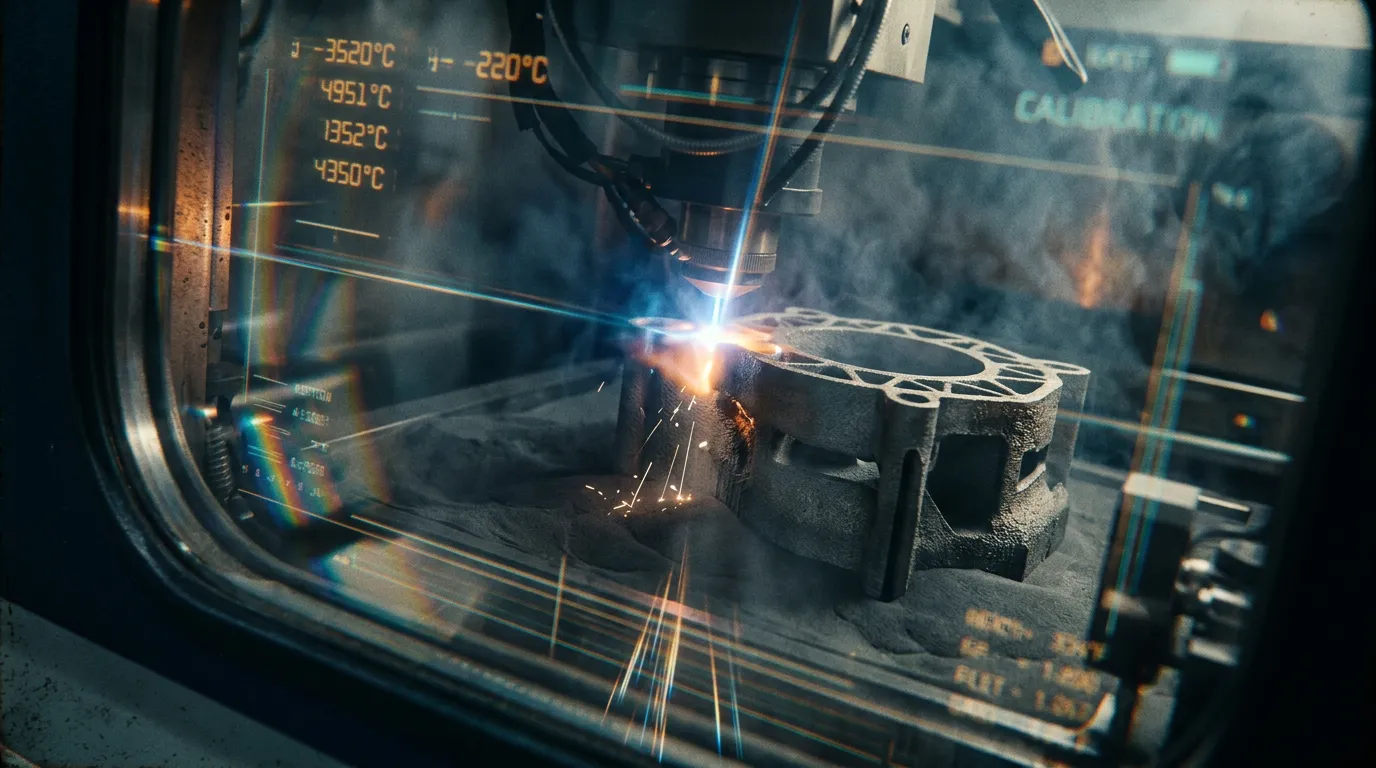
3D printing is now one of the most promising technologies across many industries, including nuclear energy. Dmitry Ivanets, Rosatom's deputy director for technological development, presented practical results from the adoption of additive manufacturing: at one of the corporation's enterprises, the technology has cut process times by 30%, while more than 1,000 parts have already been printed at the Kola Nuclear Power Plant. Switching to composite materials has reduced the production cycle fourfold.
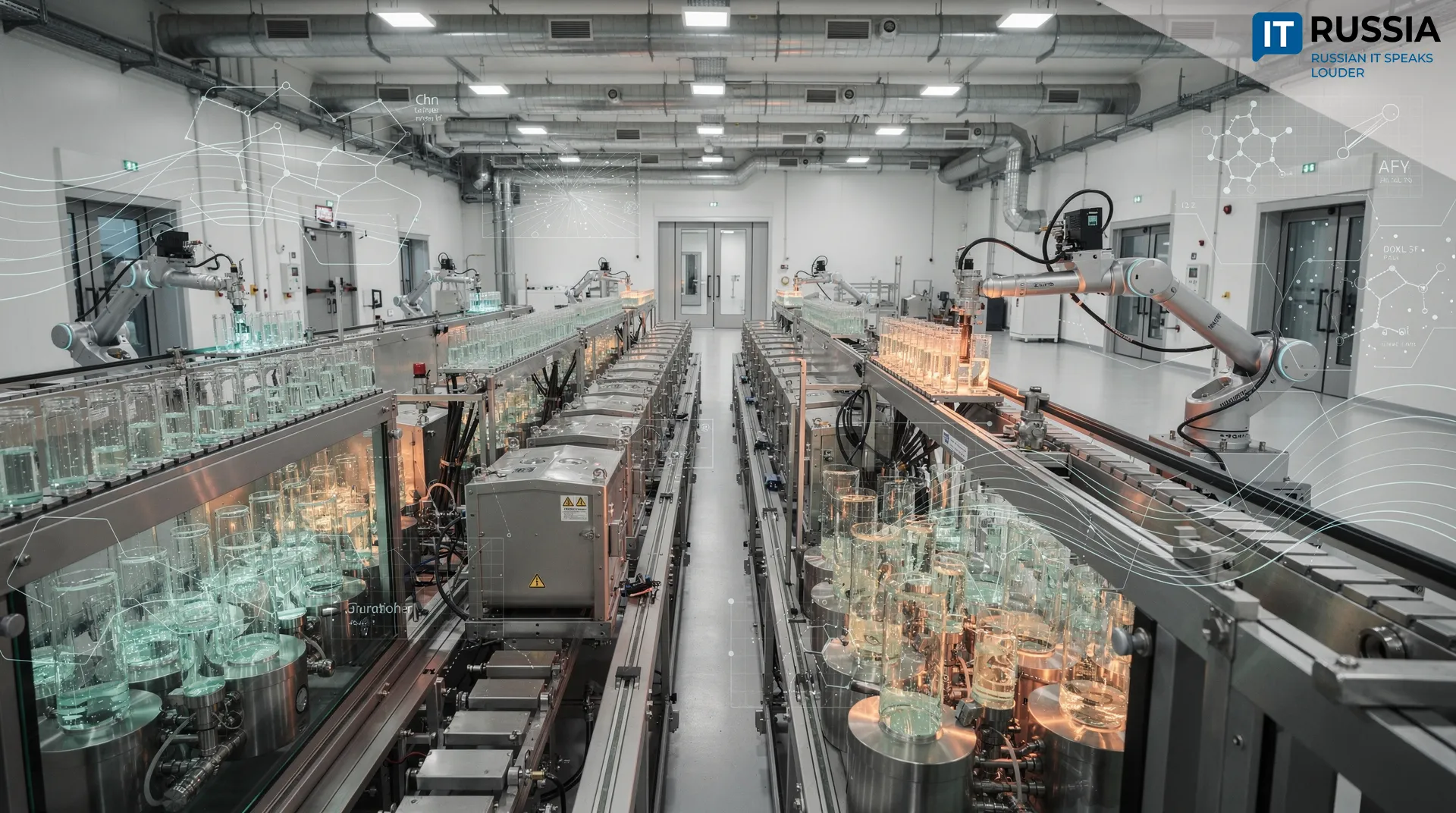
The advantage of additive manufacturing is that it can combine multiple parts into a single structure with cooling channels and optimized walls. This reduces the number of manufacturing operations and potential sources of defects. The key question is which components should be printed and which materials should be used. Researchers are assisted in this work by automated synthesis systems that sinter multicomponent powdered materials and produce physical samples of new materials immediately. This makes it possible to rapidly test and deploy solutions for extreme environments, from Arctic temperatures to reactor cores.
Flash Therapy Opens New Possibilities in Cancer Treatment
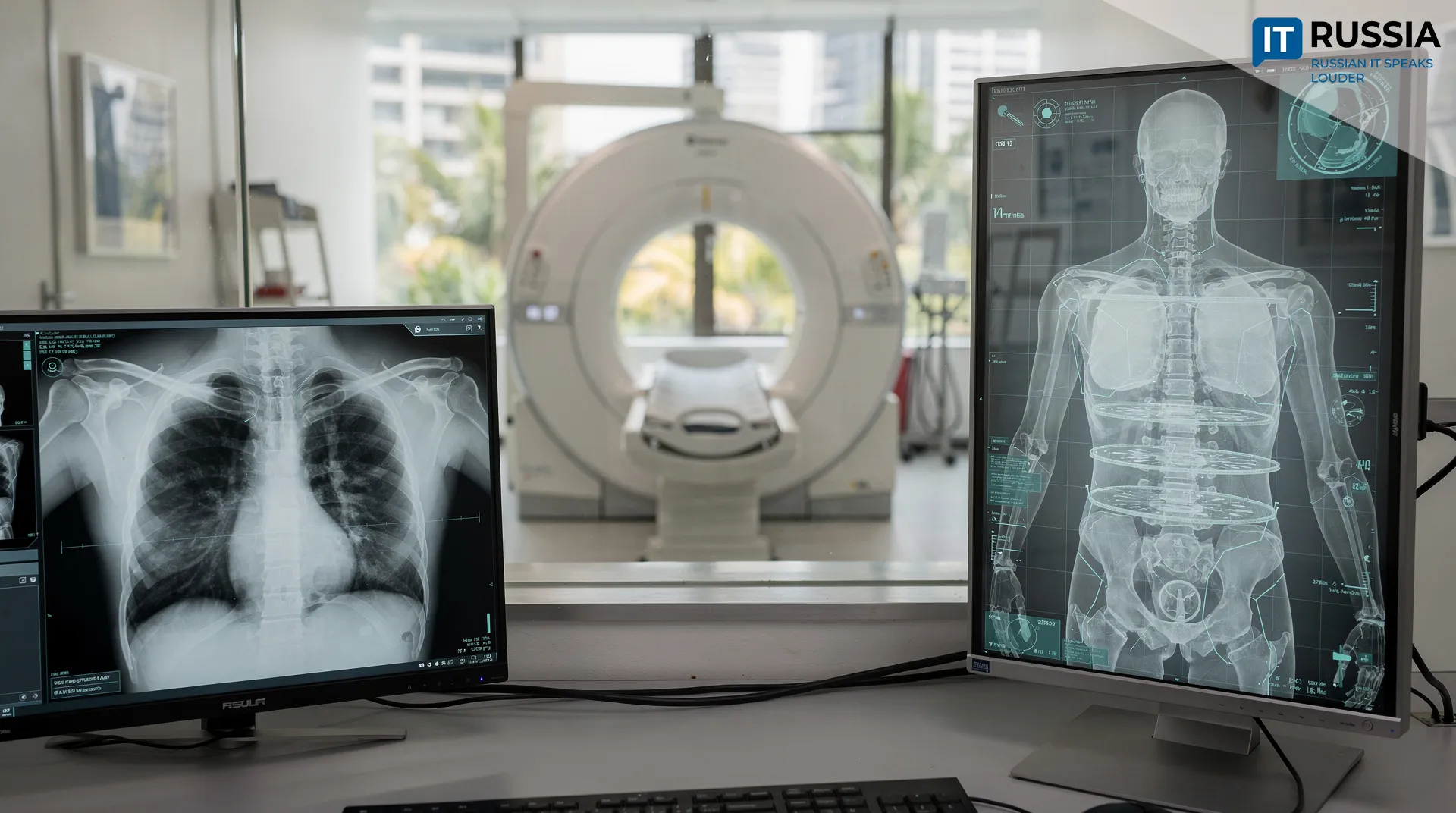
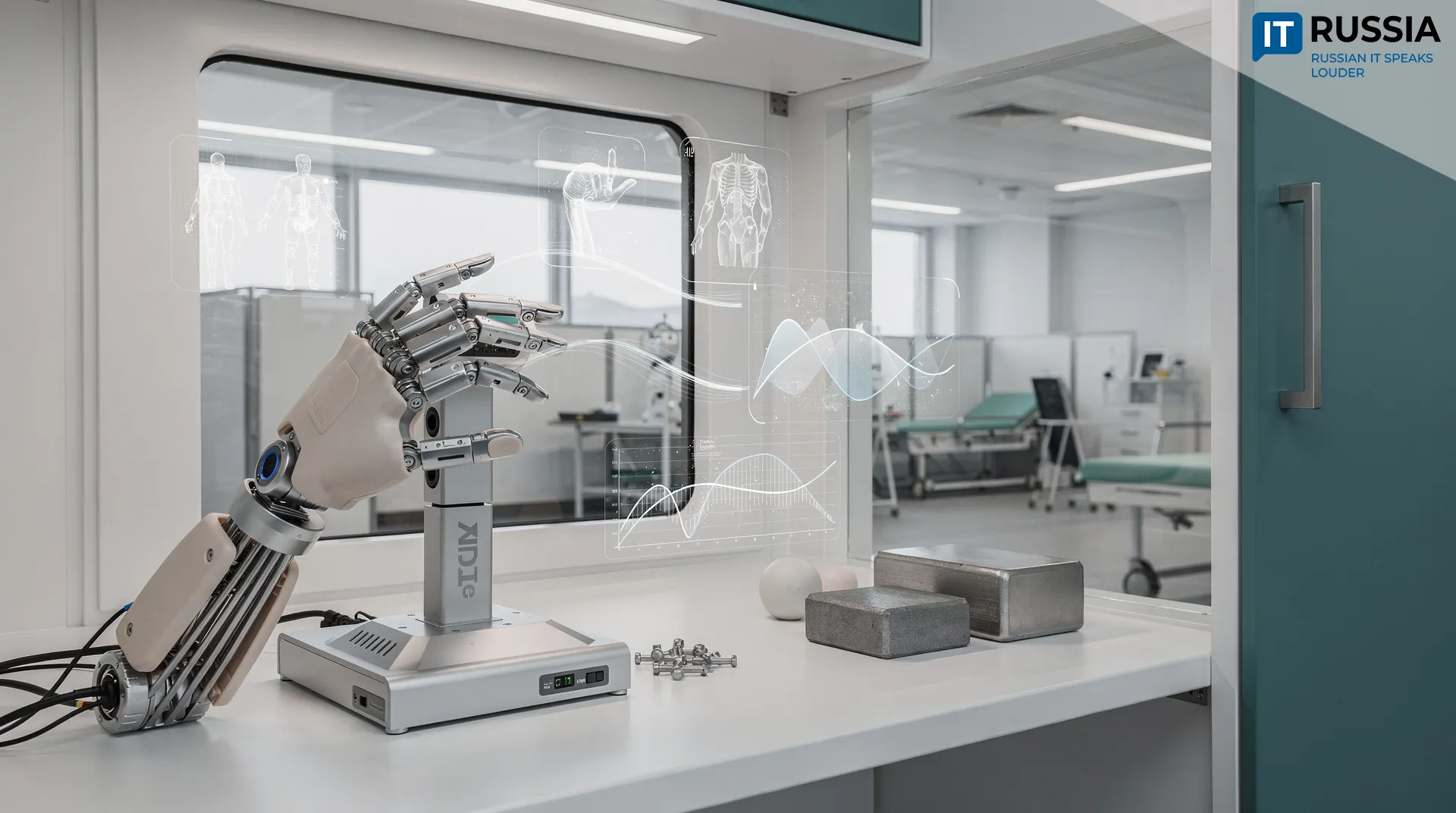
Nuclear medicine was another major topic at the forum. According to academician Valentin Smirnov, scientific adviser to the Nuclear Medicine Project Office, the development of equipment for cancer treatment is expected to accelerate sharply in early 2027. This will follow research into the flash effect, which delivers an ultrahigh radiation dose to a tumor within nanoseconds or microseconds. The technology can target radioresistant cancers. In a very short time, it creates a localized analogue of a chemotherapy drug inside the cell, while the use of photon-based systems opens a path to scaling up access to high-tech cancer treatment.
From Research to Production
To keep scientific developments from remaining laboratory exhibits, Rosatom is already building a chain that runs from defining a research task to setting cost targets and identifying market advantages. At the forum, the state corporation signed an agreement with the Directorate for Scientific and Technical Programs as part of the pilot Goszadanie 2.0 (State Assignment 2.0) project, as well as an agreement with the Foundation for Assistance to Small Innovative Enterprises to develop technology entrepreneurship.
Rosatom's experience helps bridge the main gap in the innovation cycle – the divide between research and production. But an idea alone is not enough; its feasibility as an industrially viable product must be understood from the outset. The state corporation has become one of the leaders in addressing this challenge.